






There's a method of weed and pest control so simple it sounds almost too good to be true: covering your soil with plastic and letting the sun do the heavy lifting. Soil solarization has been studied since the late 1970s, when Israeli researchers first demonstrated that clear plastic sheeting could raise soil temperatures high enough to kill weed seeds, harmful fungi, and soil-dwelling pests without a single drop of chemical. In hot, sunny climates, soil temperatures under clear plastic can exceed 50°C (122°F), enough to destroy many of the pathogens and weed seeds lurking just beneath the surface.
For Canadian homeowners in cities like Calgary, Edmonton, and Saskatoon, this technique carries a different weight. Our growing seasons are shorter, our summers are less predictable, and our lawns face a unique mix of cool-season weeds and pests. Understanding soil solarization, what it can do, where it falls short, and how it fits into a broader lawn care strategy, helps you make smarter decisions for your property.

Limited spots available!
Transform your lawn today

Limited spots available!
Transform your lawn today
What Is Soil Solarization?
Soil solarization is a non-chemical pest and weed management technique that uses solar energy to heat the soil to lethal temperatures for unwanted organisms. A sheet of transparent or clear polyethylene plastic is laid tightly over moist soil for several weeks during the hottest part of the year. The plastic traps radiant heat, creating a greenhouse-like effect in the top layers of soil.
The process targets:
- Annual and perennial weed seeds baked out before they germinate
- Soil-borne fungal pathogens like Fusarium and Verticillium
- Certain nematodes and soil insects in the upper soil profile
- Some bacteria responsible for root diseases
The method works best in the top 15–20 cm of soil, where most weed seeds and shallow-rooting pests reside. Deeper in the profile, temperatures may not rise enough to be fully effective.
How to Solarize Soil
If you're determined to try this approach, timing and preparation are everything. Rushing the setup or choosing the wrong time of year significantly reduces results.
Here's a step-by-step breakdown of how to solarize soil:
- Clear the area thoroughly. Remove all existing plant material, debris, and large clods. The smoother and cleaner the soil surface, the better the plastic will make contact with the ground.
- Water deeply before covering. Moist soil conducts heat more effectively than dry soil. Irrigate to a depth of 30 cm before laying the plastic.
- Choose the right plastic. Clear polyethylene (1–4 mil thick) transmits solar radiation better than black plastic. Black plastic absorbs heat at the surface but doesn't penetrate the soil as effectively.
- Lay and seal the plastic tightly. Anchor all edges with soil, rocks, or boards to prevent heat from escaping and wind from lifting the sheet.
- Leave it in place for 4–8 weeks. In high-sun climates, four weeks may suffice. In cooler regions like Alberta and Saskatchewan, extending to six or eight weeks gives better results.
- Remove and plant or reseed promptly. Once the plastic comes off, avoid deep tilling, this can bring untreated weed seeds from deeper layers back to the surface.
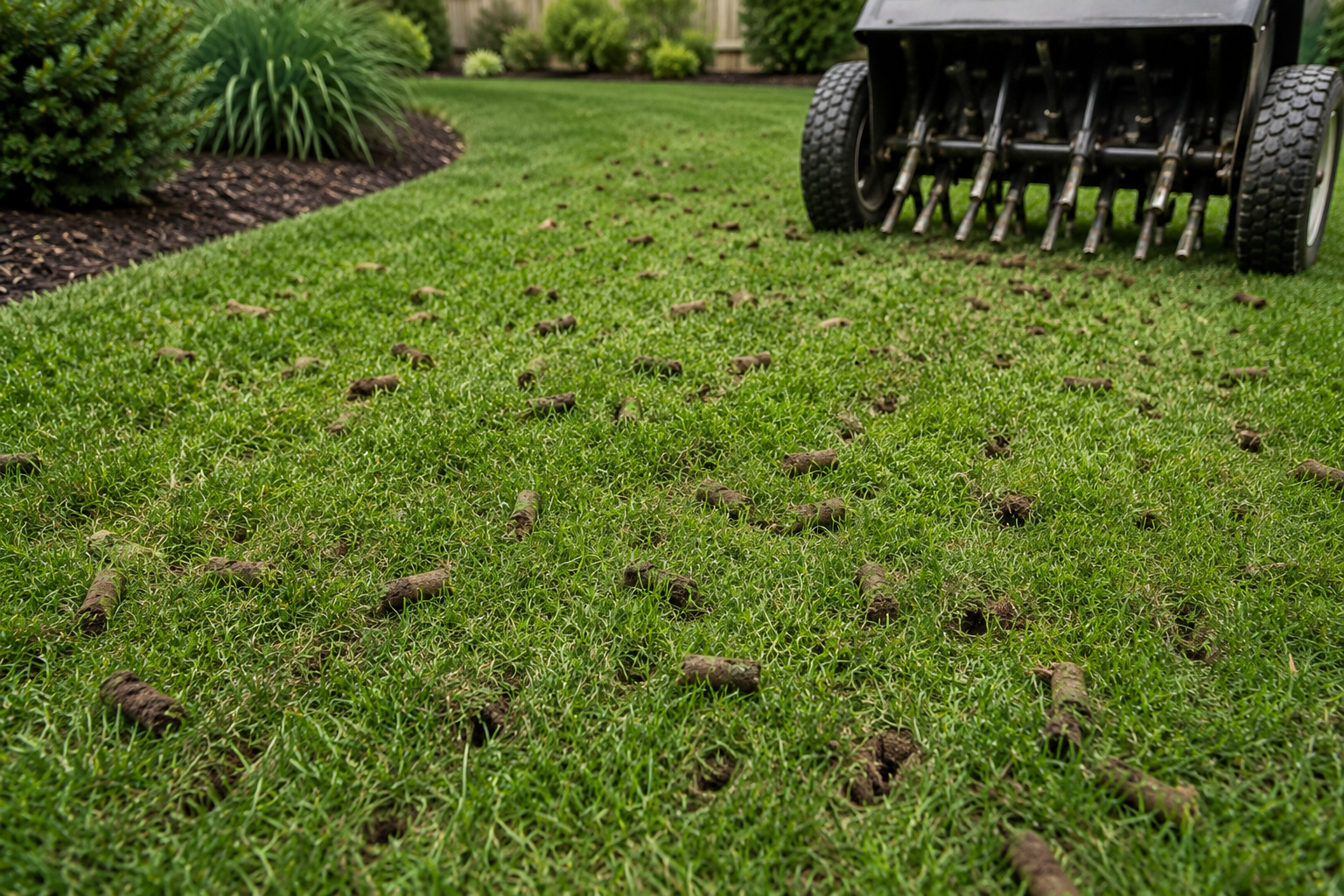
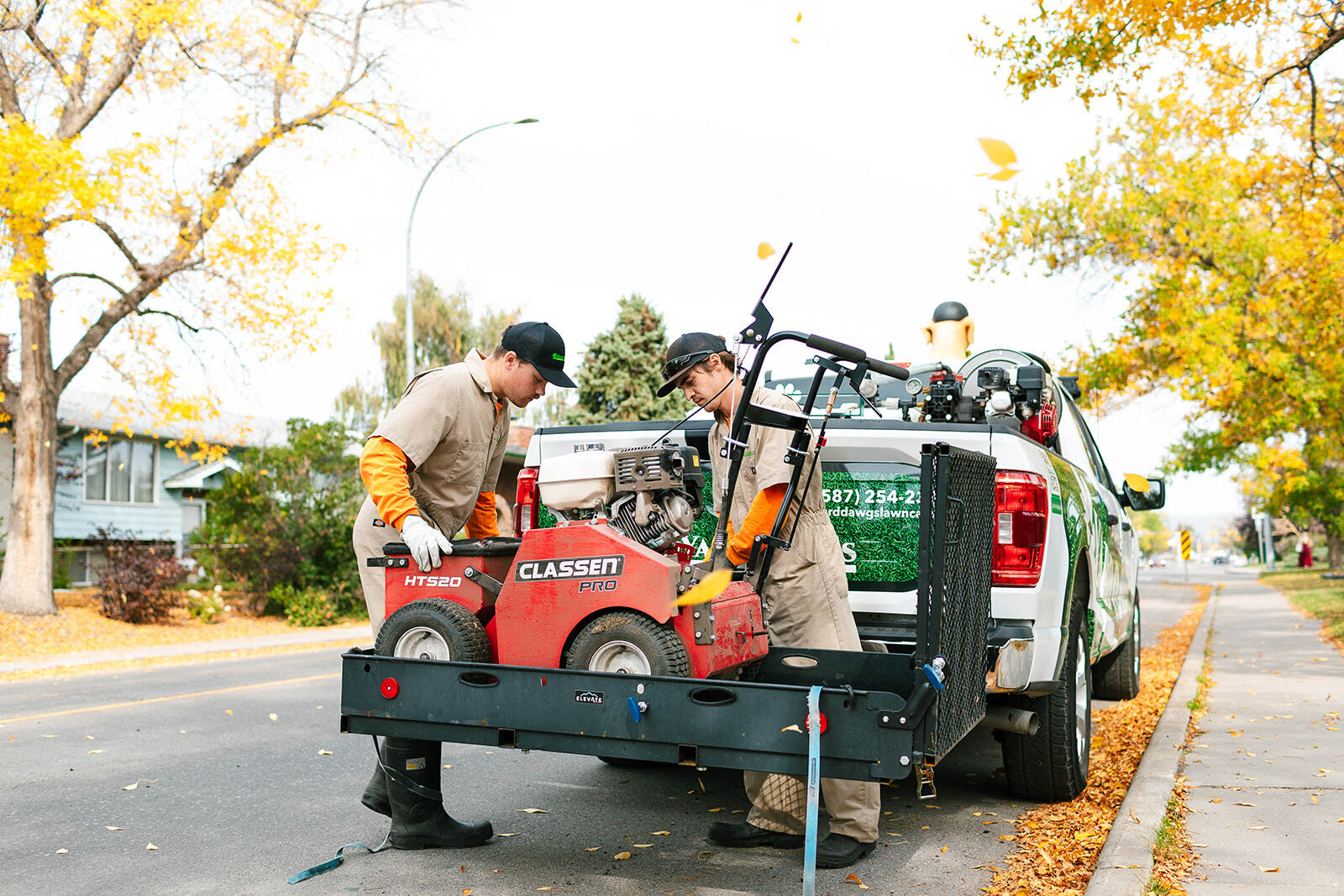
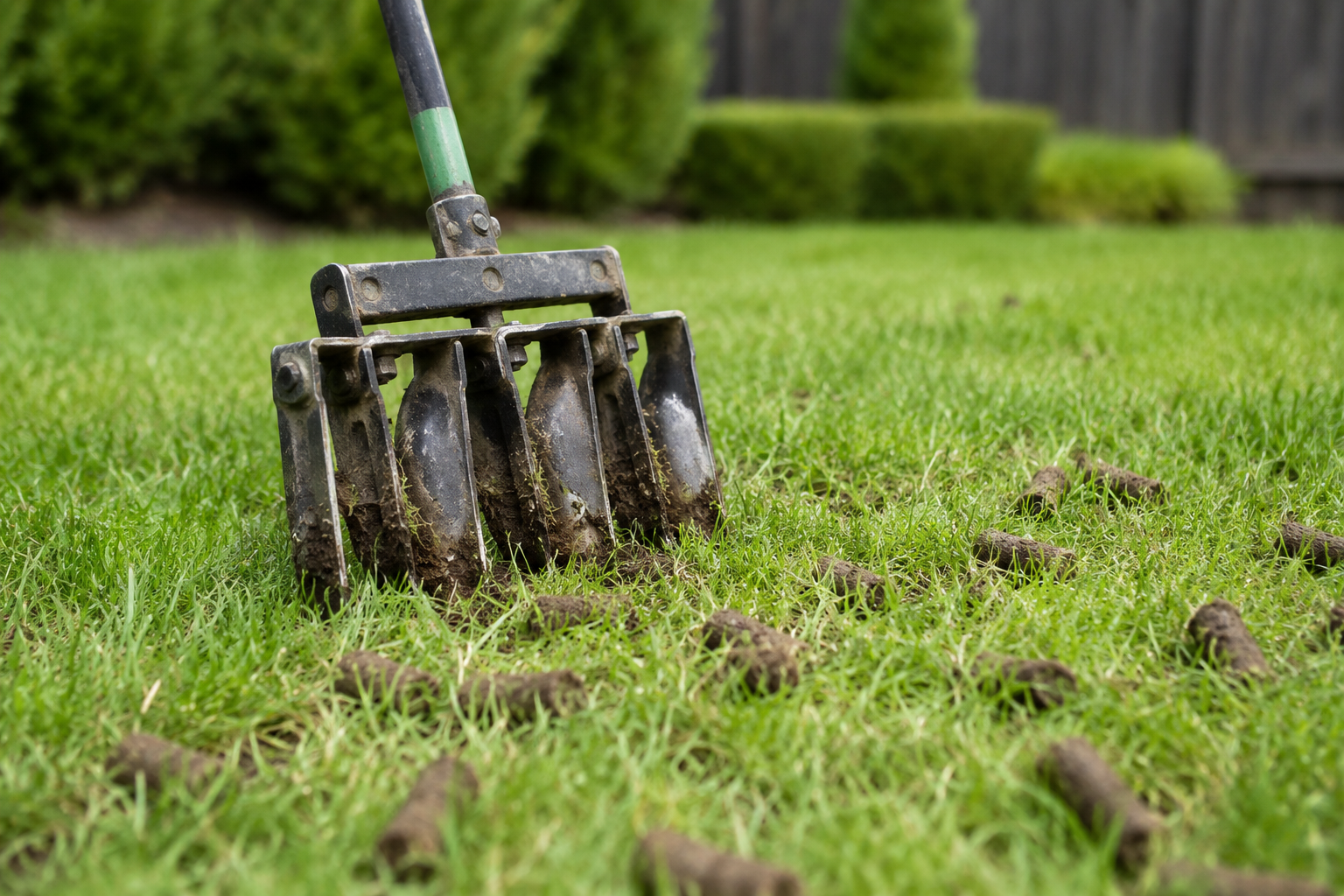
For homeowners considering slit-seeding or overseeding after a solarization period, professional preparation matters. At our company, we use mechanical aeration and slit-seeding techniques to give new grass seed the best possible start in freshly treated soil.
Disadvantages of Soil Solarization
Soil solarization gets a lot of well-deserved attention as a "natural" pest control solution, but the disadvantages of soil solarization are significant, especially for Canadian climates. It's worth looking at this method honestly before committing time and resources to it.
The main limitations include:
- Climate dependency. Effective solarization requires sustained high temperatures and intense sunlight for weeks at a time. In Calgary, Edmonton, and Red Deer, summer weather can be inconsistent. A stretch of cloudy, cool days significantly reduces the effectiveness of the treatment.
- Complete vegetation removal required. You cannot solarize an actively growing lawn. The area must be bare soil, meaning any existing lawn has to be stripped away first, a disruptive and labour-intensive process.
- Beneficial organisms are also killed. Soil solarization does not selectively target pests. Beneficial fungi like mycorrhizae, helpful nematodes, and bacteria that support soil health are destroyed alongside the harmful organisms.
- Limited depth of effectiveness. Weed seeds and pathogens deeper than 20–25 cm typically survive the treatment. Perennial weeds with deep root systems, such as Canada thistle or dandelion, can regenerate from root tissue that stays below the heat zone.
- Timing constraints. It can only be done during peak summer, a time when many homeowners want their lawns actively growing and looking their best, not covered in plastic for six weeks.
- Re-infestation risk. Without follow-up treatments or a protective lawn cover, weed seeds can blow back in from neighbouring properties quickly. The treated area offers no ongoing protection after the plastic is removed.
For Calgary and Edmonton homeowners dealing with persistent weed pressure, professional weed control programs provide more reliable, season-long coverage without putting your lawn out of commission for the entire summer.
Where Soil Solarization Fits in a Lawn Care Strategy
Soil solarization is best understood as a situational tool, not a complete lawn care solution. It has legitimate uses, particularly for preparing new garden beds, clearing heavily infested areas before replanting, or treating patches of soil ahead of a full lawn renovation. But for managing an established lawn through a full season, it simply isn't practical.
What works better for lawns across Calgary, Red Deer, Saskatoon, and beyond is a layered, continuous approach to turf health. Keeping your grass dense and vigorous is itself one of the best defences against weeds and pests. A thick lawn shades the soil surface, reduces germination opportunities for weed seeds, and creates an environment where grass outcompetes invaders naturally.
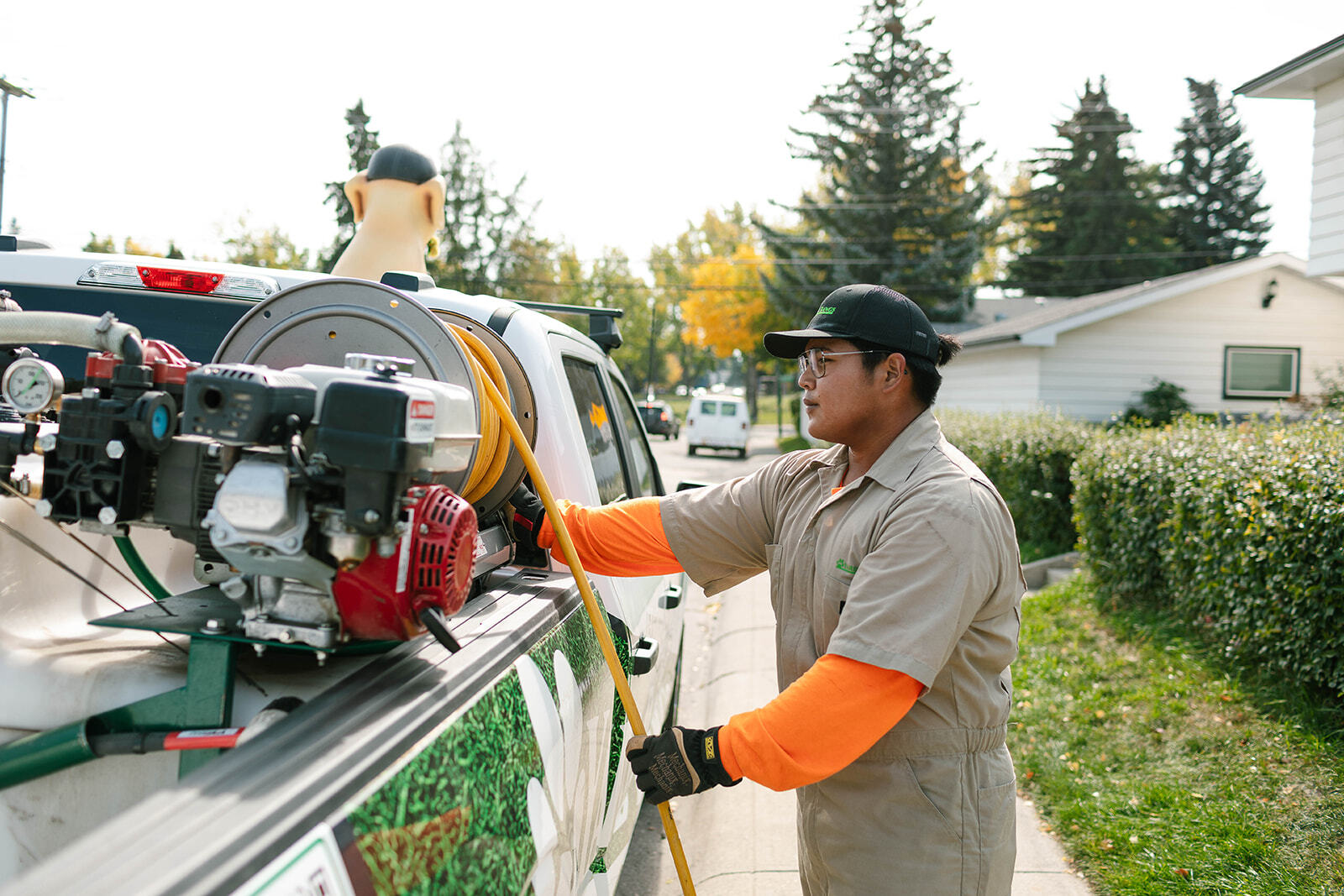
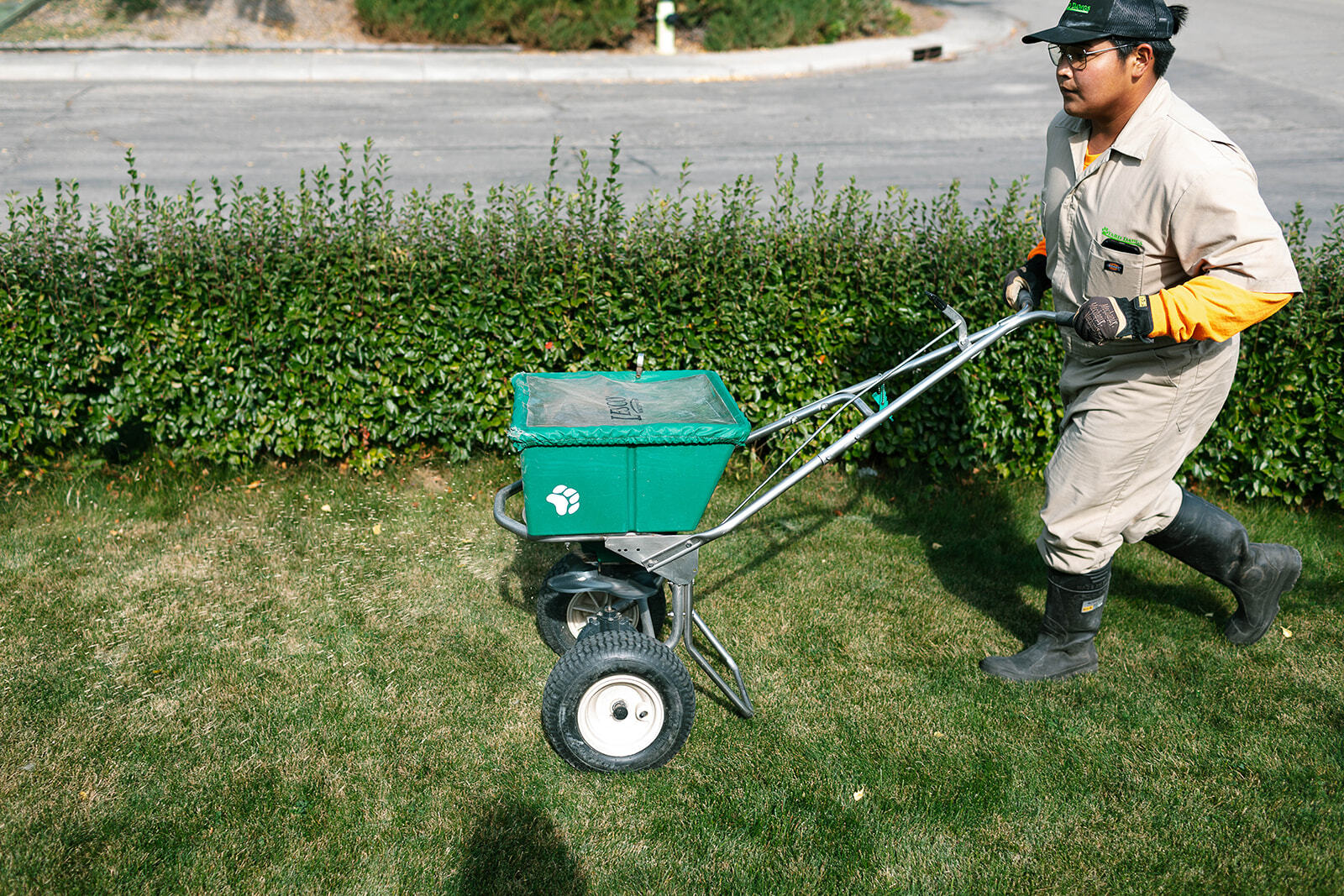
This is why our annual lawn care plans at Yard Dawgs are built around ongoing treatment rather than one-time fixes. Fertilization schedules keep turf strong throughout the growing season. Targeted weed control addresses broadleaf weeds and grassy invaders before they establish. For clients dealing with surface-feeding insects, our chinch bug treatments stop damage before it spreads. And for lawn areas showing stress or thinning, liquid aeration combined with sea kelp applications improves soil structure and root resilience from the ground up.
The Smarter Path to a Weed-Free, Pest-Resistant Lawn
Soil solarization is a fascinating technique rooted in real science, but for most residential lawns in Alberta and Saskatchewan, it's more disruption than it's worth. The climate constraints, the requirement to take your lawn offline for weeks, and the collateral damage to beneficial soil life make it a poor fit for properties where year-round appearance and health matter.
The lawns that look the best and stay the most weed-resistant aren't necessarily the ones that go through dramatic interventions, they're the ones that receive consistent, expert care season after season. Fertilization, mechanical aeration, targeted weed control, and overseeding through slit-seeding build the kind of turf that resists pressure naturally.
If your lawn is struggling with weeds, compaction, or pest damage, the answer isn't usually to start over with plastic sheeting. It's to get the right team working on it, one that knows your property, tracks your treatment history, and is ready to respond whenever something comes up. That's exactly what we provide, and we back every service with a 100% satisfaction guarantee.