






A new lawn starts with timing. Sod is a living product, and the difference between quick establishment and weeks of frustration often comes down to when you install it. In climates like Calgary, Edmonton, Red Deer, and Saskatoon, where temperature swings and short growing seasons are part of the reality, timing becomes even more critical.
Sod can root within 10–14 days under the right conditions, but install it at the wrong time, and that same process can stall or fail entirely. Understanding when and how to approach sod installation gives you a strong foundation, not just for appearance, but for long-term lawn health.

Limited spots available!
Transform your lawn today

Limited spots available!
Transform your lawn today
The Best Time to Install Sod in Western Canada
Sod isn’t limited to one narrow window, but some periods give you a clear advantage. In prairie climates, the goal is simple: avoid extremes and work with natural growing conditions.
- Spring is often the most forgiving time. As soil temperatures rise and moisture levels are naturally higher, sod establishes roots faster with less stress. Early to mid-spring is ideal because it gives your lawn time to strengthen before summer heat arrives.
- Early fall is another strong option. The soil remains warm from summer, but cooler air temperatures reduce evaporation and stress on new turf. This balance helps sod take root efficiently without requiring excessive watering.
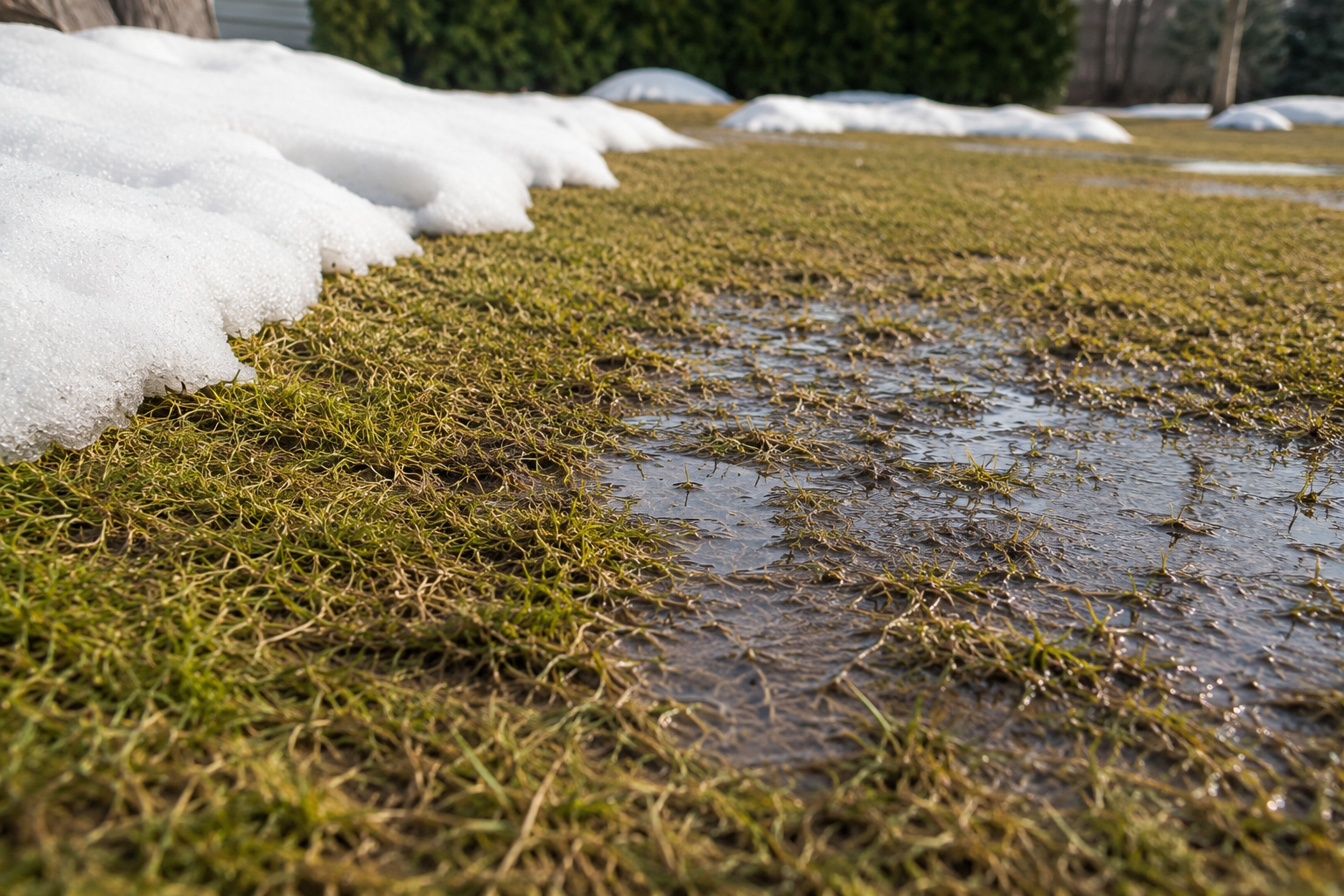
- Summer installations are possible, but they demand consistency. Higher temperatures increase the risk of drying out, so watering and monitoring become essential. Winter, on the other hand, is not suitable, frozen ground prevents proper root development.
If you’re planning sod installation, aligning with these seasonal patterns will save you time, effort, and unnecessary rework.
How to Prepare Before Installing Sod
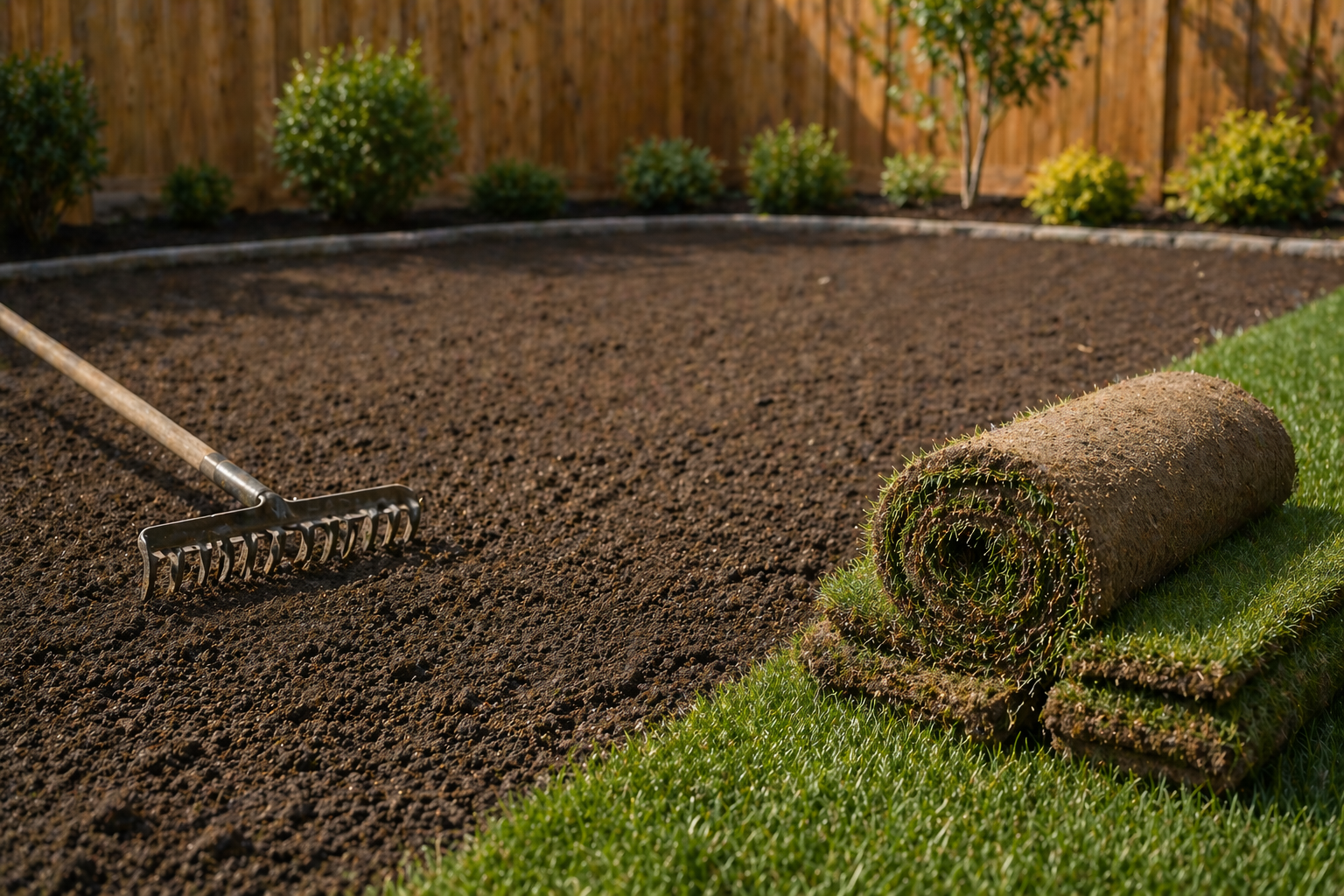
Even perfect timing won’t compensate for poor preparation. Sod needs direct contact with healthy soil to root properly, so preparation is not optional, it’s a core part of the process.
- Clear the area completely. Remove debris, old grass, and weeds to eliminate competition. From there, focus on soil structure. Loosening compacted soil improves airflow and allows roots to penetrate more easily.
- Grade it. A smooth, slightly sloped surface prevents water pooling and ensures even growth. Once grading is complete, adding quality topsoil can significantly improve results, especially in areas with poor native soil.
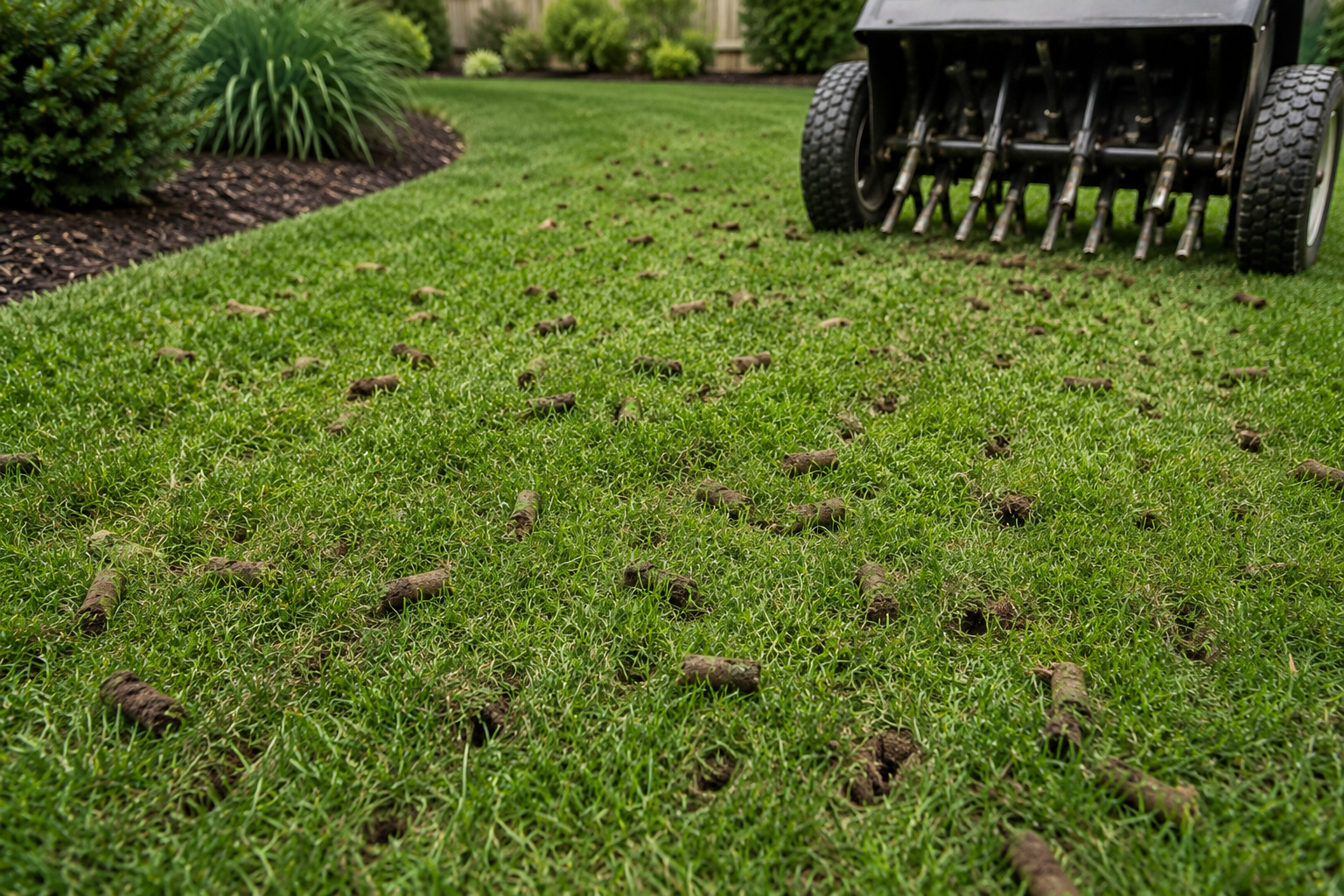
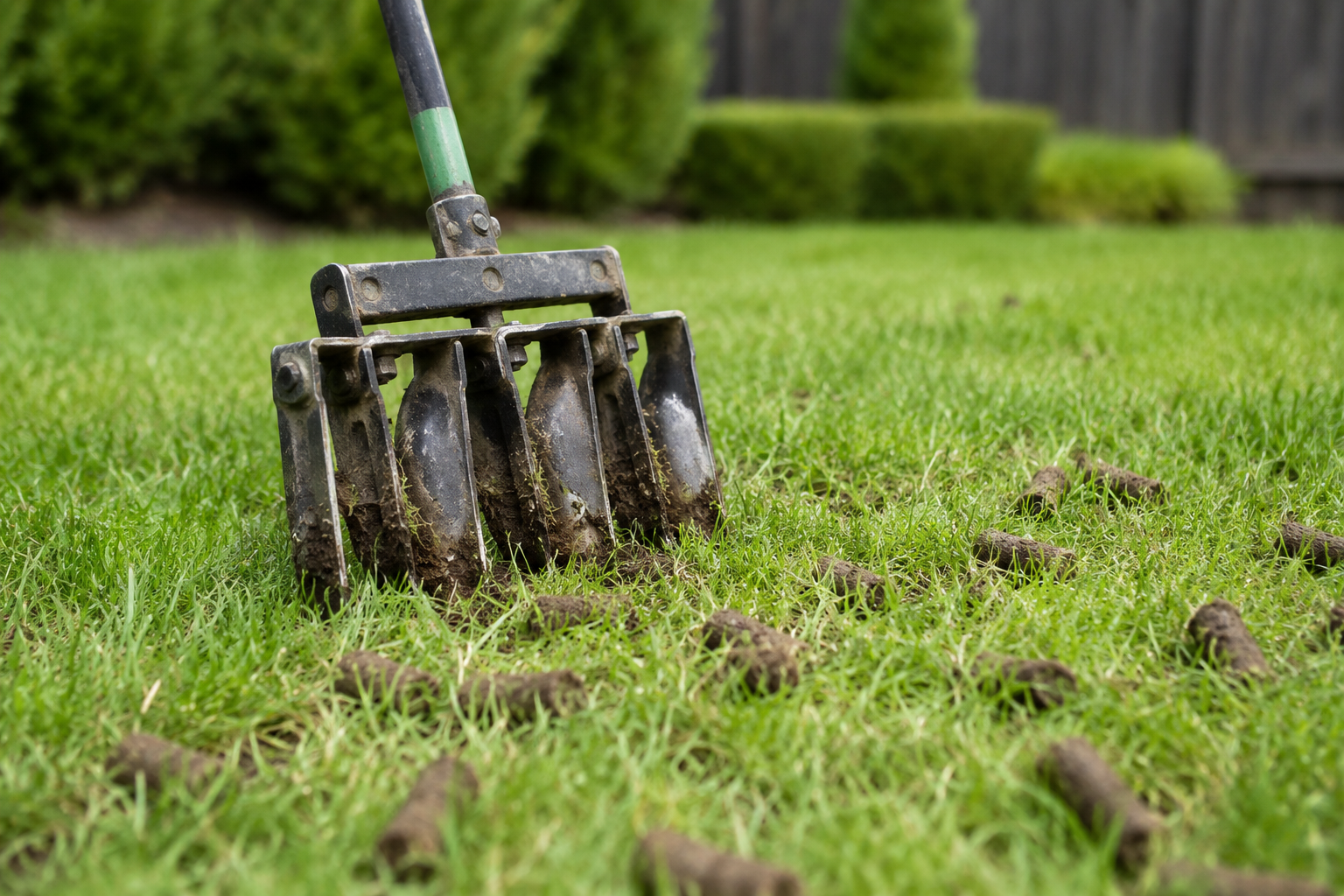
This is where ongoing lawn care plays a role. Services like mechanical aeration or liquid aeration can improve soil conditions before sod is installed, creating a better environment for root development without relying on invasive methods.
How to Install Sod Grass the Right Way
If you’ve ever wondered how to install sod grass without running into uneven growth or visible seams, the answer lies in precision and consistency. Sod installation isn’t complicated, but it does require attention to detail.
Here’s a clear process to follow:
- Lay sod immediately after delivery to prevent drying or overheating
- Start along a straight edge, such as a driveway or walkway, to keep rows aligned
- Stagger each row in a brick-like pattern to avoid long seams
- Press edges tightly together without overlapping to prevent gaps
- Cut pieces carefully to fit around edges, trees, and curves
- Lightly roll the surface to improve soil contact and remove air pockets
This step-by-step approach ensures your sod establishes evenly and looks cohesive from the start.
If you’re researching how to install sod, keep in mind that consistency matters more than speed. Rushing the process often leads to visible lines, poor rooting, and uneven moisture distribution.
What Happens After Installation Matters More Than You Think
Laying sod is only half the job. The first few weeks after installation determine whether your lawn thrives or struggles.
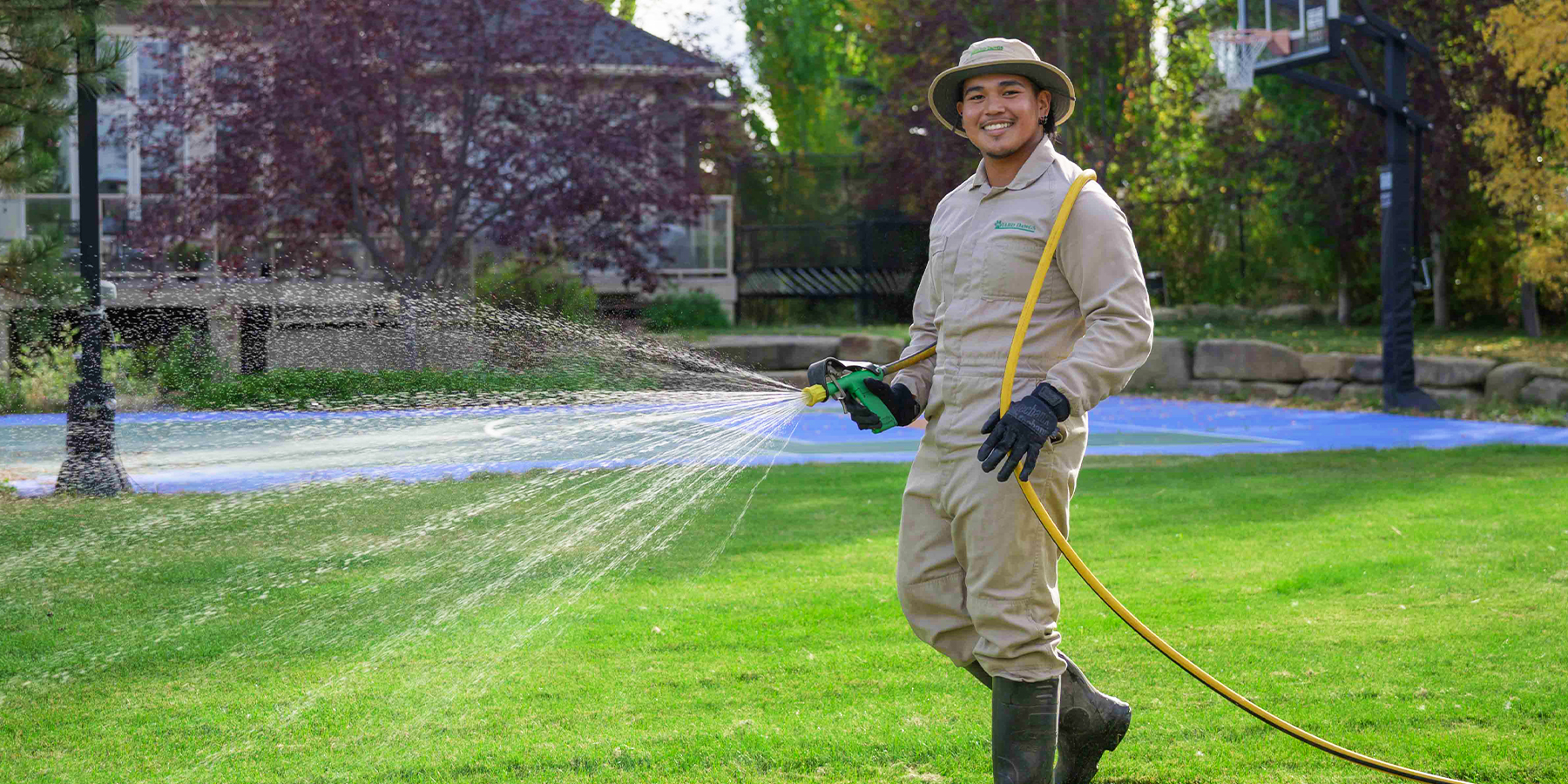
Watering is the most critical factor. Newly installed sod should be watered immediately and kept consistently moist during the establishment phase. This doesn’t mean flooding the lawn, but it does require regular, even coverage.
As roots begin to anchor, watering frequency can be reduced while increasing depth. This encourages deeper root growth, making the lawn more resilient over time.
Mowing should wait until the sod is firmly rooted. Cutting too early can shift or damage the new turf. Once established, maintaining proper mowing height supports long-term health.
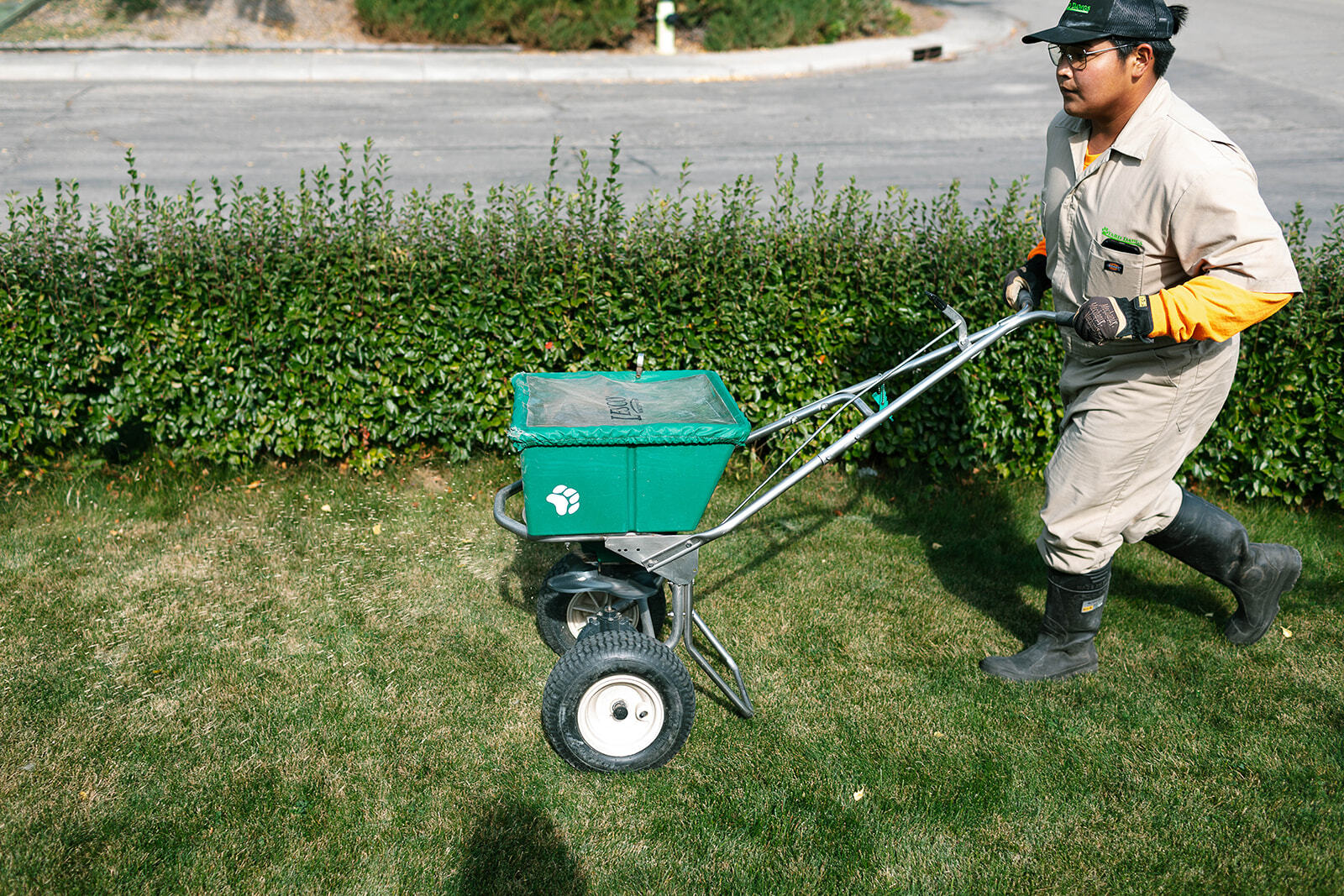
Targeted treatments like fertilizer applications and sea kelp support root development during this stage, helping sod transition from installation to active growth without unnecessary stress.
Common Mistakes That Undermine Sod Installation
Even with the right intentions, a few common missteps can slow down or completely derail your results. Knowing what to avoid is just as important as knowing what to do.
- Installing sod on compacted or poorly prepared soil
- Leaving gaps or overlapping edges during placement
- Watering inconsistently during the first two weeks
- Installing during extreme heat without proper care adjustments
Another overlooked issue is neglecting early weed control. Without proper management, weeds can establish quickly in new sod, competing for nutrients and weakening overall growth.
Supporting Sod with the Right Lawn Care Services
A newly installed lawn doesn’t maintain itself. Once sod is in place, ongoing care determines how well it performs over the season and beyond.
This is where structured lawn care services make a noticeable difference. Instead of reacting to problems, you’re actively supporting the lawn’s development at every stage.
Fertilizer applications provide essential nutrients for growth and color. Weed control ensures your lawn stays clean and consistent as it establishes. Aeration, both mechanical and liquid, improves soil structure and supports long-term root health.
Additional treatments like super juice and sea kelp enhance soil biology, helping your lawn adapt to changing conditions more effectively. For specific regional challenges, such as chinch bugs, targeted treatments protect your investment without disrupting overall lawn health.
Hardscape weed control also plays a role in maintaining a clean, finished look, especially around walkways and driveways where weeds tend to appear first.
If you’re looking for reliable lawn care in Calgary, having a consistent service plan in place ensures your sod doesn’t just survive, it improves over time.
Why Consistency Matters More Than Perfection
One of the biggest misconceptions about sod installation is that everything has to be perfect from day one. In reality, consistency is what drives results.
A lawn that receives steady care, proper watering, timely treatments, and ongoing monitoring, will outperform one that relies on occasional attention, even if the initial installation was flawless.
This is why continuous service plans are effective. Instead of guessing what your lawn needs at different stages, you have a structured approach that adapts throughout the season. Adjustments can be made as conditions change, without interrupting progress.
Working with the same team over time also adds value. Familiarity with your lawn’s history allows for more precise decisions, whether it’s adjusting fertilizer timing or addressing early signs of stress.

A Lawn That Holds Up Over Time
Sod delivers immediate results, but its long-term performance depends on how well it integrates with your soil and how consistently it’s maintained afterward.
When installed at the right time and supported with proper care, sod develops into a dense, resilient lawn that resists weeds, tolerates stress, and maintains its appearance throughout the season.
There’s no shortcut here, but there is a reliable path. Focus on timing, prepare your soil properly, follow a structured installation process, and support your lawn with consistent care.
That’s how you turn sod installation from a one-time project into a lasting upgrade for your outdoor space.