






After months of snow, ice, and frozen soil, your lawn doesn’t just “wake up” in spring, it recovers. And that recovery window is short. What you do in those first few weeks can shape how your lawn looks for the entire season.
Here’s the part most homeowners underestimate: winter damage isn’t always visible right away. Compacted soil, weakened roots, early weed pressure, and nutrient depletion are already in motion before your grass even greens up. That’s exactly why knowing how to rejuvenate your lawn properly, not just casually “tidy it up”, makes all the difference.
If your goal is a thick, even, healthy lawn (not just “less bad than last year”), this guide walks you through a smarter, more effective approach to rejuvenate lawn in spring, built around what actually works in climates like Calgary, Edmonton, Red Deer, and Saskatoon.

Limited spots available!
Transform your lawn today

Limited spots available!
Transform your lawn today
What Spring Really Does to Your Lawn (And Why It Matters)
Spring is not just a growth season, it’s a reset phase.
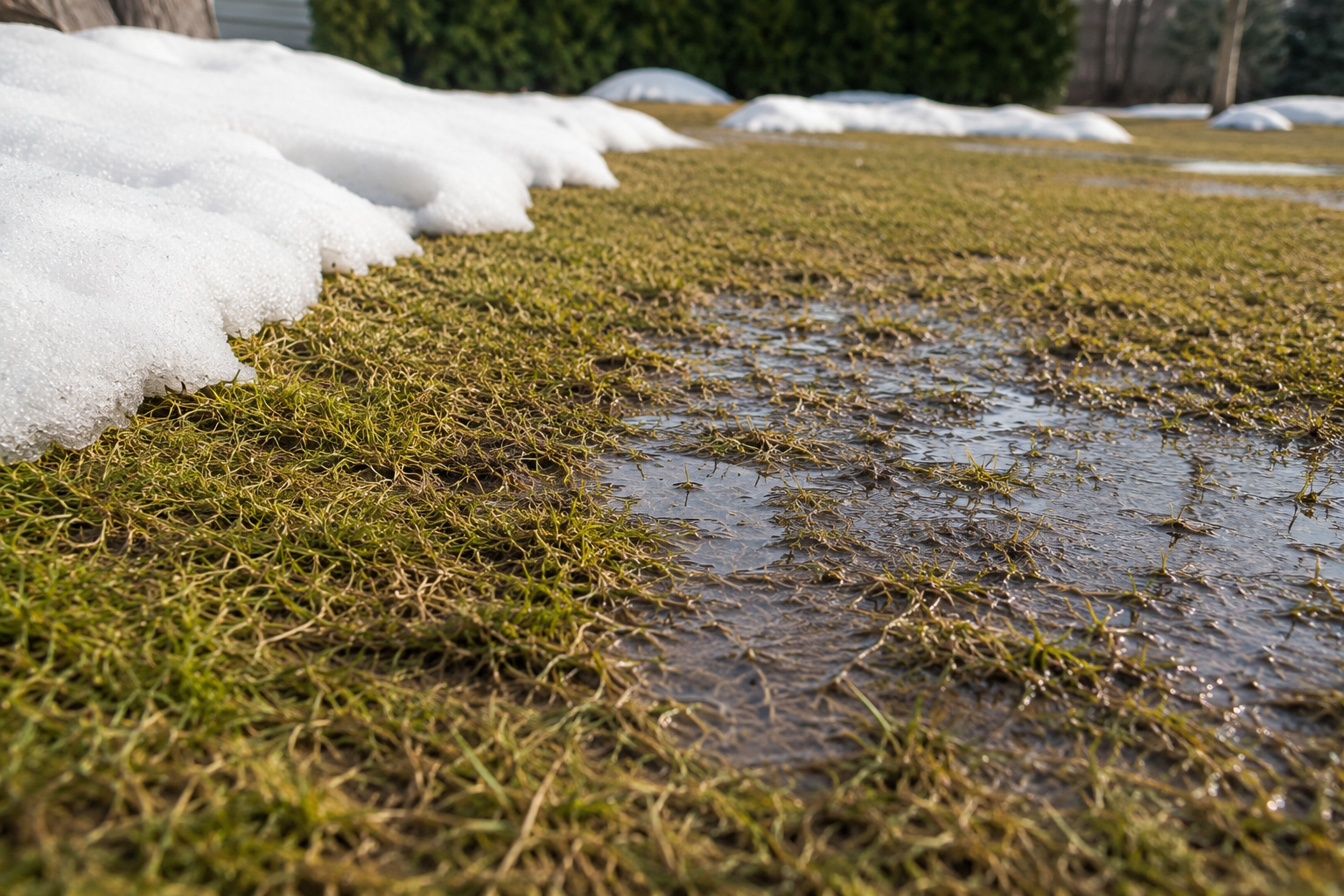
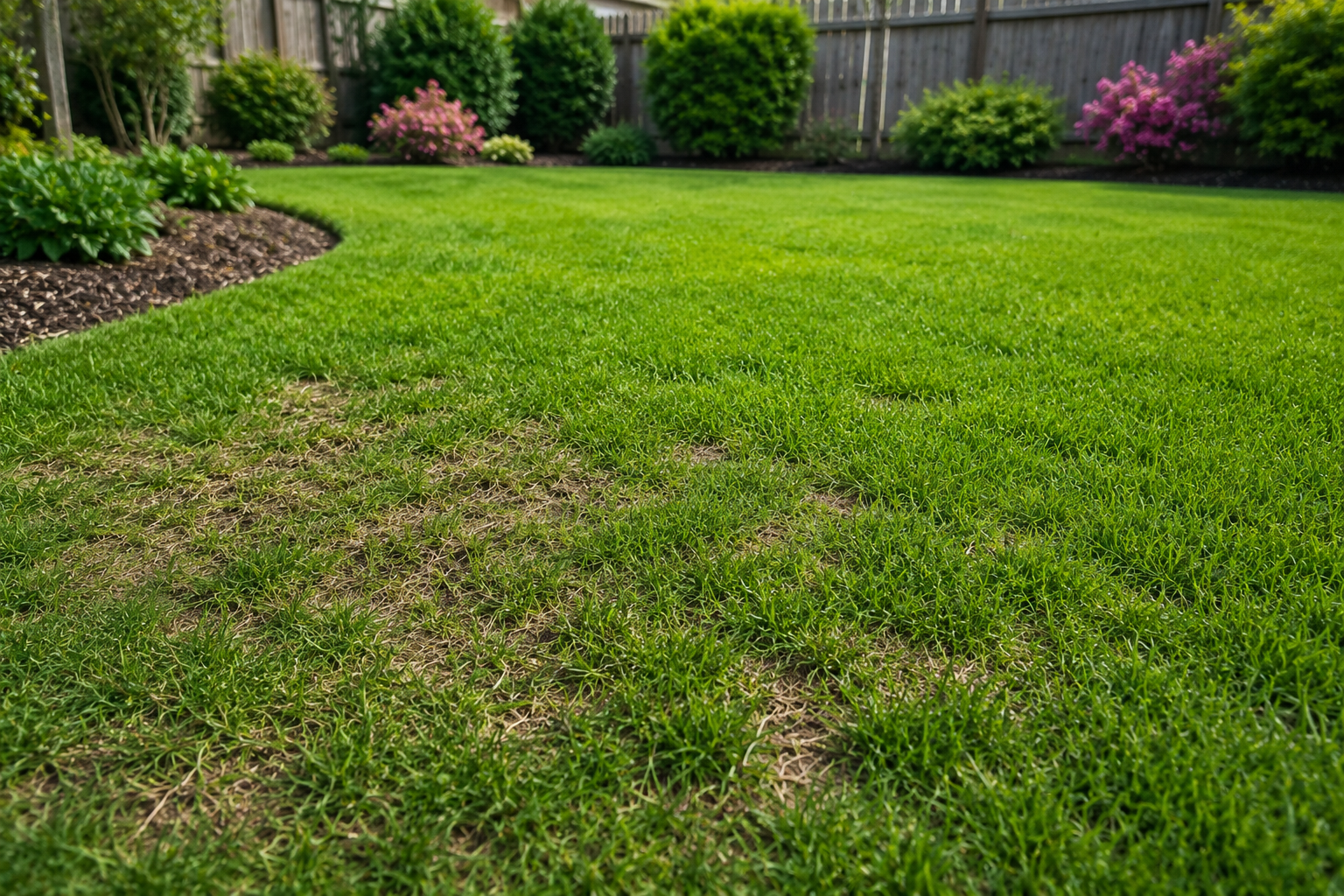
Grass comes out of dormancy with depleted energy reserves. The soil is often compacted from snow weight. Moisture levels fluctuate. And weeds? They don’t wait. They take advantage of weak turf immediately.
This is why early-season lawn care isn’t optional, it’s strategic.
A properly executed spring plan doesn’t just “fix” your lawn. It sets the conditions for:
- deeper root systems
- stronger resistance to weeds and pests
- more efficient nutrient absorption
- long-term density and colour
That’s the foundation behind any serious approach to how to rejuvenate lawn in spring.
Step 1: Reset the Soil Before You Expect Results
You can’t grow a healthy lawn in unhealthy soil. That’s where most DIY efforts fall apart.
Over winter, soil becomes compacted. When that happens, air, water, and nutrients struggle to reach the roots. Grass ends up shallow-rooted and stressed, perfect conditions for weeds to move in.
This is where mechanical aeration and liquid aeration come into play.
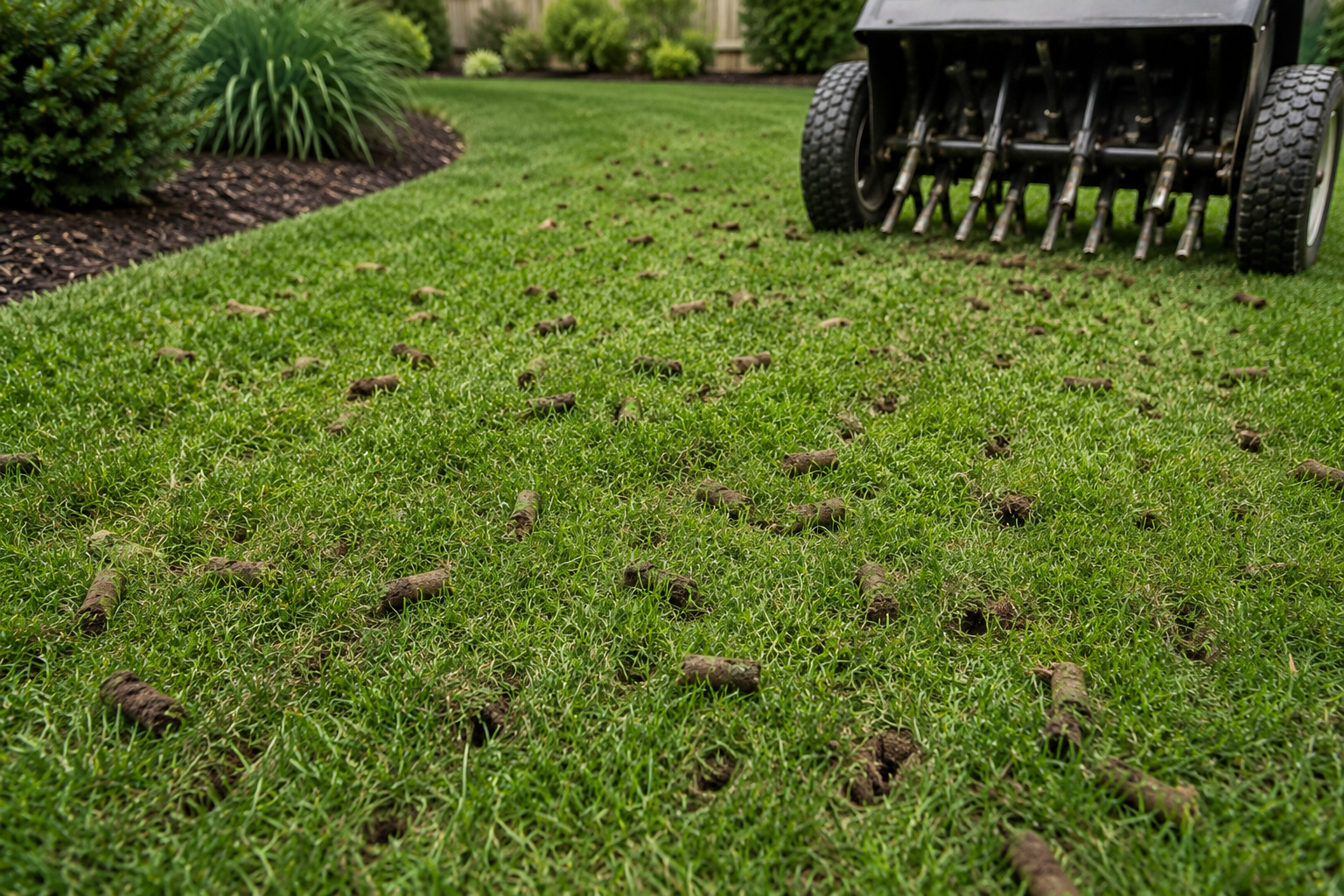
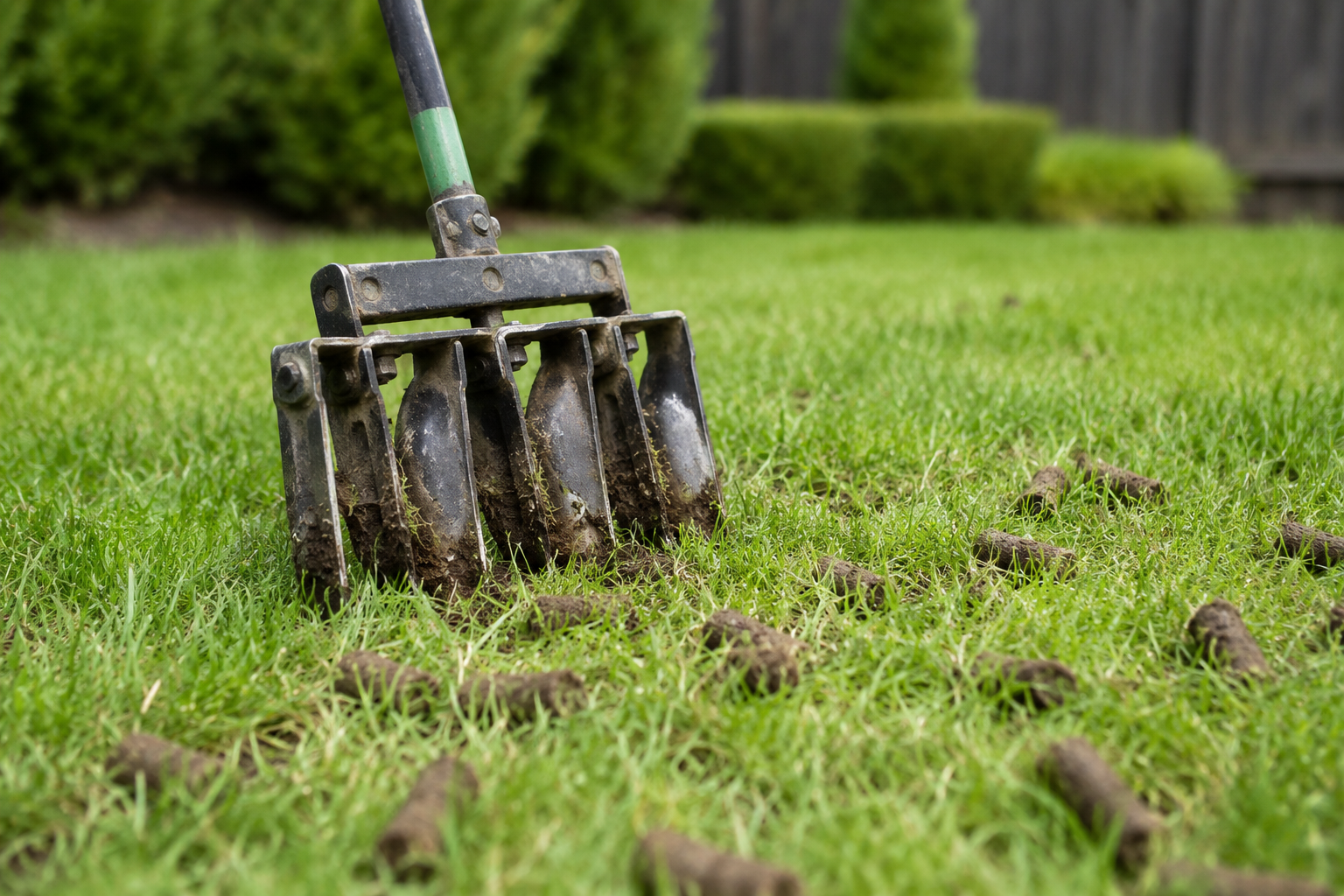
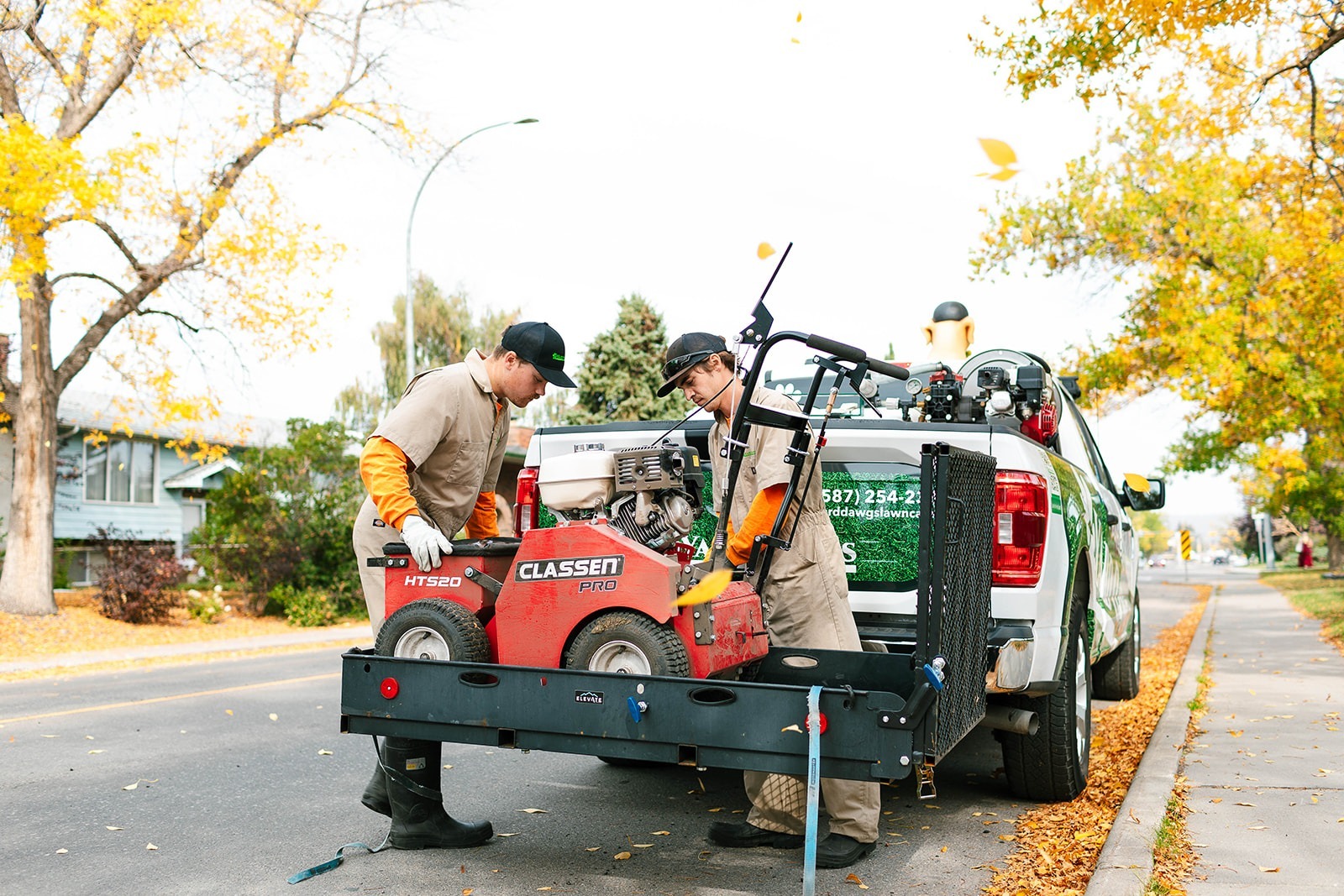
Mechanical aeration physically removes small plugs of soil, opening up the ground and allowing oxygen and moisture to penetrate deeper. It’s especially important for high-traffic areas or clay-heavy soils.
Liquid aeration complements this by breaking down compacted particles at a micro level, improving soil structure over time without disrupting the surface.
When both are used strategically, you’re not just “loosening soil”, you’re rebuilding the environment your lawn depends on.
Step 2: Feed the Lawn What It’s Actually Missing
Grass doesn’t bounce back on its own, it needs nutrients, and timing matters.
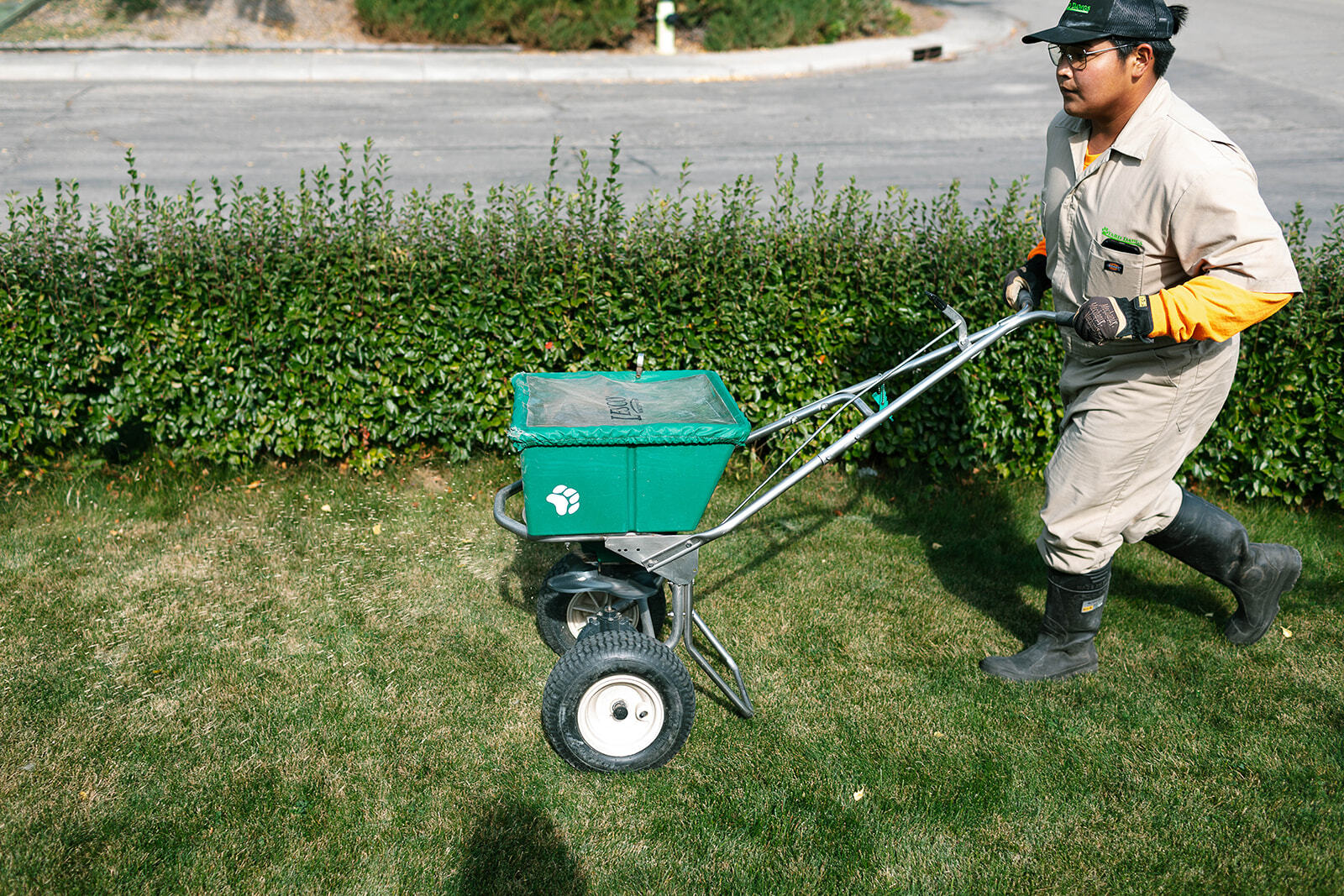
Spring fertilization is about more than just making your lawn green. It’s about restoring what winter drained and supporting new growth at the root level.
A well-balanced fertilizer application helps:
- kickstart root development
- improve colour and density
- strengthen resistance to stress
But here’s where it gets more advanced.
Modern lawn care goes beyond basic fertilization. Treatments like sea kelp and Super Juice provide additional biological and micronutrient support. Sea kelp, for example, helps stimulate root growth and improves stress tolerance. Super Juice enhances microbial activity in the soil, making nutrients more available to your grass.
This layered approach is what separates average lawns from consistently strong ones.
Step 3: Stop Weeds Before They Take Over
If you’ve ever felt like weeds “appear overnight” in spring, you’re not wrong.
Weeds are opportunistic. They thrive in weak, thin lawns, exactly what many properties look like after winter. And once they establish, they compete aggressively for nutrients, water, and sunlight.
That’s why weed control needs to be proactive, not reactive.
Instead of waiting until weeds are visible and widespread, early treatments target them while your lawn is still recovering. This reduces competition right when your grass needs the most support.
For areas beyond the lawn, like walkways, patios, and driveways, hardscape weed control ensures those invasive plants don’t spread back into your turf.
The goal isn’t just fewer weeds. It’s creating an environment where weeds struggle to survive at all.
Step 4: Repair Thin and Patchy Areas Properly
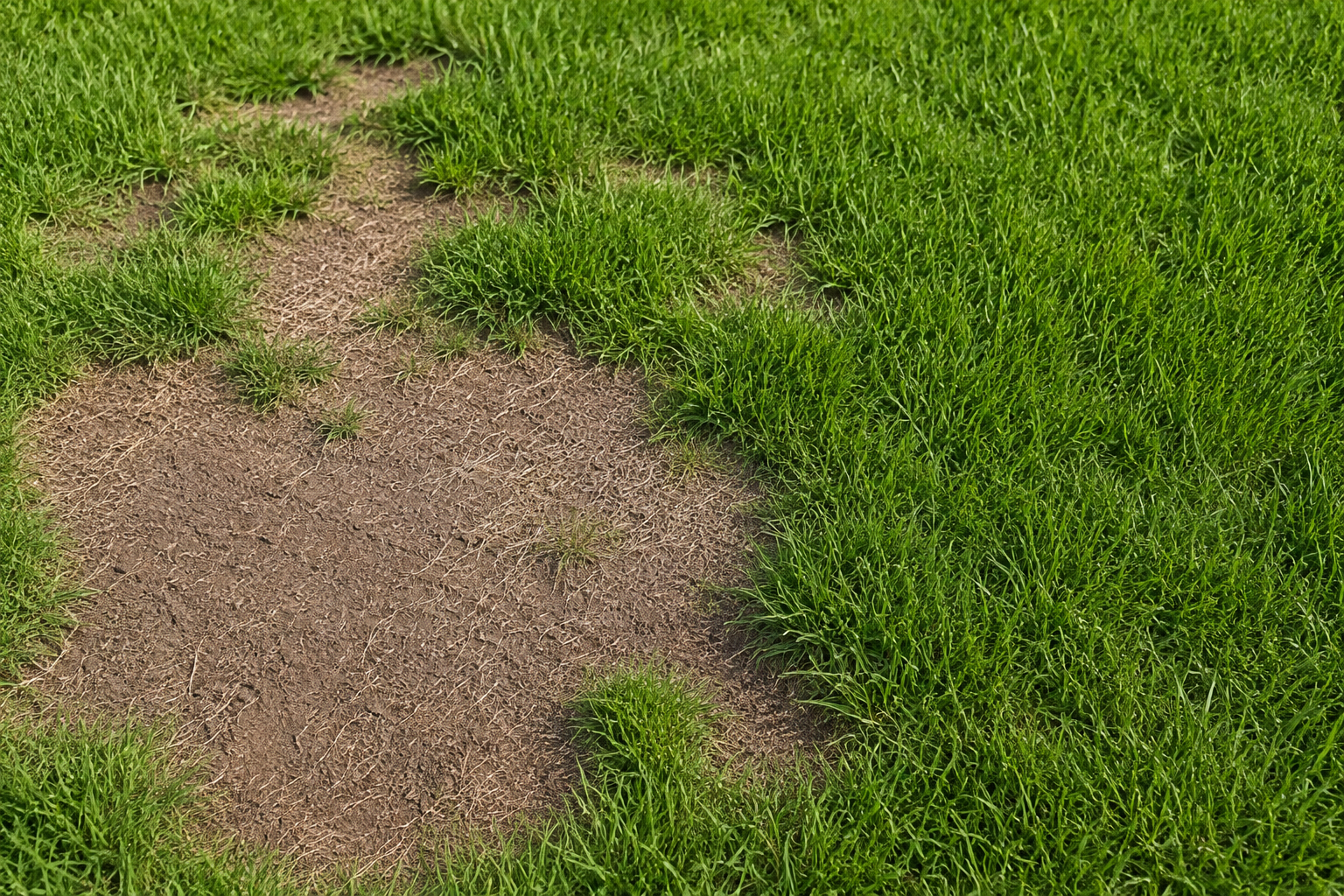
Even the healthiest lawns come out of winter with weak spots.
But simply throwing down seed isn’t enough. For seed to establish successfully, it needs proper soil contact, moisture retention, and protection.
That’s where slit-seeding becomes a game changer.
Unlike traditional overseeding, slit-seeding cuts small grooves into the soil and places the seed directly where it needs to be. This dramatically improves germination rates and helps new grass integrate with your existing lawn.
When done at the right time in spring, it allows your lawn to:
- fill in bare patches faster
- increase overall density
- outcompete weeds naturally
This is one of the most effective ways to truly rejuvenate lawn in spring, rather than just improve its appearance temporarily.
Step 5: Address Hidden Threats Early
Not all lawn damage is visible at first glance.
Pests like chinch bugs can quietly weaken your lawn from the inside out. They feed on grass blades and roots, often going unnoticed until significant damage has already occurred.
Spring is the ideal time to monitor and manage these issues before they escalate.
A healthy lawn is about protection. And early-season treatments play a critical role in keeping your turf resilient throughout the year.
What a Complete Spring Lawn Rejuvenation Plan Looks Like
If you step back and look at the process as a whole, effective spring lawn care isn’t one action, it’s a coordinated system.
A well-structured plan typically includes:
- Soil improvement through mechanical and liquid aeration
- Nutrient replenishment with fertilizer, sea kelp, and Super Juice
- Proactive weed control (including hardscape areas)
- Targeted lawn repair with slit-seeding
- Monitoring and treatment for pests like chinch bugs
Each element supports the others. Skip one, and the overall result weakens.
Why Consistency Beats One-Time Fixes
One of the biggest mistakes homeowners make is treating lawn care as a one-time spring project.
In reality, your lawn changes week by week. Soil conditions evolve. Growth patterns shift. External factors like weather and foot traffic add stress.
That’s why consistent, ongoing care delivers better results than isolated treatments.
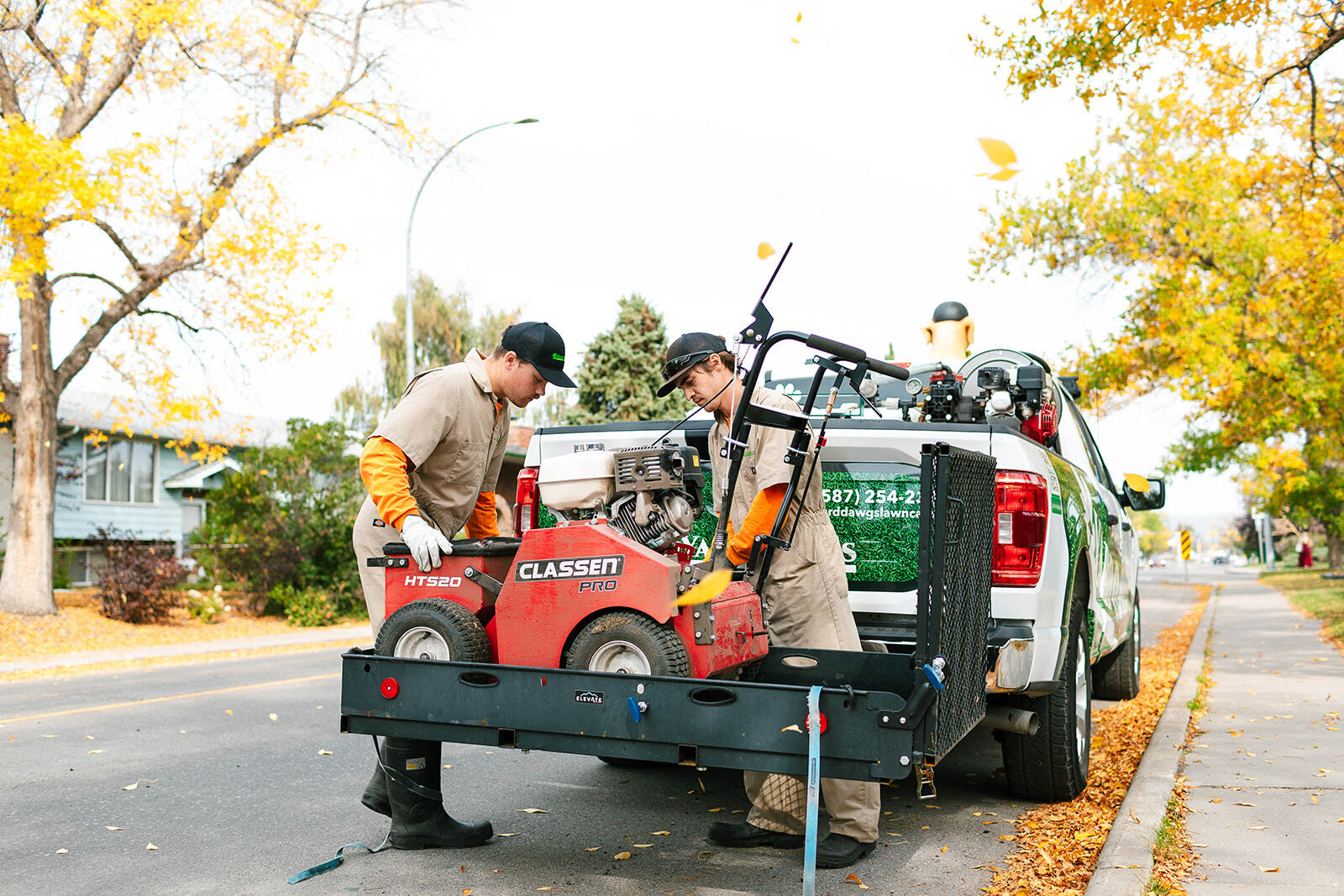
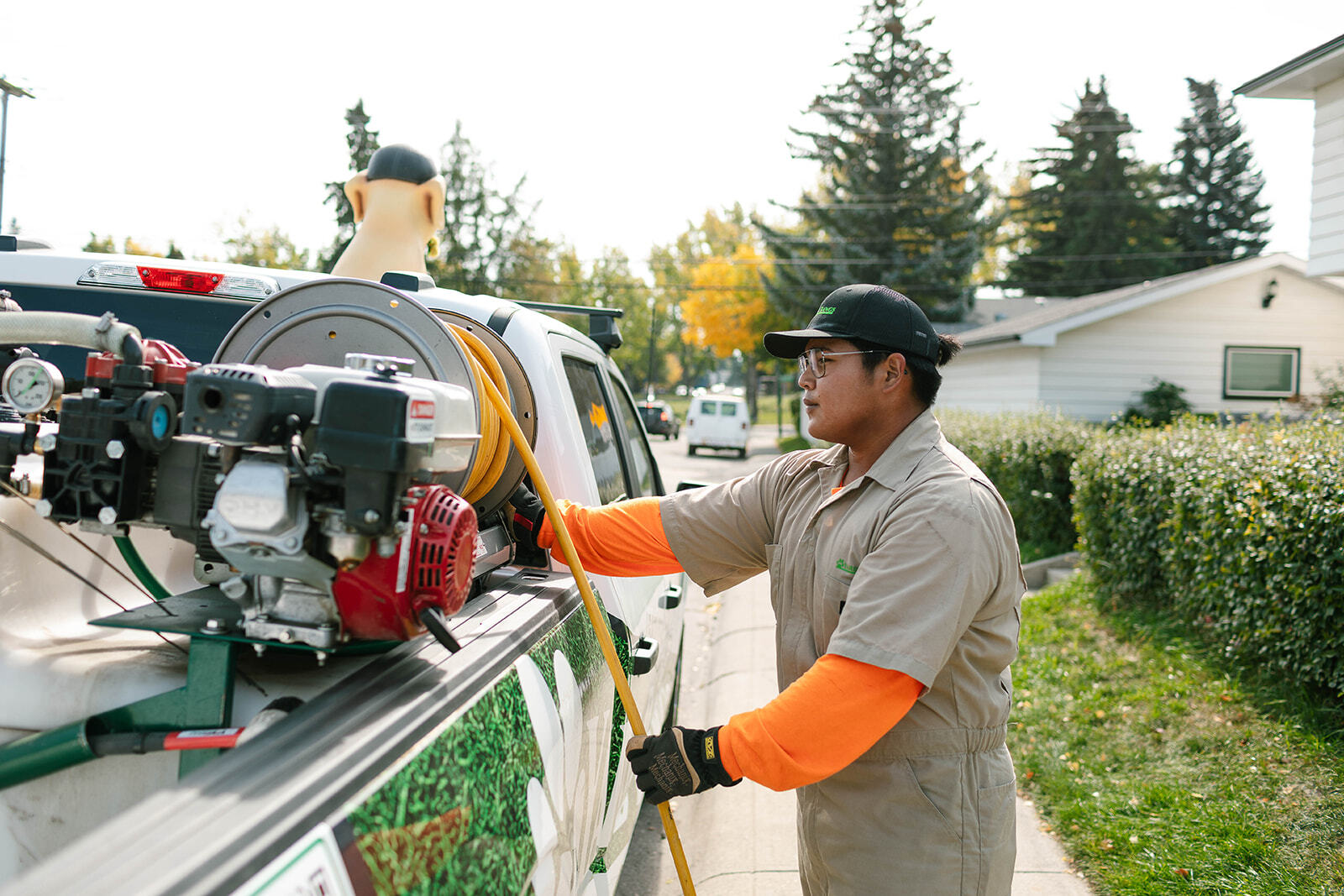
Working with a provider like Yard Dawgs means your lawn isn’t just treated once and forgotten. It’s monitored, adjusted, and supported throughout the season. The same team understands your property, tracks its progress, and fine-tunes treatments based on real conditions, not guesswork.
That level of consistency is what turns short-term improvements into long-term results.
When to Consider Professional Lawn Care Services
There’s a point where DIY effort starts costing more time and delivering less return.
If your lawn has:
- persistent weeds despite repeated efforts
- compacted or poor-quality soil
- patchy or thinning areas that don’t recover
- recurring pest issues
…it’s usually a sign that the underlying system needs attention, not just surface fixes.
Professional lawn care services bring structure, timing, and expertise into the process. Instead of reacting to problems, you’re preventing them.
And in climates with shorter growing seasons, that efficiency matters.
How to Rejuvenate Your Lawn Without Overcomplicating It
Let’s keep this grounded.
You don’t need 15 different products or a complicated routine. What you need is the right sequence, done properly, at the right time.
Focus on:
- Fixing the soil
- Feeding the lawn
- Controlling weeds early
- Repairing weak areas
- Maintaining consistency
That’s it. Simple, but not easy if done incorrectly.
A Better Lawn Starts Earlier Than You Think
By the time your lawn “looks bad,” the problem has already been building for weeks.
The advantage comes from acting early, before weeds spread, before soil hardens further, before thin areas get worse.
That’s why the most successful lawns aren’t the ones that get the most attention. They’re the ones that get the right attention at the right time.
Spring Lawn Rejuvenation, Done Right
Rejuvenating your lawn in spring isn’t about quick wins. It’s about building a system that supports healthy growth from the ground up.
When soil is properly aerated, nutrients are balanced, weeds are controlled early, and damaged areas are repaired with intention, everything starts to work together.
And that’s when your lawn stops being a constant project, and starts becoming something you actually enjoy.
If you want that kind of result without trial and error, Yard Dawgs delivers a structured, proven approach backed by consistent care and real accountability.
Quick Recap: What Actually Works
If you take one thing from this guide, let it be this:
- Strong lawns are built below the surface first
- Early action beats reactive fixes every time
- Consistency matters more than intensity
- Smart treatments outperform generic routines
That’s the real answer to how to rejuvenate your lawn, and how to keep it that way long after spring ends.