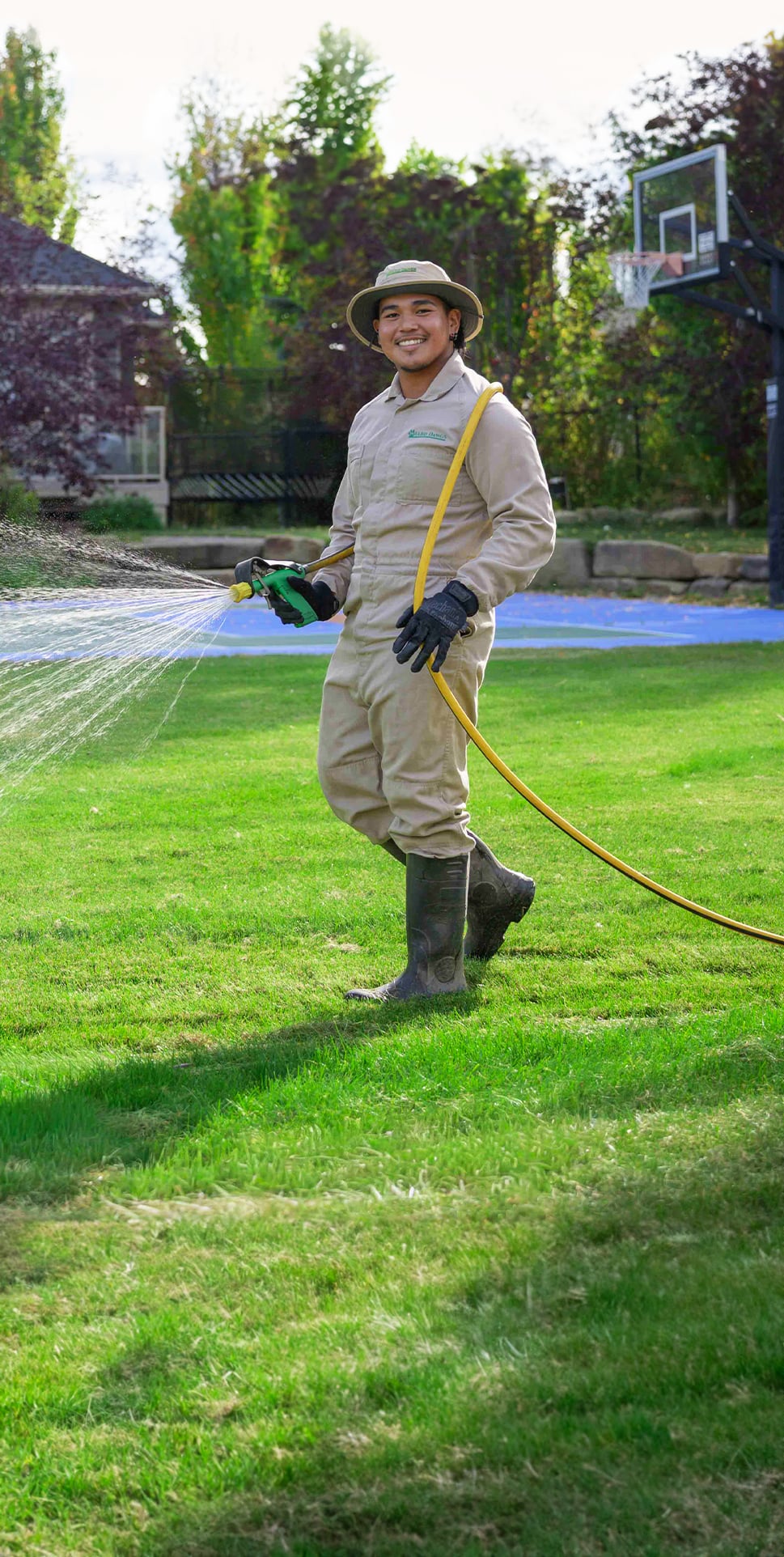








Spring is the season when Calgary lawns wake up from winter dormancy, ready to grow, thicken, and regain their color. But to achieve that lush, vibrant look that lasts through summer, timing and technique matter more than many homeowners realize. Fertilizer is the foundation for strong roots, healthy soil, and grass that can resist weeds and drought all season long.
We’re here to share what actually works when it comes to when to fertilize your lawn in spring and how to do it for the best results.

Limited spots available!
Transform your lawn today

Limited spots available!
Transform your lawn today
Understanding What Happens Beneath the Surface
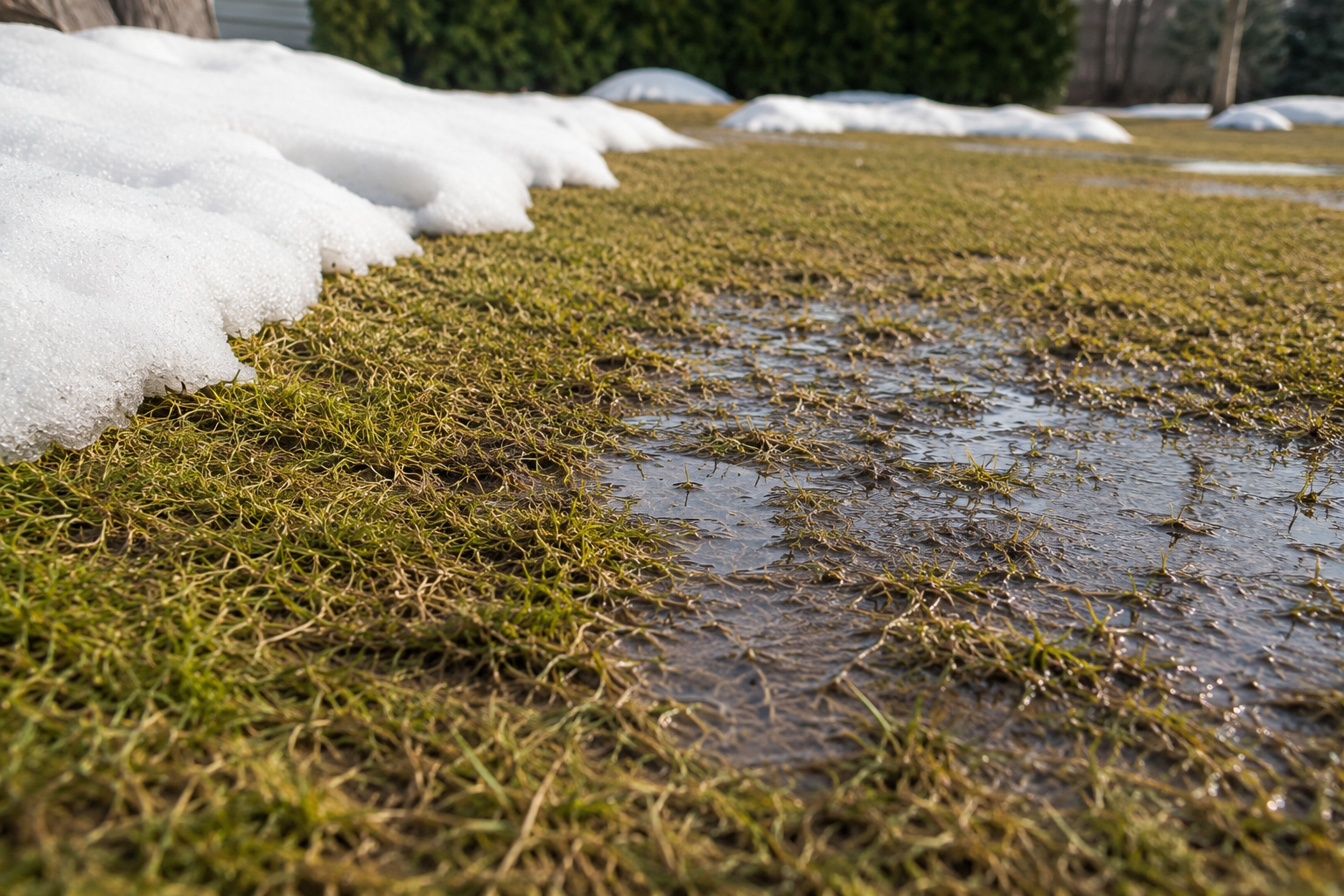
When spring begins, most of the lawn’s activity is happening underground. The grass is using its stored energy to rebuild root systems damaged by winter frost. If you apply fertilizer too early, the nutrients are wasted on top growth before the roots are strong enough to support it. The result? Weak blades, uneven growth, and more opportunities for weeds to move in.
Instead, the ideal time to fertilize your lawn in spring is when your grass is actively growing above and below the soil. In Calgary, this typically happens between late May and early June, just as the lawn turns a vibrant green and needs its first mowing. Fertilizing at this stage supports root recovery while providing the essential nitrogen and micronutrients that promote lasting strength and color.
Cool-season grasses commonly found in Calgary, such as Kentucky bluegrass, perennial ryegrass, and fescue, follow a predictable growth cycle. In early spring, they prioritize root recovery and rebuilding carbohydrate reserves depleted during winter.
As temperatures continue to rise, growth shifts above ground, increasing the lawn's demand for nutrients. Understanding this cycle helps explain why fertilizer timing can dramatically affect lawn performance.
Applying fertilizer too early often encourages excessive leaf growth before the roots are ready to support it. This can create a lawn that looks green temporarily but struggles during summer heat and drought stress.
How to Know Your Lawn Is Ready for Fertilizing
The calendar can be helpful, but your lawn gives better clues than the date ever will. Here are a few reliable signs that it’s time to start fertilizing your lawn in spring:
- The soil has thawed completely — frozen soil prevents nutrients from absorbing properly.
- Grass has started growing again — it should need a light trim before fertilization.
- Daytime temperatures consistently reach above 10°C — a good sign of active root development.
- There’s no heavy rainfall forecasted — fertilizer should be watered in, not washed away.
Applying fertilizer before these conditions are met can cause uneven absorption, runoff, and wasted nutrients. Waiting for the right moment ensures your lawn gets maximum benefit from every treatment.
Soil temperature is often a more reliable indicator than the calendar. Once soil temperatures consistently remain above approximately 10°C, root systems become more active and are better able to absorb nutrients. This is one reason why fertilization schedules can vary slightly from year to year depending on spring weather patterns.
A useful rule of thumb is to wait until your lawn has required at least one mowing before applying fertilizer. This indicates active growth and confirms the lawn is ready to utilize the nutrients effectively.
Choosing the Right Fertilizer for Spring
Not all fertilizers are designed for the same purpose. Selecting the right product is just as important as applying it at the right time.
Slow-Release Fertilizer
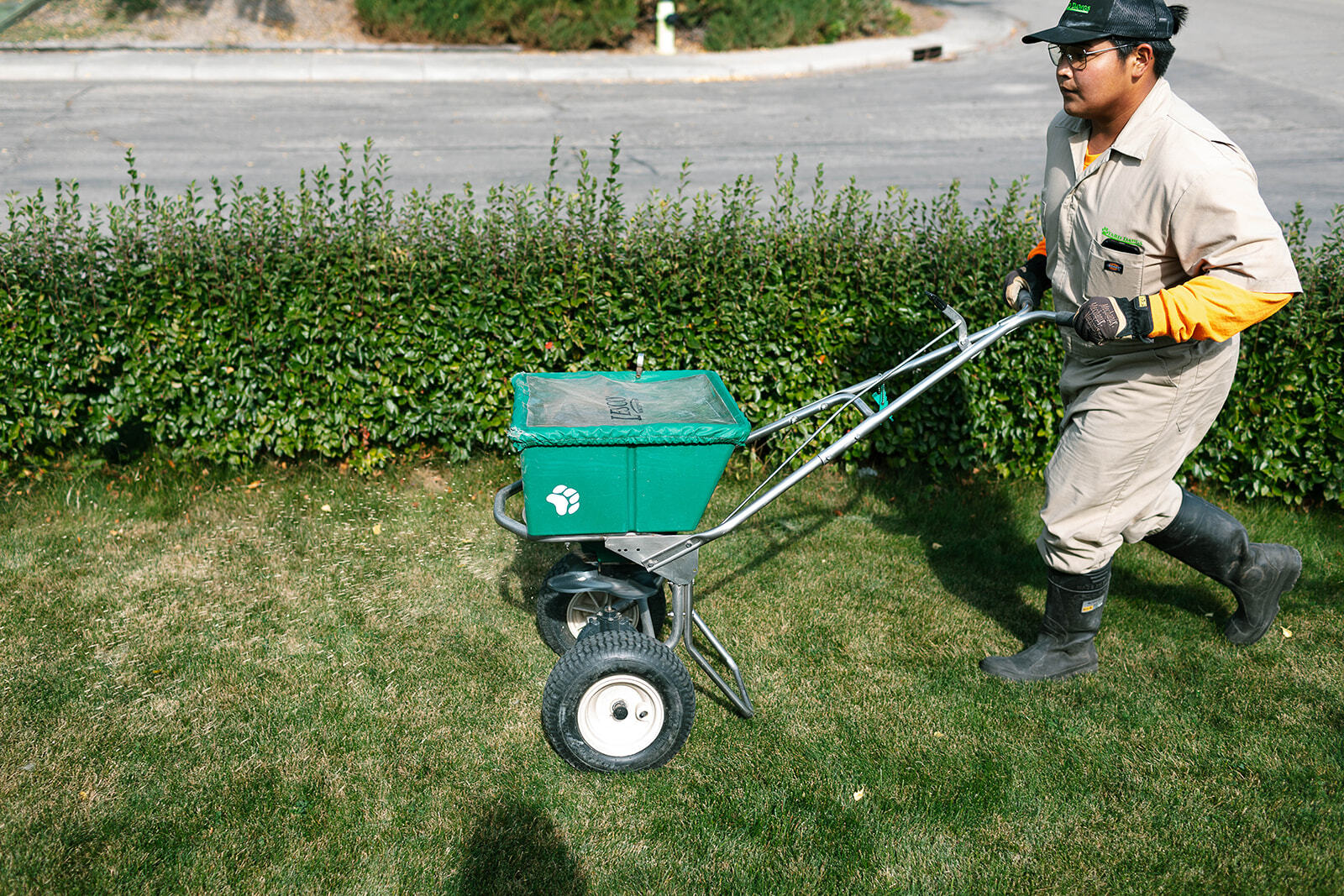
Slow-release fertilizers gradually provide nutrients over several weeks, helping maintain consistent growth and reducing the risk of nutrient loss through runoff or leaching. These products are often ideal for Calgary lawns because they continue feeding grass throughout changing spring conditions.
Liquid Fertilizer
Liquid fertilizers provide faster results and can quickly improve lawn colour. However, their effects are generally shorter-lived than slow-release formulations and may require more frequent applications.
Organic Fertilizer
Organic fertilizers improve soil structure and microbial activity while providing nutrients gradually. Products containing compost, sea kelp, or other organic ingredients can contribute to long-term lawn health beyond immediate growth benefits.
Understanding NPK Ratios
Most lawn fertilizers contain varying levels of nitrogen (N), phosphorus (P), and potassium (K). Nitrogen promotes green growth, phosphorus supports root development, and potassium improves stress tolerance. The ideal ratio depends on your lawn's condition, soil quality, and seasonal needs.

The Role of Professional Fertilization
While many homeowners try store-bought fertilizers, the reality is that one-size-fits-all products rarely work well in Calgary’s challenging environment. That’s why Yard Dawgs provides customized fertilizer treatments tailored specifically to your property’s needs and grass type.
Our premium fertilizer blends contain a balanced mix of nutrients designed to promote healthy growth without overstimulation. We also use super juice and sea kelp applications to enhance soil vitality naturally — boosting microbial activity, improving root strength, and increasing moisture retention. This combination builds resilient grass that can thrive even during dry spells or high foot traffic.
Our fertilizer service includes:
- Professionally timed applications for optimal seasonal impact.
- Slow-release nutrients that feed your lawn gradually over several weeks.
- Safe, environmentally responsible formulas suited for Calgary’s soil.
Every treatment is backed by our satisfaction guarantee. We’ll continue treating your lawn until it’s flawless.
Complementing Fertilization with Aeration and Seeding
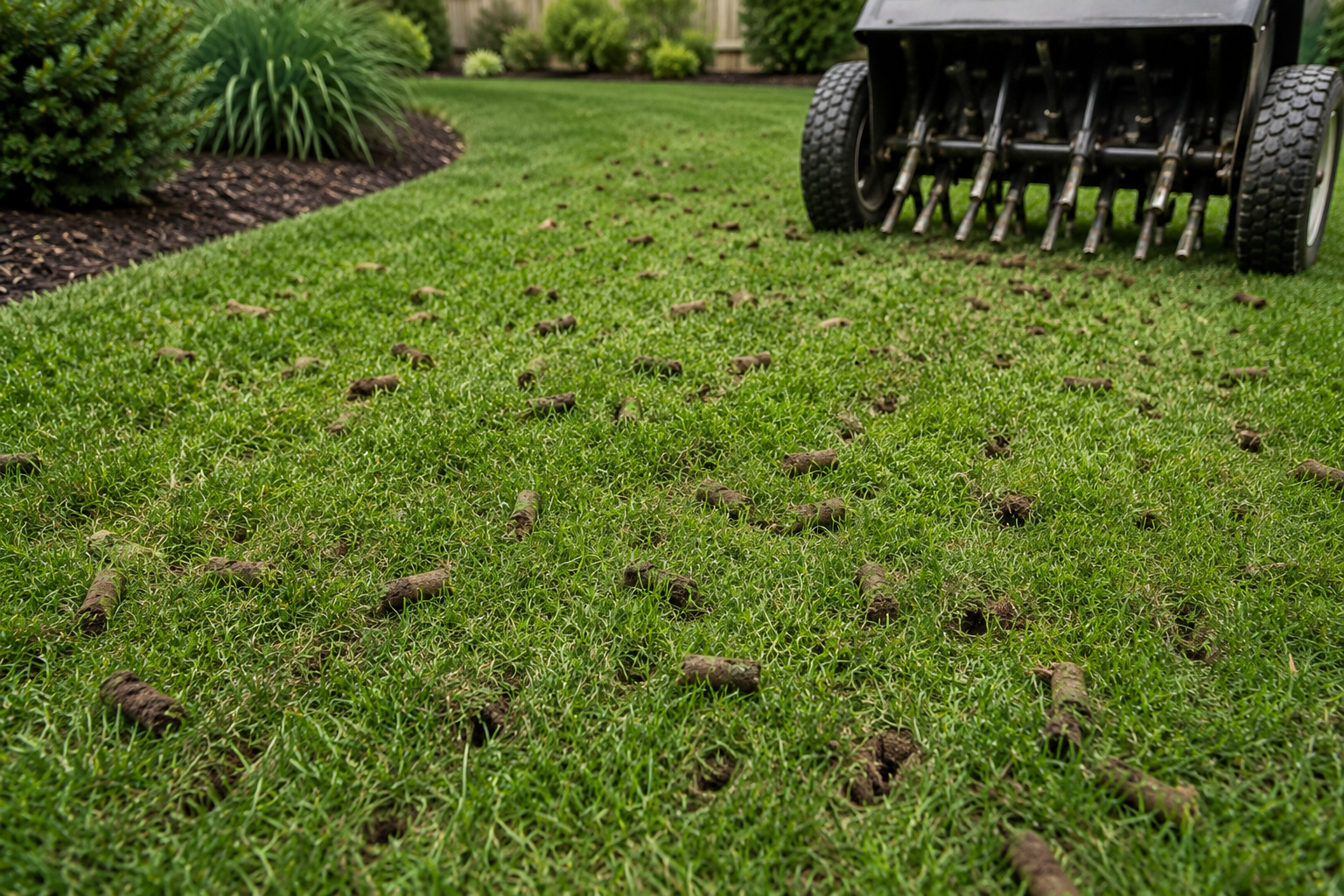
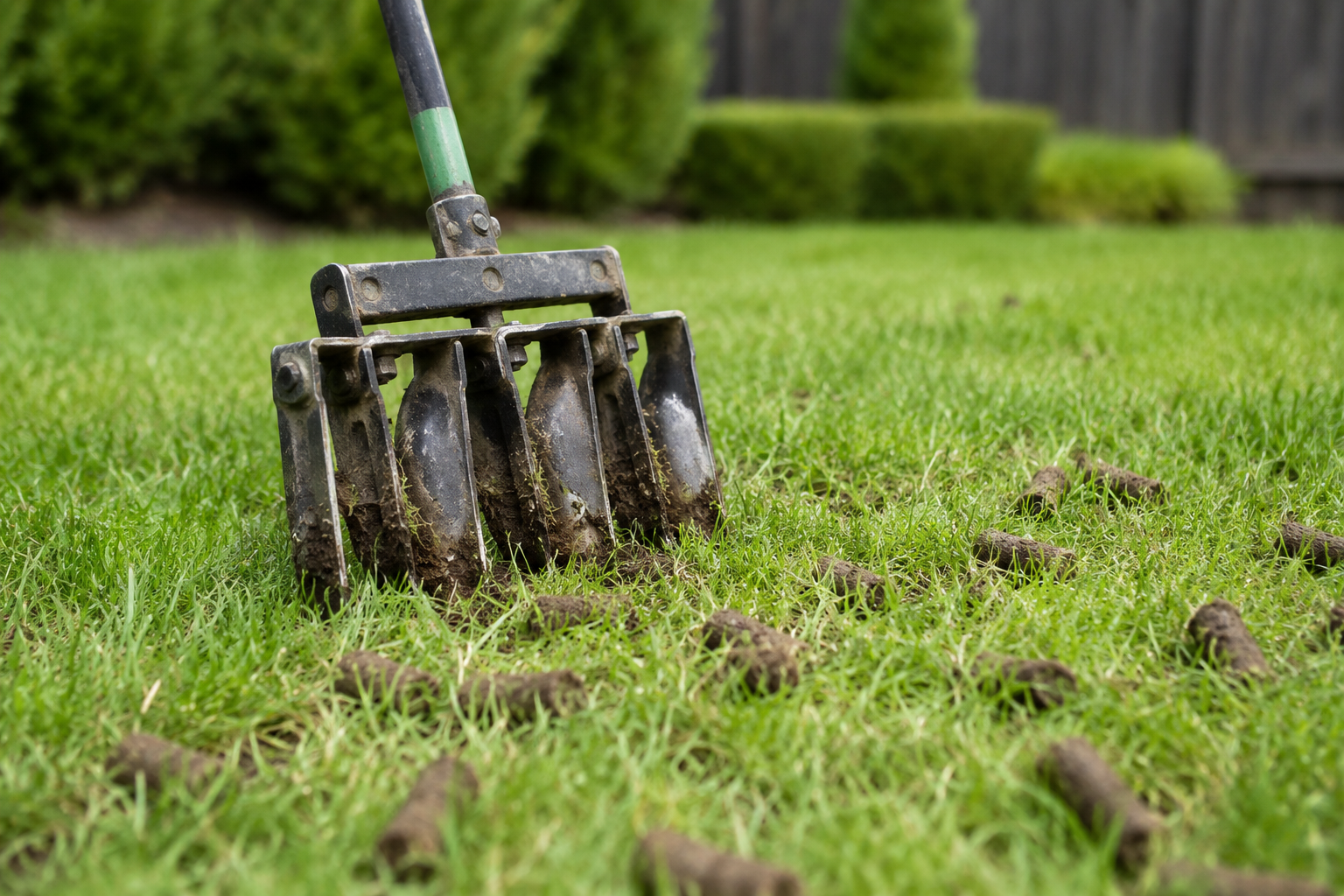
A successful fertilizer plan doesn’t stop with nutrients alone. For lawns to fully absorb fertilizer and grow evenly, the soil must be open and breathable. That’s why mechanical aeration and liquid aeration are such valuable spring services.
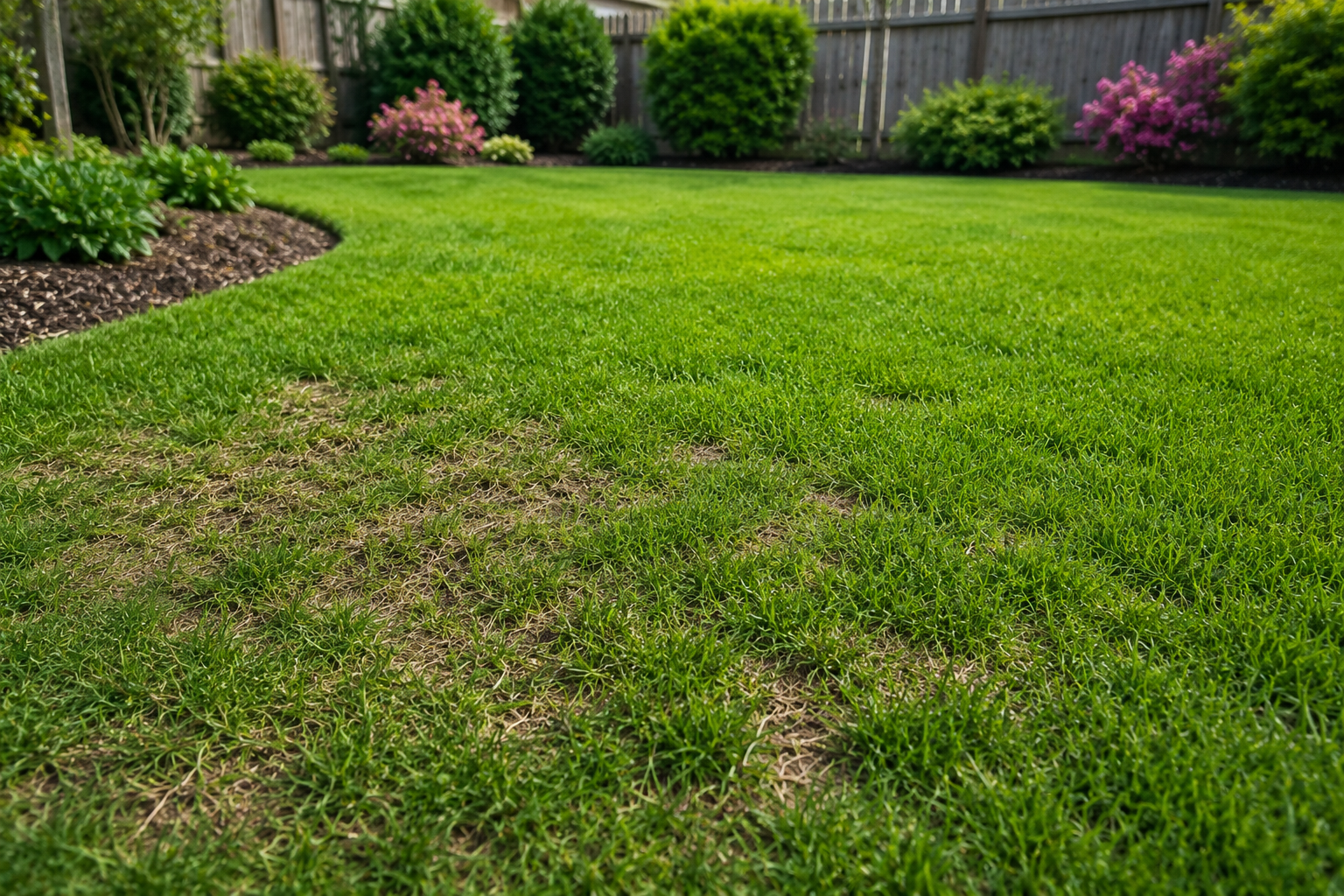
If your lawn has thin or bare areas from winter damage, our aeration plus service can be paired with fertilization. By placing new seed directly into the soil, we help fill gaps quickly, creating thicker turf that naturally resists weeds and drought stress.
Core aeration reduces soil compaction and improves oxygen movement within the root zone. When combined with fertilization, nutrients can penetrate more effectively, encouraging deeper root development and healthier turf.
Overseeding alongside fertilization is especially beneficial for lawns with thinning areas, winter damage, or heavy foot traffic. New seedlings establish more successfully when nutrients are readily available during germination and early growth.
Avoiding Common Fertilization Mistakes
Timing isn’t the only factor that determines success. Even well-intentioned homeowners sometimes make mistakes that can set their lawn back instead of helping it. Here are a few key points to remember:
- Don’t over-fertilize: More isn’t better. Too much fertilizer can burn your grass, cause rapid top growth, and lead to nutrient leaching.
- Avoid fertilizing before heavy rain: Excess water will wash away nutrients before the soil can absorb them.
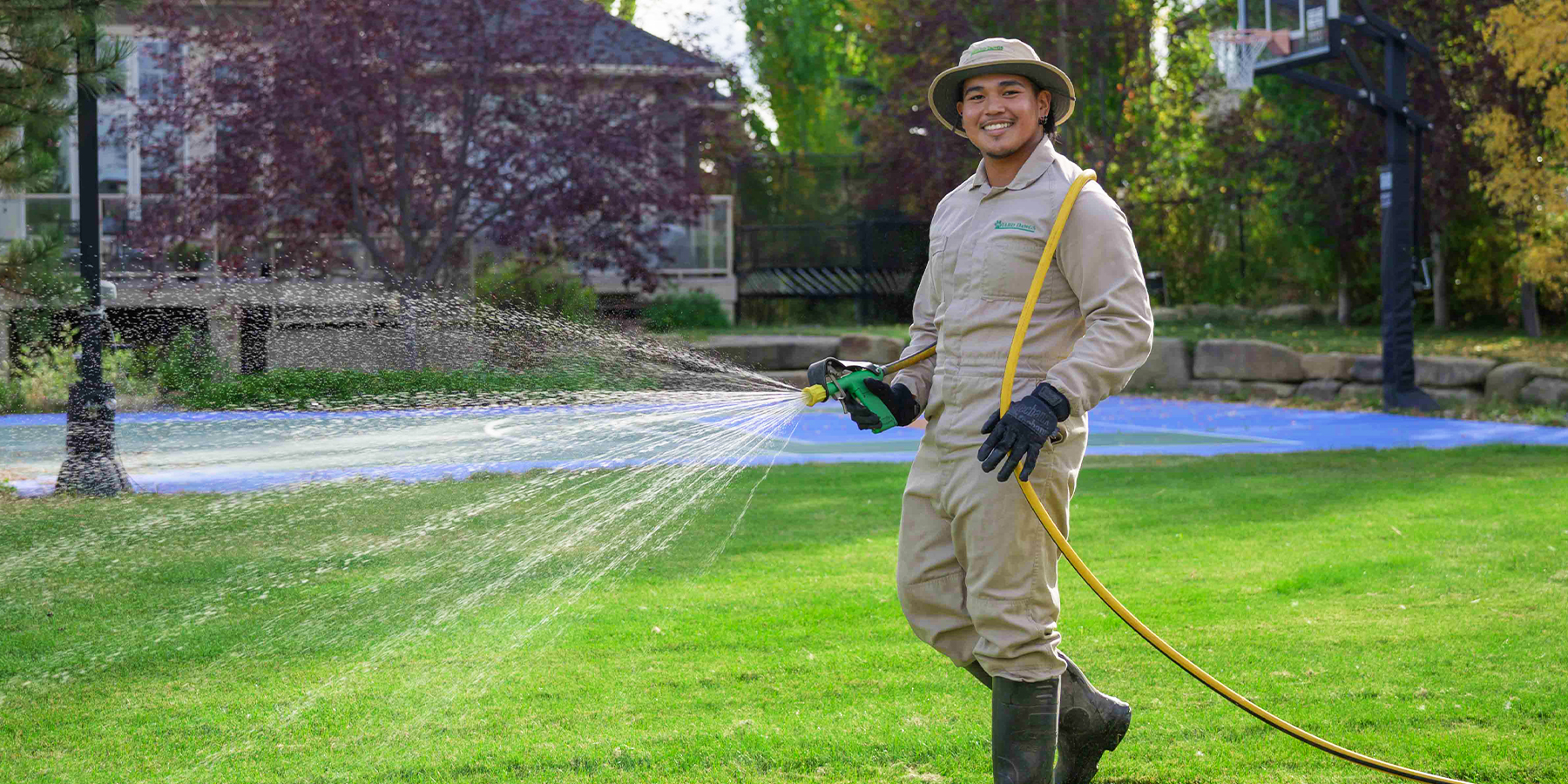
- Water properly afterward: Light watering after application helps activate the fertilizer and move nutrients to the roots.
- Be consistent: Skipping seasonal treatments makes it harder for your lawn to maintain steady growth.
- Do not apply fertilizer to dormant or stressed grass: If a lawn is struggling from drought, disease, or severe compaction, correcting those underlying issues may be necessary before fertilizer can deliver meaningful results.
- Darker green grass not always indicates a healthier lawn: Excessive nitrogen can create rapid top growth that increases mowing requirements and leaves grass more vulnerable to environmental stress.
Professional lawn care teams like Yard Dawgs handle these details for you, so your fertilizer always works efficiently and safely.
Why Calgary Lawns Need a Specialized Approach
Calgary’s unique climate brings both advantages and challenges for lawn care. Our cool-season grasses thrive in moderate temperatures, but fluctuating weather and periods of drought can make it difficult for them to stay green all season. Fertilizing at the wrong time or using the wrong formula can actually make these problems worse.
That is why we tailor every spring fertilization plan to local soil and weather conditions through thoughtful lawn care Calgary expertise. The fertilizers we choose support steady, balanced growth and help prevent the weak, fast growing blades that can follow early or excessive feeding.
Our team’s local expertise means you don’t have to guess. We know exactly when your lawn is ready and what it needs to thrive.
Calgary homeowners also contend with Chinook weather patterns, late spring snowfalls, dry summers, and significant temperature swings. These conditions can affect soil temperatures and influence the ideal fertilization window each year. A flexible approach based on actual lawn conditions often produces better results than relying solely on fixed calendar dates.
Maintaining Healthy Growth Beyond Spring
Fertilizing your lawn in spring lays the groundwork, but continued care ensures that success lasts. After your spring fertilization, consistent maintenance will keep your lawn healthy throughout summer and fall. Here’s how we help maintain long-term results:
- Seasonal fertilization to replenish nutrients depleted by growth and weather.
- Hardscape weed control to stop invasive plants from creeping into lawn edges.
- Chinch bug treatments to prevent summer damage that can weaken turf.
With Yard Dawgs, your lawn is monitored and adjusted as the season progresses. You’ll always have a dedicated support team ready to answer questions or make adjustments based on your property’s unique conditions.
A Seasonal Fertilization Strategy
Many healthy Calgary lawns benefit from multiple fertilizer applications throughout the growing season. While spring fertilization supports early growth, late spring applications help prepare grass for summer stress, and fall applications encourage root development and nutrient storage before winter dormancy.
|
Season |
Primary Goal |
|
Late Spring |
Support active growth and root development |
|
Early Summer |
Maintain colour and stress resistance |
|
Late Summer/Early Fall |
Recover from summer stress |
|
Fall |
Strengthen roots and prepare for winter |
Frequently Asked Questions About Spring Lawn Fertilization
Should I fertilize before or after rain?
Light watering after fertilization is beneficial, but applying fertilizer immediately before a heavy rainstorm can result in nutrient runoff and reduced effectiveness.
Can I fertilize and overseed at the same time?
Yes. In many cases, fertilization and overseeding work exceptionally well together because new seedlings benefit from readily available nutrients during establishment.
How long should I wait to mow after fertilizing?
If possible, allow fertilizer to be watered in first. After that, normal mowing can typically continue as needed, provided the lawn is healthy and actively growing.
What happens if I apply too much fertilizer?
Excess fertilizer can cause fertilizer burn, rapid top growth, shallow rooting, and nutrient runoff. Following recommended application rates is essential
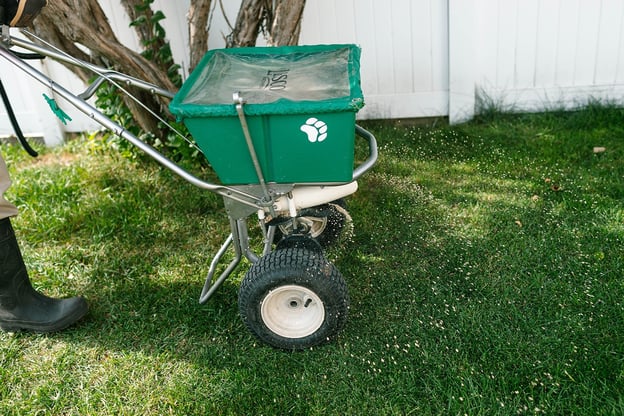
The Yard Dawgs Promise
We believe your lawn deserves a lasting transformation. When you choose Yard Dawgs, you’re choosing continuous service, expert care, and guaranteed results. If you’re ready to fertilize your lawn in spring for stronger roots, greener grass, and a healthier landscape, our Calgary team is here to help. With a combination of premium fertilizers, expert timing, and year-round support, we’ll make sure your lawn looks its absolute best. Because when it comes to your yard, we don’t just promise perfection. We guarantee it.