






Spring thaw might look harmless, snow melts, grass starts peeking through, everything feels like it’s coming back to life. But beneath that surface, your lawn is in one of its most fragile states of the entire year.
As frozen soil begins to soften, it turns unstable, saturated, and extremely sensitive to pressure. At the same time, your grass is just beginning to wake up from dormancy, with weak roots and limited energy reserves. This combination creates a narrow window where even small mistakes, like walking across the lawn too often or ignoring soil conditions, can cause long-term damage.
If you want a lawn that actually thrives later in the season, protecting it during thaw isn’t optional. It’s the first real step in setting up everything that follows.

Limited spots available!
Transform your lawn today

Limited spots available!
Transform your lawn today
Why Spring Thaw Is the Most Overlooked Risk to Your Lawn
Most lawn problems don’t start in summer, they start right now.
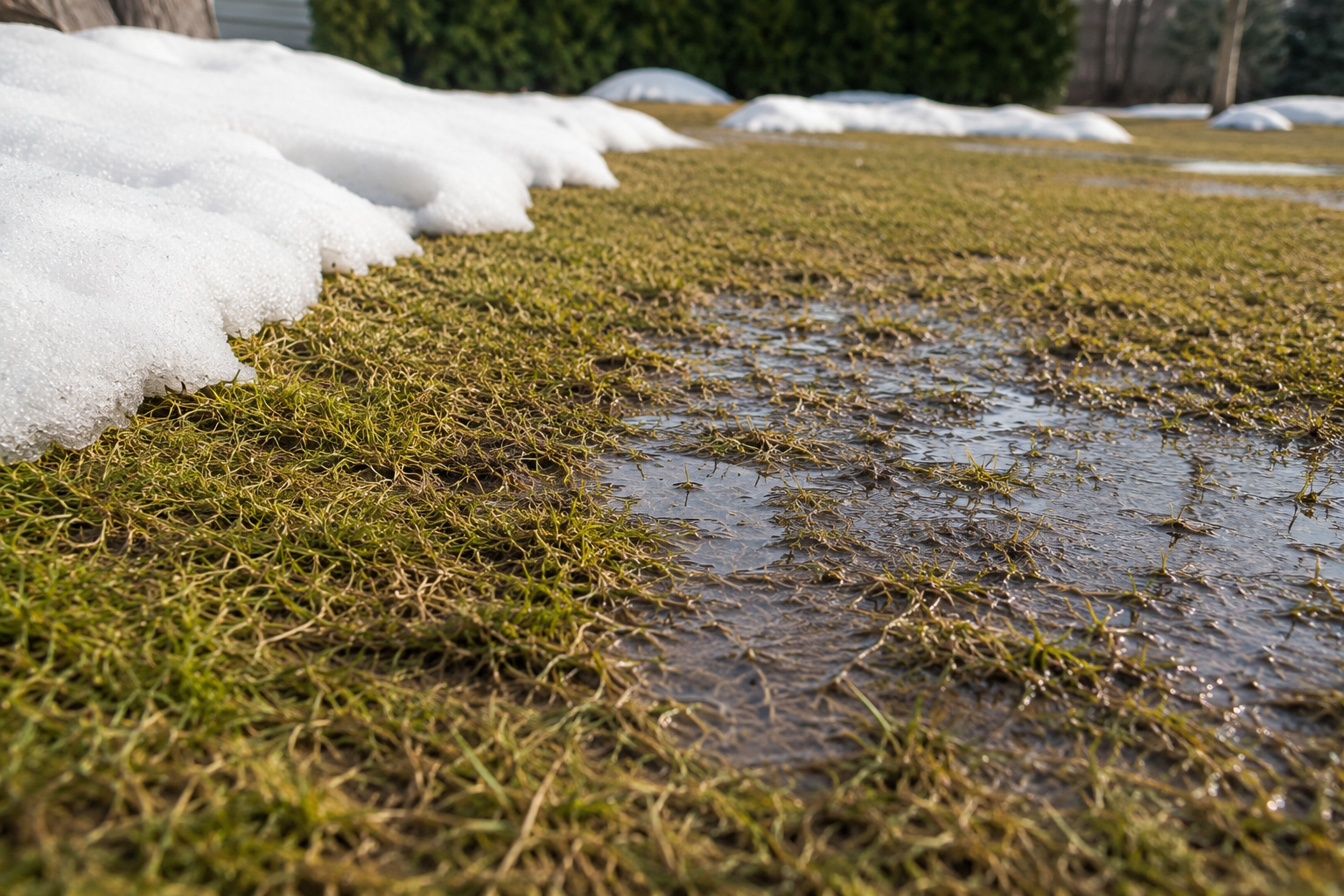
During thaw, water from melting snow saturates the soil, often faster than it can drain. This creates soft, muddy conditions where soil particles shift easily, compress under weight, and lose structure. Once compacted, that soil becomes much harder for roots to penetrate and for oxygen to circulate.
At the same time, your grass is trying to restart growth. But instead of expanding, it’s dealing with:
- limited airflow in the root zone
- inconsistent moisture levels
- early competition from weeds
- weakened resilience after winter stress
This is why lawns that look “fine” in early spring can quickly become thin, uneven, and weed-prone just weeks later. The damage was already done during thaw, you just didn’t see it yet.
Understanding this phase is essential if you want to protect your lawn instead of constantly fixing it.
The Real Goal: Stabilize, Strengthen, and Prepare
Protecting your lawn during spring thaw is about doing the right things at the right time.
Instead of rushing into aggressive treatments or heavy activity, the focus should be on:
- preserving soil structure
- supporting early root recovery
- preventing unnecessary stress
- preparing the lawn for active growth
That shift in approach is what separates lawns that recover quickly from those that struggle all season.
Step 1: Minimize Stress While the Soil Is Vulnerable
One of the most common, and costly, mistakes during thaw is treating your lawn like it’s ready for use.
When soil is saturated, even light foot traffic can compress it. This reduces pore space, limiting oxygen and water movement, and ultimately restricting root development. You might not notice it immediately, but compacted areas often show up later as thin patches, poor growth, or persistent weed invasion.
During this phase, it’s important to:
- Avoid unnecessary walking on the lawn, especially in visibly soft areas
- Keep equipment and heavy objects off the grass
- Be mindful of high-traffic zones that may need extra attention later
Giving your lawn time to stabilize prevents damage that would otherwise require much more effort to correct.
Step 2: Rebuild Soil Structure Before Growth Accelerates
As conditions begin to dry and stabilize, attention shifts below the surface.
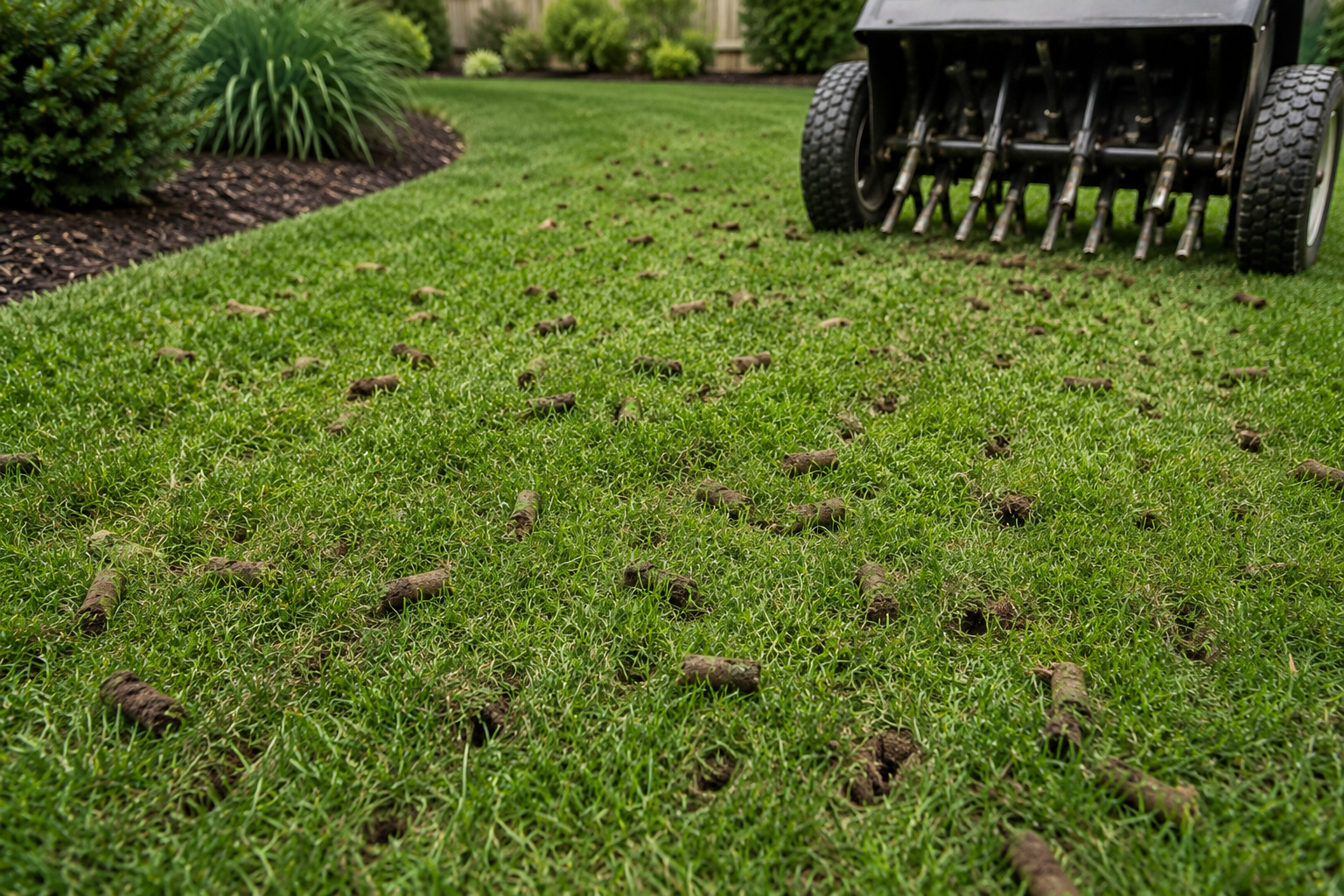
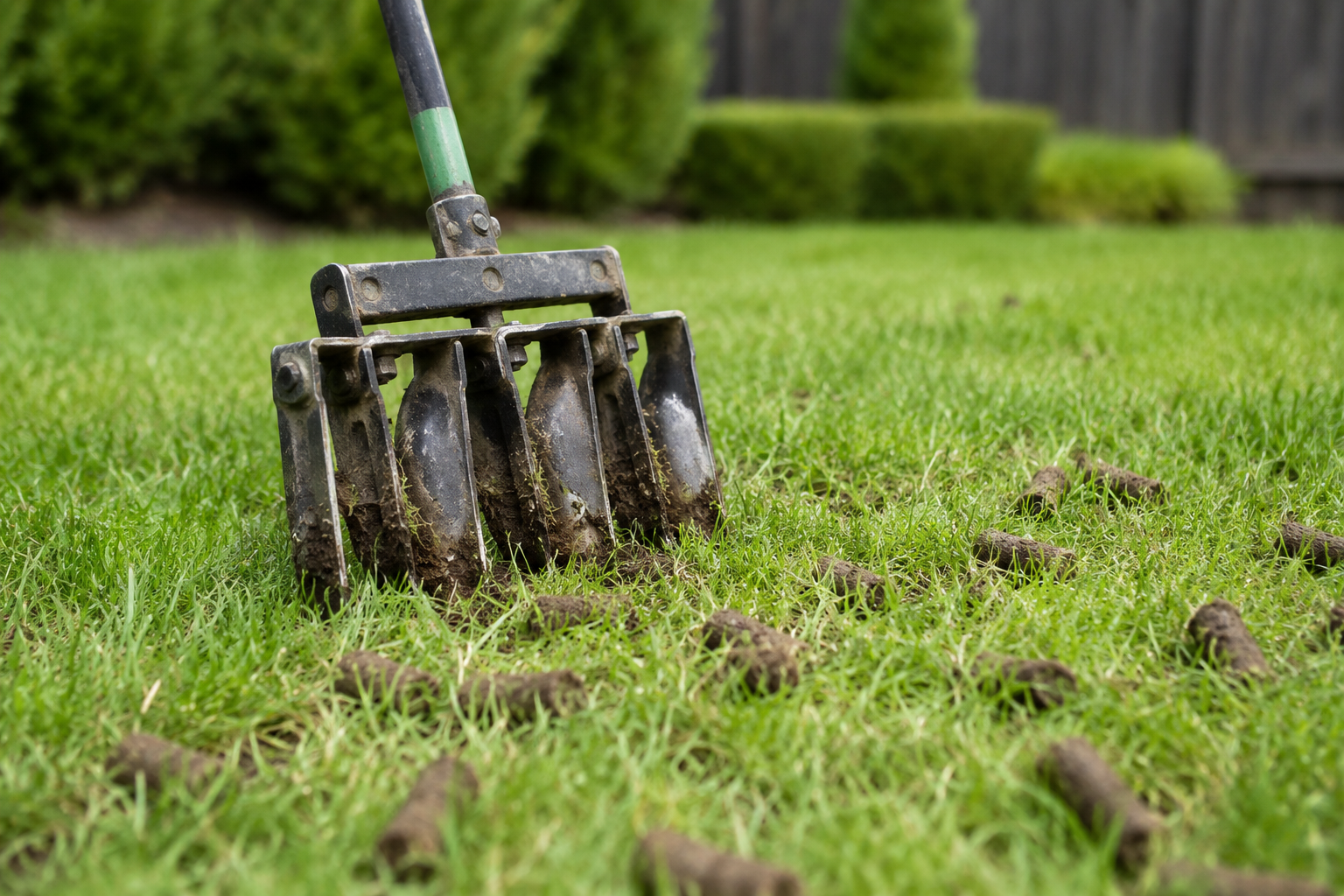
After winter and thaw, soil often lacks the structure needed to support healthy growth. This is where mechanical aeration becomes essential. By removing small plugs of soil, it relieves compaction and creates pathways for air, water, and nutrients to reach the roots.
But surface-level improvement isn’t always enough. That’s where liquid aeration adds another layer of support. It works at a finer level, helping break apart compacted particles and improve soil consistency over time.
When combined, these treatments don’t just “fix” soil, they reset it. They create the kind of environment where roots can expand freely, which directly impacts how your lawn performs throughout the season.
Step 3: Strengthen Early Growth With Targeted Nutrition
Once the soil is ready, your lawn needs the right kind of support to recover from winter stress and transition into active growth.
This is where a thoughtful fertilization strategy comes in.
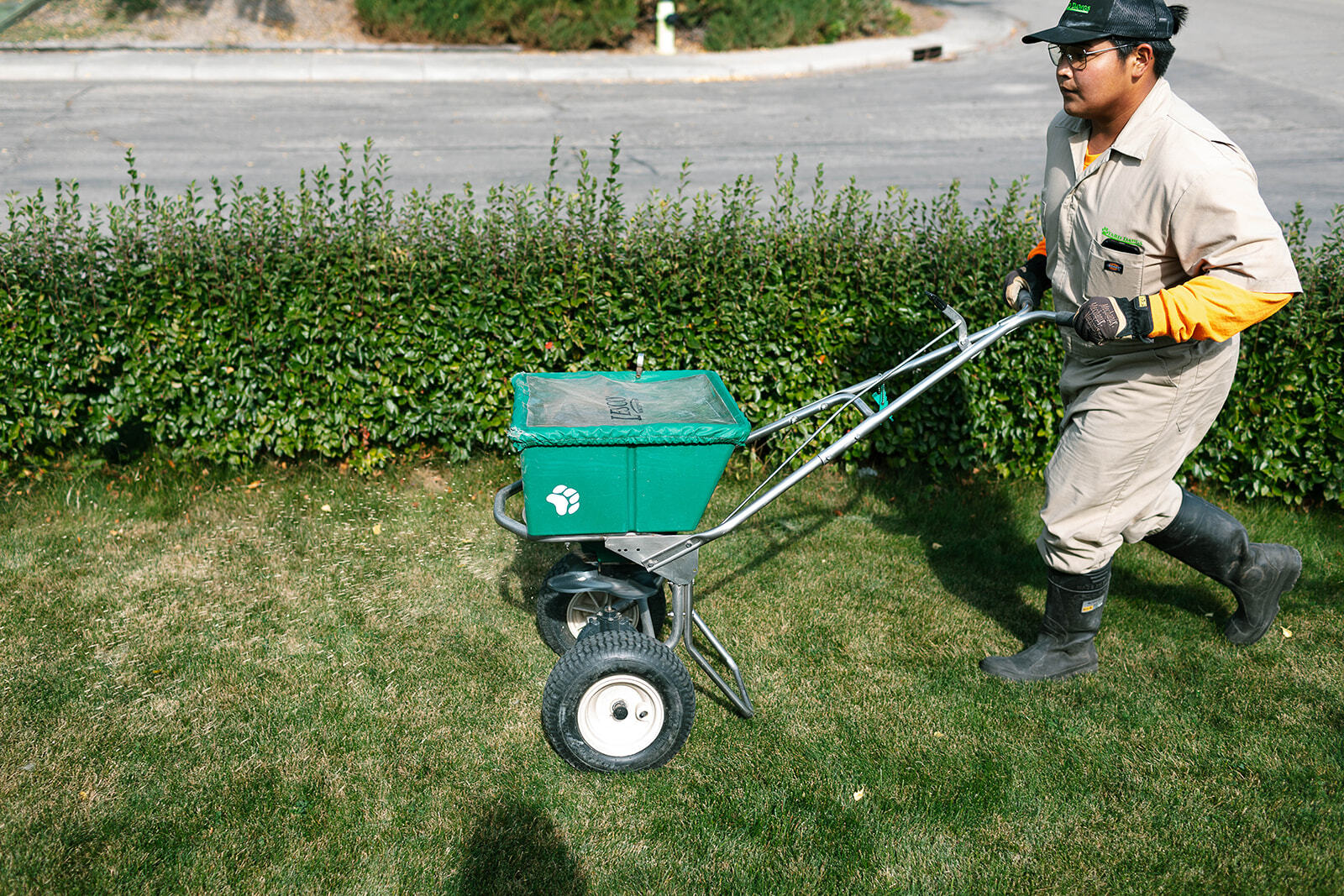
A properly timed fertilizer application helps replenish essential nutrients that were depleted over winter. But more importantly, it supports root development before top growth becomes the priority. Strong roots are what allow your lawn to handle heat, drought, and foot traffic later on.
To enhance this process, lawn treatments like sea kelp and Super Juice can be introduced. Sea kelp naturally stimulates root growth and improves stress tolerance, helping your lawn adapt more effectively to changing conditions. Super Juice supports soil biology, increasing microbial activity and improving nutrient availability.
This combination creates a more resilient foundation, not just greener grass, but healthier turf overall.
Step 4: Stay Ahead of Weeds Before They Take Advantage
Spring thaw creates ideal conditions not just for your lawn, but for weeds as well.
In fact, weeds often establish faster because they thrive in disturbed, weakened soil. If your lawn is thin or stressed, they move in quickly and begin competing for the same resources your grass needs.
Early weed control is key to preventing this.
Instead of waiting until weeds are visible and widespread, proactive treatment targets them before they fully establish. This reduces competition during a critical growth phase, giving your lawn a better chance to fill in naturally.
Don’t overlook areas beyond the lawn either. Hardscape weed control for driveways, patios, and walkways helps prevent weeds from spreading back into your turf, which is a common but often ignored issue.
Step 5: Repair Damage Before It Gets Worse
Even with the best care, some areas of your lawn may come out of winter weaker than others.
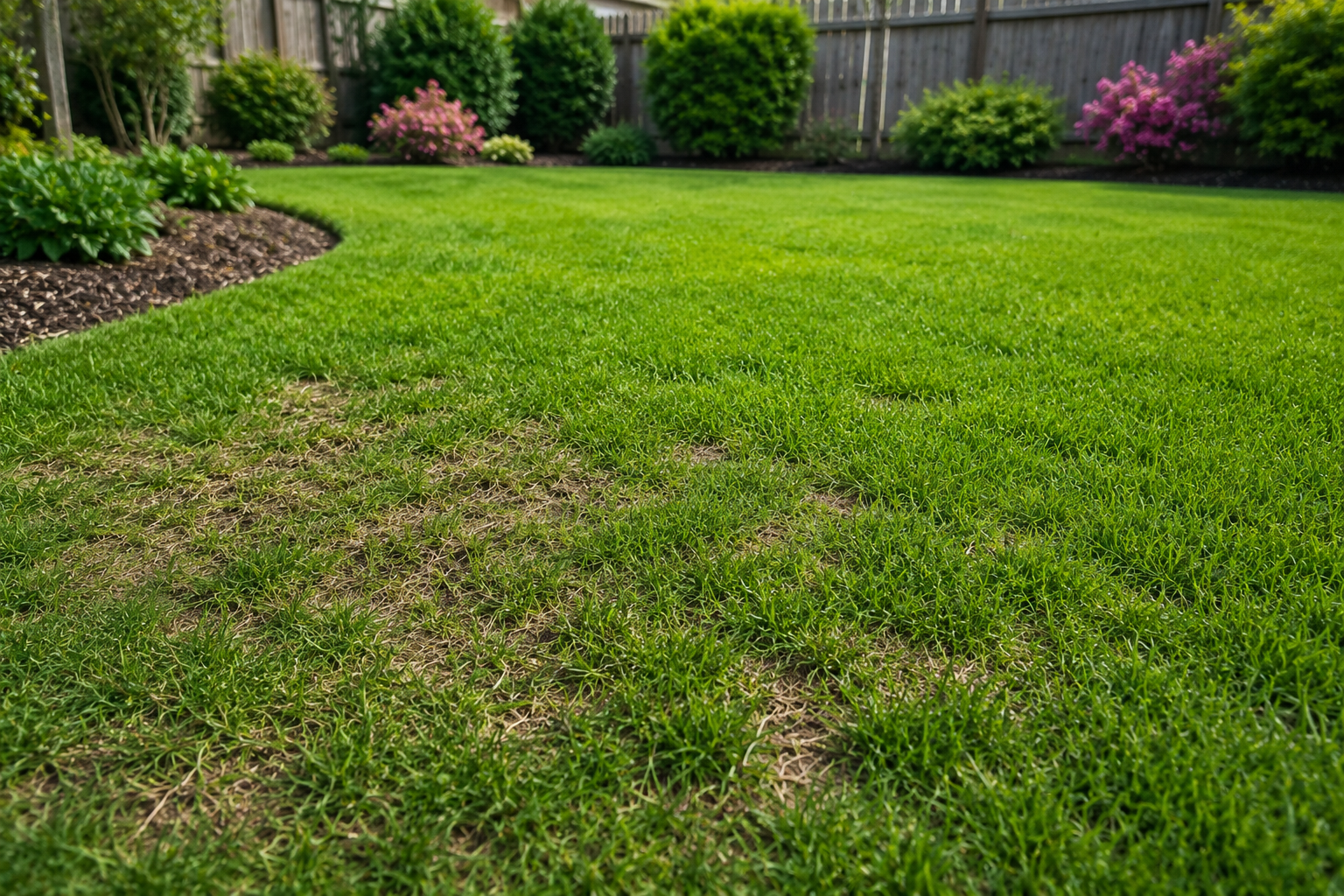
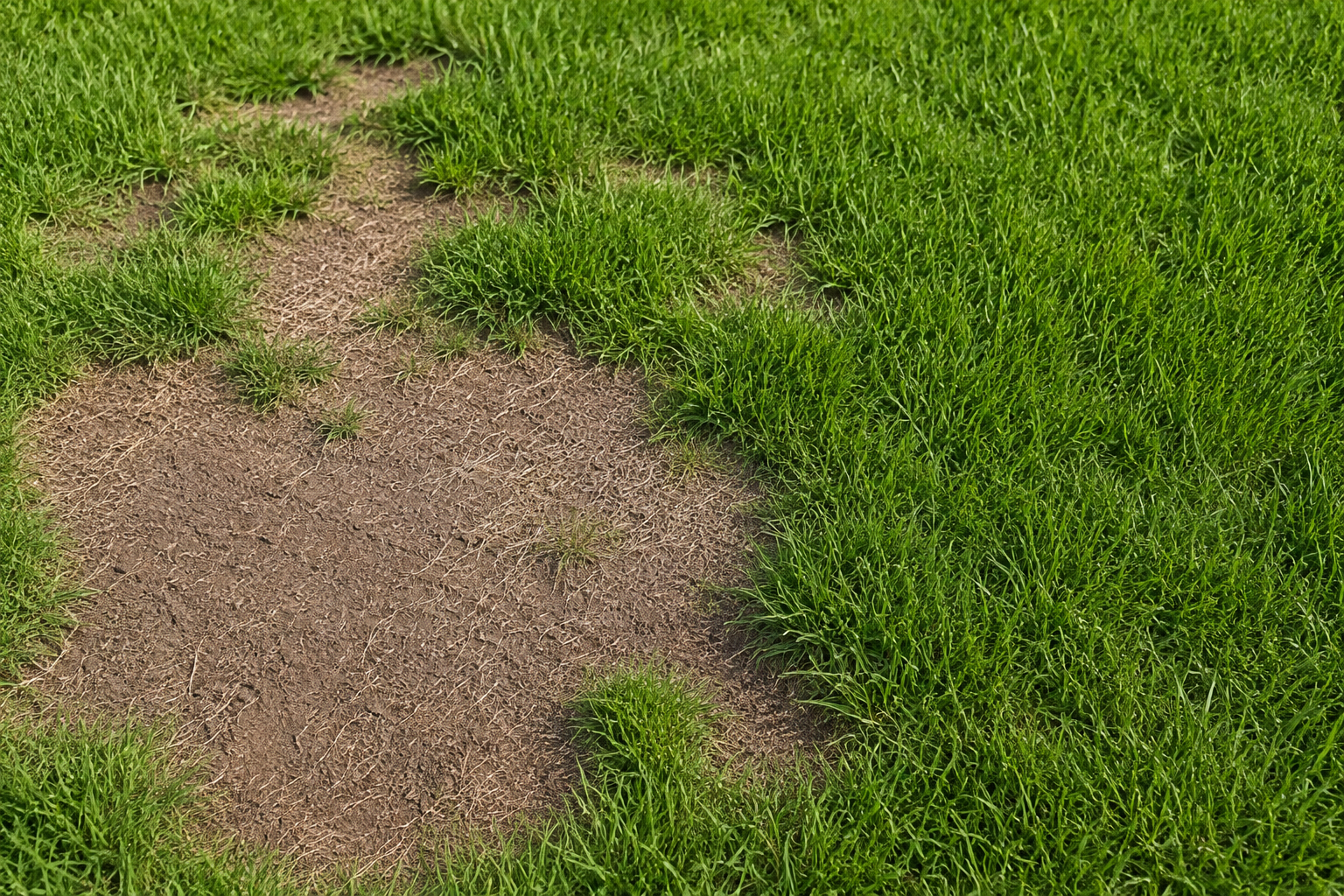
Thin patches, bare spots, and uneven growth are common after thaw. But timing matters, addressing these issues early allows your lawn to recover faster and more evenly.
Slit-seeding is one of the most effective ways to repair these areas. By placing seed directly into the soil through precise cuts, it improves seed-to-soil contact and increases germination success. This leads to stronger, more uniform growth compared to traditional overseeding methods.
Over time, this not only improves appearance but also increases overall lawn density, which naturally reduces weed pressure.
Step 6: Watch for Early Signs of Pest Activity
While many homeowners focus on visible issues like weeds or patchiness, pests can quietly cause damage long before they’re noticed.
Chinch bugs, for example, feed on grass and weaken it from the inside out. During spring, monitoring for early signs of activity allows for faster intervention and prevents more extensive damage later.
Healthy lawns are not just grown, they’re protected. And early awareness is a big part of that.
What a Smart Spring Thaw Protection Plan Includes
When you bring all these elements together, protecting your lawn during thaw becomes a structured, intentional process rather than a series of random actions.
A complete approach typically involves:
- Reducing stress and avoiding unnecessary traffic during wet conditions
- Improving soil health through mechanical and liquid aeration
- Supporting recovery with fertilizer, sea kelp, and Super Juice
- Preventing weed establishment early, including hardscape areas
- Repairing weak spots with slit-seeding
- Monitoring and managing pest risks like chinch bugs
Each step builds on the previous one, creating momentum that carries your lawn into a strong growing season.
Why Homeowners Choose Ongoing Lawn Care Services
The challenge with spring thaw isn’t knowing what to do, it’s knowing exactly when to do it.
Conditions change quickly. Soil dries at different rates. Growth patterns vary depending on weather. Missing the right window by even a week or two can reduce the effectiveness of your efforts.
That’s why many homeowners turn to professional lawn care services.
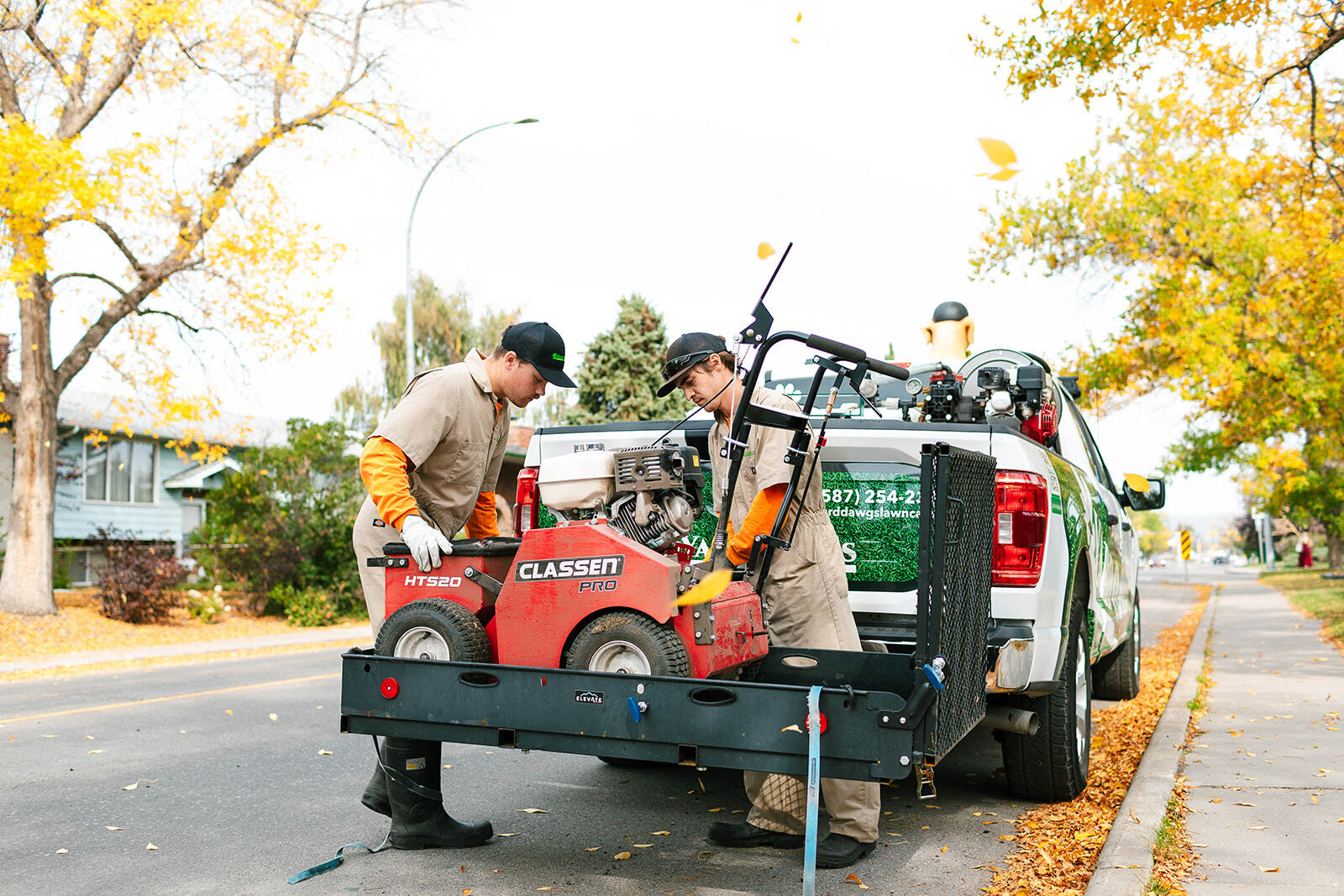
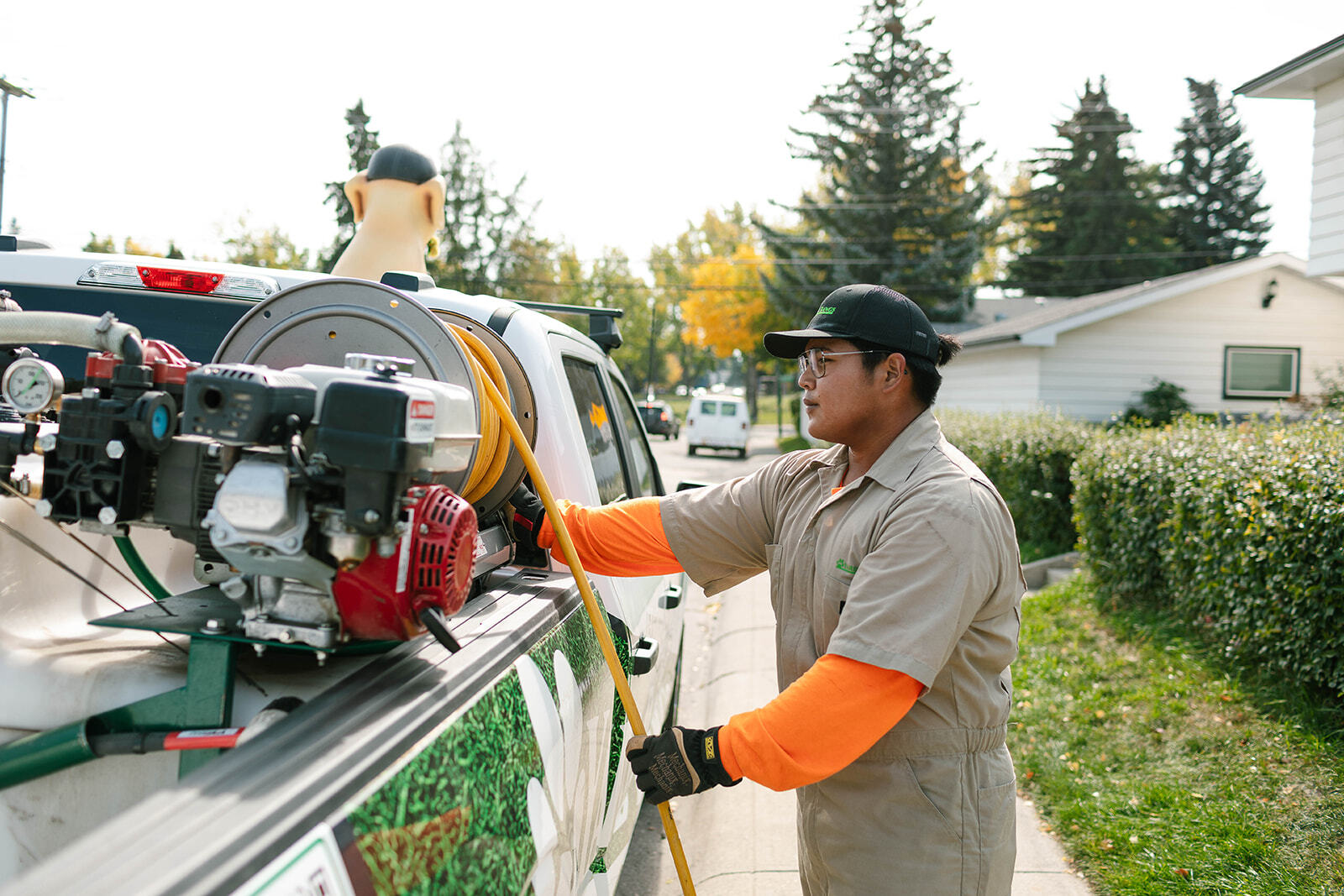
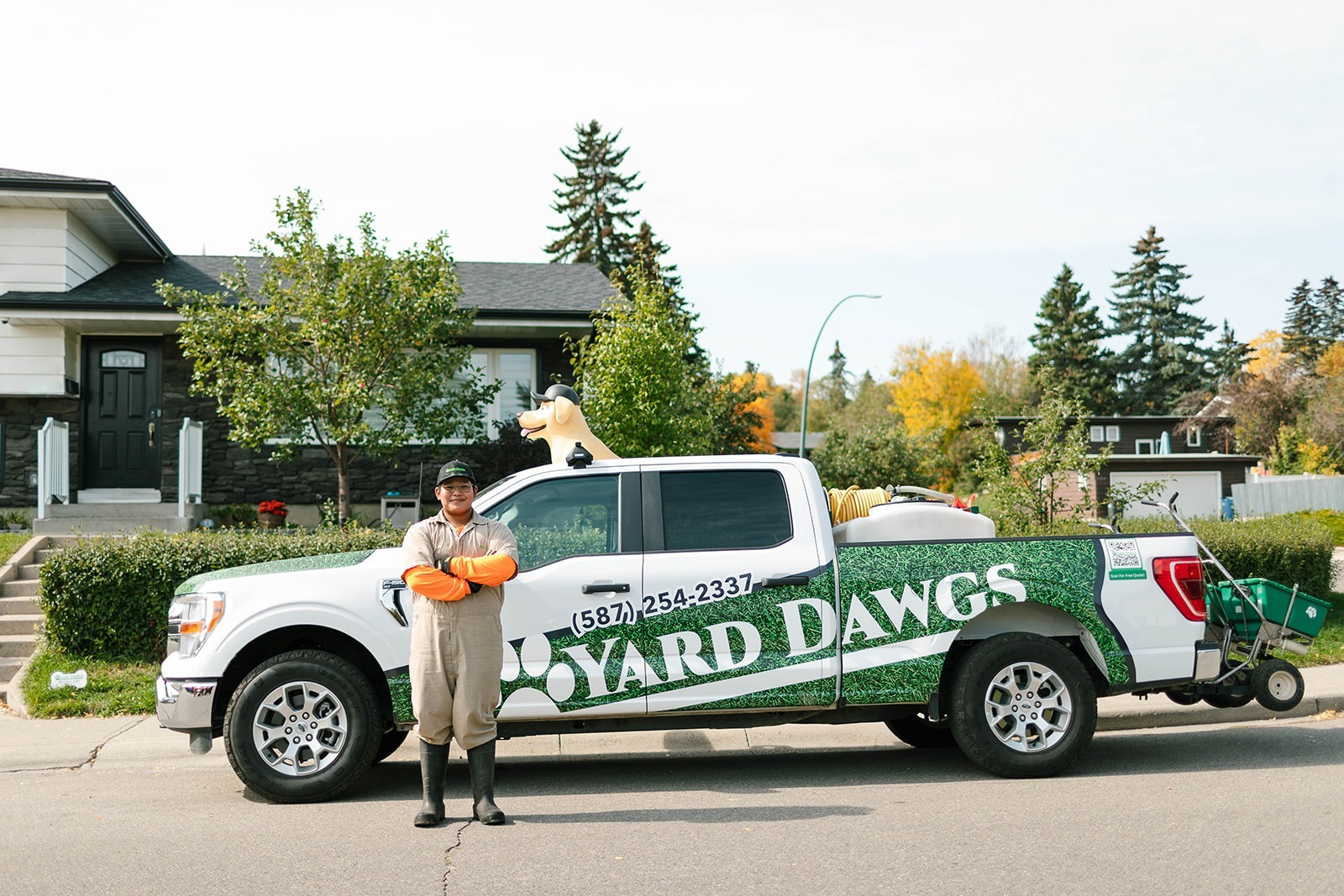
With Yard Dawgs, the approach is structured and consistent. The same team works on your property, understands its history, and adjusts treatments based on real conditions, not assumptions. If something needs to change, it’s handled quickly, without you having to figure it out on your own.
And because the service continues throughout the season, your lawn is supported every step of the way.
Protect Now, Enjoy Later
It’s easy to think of spring lawn care as something that starts when everything turns green.
But in reality, the groundwork is laid much earlier, during the messy, unpredictable weeks of thaw.
Protecting your lawn at this stage means fewer problems later. Stronger roots. Better density. Less weed pressure. More consistent growth.
And most importantly, it means your lawn improves.
Spring Thaw Is Where Great Lawns Begin
If there’s one takeaway, it’s this: the condition of your lawn in summer is heavily influenced by what happens during spring thaw.
Handle this phase with care, and everything else becomes easier.
Rush it, ignore it, or treat it like any other time of year, and you’ll spend the rest of the season trying to catch up.
With the right approach, and the right support from teams like Yard Dawgs, your lawn gets exactly what it needs, exactly when it needs it.