






Timing is everything when it comes to lawn fertilization. Apply it too soon or too late, and you risk wasting nutrients or even damaging your grass.
One common question homeowners ask is whether to fertilize before or after rain. While both options have pros and cons, the right choice depends on factors like rainfall intensity, soil condition, and fertilizer type. Let’s break down the best approach to maximize effectiveness and keep your lawn thriving.

Limited spots available!
Transform your lawn today

Limited spots available!
Transform your lawn today
Benefits of Lawn Fertilization
Regular fertilization is essential for maintaining a lush, green lawn. It provides your grass with vital nutrients, promoting strong growth and resilience against environmental stress. Here are the key benefits of proper lawn fertilization and how it helps your yard thrive.
Encourages Healthy Grass Growth
A well-fertilized lawn grows thick and strong, creating a vibrant outdoor space.
- Supplies essential nutrients like nitrogen, phosphorus, and potassium for balanced growth
- Helps grass develop deep roots, making it more resilient to drought and foot traffic
- Promotes uniform growth, preventing patchy or thin areas.
Improves Resistance to Weeds and Pests
Healthy grass naturally fends off invasive weeds and harmful pests.
- Dense turf leaves less room for weeds to take root and spread
- Stronger grass can better withstand insect damage and disease
- Reduces the need for herbicides and pesticides, keeping your lawn safer.
Enhances Drought and Heat Tolerance
Fertilization strengthens your lawn’s ability to endure extreme weather conditions.
- Encourages deep root growth, helping grass access moisture during dry periods
- Boosts the plant’s natural ability to retain water and withstand heat stress
- Reduces the risk of brown patches and thinning during hot summer months.
Speeds Up Lawn Recovery
A fertilized lawn recovers faster from damage caused by foot traffic, weather, or pests.
- Provides nutrients that aid in rapid regrowth after stress or injury
- Supports thick, lush grass that fills in bare spots quickly
- Helps maintain overall lawn health, reducing long-term maintenance efforts.
Improves Lawn Appearance and Curb Appeal
A well-fed lawn looks greener, thicker, and more vibrant throughout the season.
- Enhances the rich green color that makes your lawn visually appealing
- Creates a softer, more comfortable surface for outdoor activities
- Increases property value by boosting overall curb appeal.
How Rain Affects Lawn Fertilizer
Understanding what actually happens to fertilizer once it meets rainwater helps explain why timing matters so much:
- Dissolving: granular fertilizer needs moisture to break down before it can be used by the grass. Rain (or watering) dissolves the granules, turning solid nutrients into a form the soil can absorb.
- Moving into the soil: once dissolved, fertilizer moves downward through the soil profile, carried by water as it drains.
- Reaching the root zone: this downward movement is what actually gets nutrients to the roots, where the grass can take them up. Without any moisture at all, fertilizer can sit on the surface unused.
- Why light rainfall helps: a light, steady rain dissolves fertilizer gradually and guides it into the root zone without moving it any further than necessary, this is close to ideal.
- Why excessive rainfall hurts: heavy rain can move water (and dissolved fertilizer) past the root zone entirely, a process called leaching, or wash it across the surface before it dissolves, known as runoff. Both waste fertilizer and reduce how much benefit the lawn actually gets.
Does Fertilizer Type Change the Best Time to Apply?
Yes, granular and liquid fertilizers behave differently around rain, and timing should reflect which one you're using:
|
Factor |
Granular Fertilizer |
Liquid Fertilizer |
|
How it reacts to rain |
Needs moisture to dissolve; light rain helps activation |
Already dissolved; rain can dilute or wash it off leaves before absorption |
|
Best timing |
Apply shortly before light rain, or water in manually after |
Apply when no rain is expected for several hours to allow absorption |
|
Risk from heavy rain |
Can be washed away before fully dissolving |
Highly vulnerable to being rinsed off before it's absorbed |
In short, granular fertilizer pairs well with light rain that follows shortly after application, while liquid fertilizer generally performs best when applied during a dry window so it has time to be absorbed before any rain arrives.
Can You Apply Fertilizer to Wet Grass?
It depends on the type of fertilizer. Granular fertilizer can generally be applied to slightly damp grass, since a bit of moisture helps it stick to the blades and begin dissolving. However, applying it to grass that's dripping wet or sitting in standing water isn't recommended, as the fertilizer can clump, distribute unevenly, or wash off before it has a chance to settle. Liquid fertilizer is more sensitive to wet grass overall, since excess moisture on the leaf surface can dilute the product and reduce how much is actually absorbed. As a general rule, lightly damp grass is fine for granular products, but waiting for grass to dry is the safer choice for liquid fertilizer.
Pros and Cons of Fertilizing Before Rain
Fertilizing before rain might seem like the ideal solution, as the rain can help carry nutrients deeper into the soil. However, there are both advantages and potential drawbacks to consider when choosing this approach.
Pros of Fertilizing Before Rain
- Rain Helps Nutrient Absorption: The rain can help wash the fertilizer deeper into the soil, allowing nutrients to reach the root system more effectively.
- Saves Watering Time: If rain is expected, you won’t need to water the lawn immediately after fertilization, saving you time and water.
- Prevents Fertilizer from Sitting on the Surface: Rainwater can help dissolve the fertilizer, ensuring that it doesn’t sit on the surface and evaporate, making it more likely to be absorbed by the grass.
Cons of Fertilizing Before Rain
- Heavy Rain May Cause Runoff: If the rain is too heavy, it can wash away the fertilizer before it can be absorbed, leading to waste.
- Nutrient Loss: Intense rainfall can dilute the fertilizer and reduce its effectiveness, especially if the soil cannot absorb it quickly enough.
- Possible Soil Erosion: If the rain is particularly strong, it could lead to erosion, carrying away both fertilizer and topsoil, which is harmful to the environment.
Pros and Cons of Fertilizing After Rain
Fertilizing after rain offers different advantages, as the soil is already hydrated, helping the fertilizer to penetrate more easily. However, there are also considerations to consider when deciding if this timing is right for your lawn.
Pros of Fertilizing After Rain
- Moist Soil Helps Fertilizer Penetrate: Fertilizer applied to moist soil is more likely to be absorbed into the ground, promoting better root growth.
- Prevents Fertilizer Burn: With the soil already damp, the nutrients are less likely to cause fertilizer burn, which can happen when applied to dry soil.
- Lower Risk of Runoff: If the rain is light to moderate, the soil will have absorbed enough moisture to keep the fertilizer in place without the risk of it being washed away.
Cons of Fertilizing After Rain
- Saturated Soil Can Limit Absorption: If heavy rain, the soil might be too saturated, preventing the fertilizer from soaking in deeply.
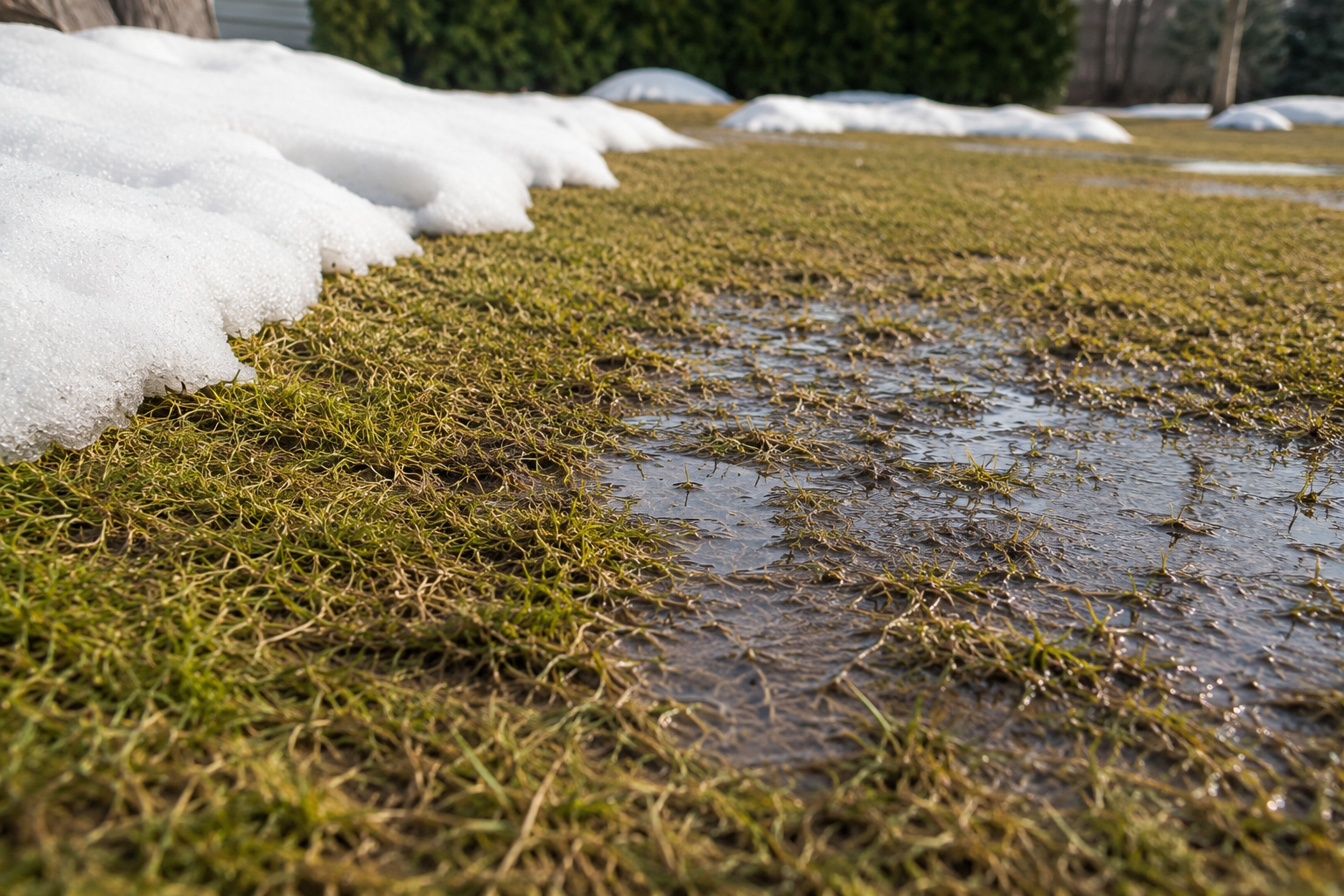
- Possible Standing Water: Excessive moisture can lead to puddles, preventing the fertilizer from properly settling into the soil.
- Delayed Fertilizer Activation: In some cases, if heavy rain, the fertilizer might take longer to activate since the soil is already saturated and may not effectively hold the nutrients.
Each approach has its own pros and cons, so timing your fertilization to the right conditions is key for a healthy, thriving lawn.
How Much Rain Is Too Much for Fertilizing?
Not all rainfall affects fertilizer the same way. Understanding the difference between light, moderate, and heavy rain helps you judge when conditions are actually favorable:
- Light rainfall (up to about a quarter inch): ideal for fertilizing, enough moisture to dissolve granular product and begin moving it into the soil without any real runoff risk.
- Moderate rainfall (a quarter to half an inch): generally still workable, especially on well-draining soil, though sloped or compacted lawns should be watched more carefully.
- Heavy rainfall (over half an inch, especially in a short period): this is where runoff becomes a real concern. The soil simply can't absorb water fast enough, and fertilizer is likely to move with it rather than into the root zone.
Rain becomes excessive once it arrives faster than the soil can absorb it, at that point, water starts pooling and moving across the surface (runoff) instead of soaking downward, taking any undissolved fertilizer along with it.
Thunderstorms are generally poor conditions for fertilizer application for this exact reason. Their heavy, fast-arriving rainfall is far more likely to cause runoff than to help absorption, and the unpredictable intensity makes it difficult to judge how much fertilizer will actually stay in place.
Ideal Rainfall Conditions for Fertilizing
The ideal time to fertilize often depends on how much rain has fallen and the condition of the soil. Light to moderate rainfall provides the best environment for fertilization, as the rain ensures moisture for fertilizer absorption without the risk of washing it away.
- Light Rainfall: Encourages nutrient absorption while reducing the risk of fertilizer runoff.
- Heavy Rainfall: Can dilute or wash away the fertilizer, especially if it hasn’t had enough time to settle into the soil.
When to Avoid Fertilizing: Timing is Key
Sometimes, it’s best to avoid fertilizing altogether if rain conditions are not right. Fertilizing during heavy rain or when the ground is too wet can waste resources and harm your lawn.
- Too Much Rain: Fertilizer can easily be washed away, meaning it won’t have the chance to work effectively.
- Wet Soil: Fertilizing when the soil is too soggy can cause the nutrients to remain on the surface, which may lead to chemical burns or runoff into nearby areas.
Frequently Asked Questions About Fertilizing Before or After Rain
Should you fertilize your lawn before or after rain?
Both can work well, but light rain expected within 24 hours after application is generally the more reliable option, since it dissolves granular fertilizer and carries it into the root zone without the runoff risk that comes with fertilizing right before a heavy storm.
Can rain wash fertilizer away?
Yes, if the rain is heavy or arrives faster than the soil can absorb it, fertilizer can be carried off in runoff before it has a chance to dissolve and settle into the root zone.
How long should fertilizer stay on the lawn before it rains?
Ideally, granular fertilizer should have a few hours to begin settling before rain arrives. If heavy rain is expected almost immediately, it's often better to wait for a drier window instead.
Can you fertilize wet grass?
Granular fertilizer can generally be applied to lightly damp grass, but liquid fertilizer performs better on dry grass, since excess surface moisture can dilute it before it's absorbed.
Should you water after fertilizing if rain is expected?
No, if rain is already expected, additional watering isn't necessary and can increase the risk of oversaturating the soil and causing runoff.
Is it okay to fertilize after heavy rain?
It's best to wait until the soil has drained from moist to no longer waterlogged, typically one to two days after heavy rain, since applying fertilizer to saturated ground limits how well it's absorbed.
What type of rain is best after applying fertilizer?
A light, steady rain of around a quarter to half an inch is ideal, enough moisture to dissolve and carry fertilizer into the soil without causing runoff.
Does fertilizer still work after a heavy rainfall?
It can, but its effectiveness is often reduced, since heavy rain can wash away undissolved product or push nutrients past the root zone through leaching before the grass has a chance to use them.

Get Lawn Fertilization Services with Yard Dawgs
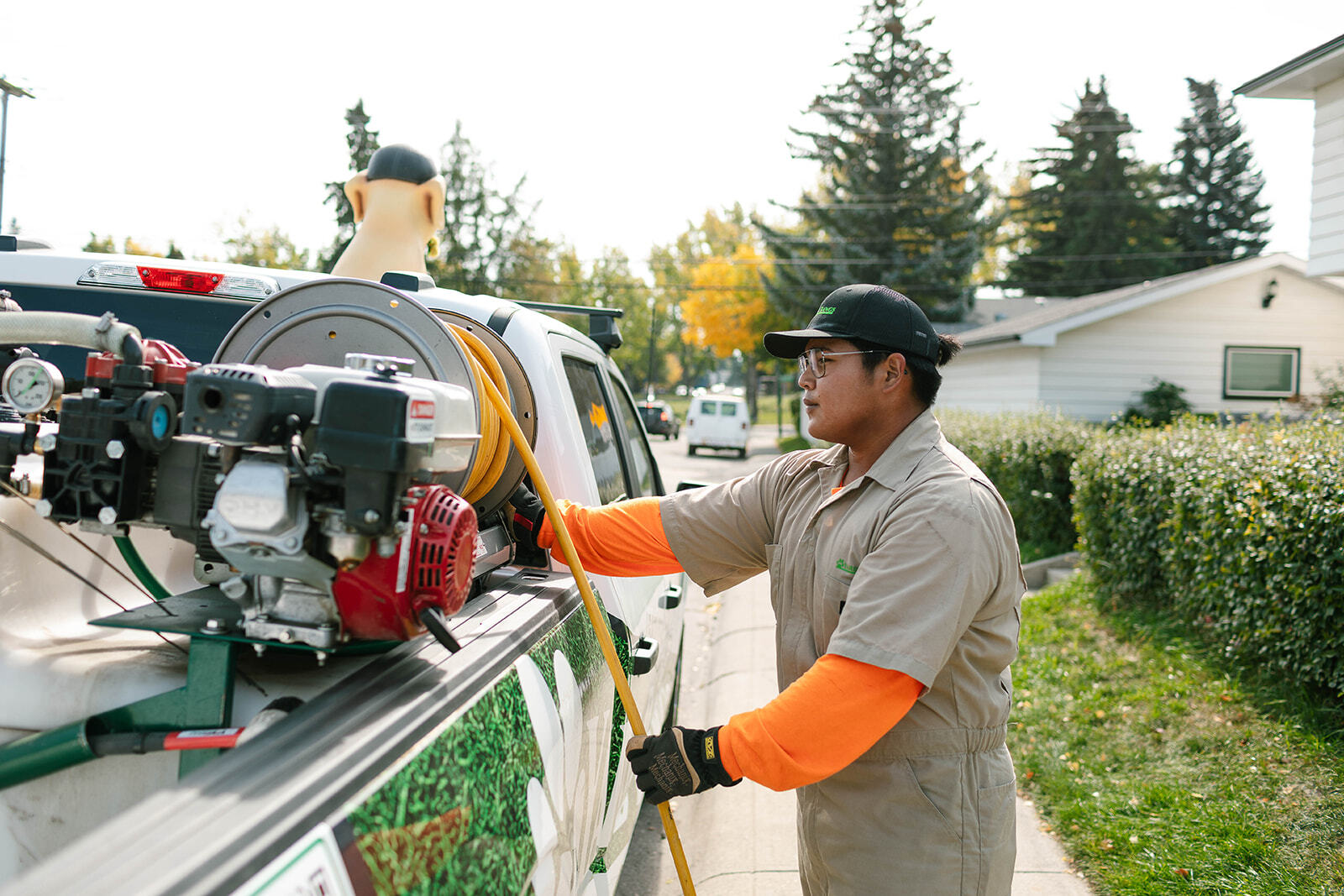
For the best results, professional lawn care can make all the difference. Yard Dawgs offers expert fertilization services to ensure your lawn gets the nutrients it needs at the right time. Their team understands local soil conditions and weather patterns, helping you achieve a lush, healthy lawn without the guesswork.