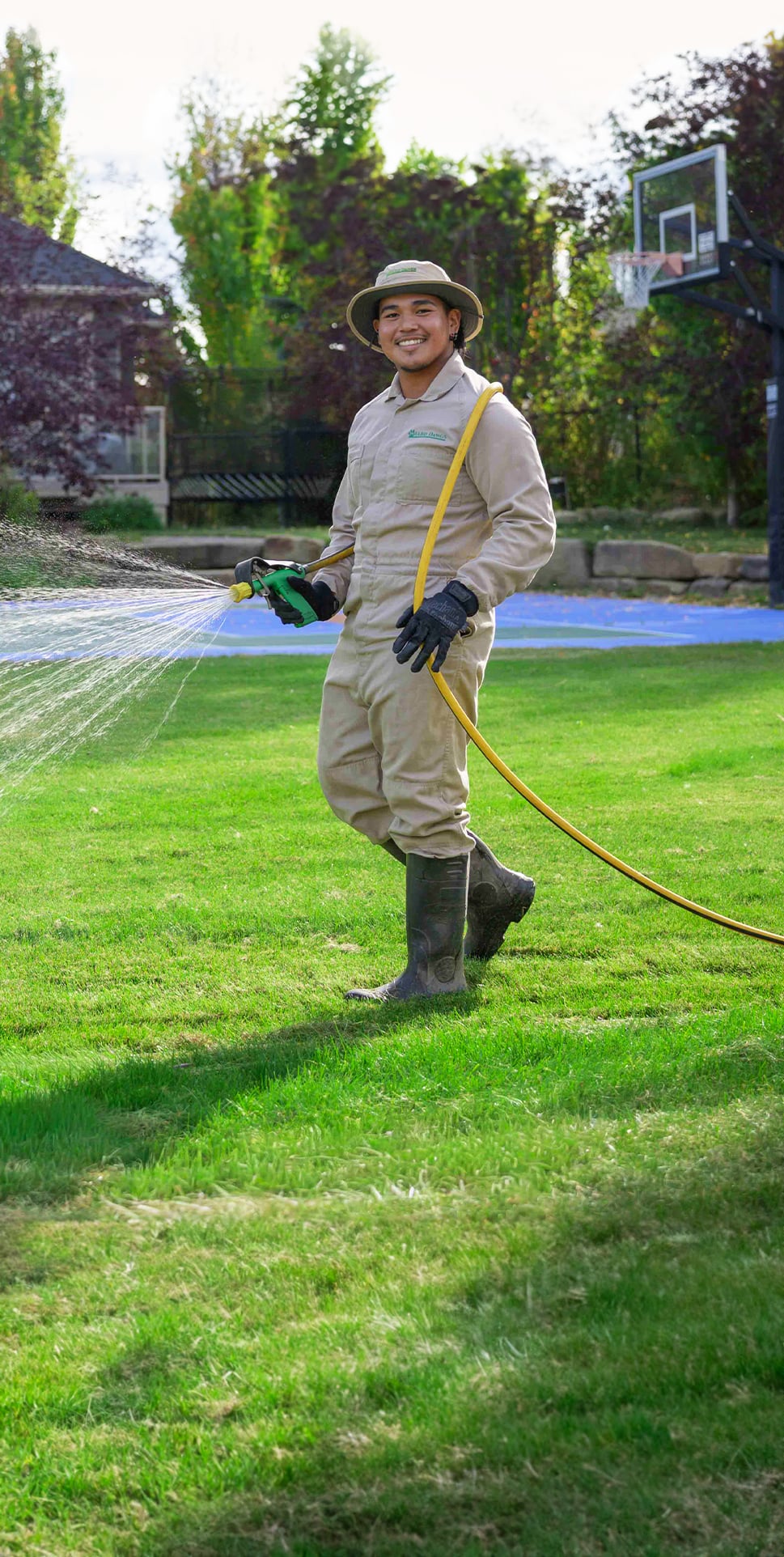








Chinch bugs can destroy a lawn in a matter of weeks. A single pair of these tiny insects can produce hundreds of offspring in one season, and by the time yellowing patches appear in your turf, the damage is already well underway. Regina's warm summers and dry spells create near-perfect conditions for chinch bug outbreaks, yet many homeowners spend weeks trying home remedies before calling in help, often at a much higher cost to their lawn.
The debate between natural and professional pest control is worth having honestly. Both approaches have a role to play, but understanding what each one can and can't do will save you time, money, and a lot of frustration.

Limited spots available!
Transform your lawn today

Limited spots available!
Transform your lawn today

What "Natural" Pest Control Actually Means
Natural pest control covers a wide spectrum, from encouraging beneficial insects to DIY soap sprays to adjusting your watering schedule. In the context of lawn pests like chinch bugs, natural approaches typically focus on creating conditions that are less hospitable to pests rather than eliminating active infestations.
The appeal is obvious. These methods are low-cost, require no specialist knowledge, and carry minimal risk to children, pets, or surrounding plants. For minor or early-stage pest pressure, some of them genuinely work.
That said, natural methods are mostly preventive in nature. Once a population has established and spread across your lawn, home-based treatments rarely have the reach or potency to reverse the damage. Regina's short growing season means there's very little time to experiment before turf recovery becomes significantly more difficult.
What Professional Pest Control Brings to the Table
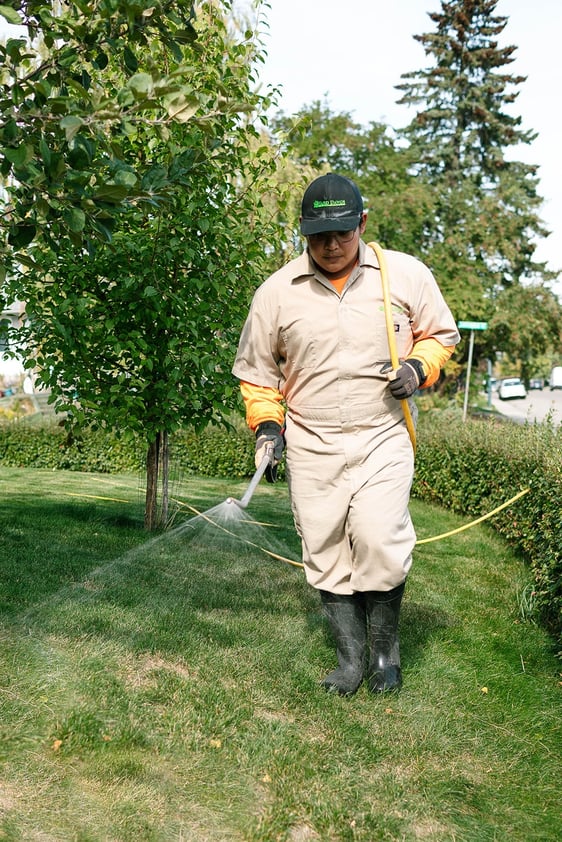
Professional lawn pest control in Regina means targeted treatments delivered at the right time, in the right concentrations, by technicians who know what they're looking for. It's not just about applying product, it's about accurate identification, lifecycle timing, and understanding how pests interact with your specific lawn conditions.
Chinch bugs, for example, are most vulnerable at certain stages of their life cycle. Treating too early or too late reduces effectiveness significantly. A professional team monitors seasonal cues, soil conditions, and infestation severity to apply treatment when it will actually make a difference.
Professional services also address the root causes that make your lawn vulnerable in the first place, compaction, drought stress, thatch buildup, rather than just treating the visible symptoms.
Where Natural Methods Genuinely Help
It would be unfair to dismiss natural approaches entirely. There are specific situations where they add real value as part of a broader lawn care strategy:
- Proper watering habits
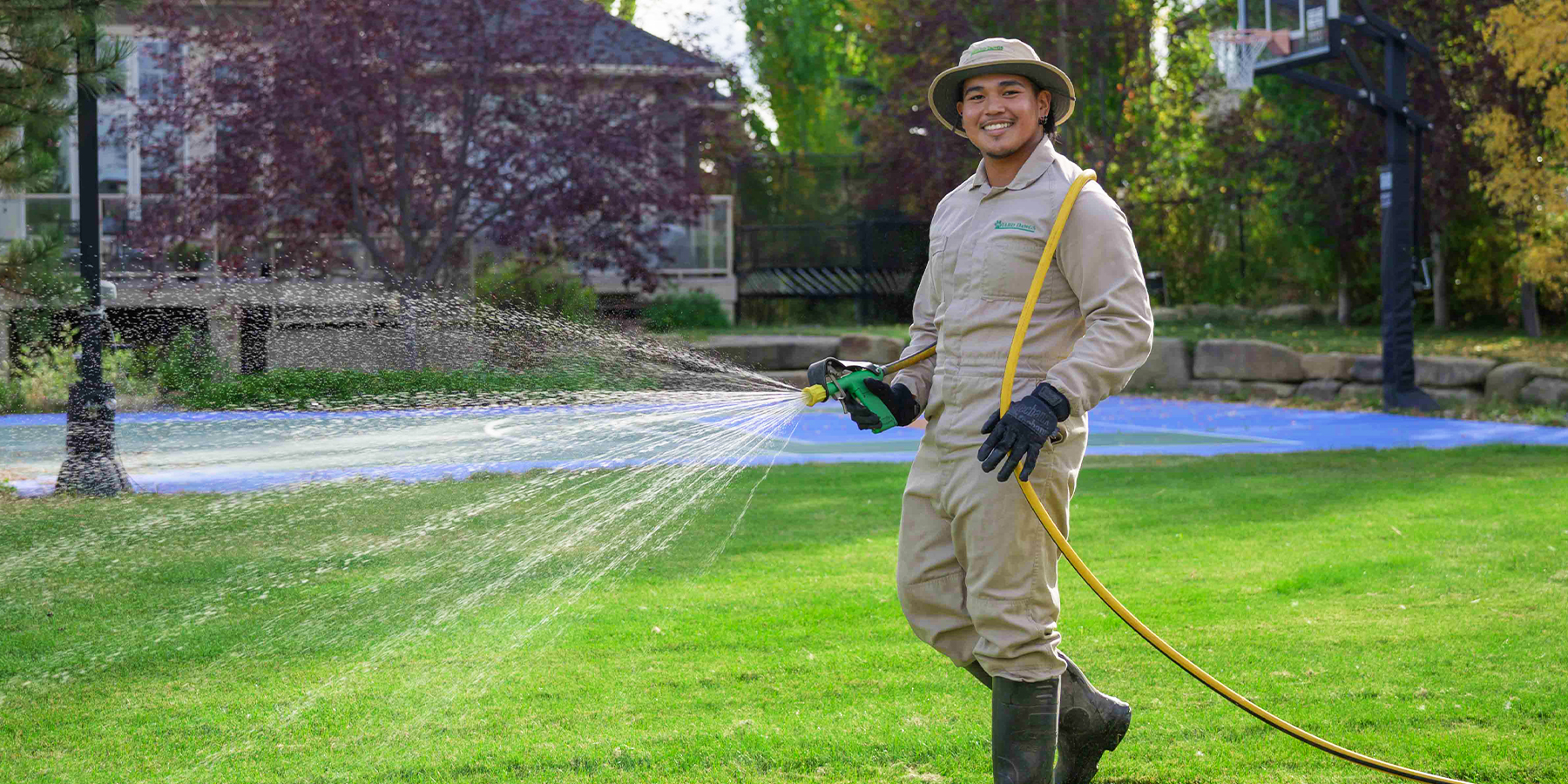
Overwatered lawns develop thatch and shallow root systems that attract chinch bugs. Deep, infrequent watering (rather than daily light watering) builds drought-resistant turf that's far less inviting to surface-feeding insects.
Keeping grass at the right height reduces the heat and dryness at the soil surface that chinch bugs prefer. Cutting too short stresses your lawn and worsens vulnerability.
- Thatch management
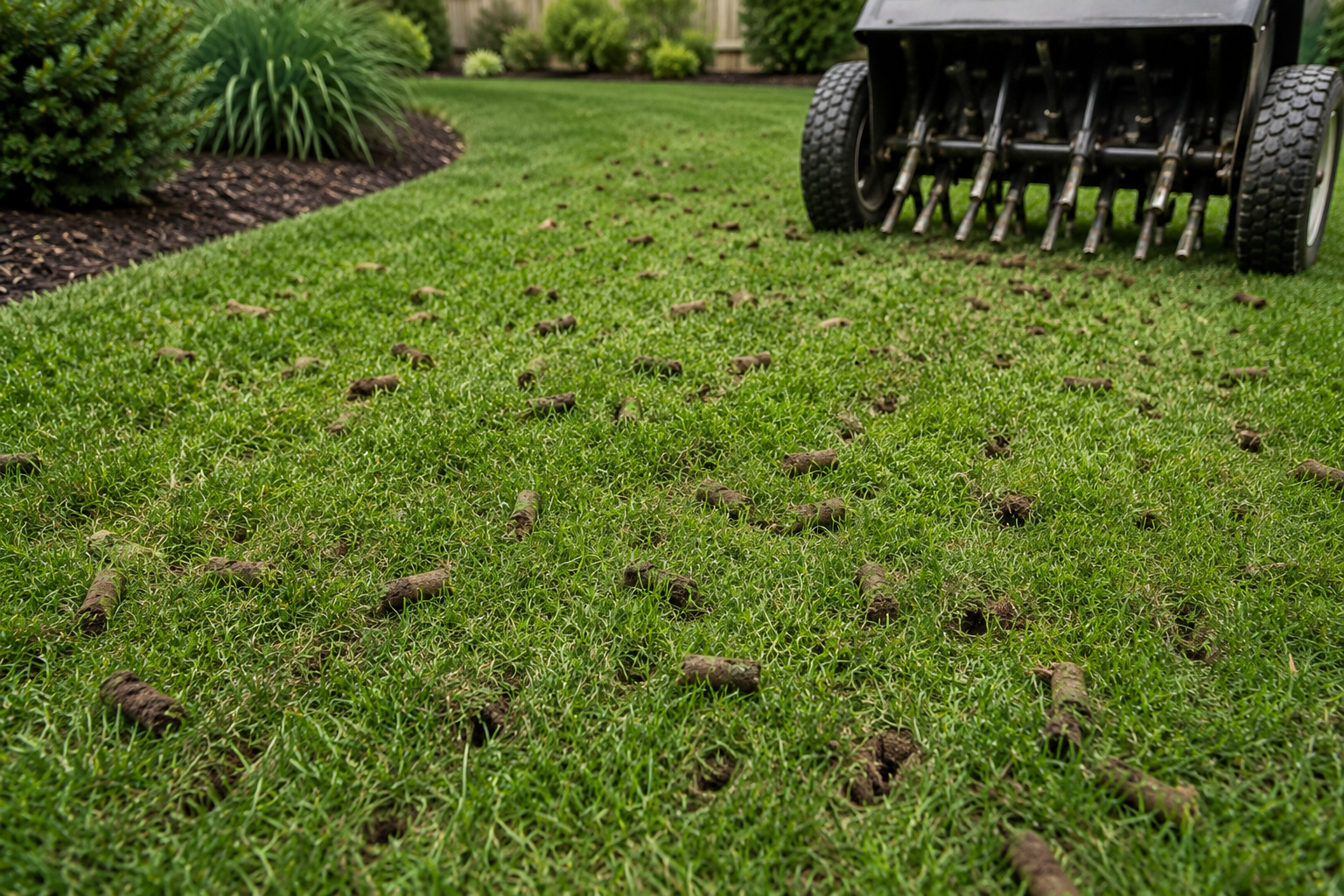
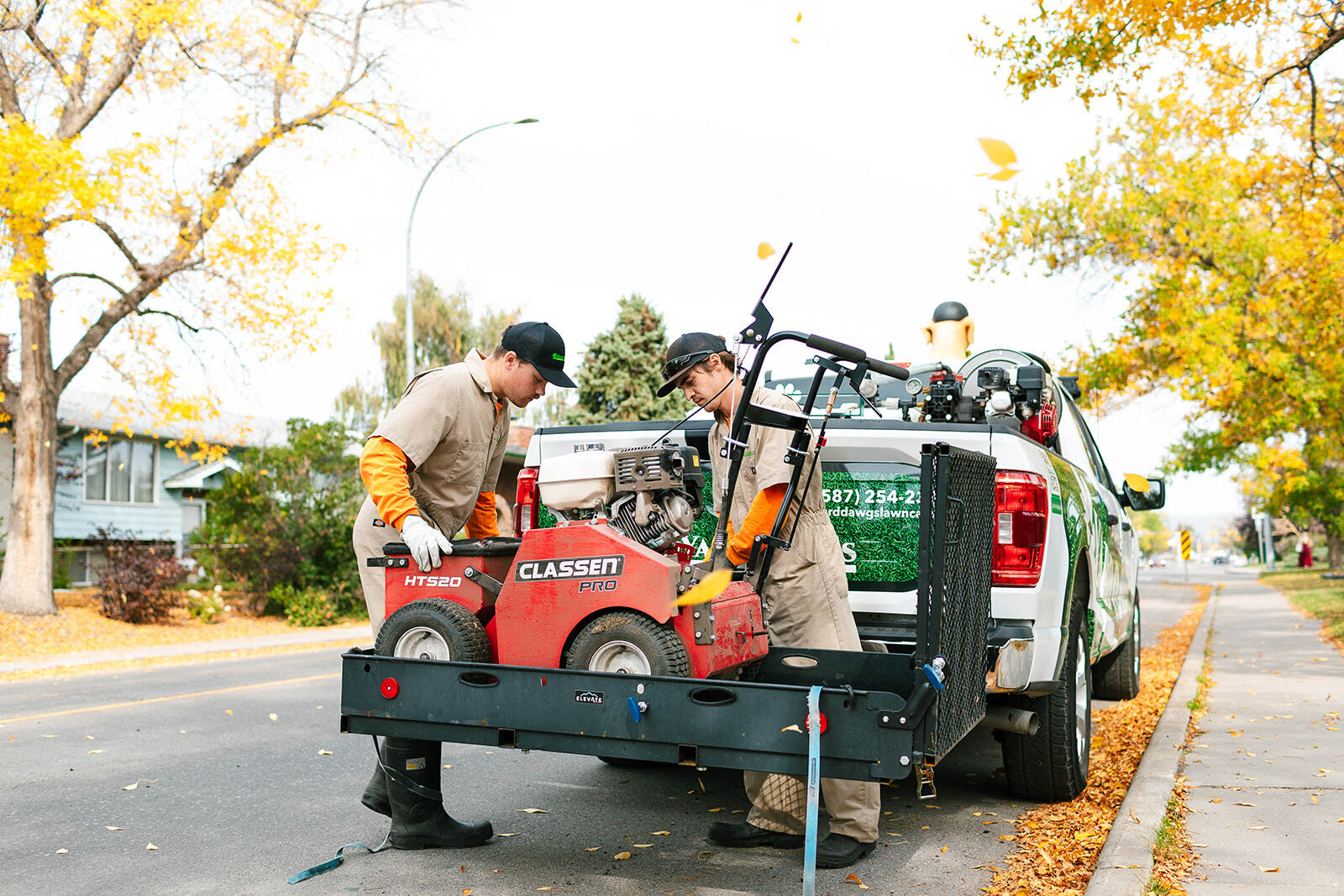
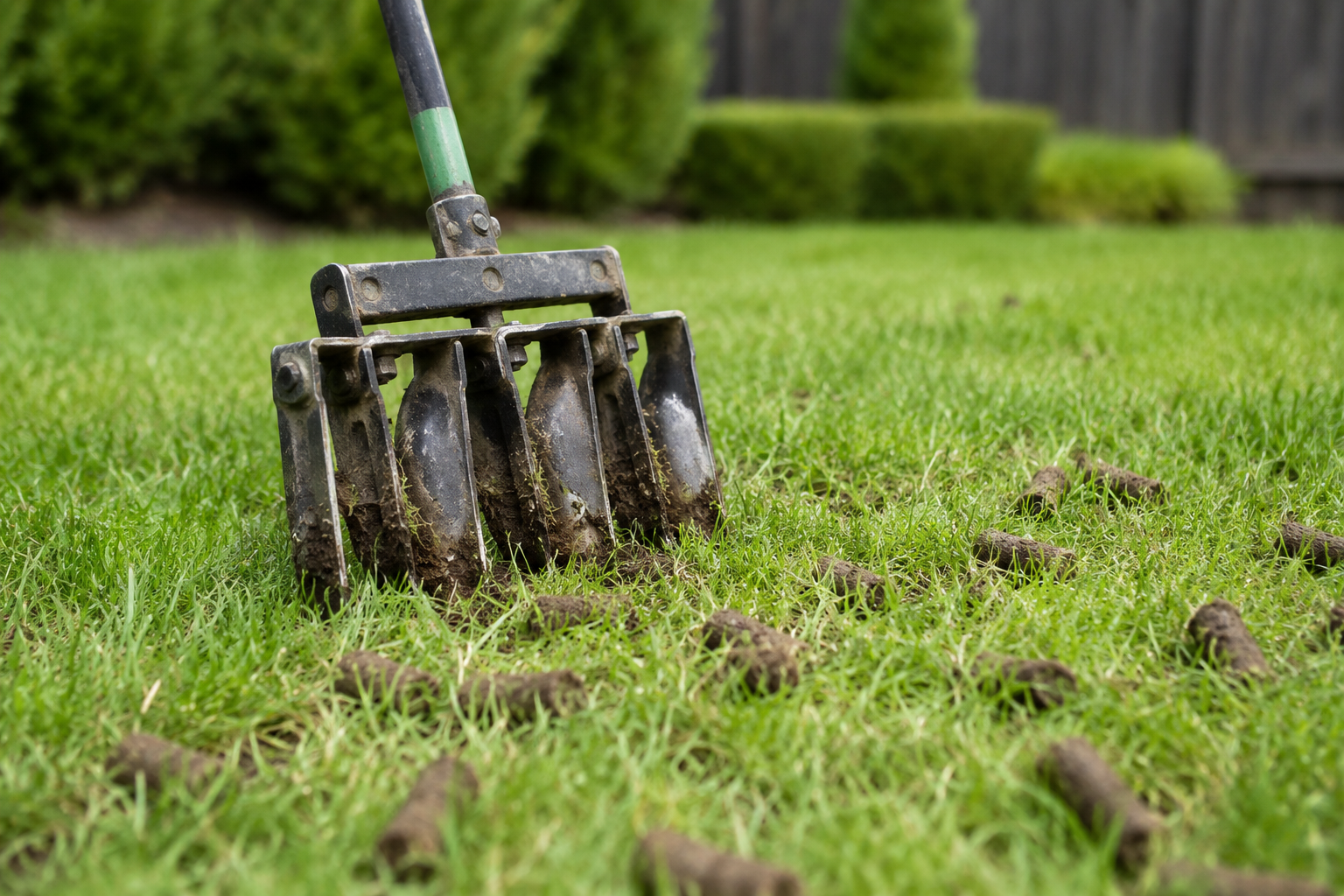
A thick thatch layer is one of the biggest contributors to chinch bug problems in Regina lawns. Mechanical aeration breaks up this layer, improves drainage, and reduces the insulated microclimate pests thrive in.
- Overseeding thin areas
Dense, healthy turf physically limits where pests can establish. Slit-seeding bare or thin patches after aeration is one of the most effective long-term pest deterrents available.
These aren't workarounds, they're legitimate strategies. But they work best as prevention, not cure.
The Limits of Going It Alone
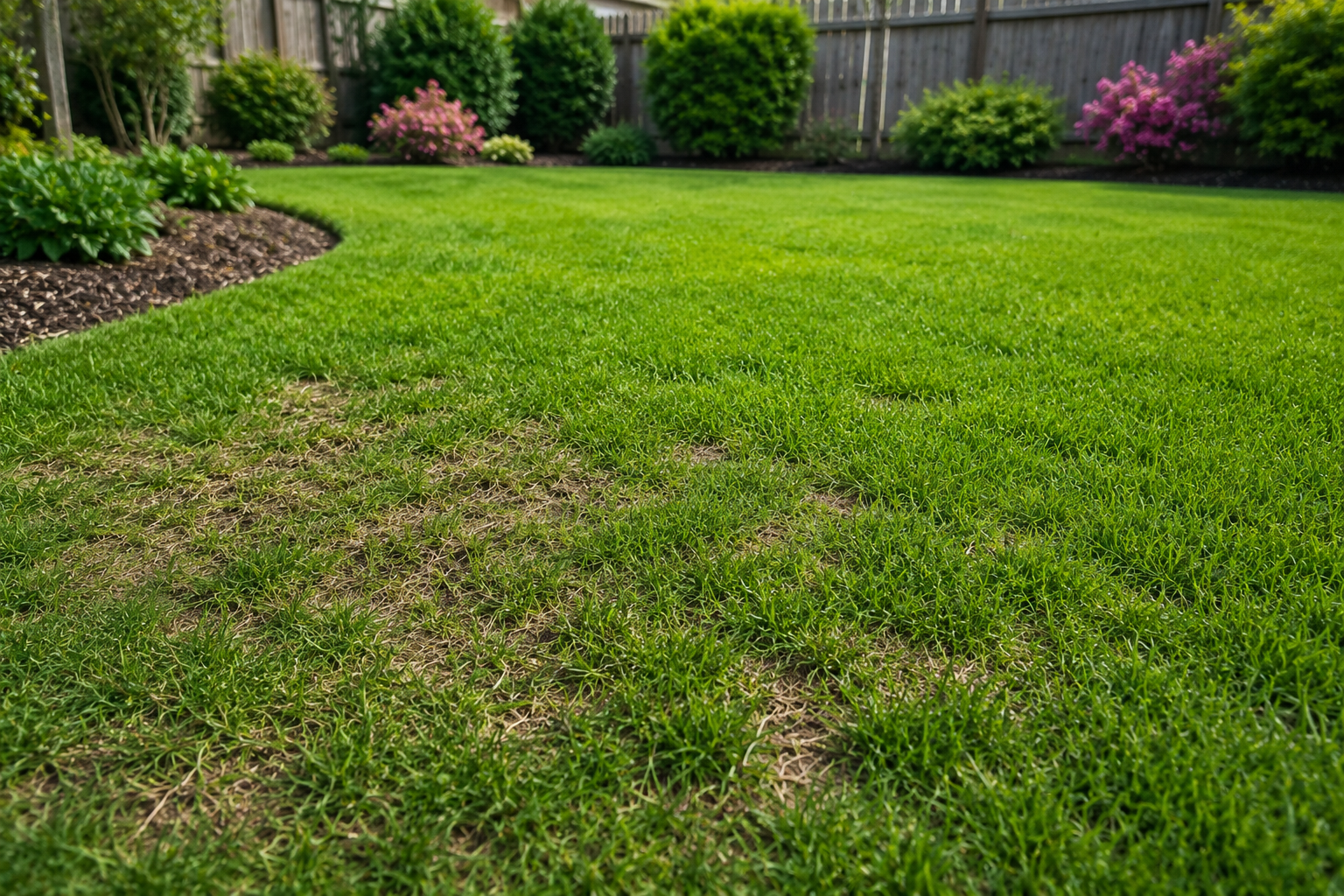
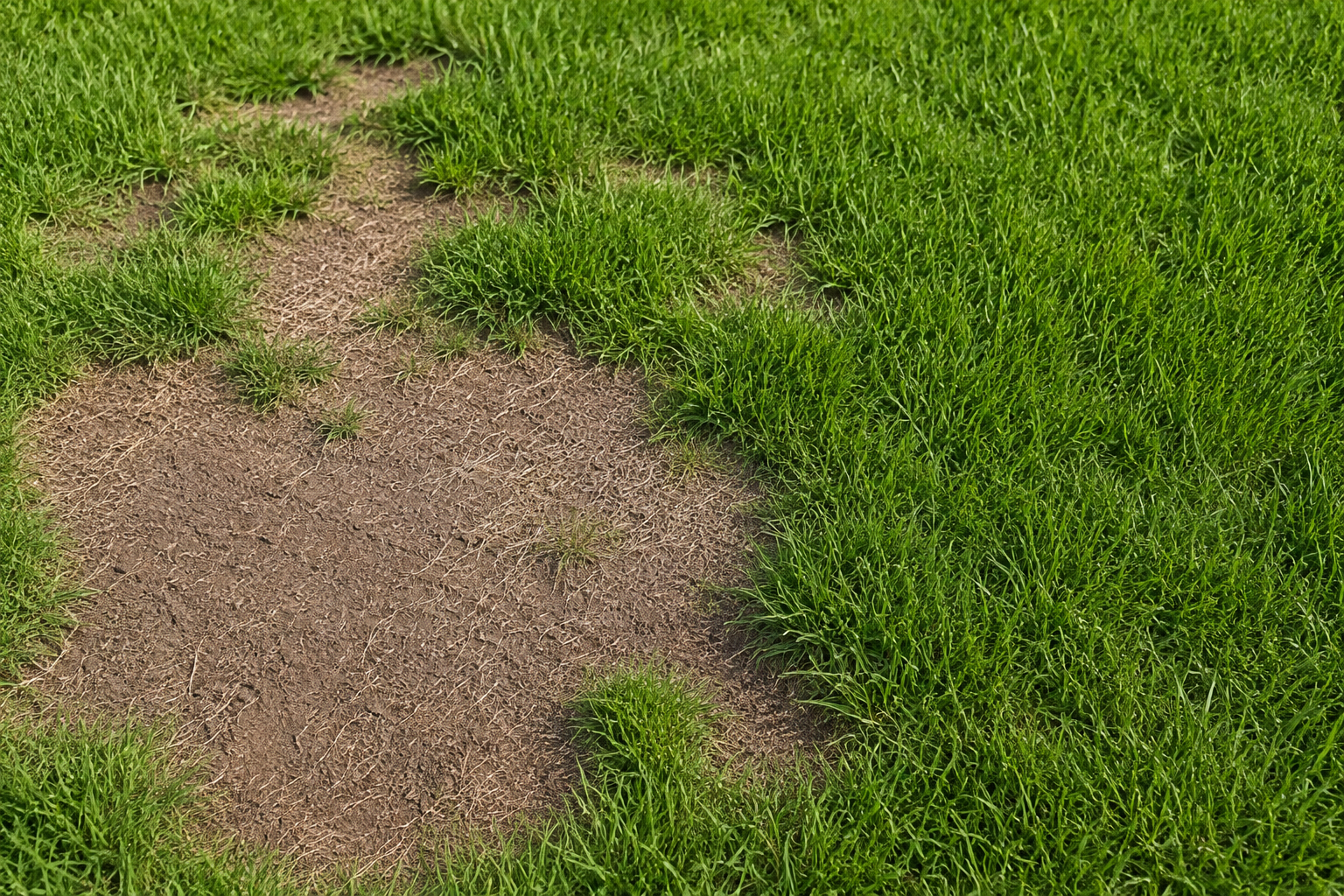
Here's the honest reality of DIY pest control in Regina: by the time most homeowners notice a problem, it's already past the point where natural methods can reverse it. Chinch bug damage looks like drought stress at first, yellowing, browning patches that don't respond to watering. Many homeowners water more, which can actually accelerate the decline.
Store-bought treatments vary widely in effectiveness and are rarely formulated for the specific pest species or life stage present in your lawn. Misapplication can damage turf, harm beneficial insects, and leave the core infestation untouched while the visible symptoms temporarily improve.
There's also the issue of timing. Regina's summer pest season is short and intense. Losing two or three weeks to trial-and-error isn't just inconvenient, it can mean the difference between a lawn that recovers in fall and one that needs a full renovation the following spring.
How a Professional Program Combines Both Approaches
The most effective pest control in Regina doesn't force a choice between natural and professional, it integrates both. A well-designed lawn care program uses professional-grade treatments where they're needed while building the kind of turf health that makes pests less likely to gain a foothold in the first place.
At Yard Dawgs, our approach to chinch bug control is built into a broader lawn health program. This is what a complete treatment plan looks like in practice:
Builds dense, vigorous turf before pest pressure builds. A strong lawn is a resistant lawn.
- Chinch bug treatment
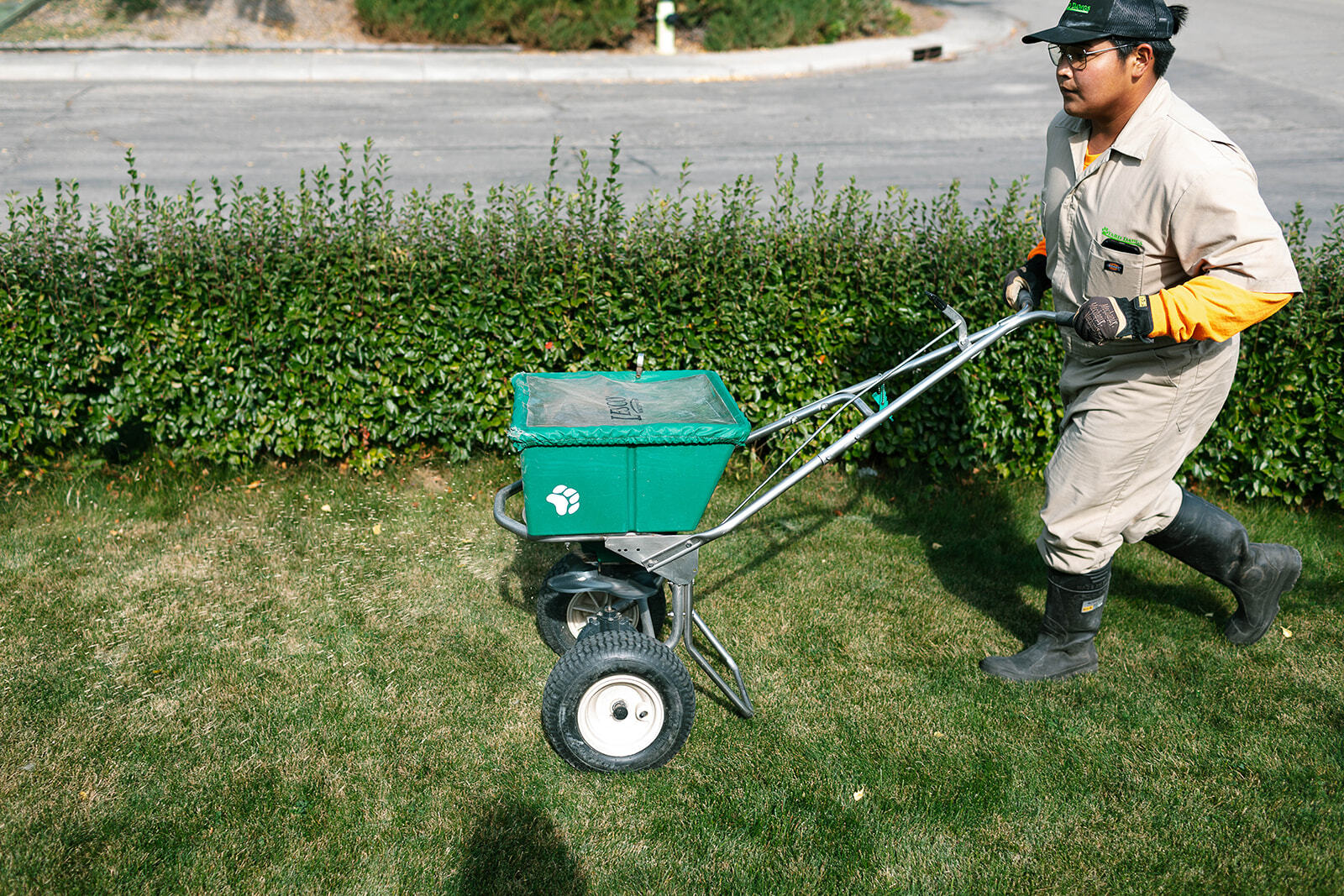
Targeted application timed to the pest's active period for maximum effectiveness, not just when symptoms appear.
Reduces thatch and compaction, improving root depth and removing the conditions chinch bugs depend on.
- Slit-seeding
Fills in damaged or thin areas with new grass, restoring density and closing off the bare patches pests colonize.
- Liquid aeration and bio-stimulants
Sea kelp and Super Juice strengthen grass at the cellular level, improving resilience against both pest damage and environmental stress.
- Ongoing monitoring
Because pest pressure doesn't end after a single treatment, continuous care through the season keeps your lawn protected as conditions change.
This kind of integrated plan is what separates a lawn that struggles year after year from one that genuinely improves season over season.
Regina's Climate Makes Professional Timing Essential
Regina's continental climate, cold winters, hot dry summers, and a compressed growing season, means the window for both pest activity and turf recovery is narrow. Pests emerge quickly in late spring, peak through July and August, and can cause severe damage within weeks. The same short season that limits pest activity also limits your turf's ability to heal.
Professional pest control services in Regina are calibrated to these local conditions in ways that generic advice and store products simply aren't. Local teams understand when chinch bug populations typically peak, how Regina's clay soils affect treatment penetration, and which grass varieties are most vulnerable in this region.
That local knowledge is part of what you're paying for, and it makes a measurable difference in outcomes.

Your Lawn Deserves More Than a Quick Fix
Natural methods are valuable, and we encourage every homeowner to adopt good lawn care habits as part of their regular routine. But when pests are already active and your lawn is showing stress, professional pest control in Regina is the faster, more reliable path to recovery.
Yard Dawgs's dedicated lawn care team in Regina assigns the same technicians to your property throughout the season. They know your lawn, track its history, and adjust your program as conditions change. You won't be explaining your situation from scratch every time you call, you'll be talking to someone who already knows it.
Whether you're dealing with an active chinch bug infestation or just want to build the kind of healthy, resilient turf that pests struggle to penetrate, our lawn care in Regina programs are designed to get you there. Reach out today to find out which treatment plan is right for your property.