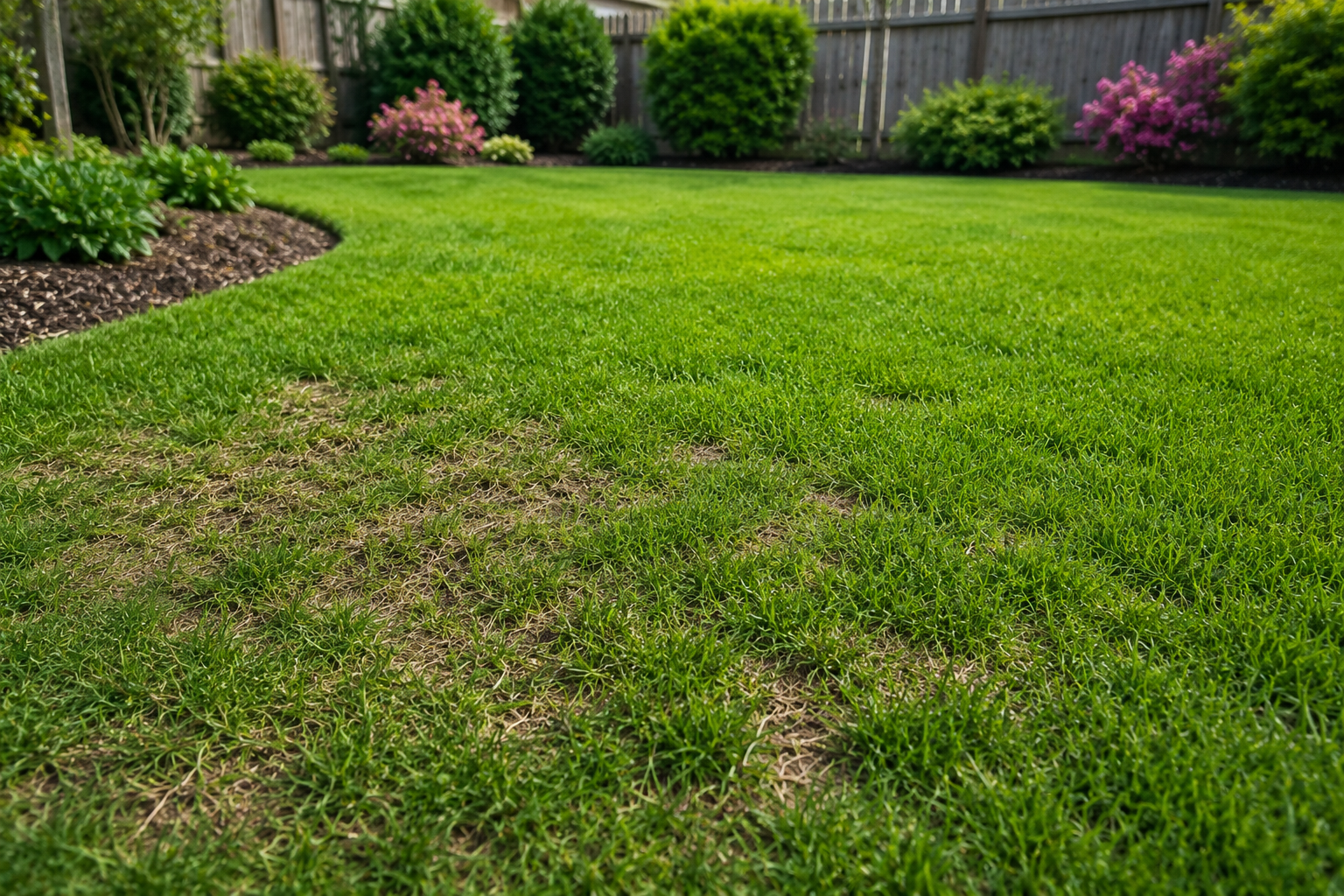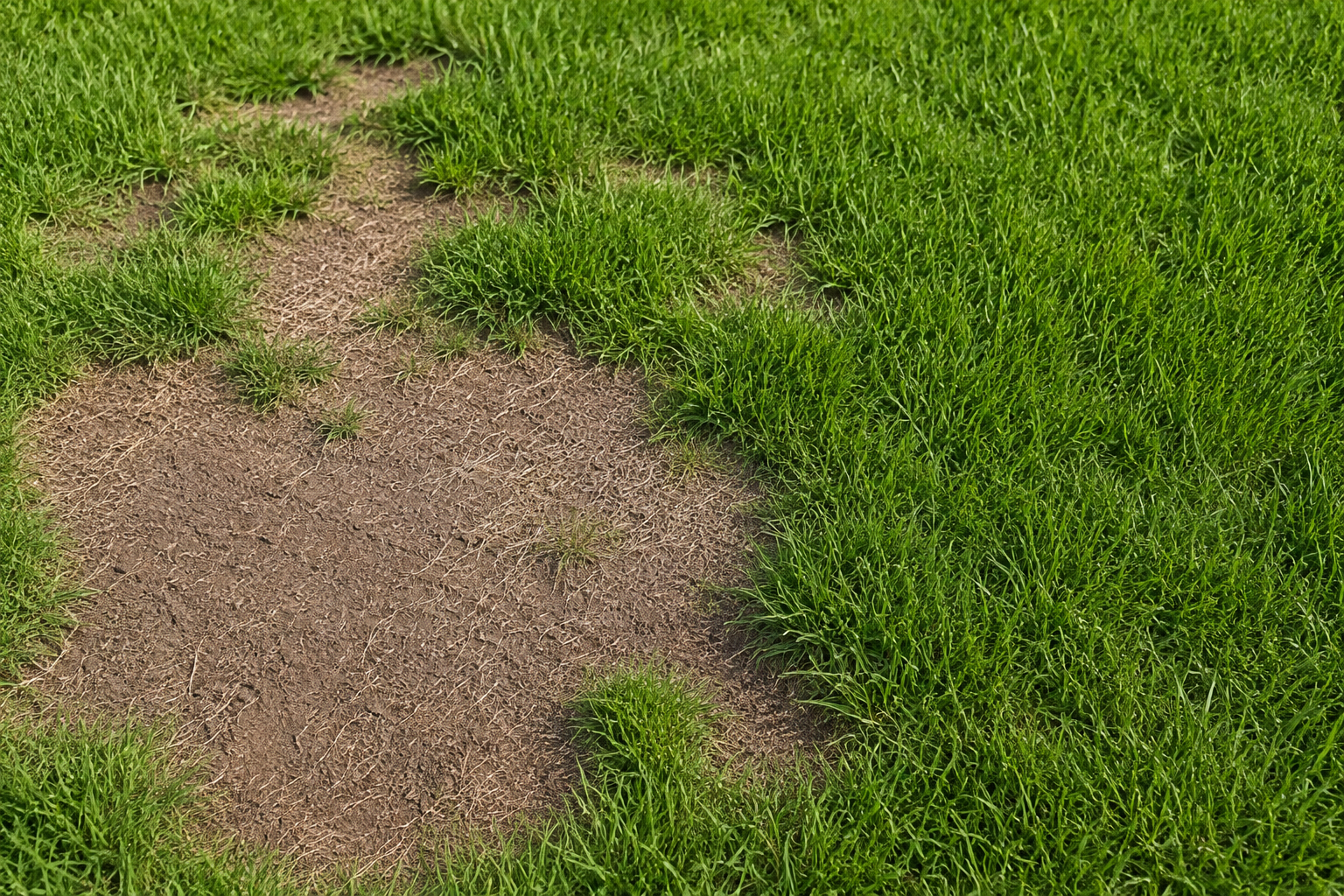







Overseeding can be a game-changer for patchy or thinning lawns. It introduces fresh grass seed to existing turf, boosting density, color, and weed resistance.
However, many homeowners unknowingly sabotage their results by making common mistakes. If you are planning to overseed your lawn, learn what not to do and how to ensure a lush, healthy yard.

Limited spots available!
Transform your lawn today

Limited spots available!
Transform your lawn today
Why Overseeding Matters
Overseeding is not just about filling in bare spots. It helps renew aging lawns, introduces improved grass varieties, and increases resistance to drought, pests, and disease. Whether your lawn is struggling due to heavy foot traffic, poor soil, or seasonal stress, overseeding is a smart way to restore vitality without starting from scratch.
A properly overseeded lawn also helps crowd out weeds by creating a denser turf canopy that leaves less room for unwanted plants to establish. Newer grass cultivars often offer improved disease resistance, better colour retention, and greater tolerance to drought and temperature fluctuations compared to older grass varieties.
For Canadian homeowners dealing with harsh winters and variable weather, regular overseeding can significantly extend the health and appearance of an existing lawn.
Mistake 1: Skipping Lawn Preparation
One of the most critical steps in overseeding is preparing your lawn properly. Many people toss seeds on their yards without addressing what lies underneath.
What You Should Do Instead
- Mow low: Cut your grass shorter than usual, around 1.5 to 2 inches. This allows the seed to make better contact with the soil and reduces competition from existing grass.
- Remove clippings and debris: Rake up thatch, leaves, and dead grass to create a clean surface.
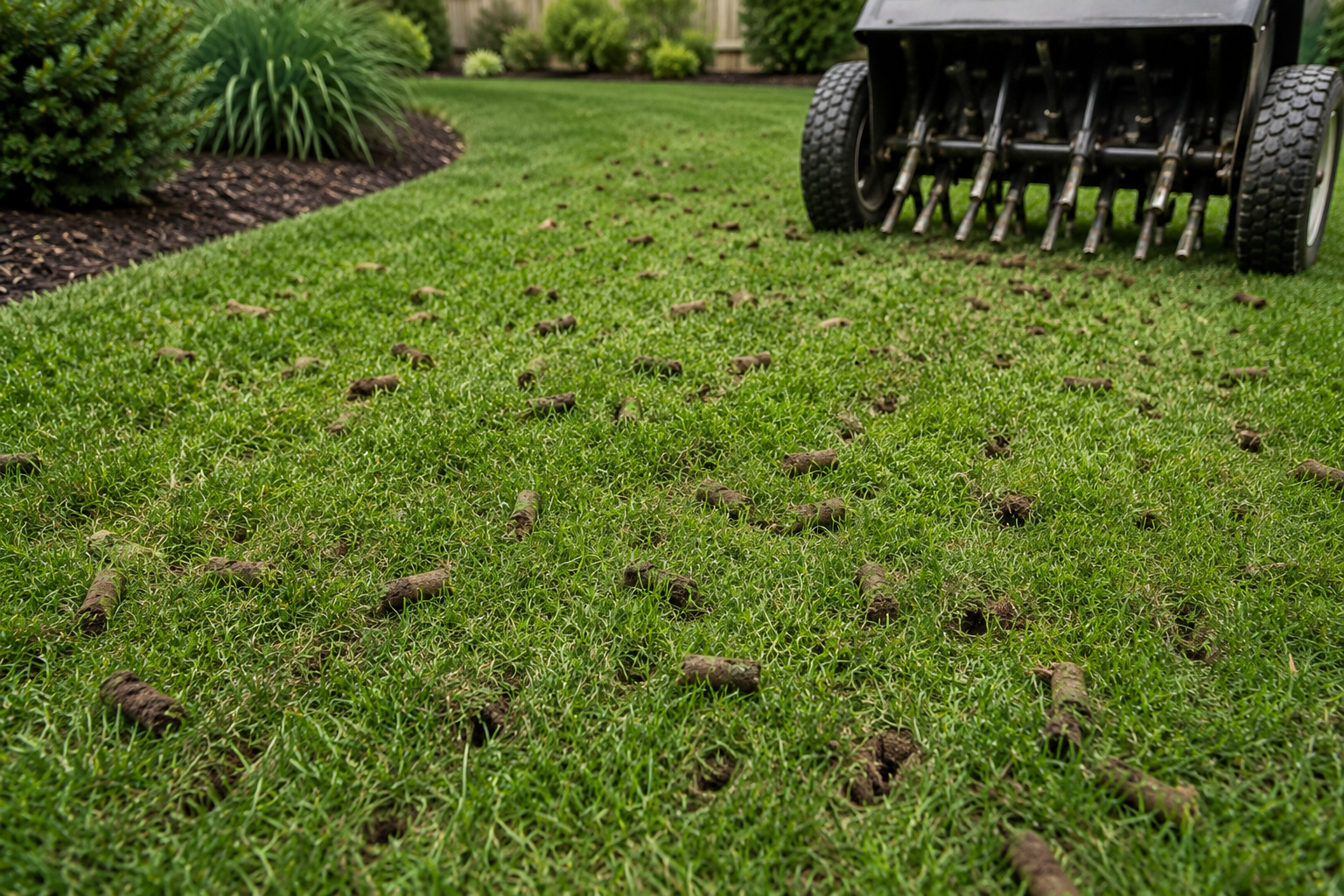
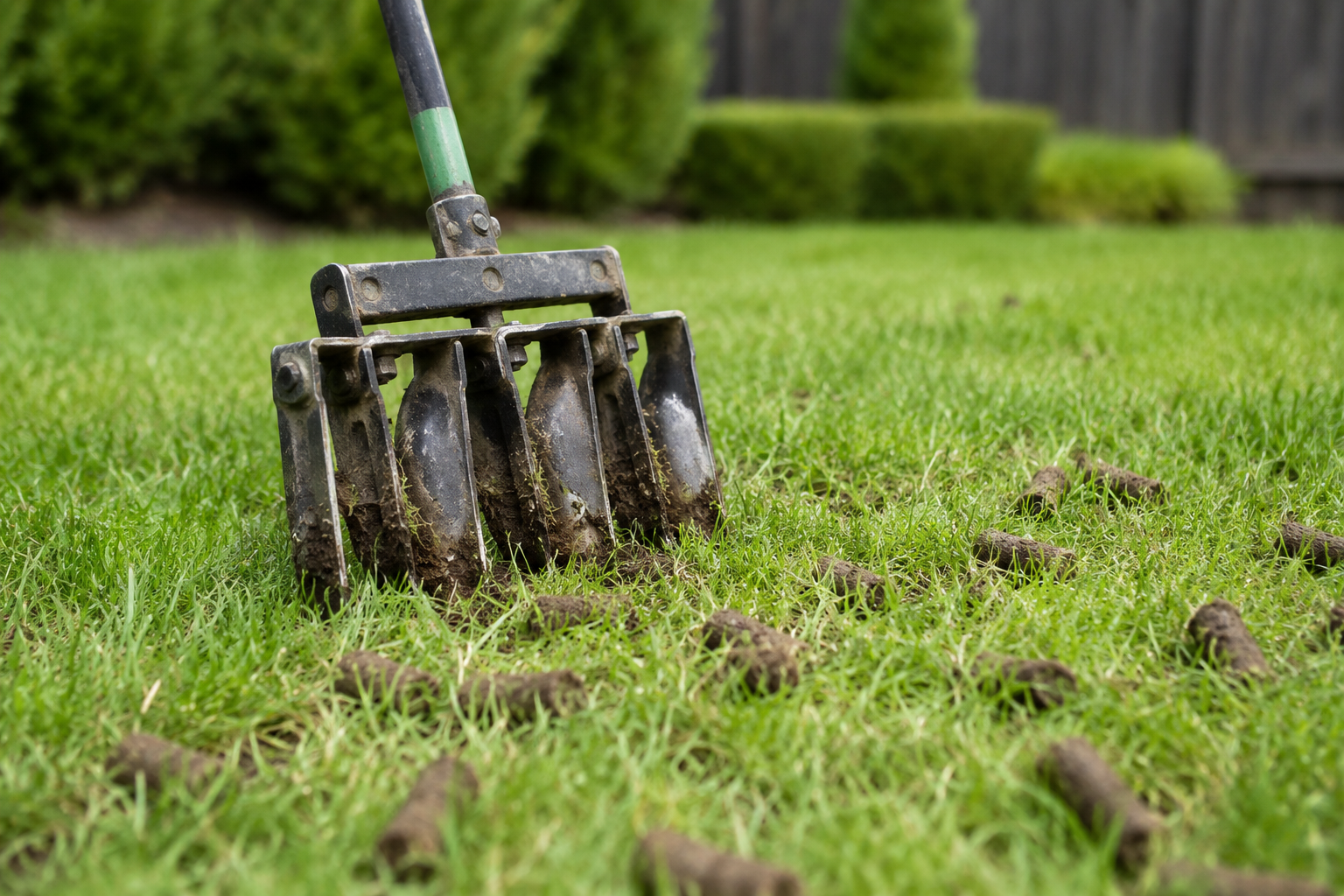
- Loosen the soil: Use a rake or mechanical aerator to open up the soil so seeds can settle in and germinate more effectively.
Take preparation a step further by evaluating soil conditions before overseeding. Compacted soil can prevent roots from developing properly, even when high-quality seed is used. Core aeration is often recommended because it removes small plugs of soil, improving airflow, water penetration, and seed-to-soil contact. This method is generally more effective than spike aeration, which can further compact the surrounding soil.
If your lawn has a thick layer of thatch (more than about half an inch), consider dethatching before overseeding. Excessive thatch can prevent seeds from reaching the soil and reduce germination rates.
Pro Tip: Aerating and overseeding together often produces significantly better results than overseeding alone because seeds can settle directly into the aeration holes where moisture and nutrients are readily available.
Mistake 2: Using the Wrong Grass Seed
Not all grass seed is created equal. Using the wrong type can lead to poor results, especially if it does not suit your region or yard conditions.
What You Should Do Instead
- Match seed to climate: In Canada, cool-season grasses like Kentucky bluegrass, perennial ryegrass, and fescue perform best.
- Check the label: Avoid seed mixes that contain filler or weed seeds. Look for high-quality blends that suit your property's sun, shade, and moisture levels.
- Consider lawn use: Choose durable varieties for high-traffic areas or finer textures for ornamental lawns.
Different grass species offer unique advantages. Kentucky bluegrass provides excellent density and self-repair capabilities, perennial ryegrass germinates quickly and helps establish coverage fast, while fine and tall fescues are known for drought tolerance and shade performance.
Choosing a blend that matches your lawn's sunlight exposure, drainage conditions, and expected foot traffic can significantly improve long-term success.
It is also important to match new seed to your existing lawn whenever possible. Mixing dramatically different grass types can create uneven colour, texture, and growth patterns throughout the yard.
Mistake 3: Overseeding at the Wrong Time
Timing is everything when it comes to overseeding. Doing it too early or too late can reduce seed germination and weaken your results.
What You Should Do Instead
- Aim for early fall: Late August to early September is ideal in most parts of Canada. Soil is still warm, and there is enough moisture and daylight to encourage growth before winter.
- Avoid peak summer: Hot temperatures and dry conditions can cause seeds to dry out or die.
- Spring is possible, but less ideal: Overseeding in spring can work, but competition from weeds and unpredictable weather can make it less effective.
However, soil temperature is often an even more important factor. Cool-season grass seeds typically germinate best when soil temperatures are between 10°C and 18°C.
- If soil is too cold, germination slows dramatically.
- If it is too hot, seedlings may struggle to survive.
Fall overseeding is often preferred because cooler temperatures reduce stress on young seedlings while weed pressure is generally lower than in spring. This gives new grass more time to establish strong roots before the following summer.
Mistake 4: Not Using Enough Seed
Some homeowners try to stretch one bag of seed across too much lawn. Underseeding leads to thin, spotty growth that leaves your yard vulnerable to weeds.
What You Should Do Instead
- Follow label rates: Seeding rates vary by grass type, so check the bag for exact coverage.
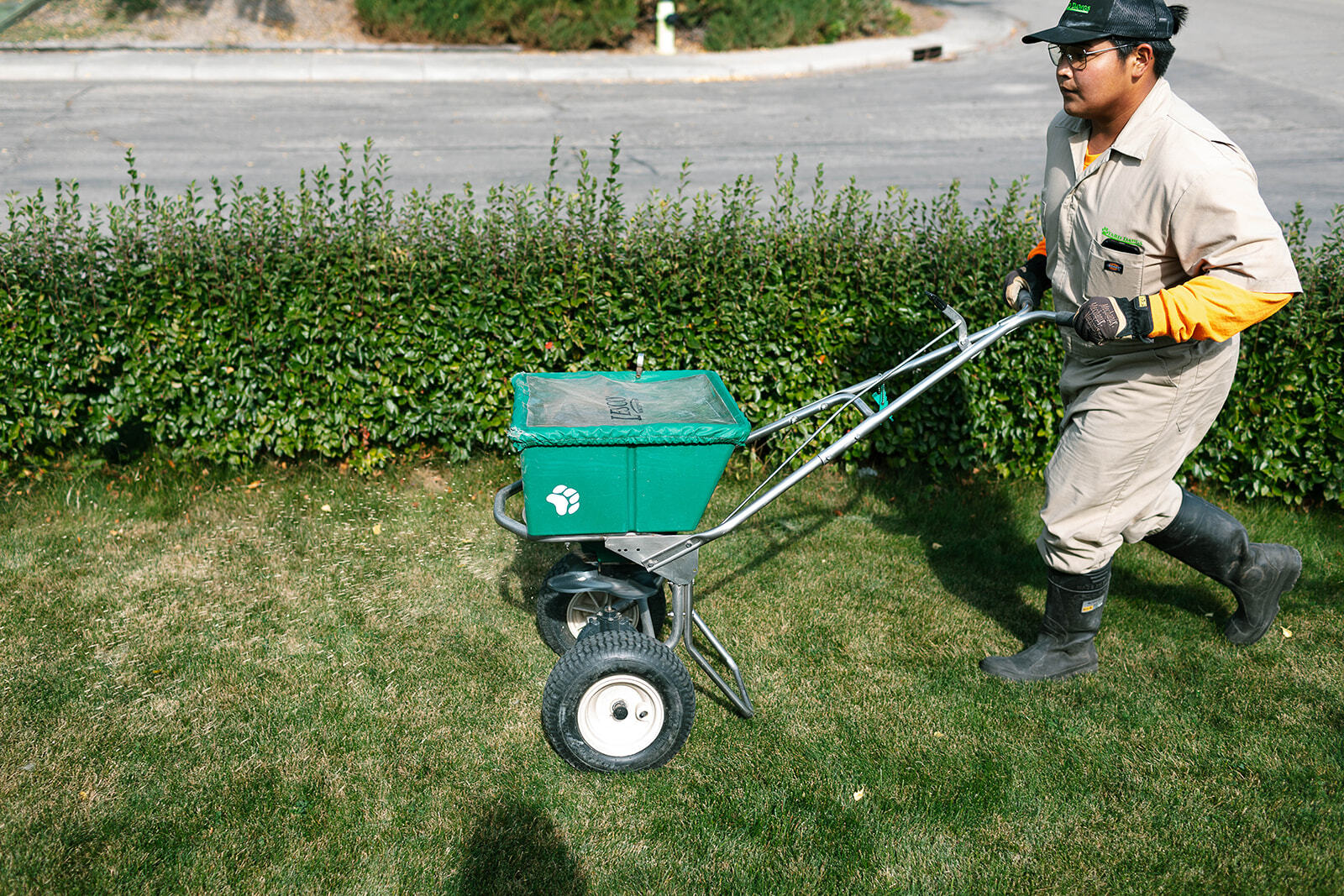
- Use a broadcast spreader: This ensures even distribution and prevents clumping or bare spots.
- Double pass: Apply half the seed in one direction and the other half at a right angle to ensure full coverage.
Avoid the opposite mistake as well. Applying too much seed can create overcrowding, forcing young seedlings to compete for sunlight, moisture, and nutrients. This often results in weaker grass rather than a thicker lawn.
For many cool-season grass blends, overseeding rates commonly range from 3 to 8 pounds of seed per 1,000 square feet depending on lawn condition and the grass species being used. Always follow manufacturer recommendations for the specific seed mixture selected.
Mistake 5: Poor Watering Habits
Seed needs consistent moisture to sprout and establish. Too little water and it will dry out. Too much and it may wash away or rot.
What You Should Do Instead
- Water lightly and often: Keep the top layer of soil moist for the first 10 to 14 days. This may mean watering once or twice daily, depending on the temperature.
- Gradually reduce frequency: After the seeds sprout, switch to deeper, less frequent watering to encourage strong root growth.
- Avoid puddles: If water pools on the surface, you may be applying too much at once.
The watering strategy should evolve as the lawn develops.
- During germination, the goal is to keep the top inch of soil consistently moist.
- Once seedlings emerge, deeper watering encourages roots to grow downward in search of moisture, helping establish a stronger and more drought-resistant lawn.
Pay attention to weather conditions. Windy days, direct sun exposure, sandy soils, and unusually warm temperatures may require more frequent watering. Conversely, overwatering can create fungal issues, promote disease, and reduce oxygen availability in the soil.
Mistake 6: Ignoring Fertilization
Skipping fertilizer is another common mistake. New seedlings need nutrients to grow strong and compete with existing grass.
What You Should Do Instead
- Apply starter fertilizer: Use a phosphorus-rich formula designed for new grass. This supports early root development.
- Time it right: Fertilize just before or right after seeding so the nutrients are available as soon as seeds germinate.
- Do not overdo it: More is not always better. Follow application instructions carefully to avoid burning your new grass.
Before applying fertilizer, consider performing a soil test. Soil testing can reveal nutrient deficiencies and pH imbalances that may limit grass growth. Most turfgrass varieties perform best in soil with a pH between 6.0 and 7.0. If the soil is too acidic, lime may be recommended. If it is too alkaline, sulfur-based amendments may help restore balance.
Avoid using weed-and-feed products or pre-emergent herbicides when overseeding. These products can interfere with seed germination and significantly reduce establishment rates.
Mistake 7: Resuming Mowing Too Soon
Mowing too early can damage tender seedlings and hinder growth. It is tempting to tidy up the yard, but patience is key.
What You Should Do Instead
- Wait until grass reaches 3 inches: Let the new grass grow tall enough to establish before mowing.
- Use sharp blades: Dull mower blades can rip up seedlings instead of cutting cleanly.
- Remove only the top third: Avoid cutting too short, which can stress the new turf and reduce density.
The exact timing of the first mow can vary depending on the grass species. Perennial ryegrass may establish faster than Kentucky bluegrass, while some fescue varieties fall somewhere in between. Waiting until the lawn is firmly rooted and actively growing will help prevent damage to young seedlings.
Mistake 8: Expecting Immediate Results
Even with the right approach, new grass takes time to mature. Some homeowners give up too soon or disrupt the process with other lawn care routines.
What You Should Do Instead
- Be patient: Germination can take anywhere from 7 to 21 days, depending on grass type and conditions.
- Avoid heavy traffic: Try to keep kids and pets off the lawn during the early growth stages.
- Hold off on weed control: Do not apply herbicides for at least four to six weeks after overseeding to avoid damaging new grass.
Newly seeded lawns are particularly vulnerable during the first several weeks. Excessive foot traffic, pet activity, recreational use, and heavy equipment can displace seedlings before roots become established. In areas prone to heavy rainfall, a light layer of straw mulch or a biodegradable seed blanket can help prevent erosion and keep seeds in place.
Overseeding Success Checklist
To maximize your chances of success, follow this simple overseeding checklist:
- Test soil pH and nutrient levels
- Mow the lawn shorter than normal
- Remove debris and excessive thatch
- Core aerate compacted areas
- Choose a high-quality grass seed blend
- Apply seed evenly using a spreader
- Use a starter fertilizer
- Keep soil consistently moist during germination
- Limit foot traffic until seedlings mature
- Delay herbicide applications until new grass is established
Frequently Asked Questions About Overseeding
Can you overseed without aerating?
Yes, but results may be less successful in compacted soils. Aeration improves seed-to-soil contact and often increases germination rates.
How long does overseeding take to germinate?
Most grass seed germinates within 7 to 21 days, depending on species, temperature, moisture levels, and soil conditions.
Can you fertilize and overseed at the same time?
Yes. In fact, applying a starter fertilizer during overseeding is often recommended to support root development and early growth.
When can pets walk on an overseeded lawn?
It is best to limit pet traffic for at least two to three weeks or until the new grass is well established.
Hire Professional Lawn Care Services for Best Results
Overseeding may seem straightforward, but it requires knowledge, timing, and proper execution to get the lush, green lawn you want. If you want to avoid trial and error, consider partnering with a lawn care expert.
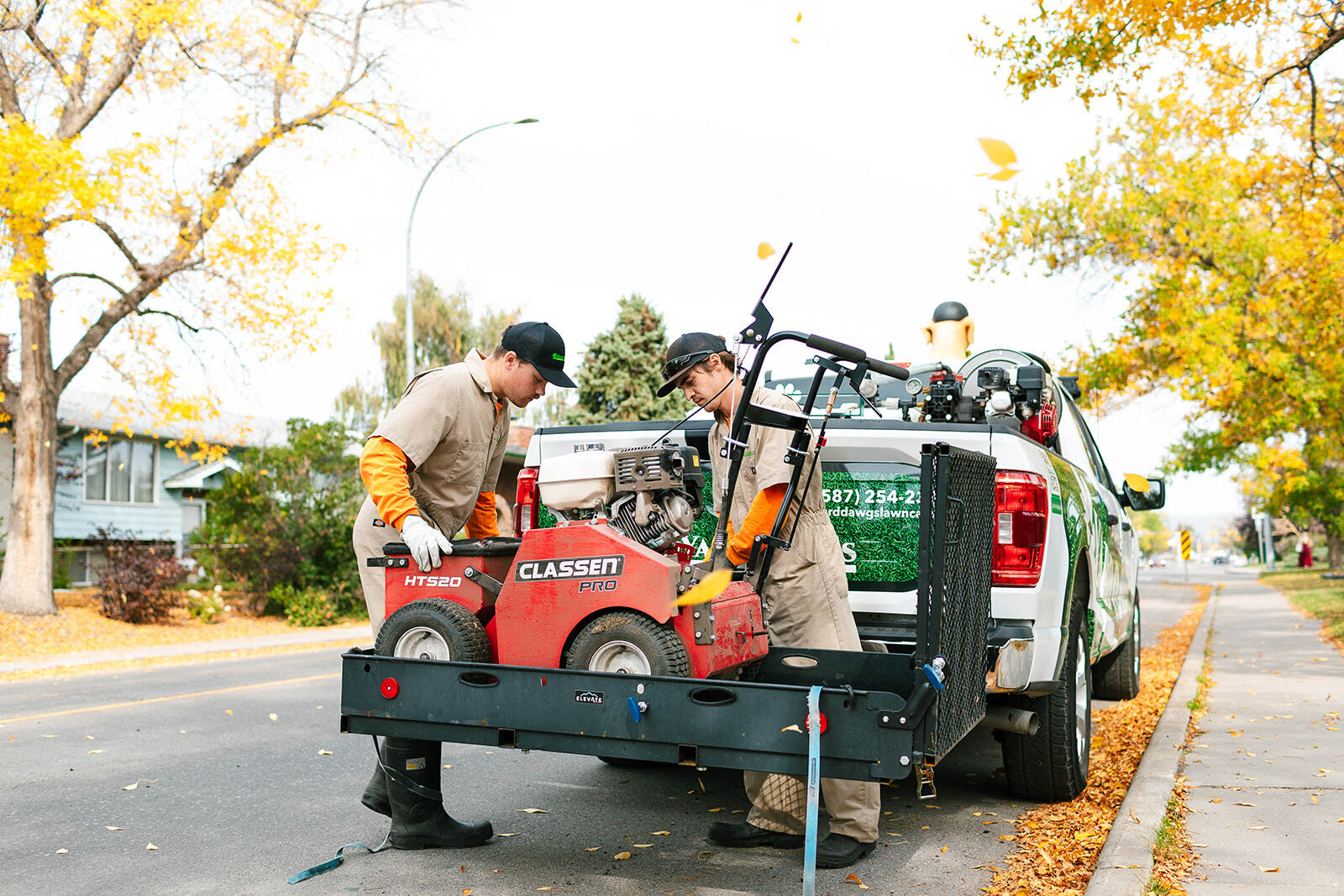
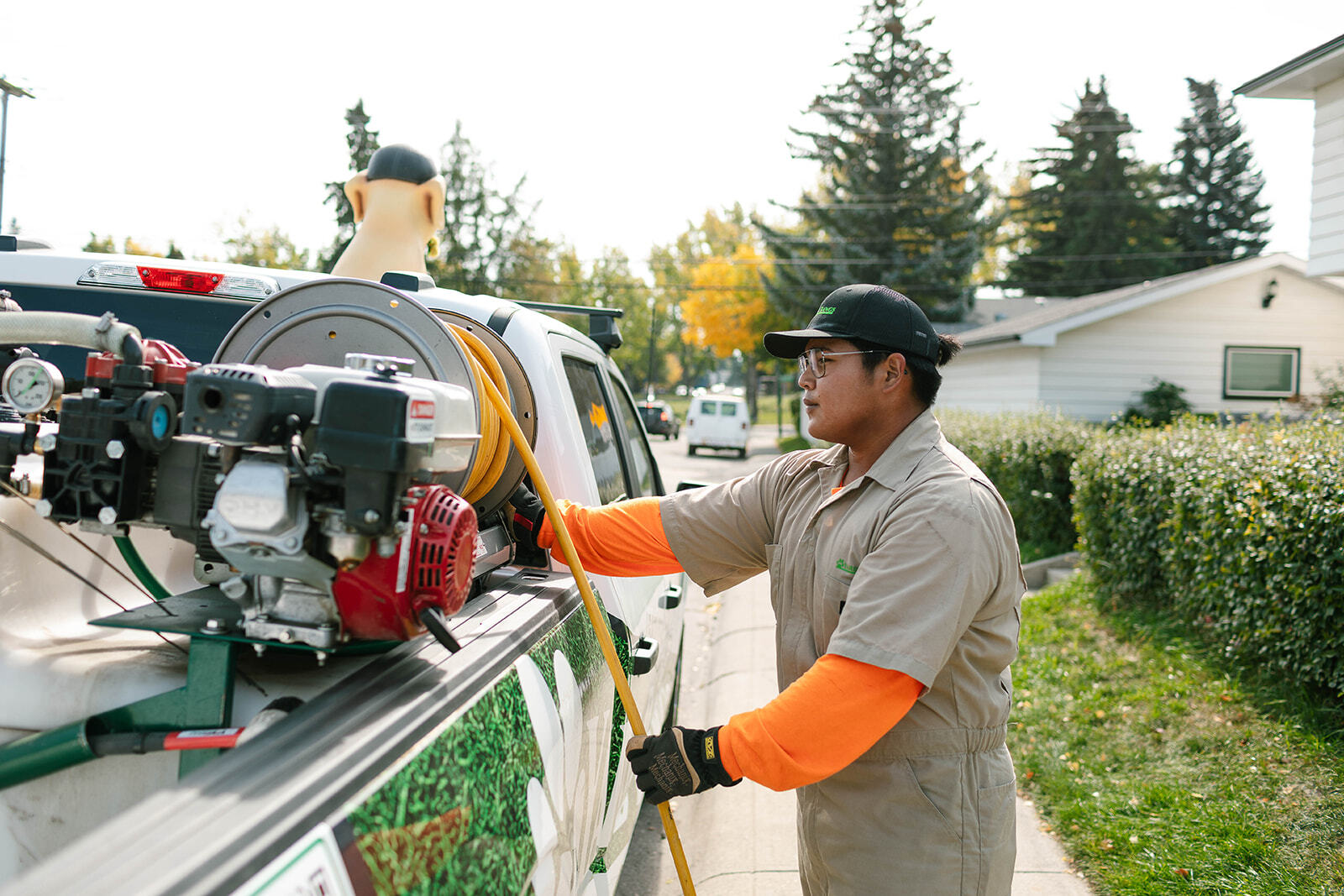
Yard Dawgs Lawn Care provides professional overseeding and lawn maintenance services across Canada. Their team ensures the right seed mix, timing, and care plan for your unique yard.
Visit Yard Dawgs Lawn Care to learn more about our lawn care services and request a free lawn assessment. With expert help, you can enjoy a thicker, greener, and healthier lawn without the guesswork.