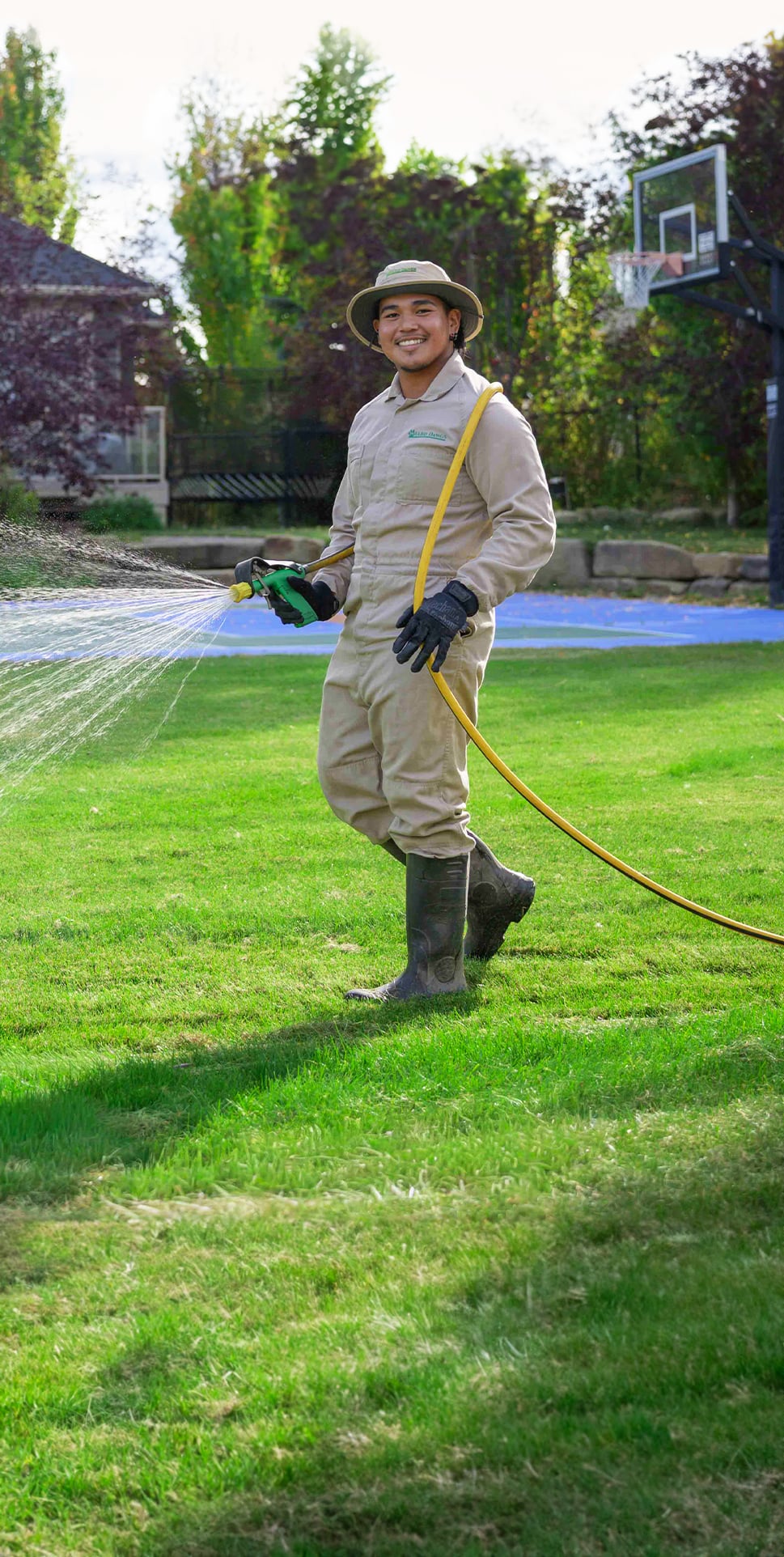








On the Prairies, spring doesn’t arrive quietly. One week the lawn is frozen solid, the next it’s exposed, dry on top, and deceptively fragile underneath. Freeze-thaw cycles, wind, and uneven snow cover leave grass stressed long before homeowners even think about green-up. That’s why early spring lawn care is less about aesthetics and more about damage control and recovery.
Grass emerging from winter isn’t ready for aggressive growth. Roots are shallow, soil is compacted, and nutrients locked away below the surface. The choices made in early spring determine whether your lawn strengthens steadily, or struggles through the rest of the season.
This checklist walks Prairie homeowners through what actually matters first, how timing affects results, and how professional services support healthy lawns without overstimulating them too early.

Limited spots available!
Transform your lawn today

Limited spots available!
Transform your lawn today
Why Early Spring Lawn Care Matters on the Prairies
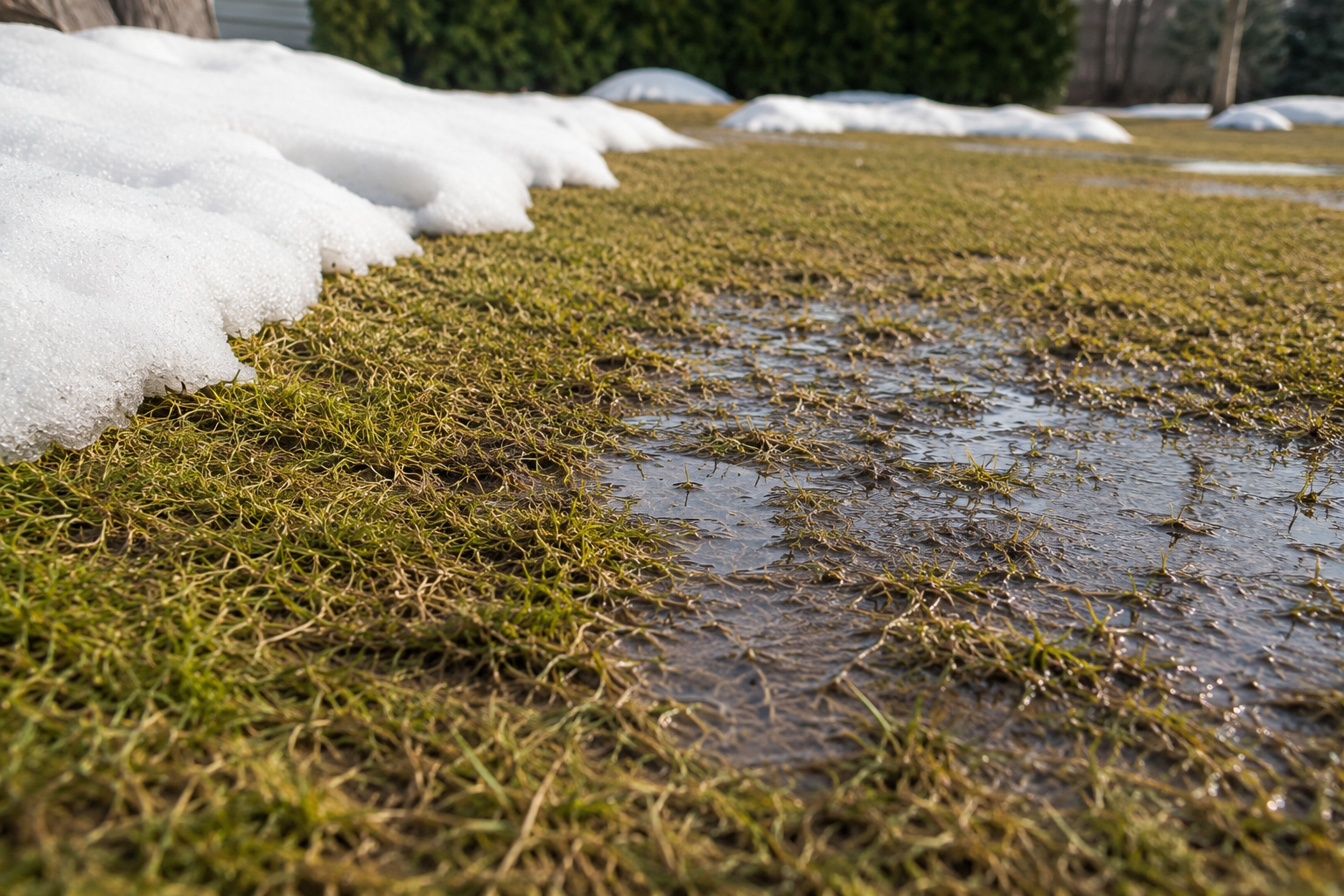
Prairie lawns face a different set of challenges than those in milder regions. Snow often melts unevenly, exposing patches of turf to wind and sun while surrounding areas remain cold and dormant. This creates inconsistent soil temperatures and moisture levels across the lawn.
Early spring care focuses on stabilizing these conditions. Instead of rushing visible growth, the goal is to prepare soil and grass so they can respond properly once active growth begins. Homeowners who skip this phase often end up fighting thin turf, weeds, and stress damage later in the season.
Timing Comes Before Any Treatment
Starting too early is one of the most common mistakes in early spring lawn care. Grass may look ready, but soil conditions tell the real story.
Your lawn is ready for early spring work when:
- Snow has fully melted and excess water has drained
- The ground feels firm underfoot rather than spongy
- Nighttime temperatures are no longer dipping well below freezing
Until these conditions are met, most treatments are ineffective or risky. Waiting protects grass crowns and ensures any service applied has the intended impact.
Step One: Light Cleanup Without Aggression
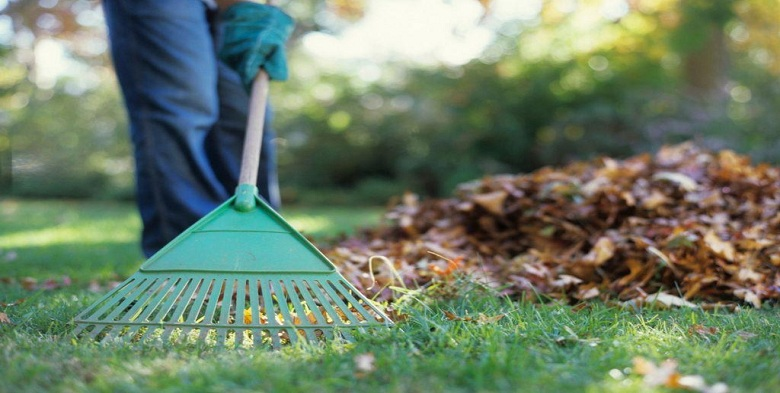
Winter leaves behind more than debris. It leaves matted grass that restricts airflow and slows soil warming. Early spring cleanup is about opening the surface gently, not tearing into recovering turf.
Light raking removes leaves, small branches, and loose dead grass. This improves air circulation and allows sunlight to reach the soil more evenly. It also reveals compacted or weakened areas that will benefit from targeted services later.
Overworking the lawn at this stage causes more harm than good. Early spring lawns are especially vulnerable to root damage.
Step Two: Fix What Winter Did Underground
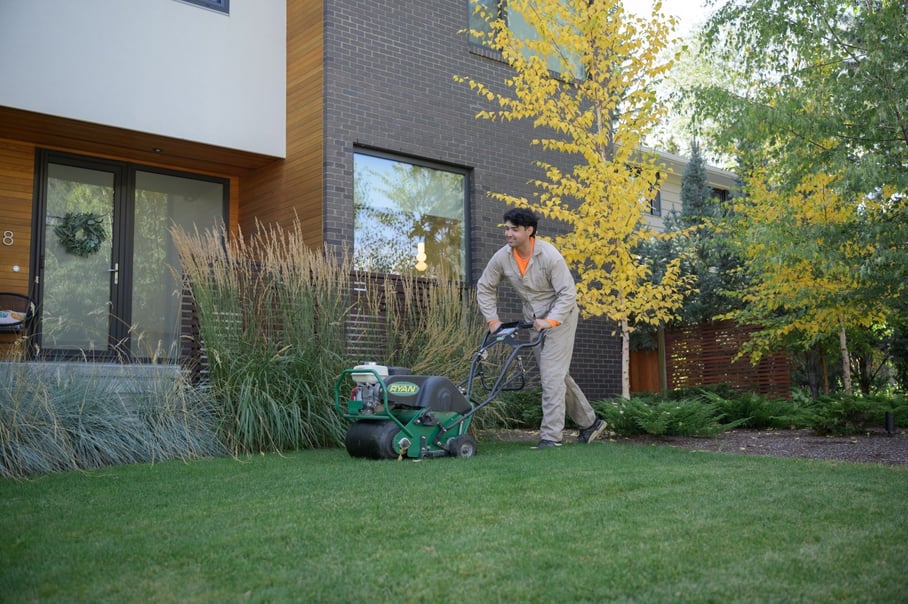
Compaction is nearly unavoidable after Prairie winters. Snow weight, ice layers, and foot traffic compress soil, limiting oxygen and water movement.
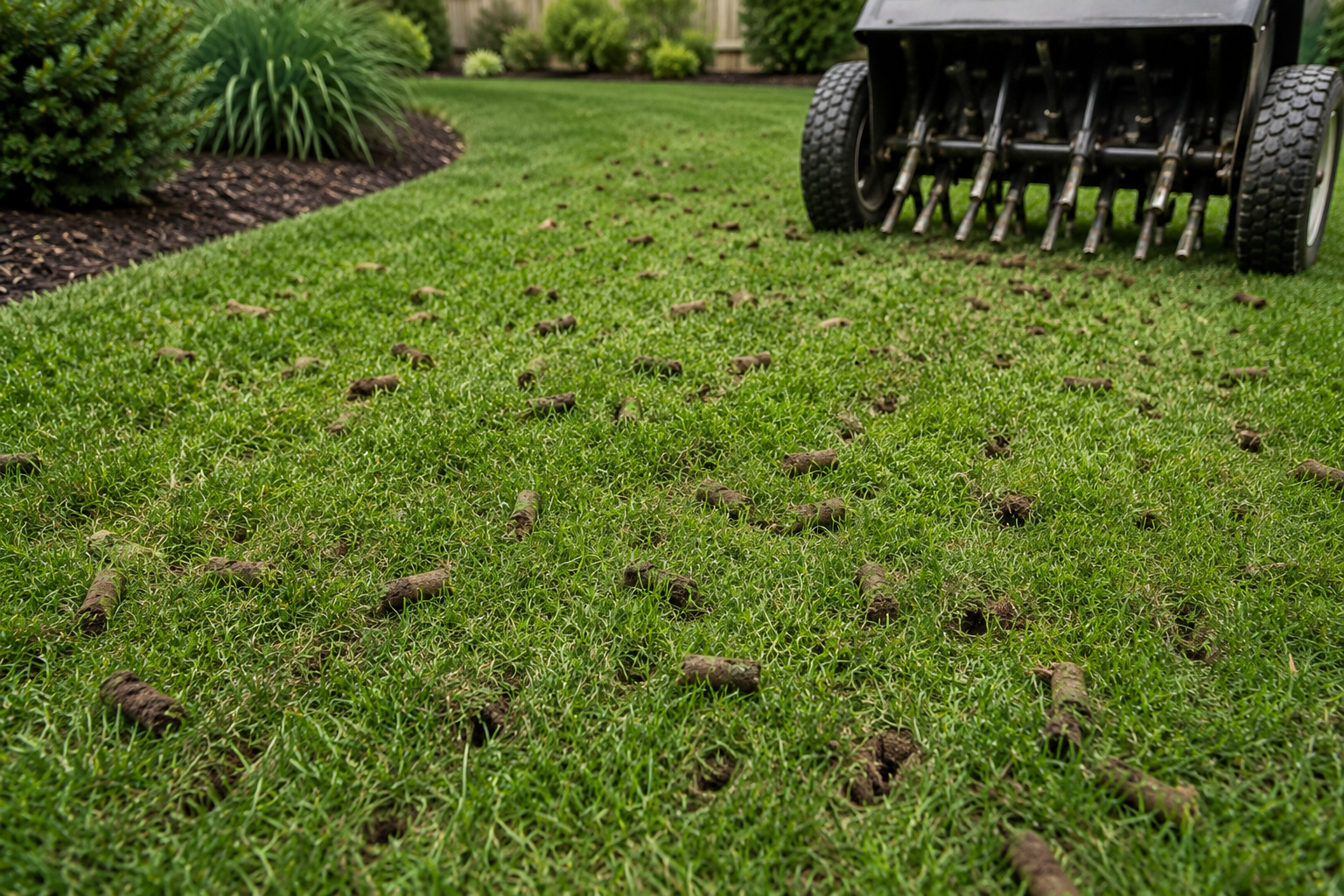
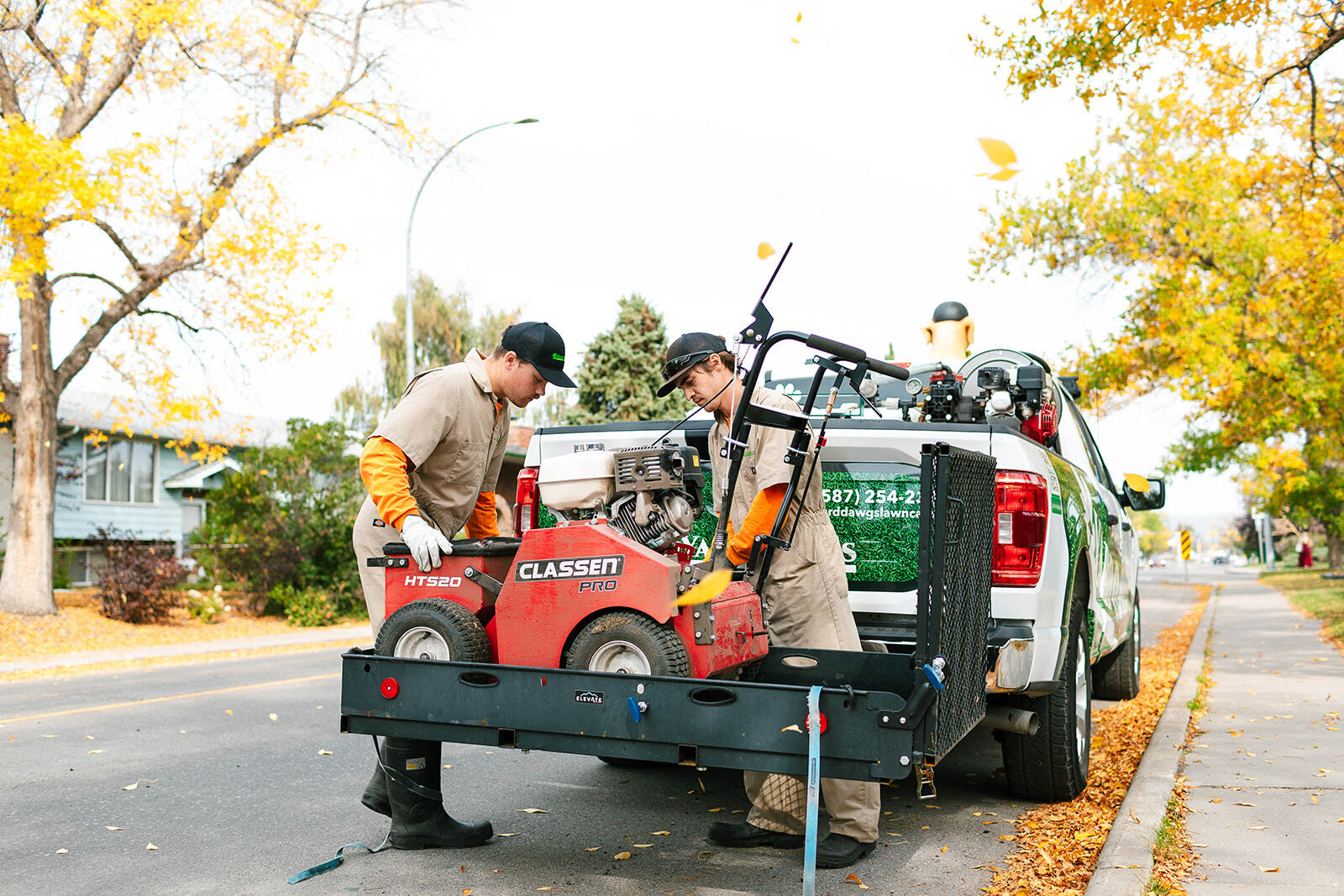
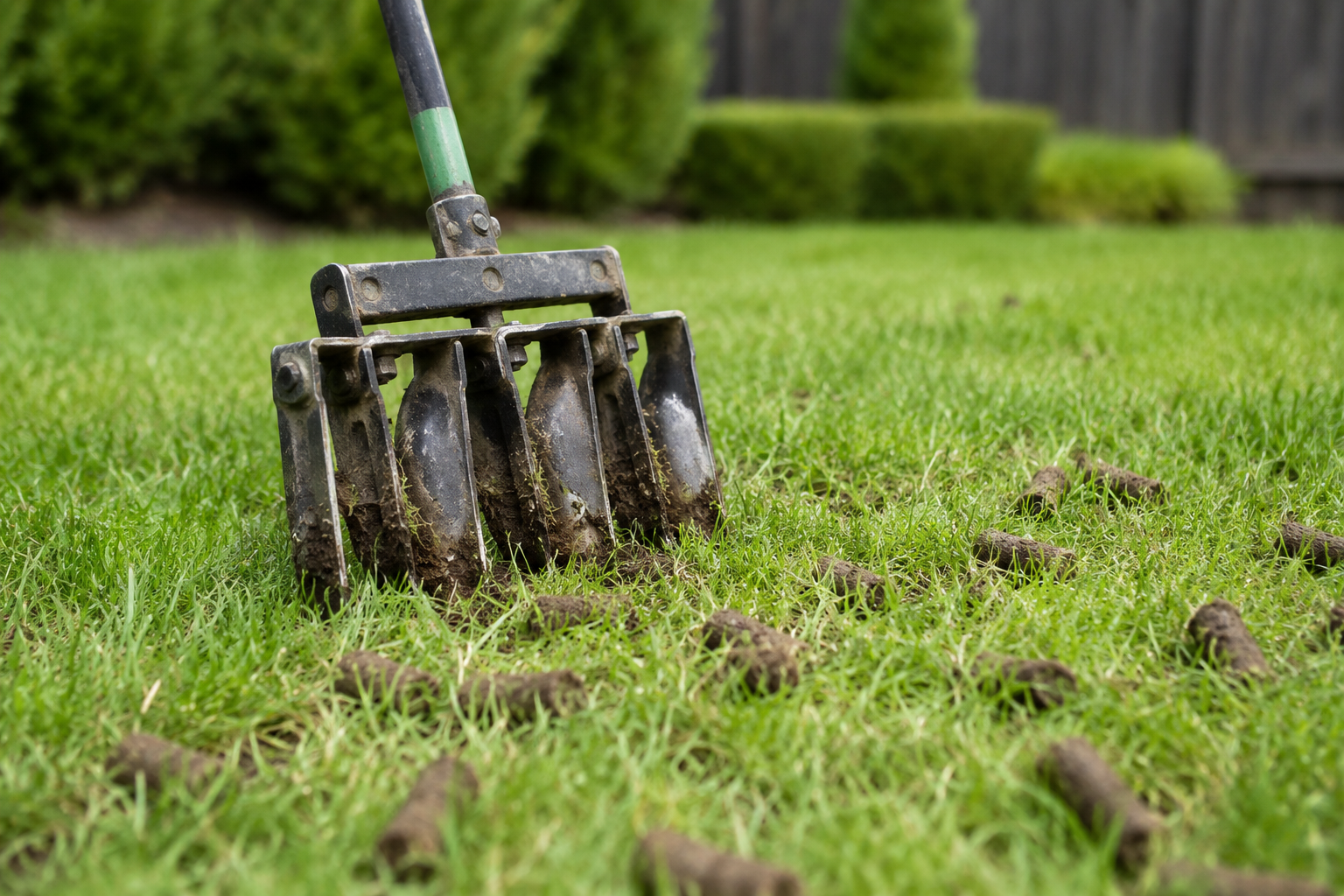
Mechanical aeration and liquid aeration are the most effective ways to address this early. Mechanical aeration opens physical channels in the soil, while liquid aeration improves soil structure and permeability. Together, they restore proper root access without forcing premature growth.
Early aeration ensures nutrients applied later actually reach the root zone, rather than remaining near the surface.
Step Three: Repair Thin Areas Before Growth Explodes
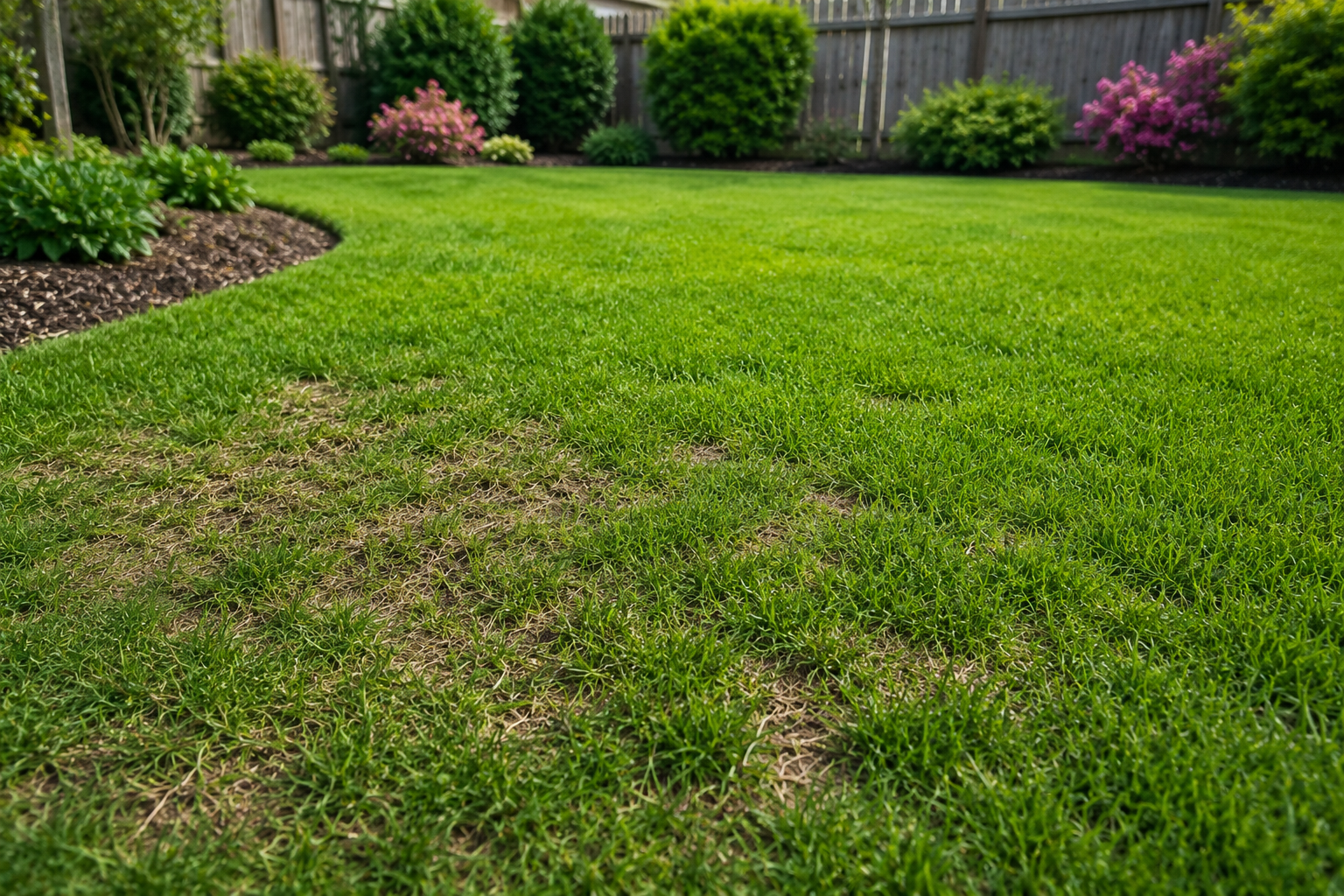
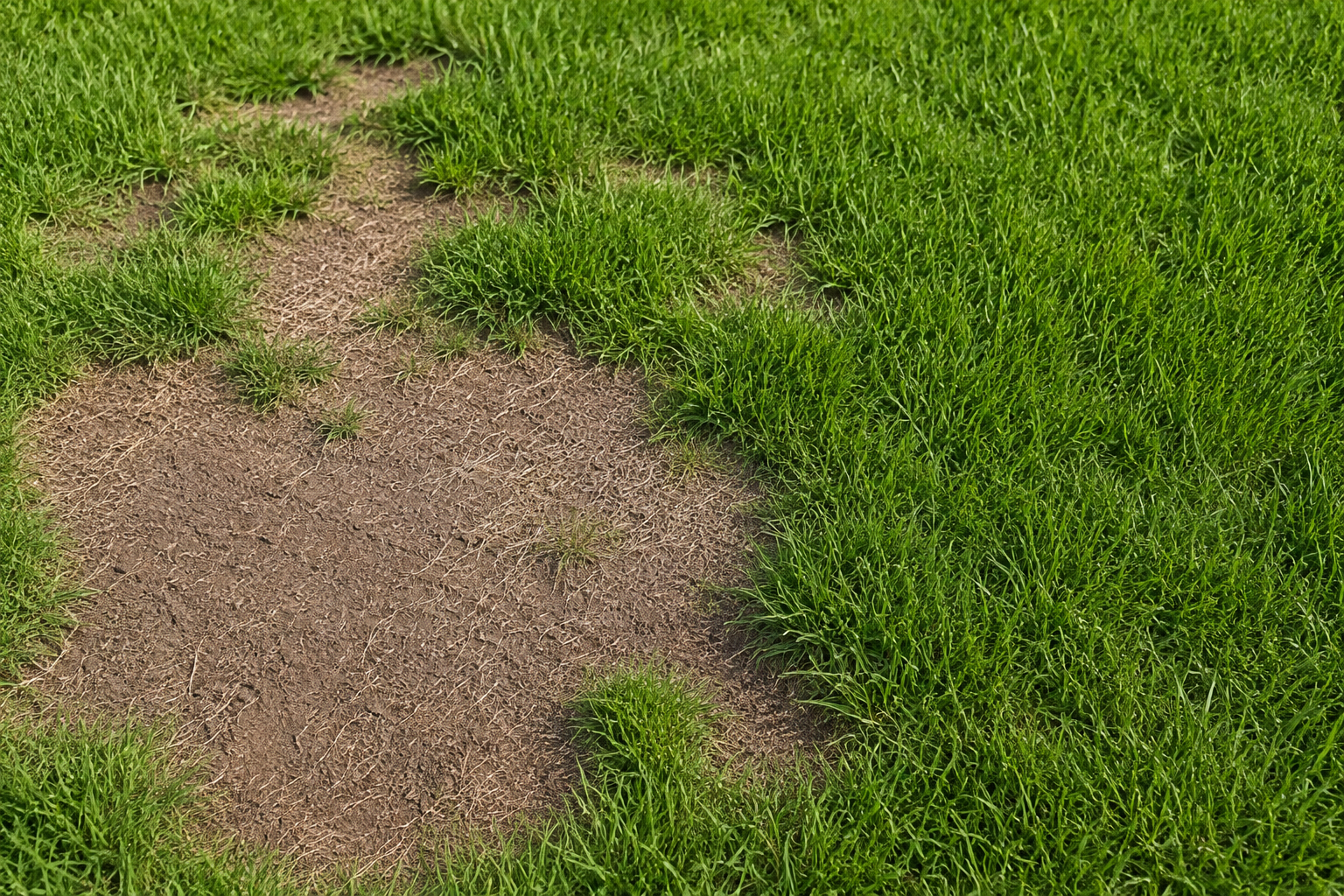
Bare or thinning patches often expand rapidly once weeds become active. Addressing these areas early prevents larger issues later in the season.
Aeration plus improves soil conditions by relieving compaction and allowing air, water, and nutrients to reach the root zone more effectively. Early spring application helps grass recover gradually and develop stronger roots, rather than struggling during peak summer stress.
This step strengthens lawn density naturally, one of the most effective defenses against weeds.
Step Four: Feed the Lawn, Not the Problem
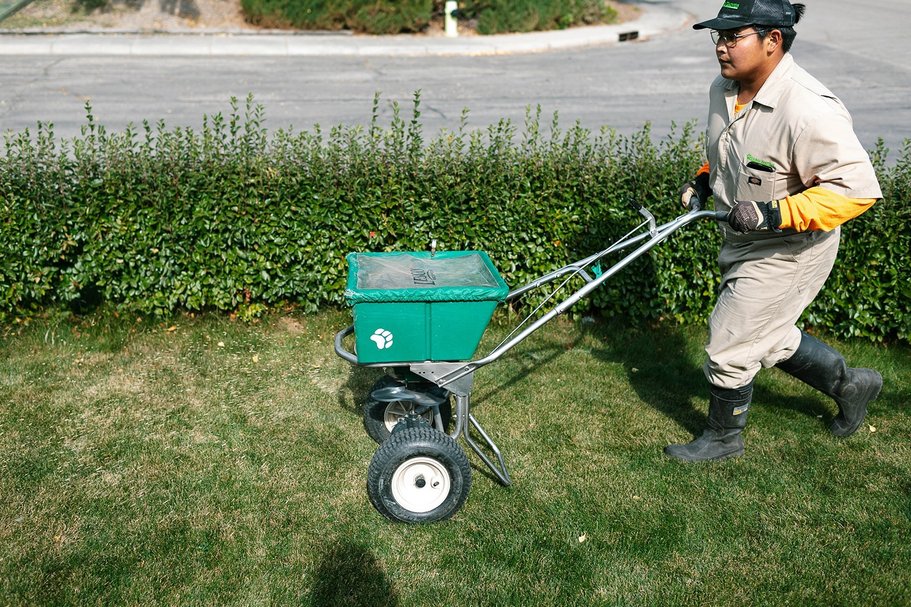
Early fertilization is about support, not speed. Grass emerging from winter needs balanced nutrition that encourages root recovery first, not rapid blade growth.
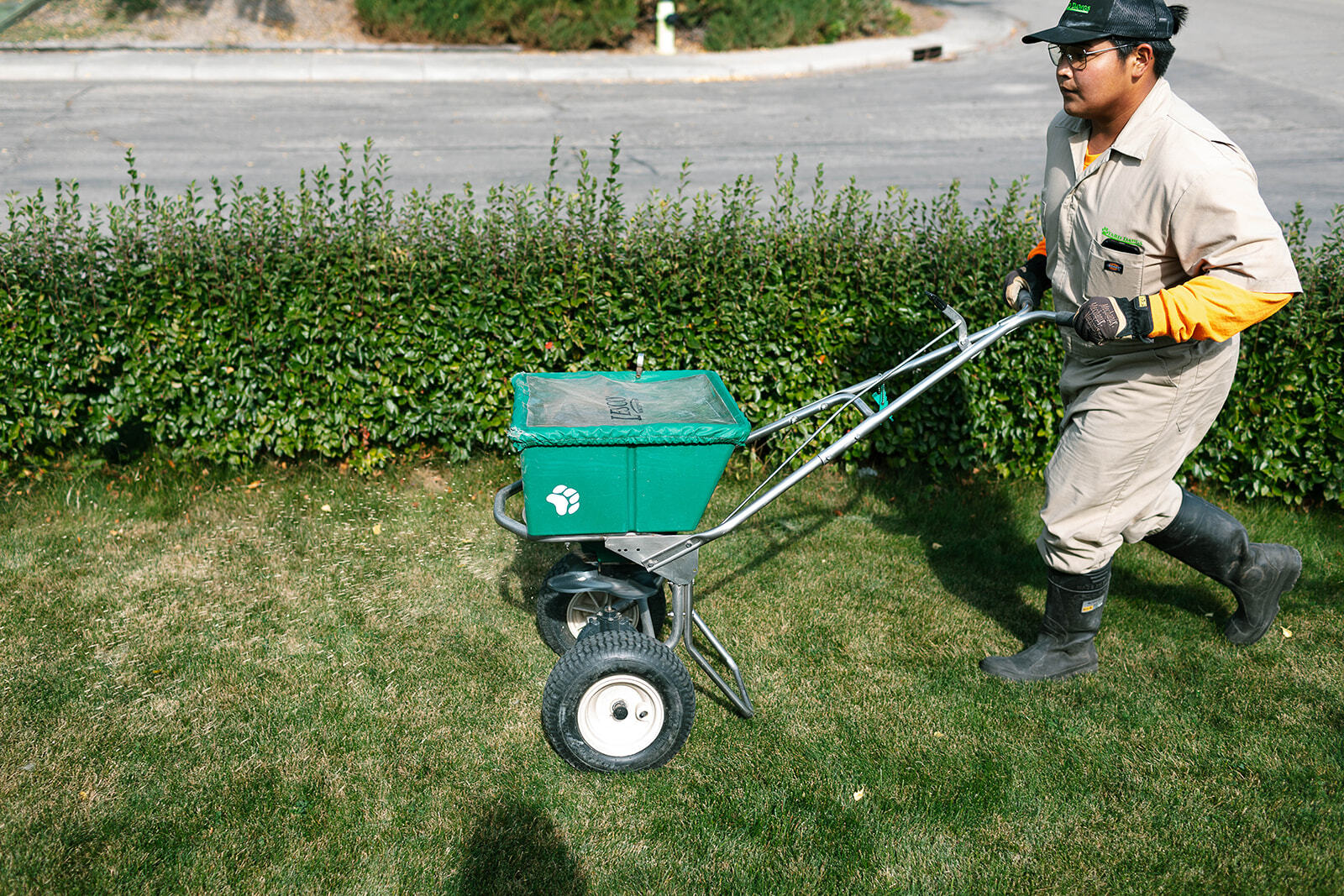
Liquid fertilizer is especially effective in early spring because it distributes nutrients evenly and becomes available quickly. When paired with soil enhancers like Super Juice and sea kelp, fertilization improves nutrient uptake and helps grass manage stress during temperature swings.
This controlled approach creates steady colour improvement without weakening the lawn later.

Step Five: Weed Pressure Starts Earlier Than You Think
On the Prairies, weeds often wake up at the same time, or sooner, than grass. Early spring weed control reduces competition when turf is most vulnerable.
Targeted weed control protects the progress made through aeration, fertilization, and seeding. Hardscape weed control also plays a role, preventing weeds from spreading into the lawn from cracks and edges.
Early action minimizes the need for stronger corrections later in the season.
Step Six: Watch for Early-Season Insect Stress
Chinch bugs thrive in dry, stressed environments, conditions that can develop quickly during Prairie springs. While damage may not be visible immediately, early monitoring reduces the risk of widespread thinning as temperatures rise.
Integrating insect awareness into early spring lawn care helps protect turf before problems escalate.
Early Spring Lawn Care Checklist (Prairie Focused)
Use this checklist to keep priorities clear without overworking your lawn:
- Clear surface debris gently to restore airflow
- Aerate soil to relieve winter compaction
- Aeration plus thin areas to rebuild density early
- Apply liquid fertilizer with soil enhancers for controlled recovery
Each step builds on the previous one. Skipping ahead often creates uneven results.
Why Early Spring Care Shouldn’t Be One-and-Done
Early spring lawn care sets the foundation, but lawns continue to change rapidly as temperatures stabilize. Prairie weather is unpredictable, and adjustments are often needed.
Consistent service with the same experienced team ensures treatments evolve with real conditions, not assumptions. Growth patterns, moisture levels, and weed pressure all shift as the season unfolds.
That continuity is a major advantage of professional lawn care, especially in regions where spring doesn’t follow a predictable script.