






A healthy, weed-free lawn enhances your home’s curb appeal and helps to keep unwanted plants away. However, homeowners debate whether or not there is a need to handle weeds themselves or hire professionals for the job.
In this article, we’ll explore everything you need to know about the pros and cons of DIY vs. professional weed control to help you decide which method is the best for you. So, let’s dive into it.

Limited spots available!
Transform your lawn today

Limited spots available!
Transform your lawn today
Common Types of Lawn Weeds
Before deciding on a treatment approach, it helps to know what you're actually dealing with. Not all weeds respond to the same methods, and misidentifying one can mean wasted effort or a treatment that doesn't work.
- Broadleaf weeds: plants like dandelions, clover, and plantain, easy to spot by their wide, non-grass-like leaves. These typically respond well to selective broadleaf herbicides that target them without harming turf grass.
- Grassy weeds: weeds like crabgrass and quackgrass that closely resemble the lawn itself, making them harder to spot early. Because they share physical traits with turf grass, they often require different, more targeted herbicides than broadleaf weeds do.
- Annual weeds: weeds that complete their life cycle in a single season, germinating, spreading seed, and dying off within one year. Controlling them usually depends on timing, catching them before they seed with pre-emergent treatments is far more effective than treating them after they've spread.
Proper identification matters because a treatment that works on one weed type can be completely ineffective, or even counterproductive, on another. Applying a broadleaf herbicide to a grassy weed problem, for example, won't touch the actual issue and wastes both time and product.
DIY Weed Control
Let’s start with an overview of the pros and cons of DIY weed control.
Pros
There are multiple benefits to DIY weed control, ranging from cost effectiveness to a greater degree of control.
Cost-effective solutions
DIY weed control is generally more budget-friendly than hiring professionals. You can buy the necessary products and avoid service costs.
Full control over products and methods
If you decide to proceed with DIY weed control, then you will automatically gain full control over the products and methods used. So, whether those are organic or chemical, the flexibility and decisions are yours to make.
Immediate action at your convenience
With DIY weed control, you do not have to wait around for scheduled service or plan an appointment in advance. You can take the tools and products and start the lawn care whenever is most convenient for you.
Cons
Even though there are certain benefits to the process, let’s not forget about addressing the drawbacks of DIY weed control.
Time-consuming and labor-intensive
One of the main disadvantages of DIY lawn care is that the process is quite time-consuming. DIY weed control often requires regular upkeep, from hand-pulling weeds to applying treatments multiple times. Larger areas or stubborn infestations can become difficult to manage alone.
Risk of using ineffective or harmful products
Without professional expertise, you may choose products that fail to control certain weed species or, worse, damage your lawn. Overuse or improper application of chemicals can also pose safety risks.
Limited expertise in weed identification and treatment
Different weeds require different treatments. If you fail to identify the type of feed, it can lead to inefficient control methods and, thus, no results.
Requires regular maintenance and reapplication
Unlike professional treatments that provide long-term suppression, DIY weed control often requires repeated applications to keep weeds at bay. Skipping maintenance can lead to rapid weed regrowth.
Potential harm to surrounding plants and lawn health
DIY herbicides or hand-pulling methods can unintentionally damage desirable plants or disrupt the soil. Some chemicals may leach into the ground, affecting the overall health of your lawn or garden.

Professional Weed Control
Professional weed control, just like DIY, has certain ups and downs. However, let us spoil a little detail for you: there are definitely more benefits than cons.
Pros
Let’s start with the benefits.
Expert knowledge and effective treatments
One of the main benefits of professional lawn care is expert service and effective treatments. Professionals understand different weed types, their growth patterns, and the best treatment methods. Thus, their expertise allows them to provide targeted solutions that efficiently eliminate weeds.
Saves time and effort
Hiring a professional service means you don’t have to spend hours pulling weeds, applying treatments, or researching the best products.
Long-term prevention and maintenance
Professional services focus not only on weed removal but also on long-term prevention. They use pre-emergent herbicides and customized strategies to stop weeds from returning.
Custom treatment plans tailored to your lawn's needs
Professionals assess your lawn’s specific conditions, from soil type and grass species to weed infestations. This allows them to create a personalized treatment plan and ensure the best results without unnecessary chemical use.
Reduces the risk of lawn damage
Incorrect application of herbicides can harm your grass, flowers, or surrounding plants. Professionals use precise techniques to apply treatments safely and effectively, minimizing potential damage.
Cons
Professional weed control also has a few drawbacks, such as higher upfront costs and less control over product selection and scheduling.
Higher upfront costs
With professional lawn care, you have to keep in mind slightly higher upfront costs compared to DIY methods. However, also remember that in the long run, you will be getting high returns on investments in the form of a healthy lawn.
Less control over product selection
With professional services, you have less control over product selection since professionals choose the products and treatments used. However, it is not necessarily a bad thing at first, they understand what types of products your lawn needs exactly. Secondly, you can always collaborate with lawn care providers regarding products if you strongly prefer chemical-free or strictly organic solutions.
Scheduling and service availability constraints
Professional services require appointments, which may not always align with your schedule. During peak seasons, availability may be limited, requiring advanced booking to secure a spot.
DIY Weed Control vs. Professional Weed Control: Side-by-Side Comparison
Seeing both approaches laid out side by side makes it easier to weigh what matters most for your specific lawn:
|
Factor |
DIY Weed Control |
Professional Weed Control |
|
Cost |
Lower upfront, product costs only |
Higher upfront, but often better long-term value |
|
Effectiveness |
Variable, depends on correct product and identification |
Consistently high, backed by trained application |
|
Time commitment |
High, ongoing hands-on effort |
Low, handled by the service provider |
|
Equipment |
Basic sprayers or hand tools |
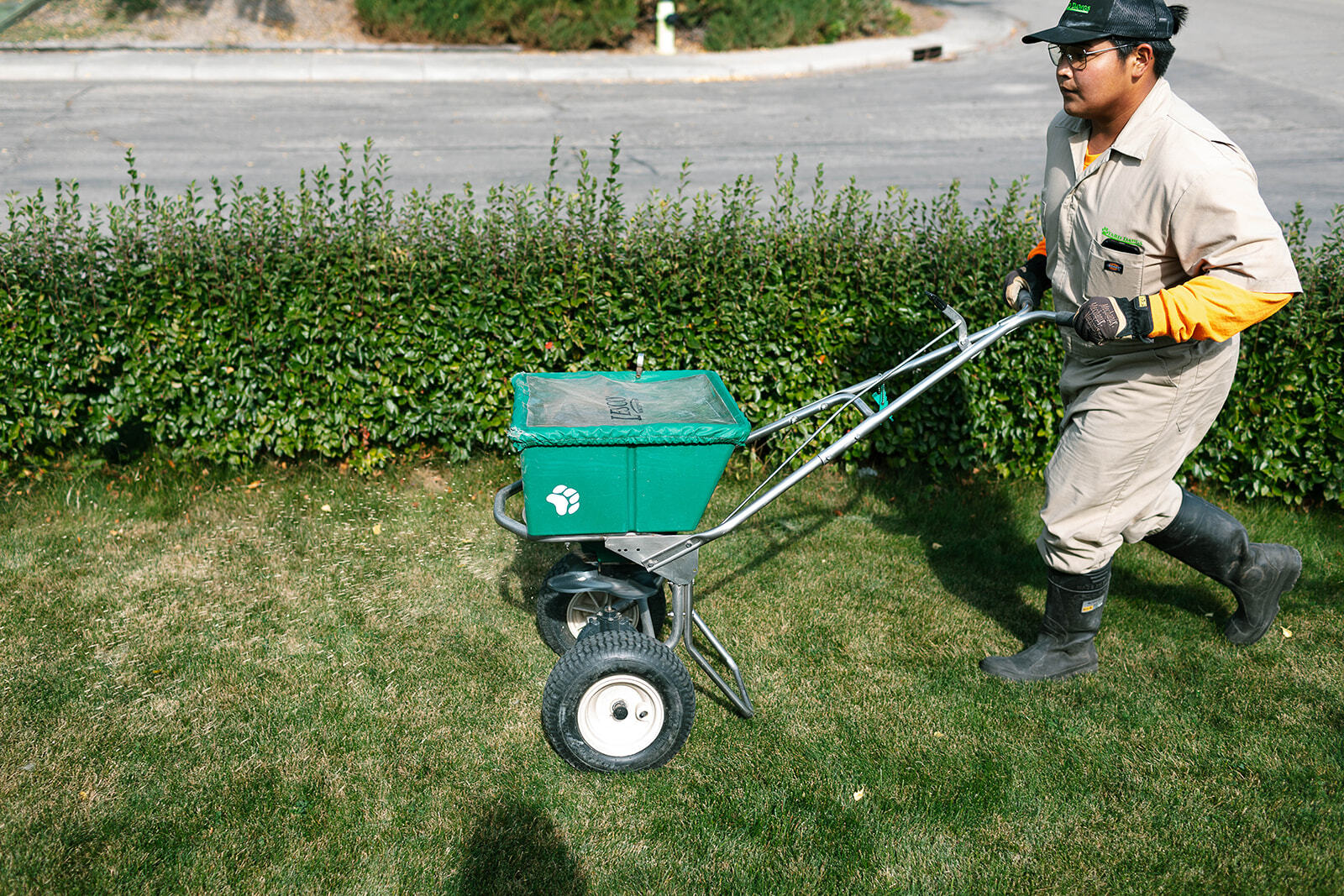
Commercial-grade equipment for even, thorough coverage |
|
Products |
Store-bought, general-purpose options |
Professional-grade, often not available to consumers |
|
Expertise |
Limited to homeowner's own research |
Trained knowledge of weed species and growth cycles |
|
Long-term results |
Often temporary without repeat treatment |
Built around sustained prevention, not just removal |
|
Safety |
Risk of misapplication or overuse |
Applied by trained technicians following safety protocols |
|
Maintenance requirements |
Frequent reapplication needed |
Scheduled visits handle ongoing maintenance |
When DIY Weed Control Makes Sense
DIY weed control isn't the wrong choice for every situation, it can be a practical, cost-effective option in the right circumstances:
- Small lawns: a limited area is manageable to treat and monitor without needing commercial equipment.
- Isolated weeds: a few scattered weeds rather than a widespread infestation can often be handled with targeted, spot treatment.
- Homeowners who enjoy lawn care: for those who like the hands-on process, DIY offers direct involvement and control over every step.
- Minor infestations: catching a weed problem early, before it spreads across the lawn, makes DIY treatment far more likely to succeed.
When It's Time to Hire Professional Weed Control Services
Some situations call for more than a DIY approach, either because the problem has outgrown manageable effort or because the risk of getting it wrong is too high:
- Persistent weed infestations: weeds that keep coming back despite repeated DIY treatment usually signal a deeper issue that needs professional-grade products or techniques.
- Recurring weeds: the same weed problem returning season after season often means the root cause, whether soil health, timing, or product choice, hasn't been properly addressed.
- Large properties: bigger lawns are harder to treat evenly and consistently by hand, making professional equipment and labor far more efficient.
- Invasive species: aggressive or hard-to-control weed species often require specialized products and application methods beyond typical consumer-grade options.
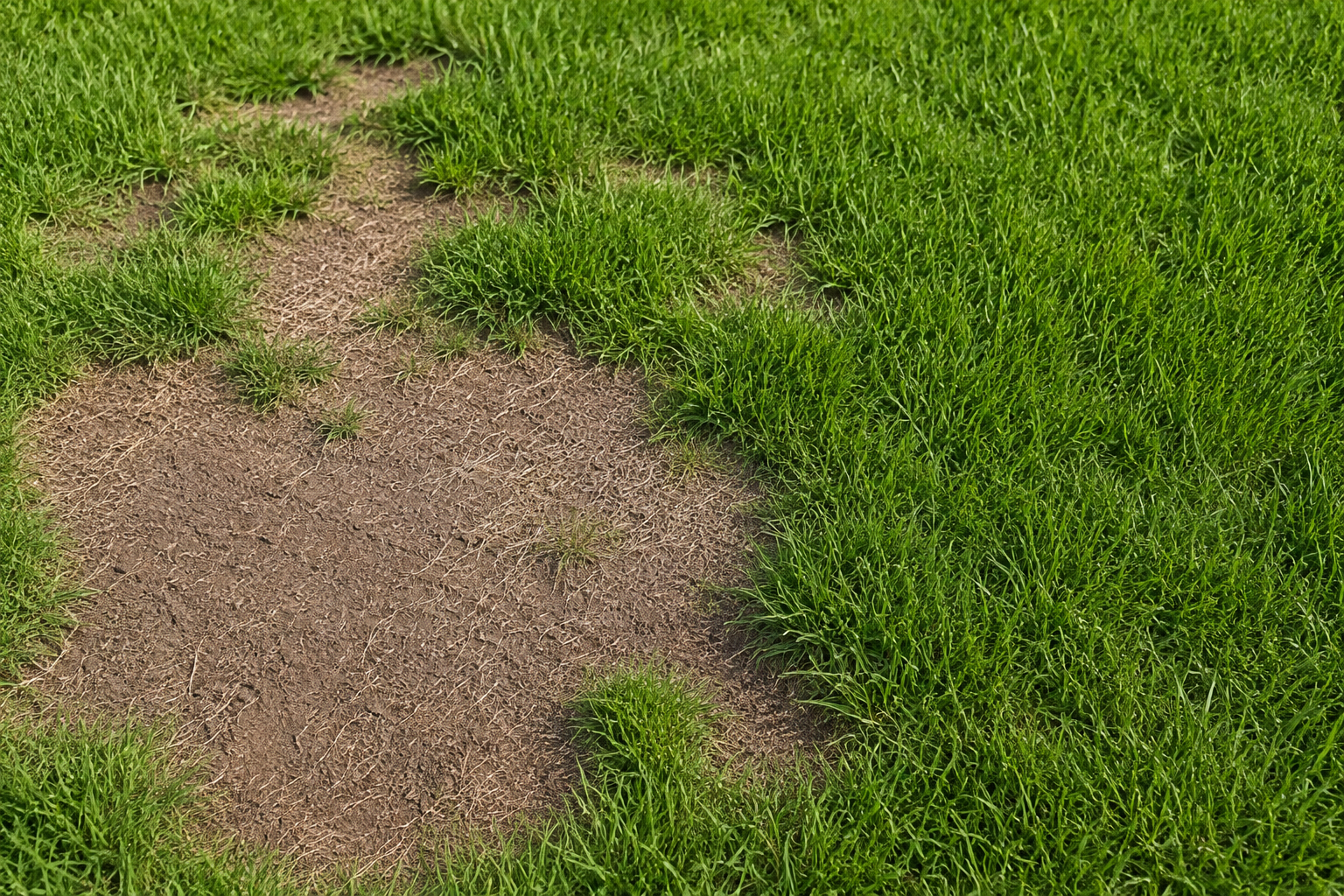
- Severe lawn damage: when weeds have already caused significant thinning or dead patches, professional assessment helps address both the weeds and the underlying lawn health.
- Homeowners looking for long-term weed prevention: pre-emergent strategies and seasonal treatment plans are typically more effective when managed by a professional service familiar with local weed cycles.
Frequently Asked Questions About Weed Control
Is DIY weed control effective?
It can be, especially for small lawns or isolated weeds caught early. Effectiveness depends heavily on correctly identifying the weed type and using the right product at the right time.
Is professional weed control worth the cost?
For persistent, recurring, or widespread weed problems, yes, the higher upfront cost is often offset by better long-term results and less time spent on repeated DIY treatments.
How often should weeds be treated?
This depends on the weed type and severity, but most lawns benefit from a pre-emergent treatment in early spring, followed by spot treatments or seasonal applications as needed throughout the growing season.
What's the difference between pre-emergent and post-emergent herbicides?
Pre-emergent herbicides target weed seeds before they germinate, preventing them from ever sprouting. Post-emergent herbicides treat weeds that have already grown, killing existing plants rather than stopping new ones.
Can professional weed control prevent weeds from coming back?
Yes, professional services typically combine pre-emergent treatments with customized, ongoing strategies designed to address the root cause of recurring weeds, not just remove what's currently visible.
Is DIY weed control safe for pets and children?
It can be, provided products are applied correctly and any recommended waiting periods before re-entering the treated area are followed. Reading and following label instructions carefully is essential to avoid unnecessary exposure.

Get Expert Lawn Care with Yard Dawgs
If you are looking for expert lawn care services, then you are in the right place. At Yard Dawgs, we provide high-quality lawn care to help you maintain a healthy and weed-free lawn. Our solutions are cost effective and convenient for you.
Contact us to find out more about what we have to offer and how we can help you achieve a lush and healthy lawn.