






“I could look down into the thatch and see 30–40 of them in a one-foot area.”
Only a handful of lawn pests can completely destroy grass in a matter of weeks - chinch bugs are one of them. These small insects reproduce quickly, thrive in hot weather, and are often mistaken for drought damage until it’s too late.

Limited spots available!
Transform your lawn today

Limited spots available!
Transform your lawn today
In Calgary and other Prairie cities, chinch bug activity typically begins in June and intensifies through July and August. If left untreated, they can turn a healthy lawn into dead turf that may require full re-sodding, costing thousands.
This guide explains how chinch bugs damage lawns, how to identify an infestation early, and the smartest way to protect your grass.

What Are Chinch Bugs?
Chinch bugs are small, sap-sucking insects that feed on turfgrass. In Canada, the hairy chinch bug is the most common and destructive species.
Key characteristics:
- About 4–5 mm long
- Immature bugs are red or orange with white bands
- Adults turn black with white wings
- Prefer Kentucky bluegrass and red fescue, which make up most Alberta lawns
They overwinter in lawn thatch and protected areas, then emerge once soil temperatures warm in spring. Because of their size, populations can reach infestation levels before homeowners notice anything is wrong.
How Do Chinch Bugs Kill Grass?
Chinch bugs damage lawns in two ways:
- They suck sap from the crown and stems of grass plants
- They inject a toxic saliva that blocks the grass’s ability to transport water
Once poisoned, the grass turns yellow, then brown, and ultimately dies - even if the lawn is being watered properly. The bugs then move on to the next plant.
This is why chinch bug damage is commonly misdiagnosed as drought stress.
What Does Chinch Bug Damage Look Like?
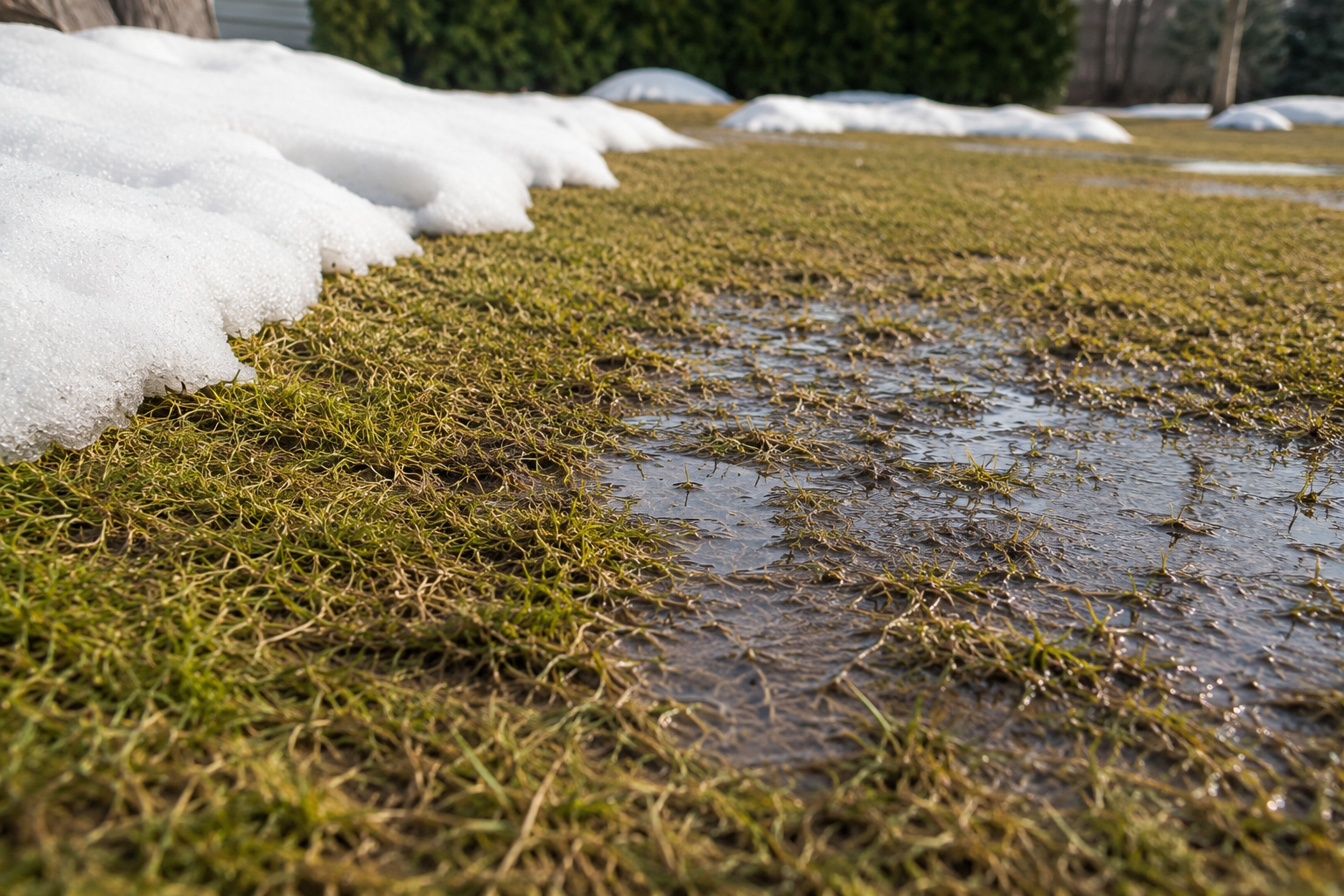
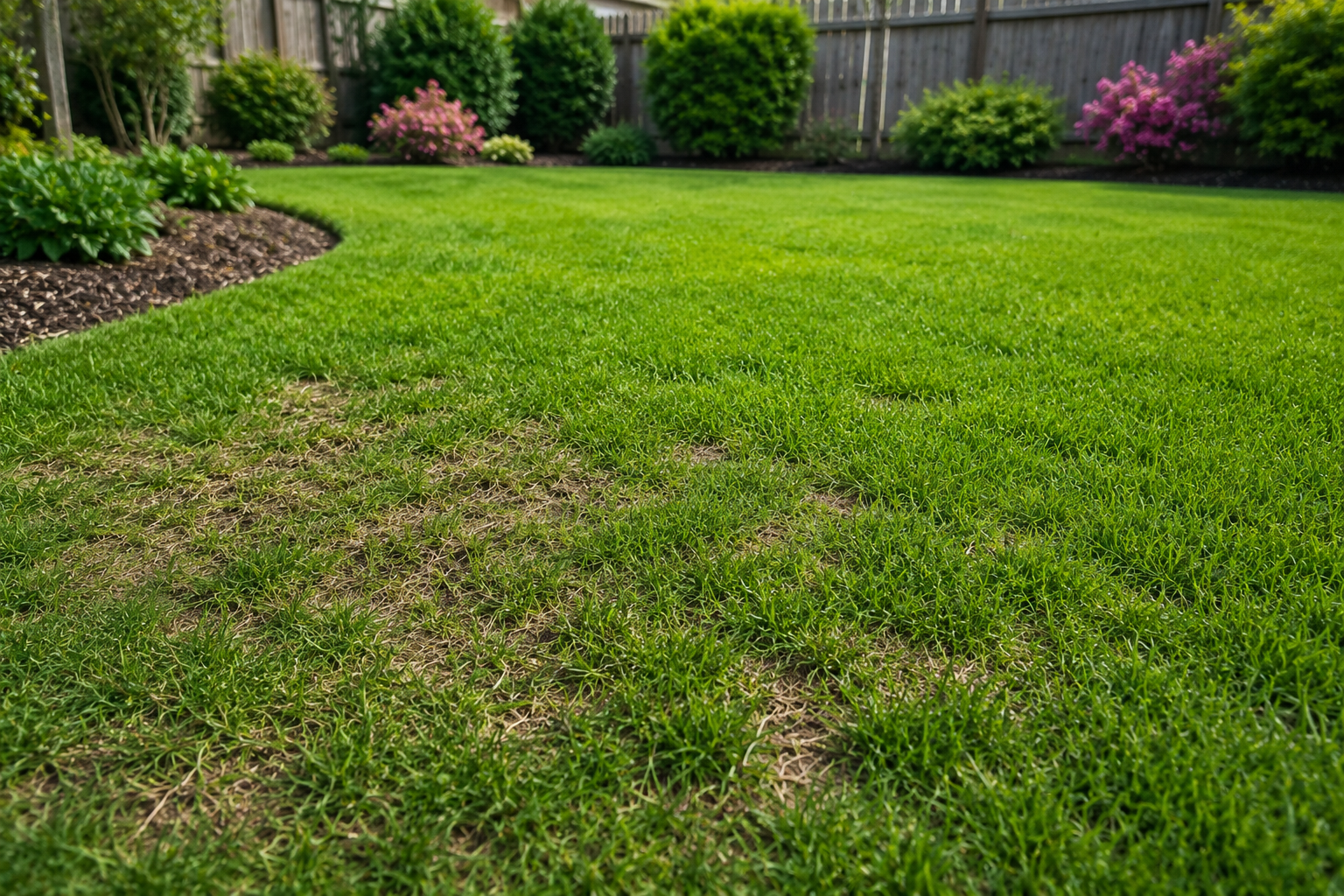
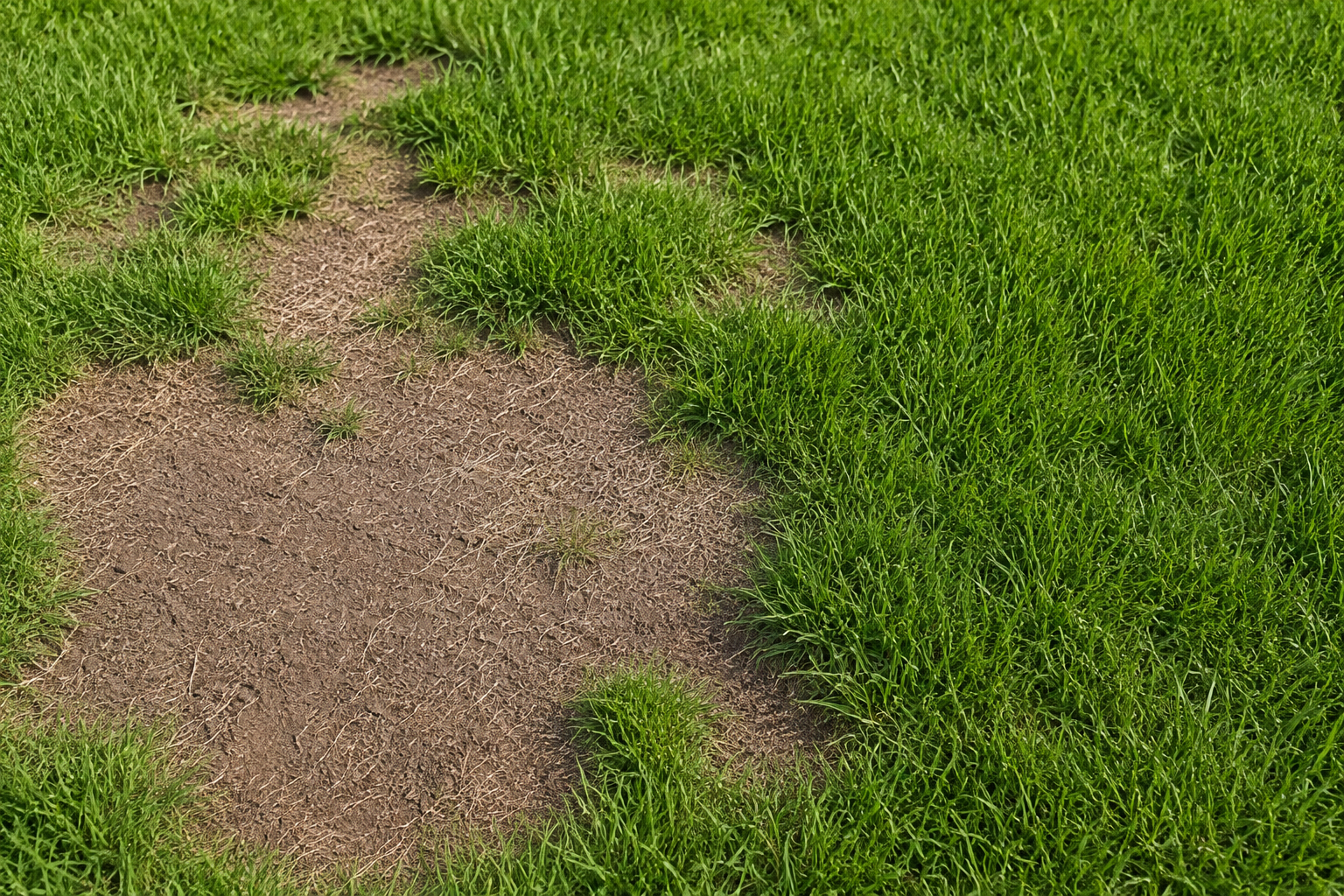
Early damage appears as small, irregular yellow or brown patches that resemble dry turf. Over time, these patches:
- Spread rapidly in hot, dry weather
- Do not respond to watering
- Merge into large dead areas of grass
Damage often appears first:
- Along driveways and sidewalks
- Near foundations
- In full-sun areas that retain heat
If unchecked, an infestation can destroy an entire lawn.
How to Tell If You Have Chinch Bugs
If your lawn is well-watered but still developing dead patches, chinch bugs are a strong possibility.
DIY Identification Methods
- Coffee Tin Method
- Cut both ends off a tin can
- Push it 5 cm into the soil on the edge of a damaged area
- Fill with water and wait 5–10 minutes
- Chinch bugs will float to the surface
- Scrape and Inspect
- Scratch back grass and thatch in a dry area
- Look closely at the soil surface
- Tiny black bugs with white markings indicate a problem
Because infestations can spread quickly, early diagnosis is critical.
Why Chinch Bugs Are a Serious Problem in Calgary
Chinch bugs do not die off over winter - they hibernate and return when temperatures rise. In southern Calgary, infestations have worsened steadily since 2015.
Even worse:
- Infestations easily spread to neighboring properties
- Damage costs are far higher than weed problems
- Severe cases can lead to $3,000–$8,000+ in re-sodding costs
Ignoring chinch bugs is one of the most expensive lawn care mistakes homeowners make.
Can You Get Rid of Chinch Bugs Naturally?
Some eco-friendly options exist for very small infestations, including:
- Neem oil
- Diatomaceous earth
- Encouraging natural predators (birds, beneficial insects)
However, these methods require direct contact, precise timing, and repeated applications. Many DIY attempts fail because:
- Bugs are not fully soaked
- Products are diluted and residential-grade
- Overapplication damages grass
- Underapplication leaves the population intact
For active infestations, professional treatment is strongly recommended.
Professional Chinch Bug Control: What Works
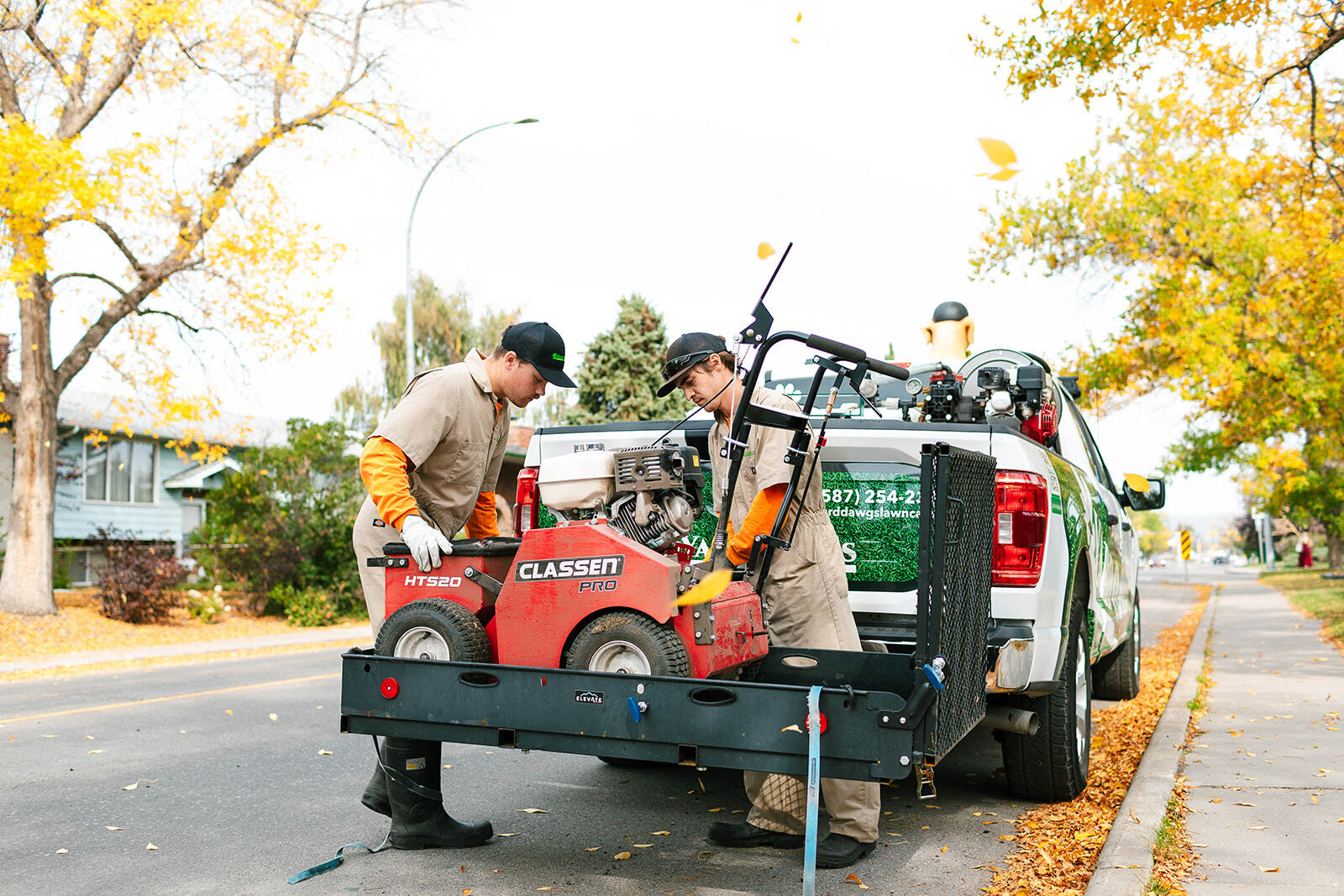
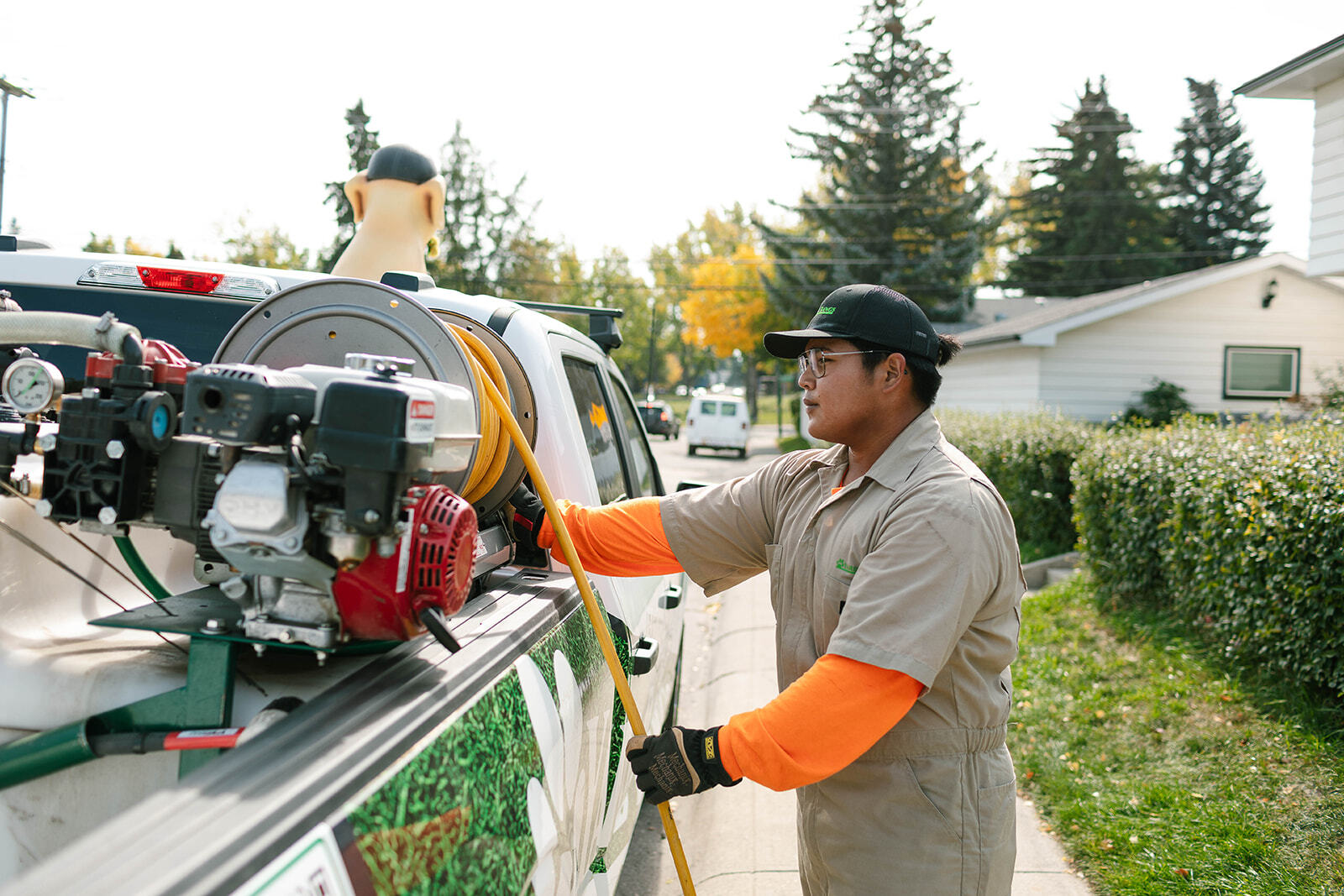
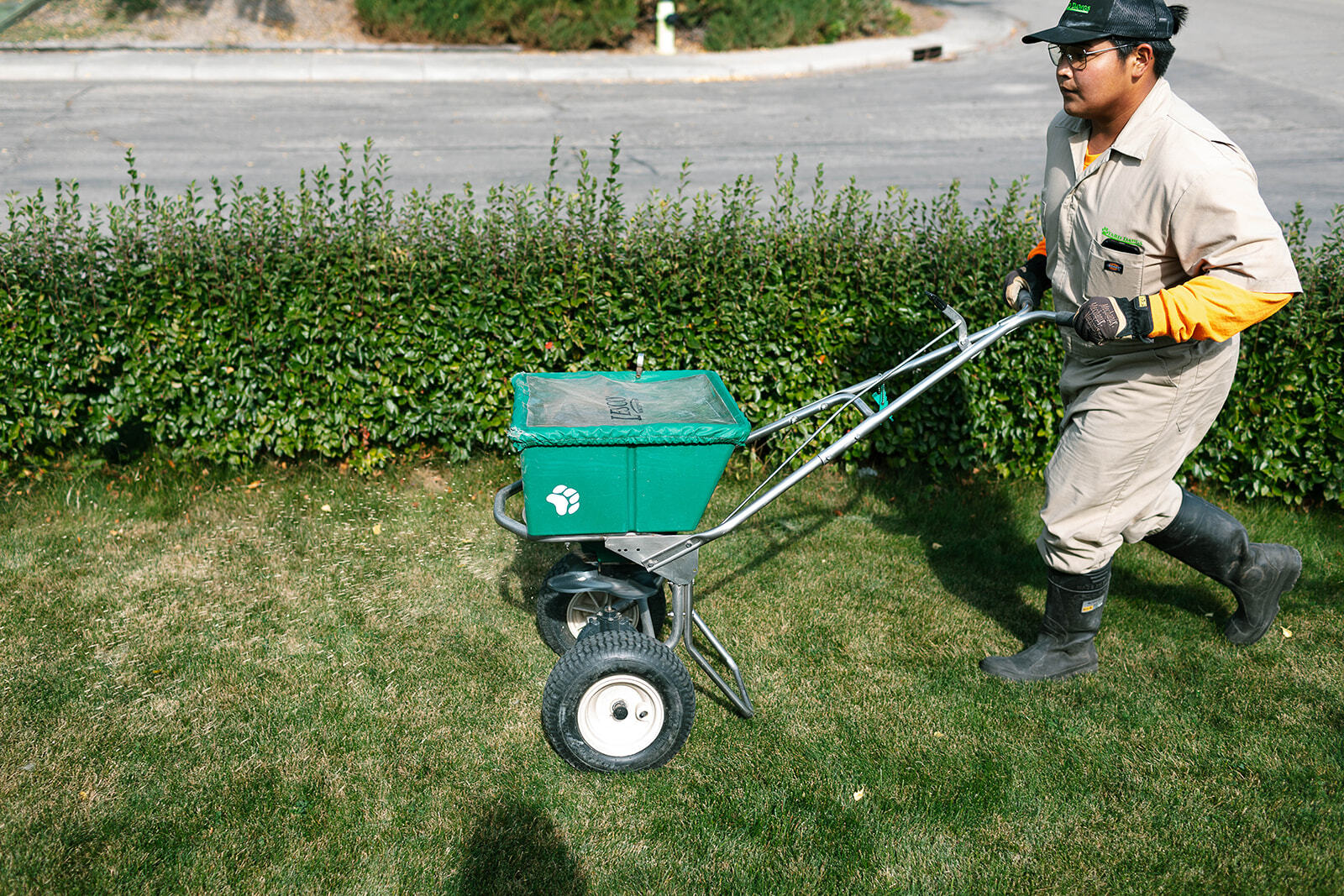
Certified lawn care companies use commercial-grade insecticides that are:
- Specifically formulated for chinch bugs
- Safe when applied correctly
- Vastly more effective than retail products
At Yard Dawgs, we recommend:
- Two treatments per season
- First application in June
- Second application between August and September
- Full-lawn blanket spray with extra focus on damaged areas
One application typically reduces the population by 75–90%, with a follow-up sealing the result.
Is Chinch Bug Treatment Safe?
Yes - when applied by trained professionals.
Safety guidelines include:
- Keep people and pets off the lawn for the rest of the day
- No watering required after application
- Treatment remains effective even if it rains lightly afterward
Professionals are certified, equipped with safety gear, and trained to apply the correct dosage - eliminating guesswork and risk.
How Much Does Chinch Bug Control Cost?
- Two-application treatment program:
$400–$1,000, depending on lawn size
Compare that with the cost of doing nothing:
Re-sodding a 2,000 sq. ft. lawn
- Sod removal and hauling
- Soil replacement and leveling
- New sod installation
- Daily watering for weeks
Estimated cost: $6,000+
Preventative treatment costs a fraction of reactive repair.
Repairing Lawns After Chinch Bug Damage
Once chinch bugs are controlled, damaged lawns need support to recover.
Recommended steps:
- Rake out dead grass
- Lightly topdress with soil
- Overseed bare patches
- Keep topsoil consistently moist
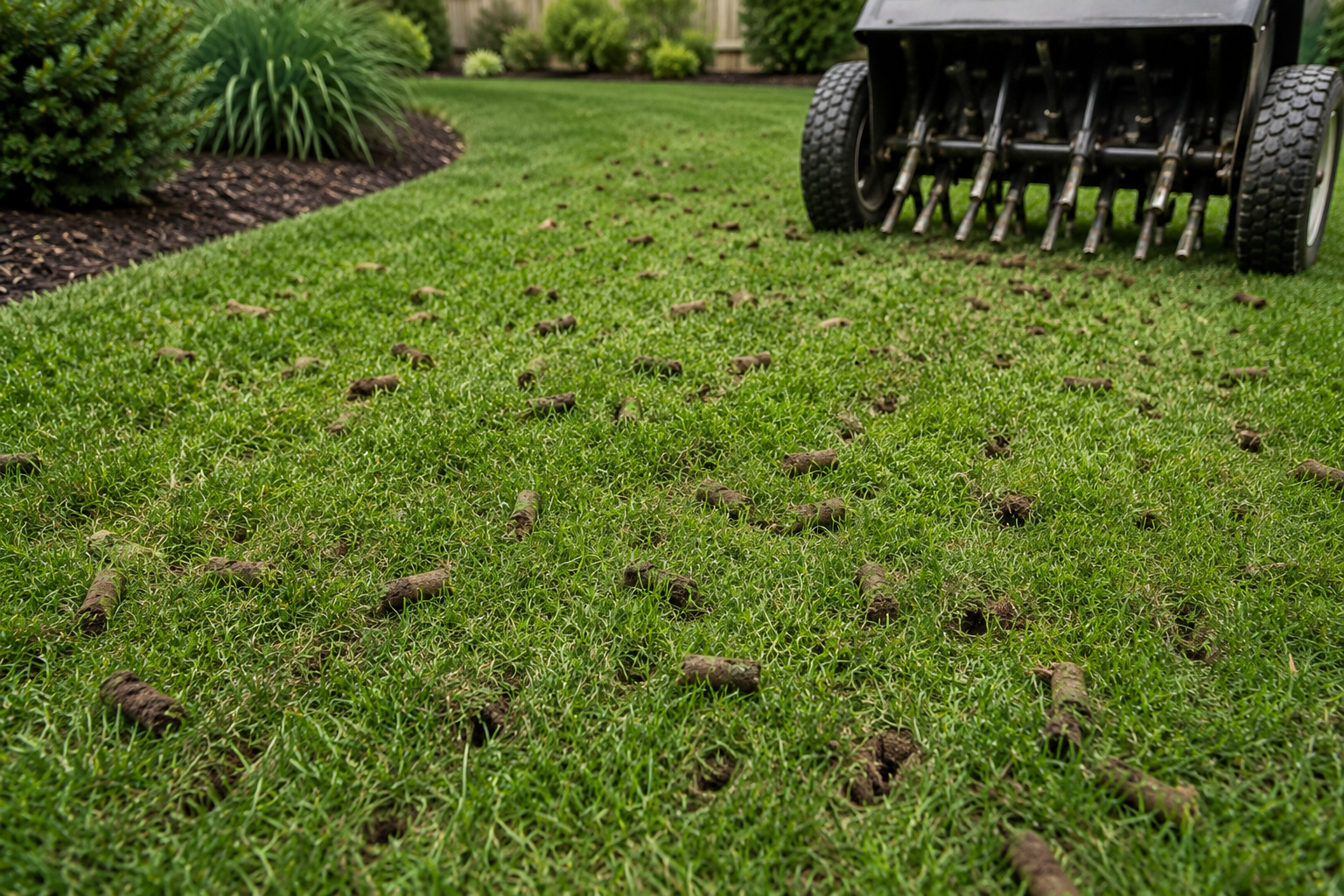
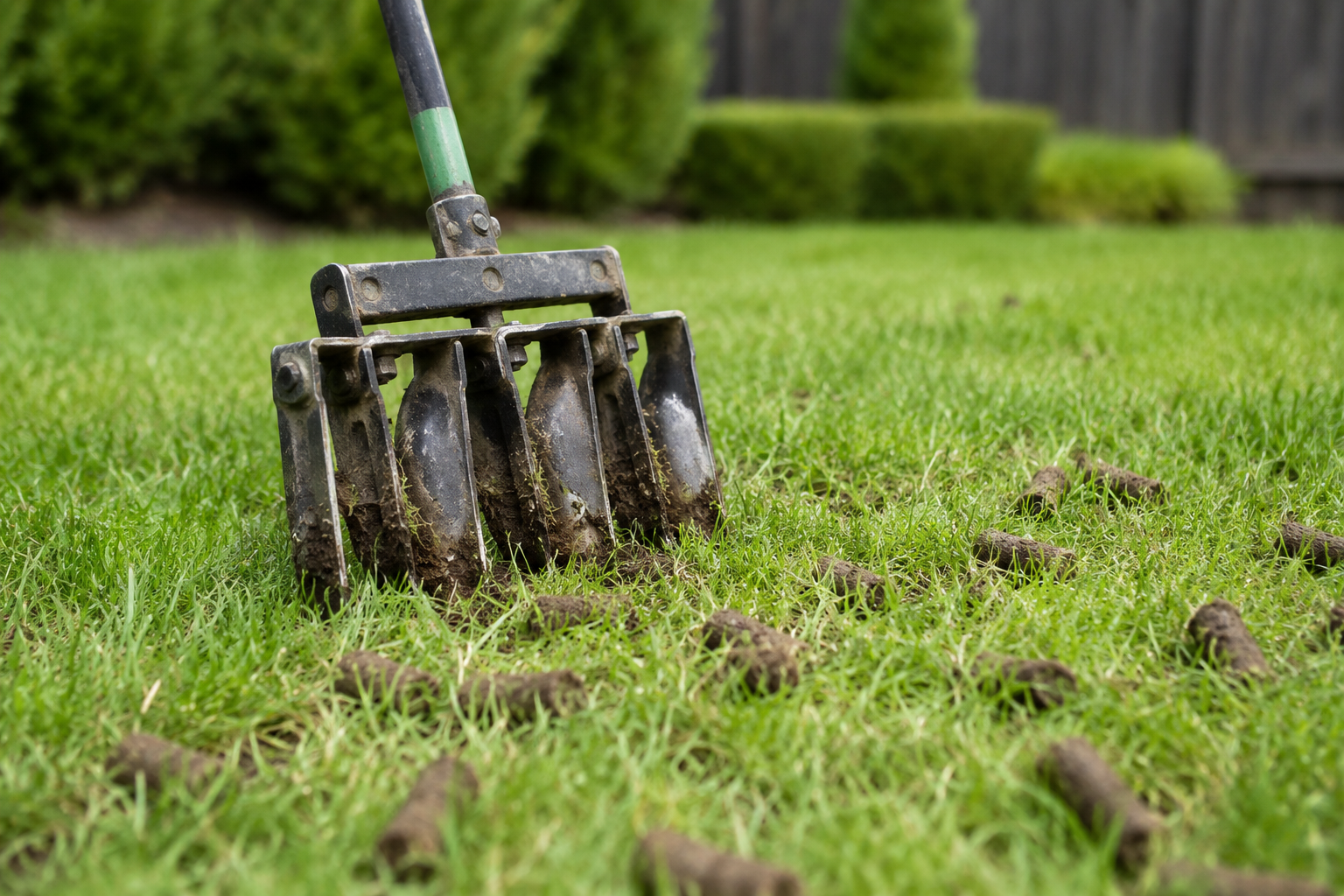
- Aerate to improve oxygen and water flow
Healthy grass is far less appealing to future infestations.
How to Prevent Chinch Bugs From Returning
- Mow regularly and keep grass at 2–2.5 inches
- Water consistently - about 1 inch per week
- Aerate annually, preferably in the fall
- Avoid excessive nitrogen fertilization
- Investigate dry patches early - don’t wait
Preventative care always costs less than emergency repair.
Final Takeaway
Chinch bugs are small, fast-moving, and incredibly destructive - but they’re not unbeatable.
The danger lies in misdiagnosing the problem and waiting too long. What starts as a few dry patches can spiral into complete lawn loss within weeks.
The good news? Early detection and professional treatment can save your lawn and protect your investment.
If your lawn shows signs of unexplained yellowing or dead patches despite proper watering, it’s time to act. Prevention and early intervention are always cheaper than replacement.