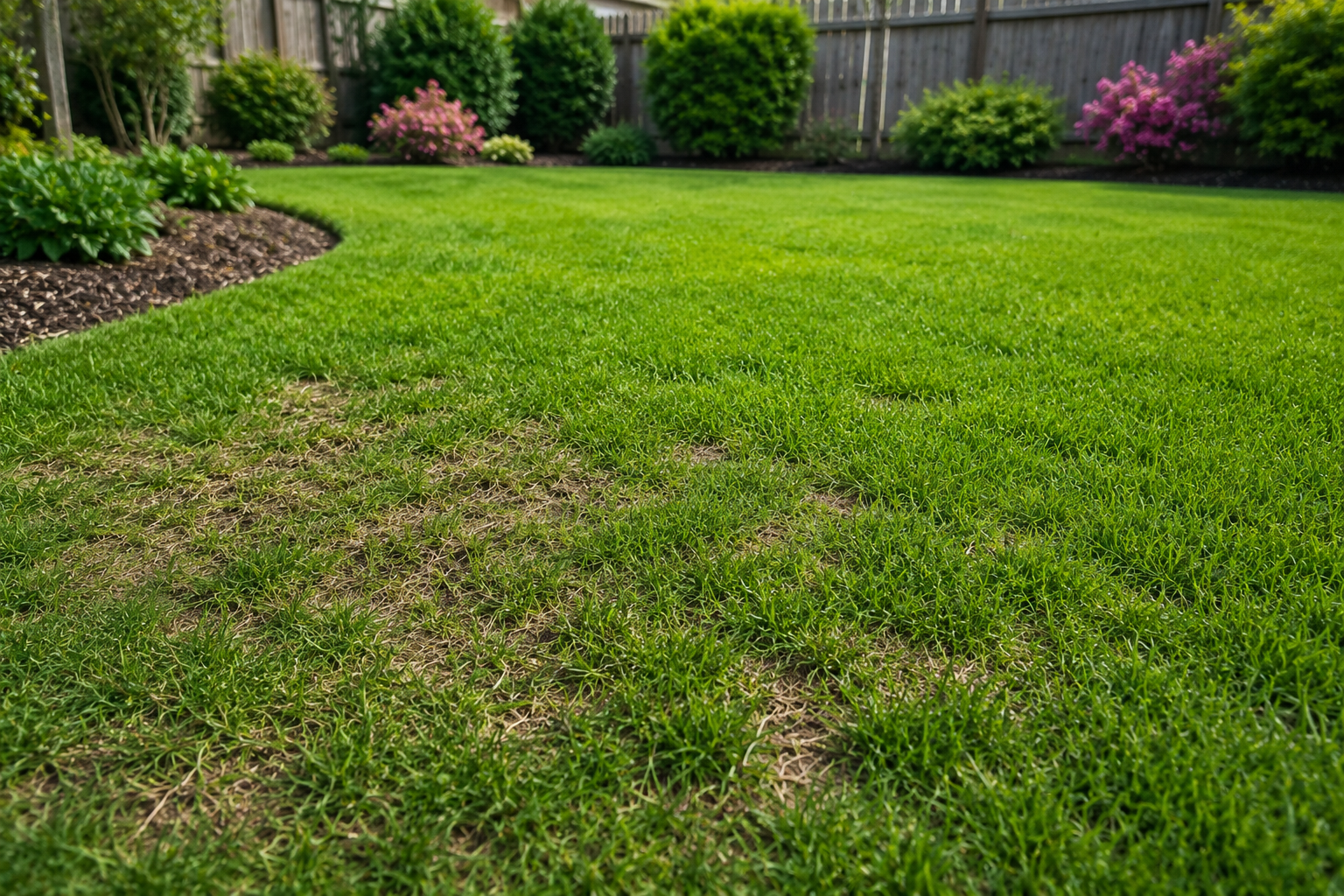







Spring reseeding presents a unique challenge that catches many homeowners off guard. While fall remains the optimal season for establishing new grass in Alberta, spring seeding can work, but only when done correctly. The problem is timing. Grass seed needs soil temperatures between 10-18°C to germinate properly, which creates a narrow window between late frost risk and the surge of aggressive weeds like crabgrass. Add in unpredictable spring weather, periods of heavy rain followed by dry stretches, and you've got conditions where many spring seeding attempts fail before they start.
Understanding when to reseed lawn in spring and following proven methods makes the difference between patchy, weed-infested results and the thick, healthy turf you're aiming for.

Limited spots available!
Transform your lawn today

Limited spots available!
Transform your lawn today
Why Spring Reseeding Requires Different Strategies
The best time to reseed lawn in spring isn't determined by calendar dates, it's determined by soil temperature and weather patterns. In Calgary, Edmonton, Red Deer, and Medicine Hat, soil temperatures typically reach the necessary range between mid-April and late May, depending on elevation and that year's weather. This timing coincides with nature's own seeding schedule, which means you're competing against dandelions, thistle, and other weeds for space and resources.
Spring also brings moisture challenges. Heavy spring rains can wash away seed before it establishes, while unexpected dry periods can kill germinating seedlings that haven't developed deep roots yet. These conditions demand more attention and management than fall seeding, where cooling temperatures and consistent moisture create more forgiving conditions.
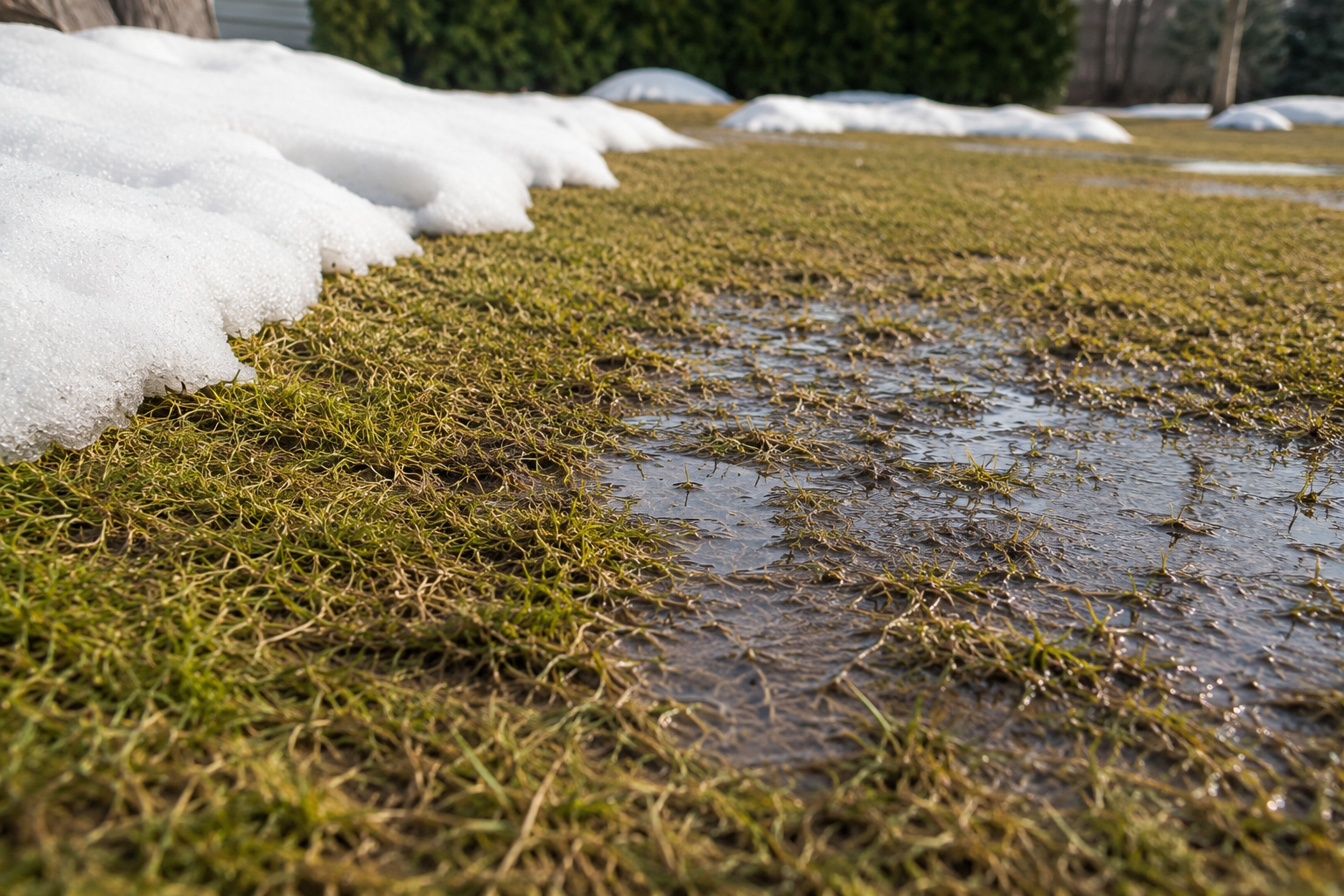
Despite these challenges, spring reseeding makes sense in specific situations. If winter damage created bare patches, if you're dealing with thin areas that need immediate attention, or if you missed the fall seeding window, spring represents your next opportunity to strengthen your lawn before summer heat arrives. Alongside fertilization and aeration, sea kelp treatments help reduce stress on young grass during unpredictable spring conditions.
When to Reseed Lawn in Spring: Timing Windows That Work
Getting the timing right determines success more than any other factor. Seed planted too early sits in cold soil vulnerable to rot and disease. Seed planted too late faces competition from established weeds and struggles through summer heat before developing adequate roots.
Optimal spring seeding windows by region:
- Southern Alberta (Medicine Hat, Lethbridge): Late April to mid-May when soil reaches 12°C consistently
- Calgary and surrounding areas: Early to mid-May once frost risk diminishes
- Central Alberta (Red Deer): Mid-May to early June depending on elevation
- Northern Alberta (Edmonton): Late May to early June after soil warms adequately
Monitor soil temperature with a simple soil thermometer inserted three inches deep. Take readings in the morning for three consecutive days. Once the average stays above 10°C, conditions support germination. Waiting until soil reaches 12-15°C produces faster, more reliable results.
Weather forecasts matter too. Avoid seeding immediately before heavy rain that could wash seed away or cause pooling. Equally, don't seed when the forecast shows a week of dry, hot weather unless you can commit to multiple daily waterings.
Best Way to Reseed Lawn in Spring: Step-by-Step Process
Successful spring reseeding requires more preparation than simply scattering seed and hoping for results. The best way to reseed lawn in spring involves creating ideal conditions for germination while minimizing competition from weeds.
Prepare the Soil Properly
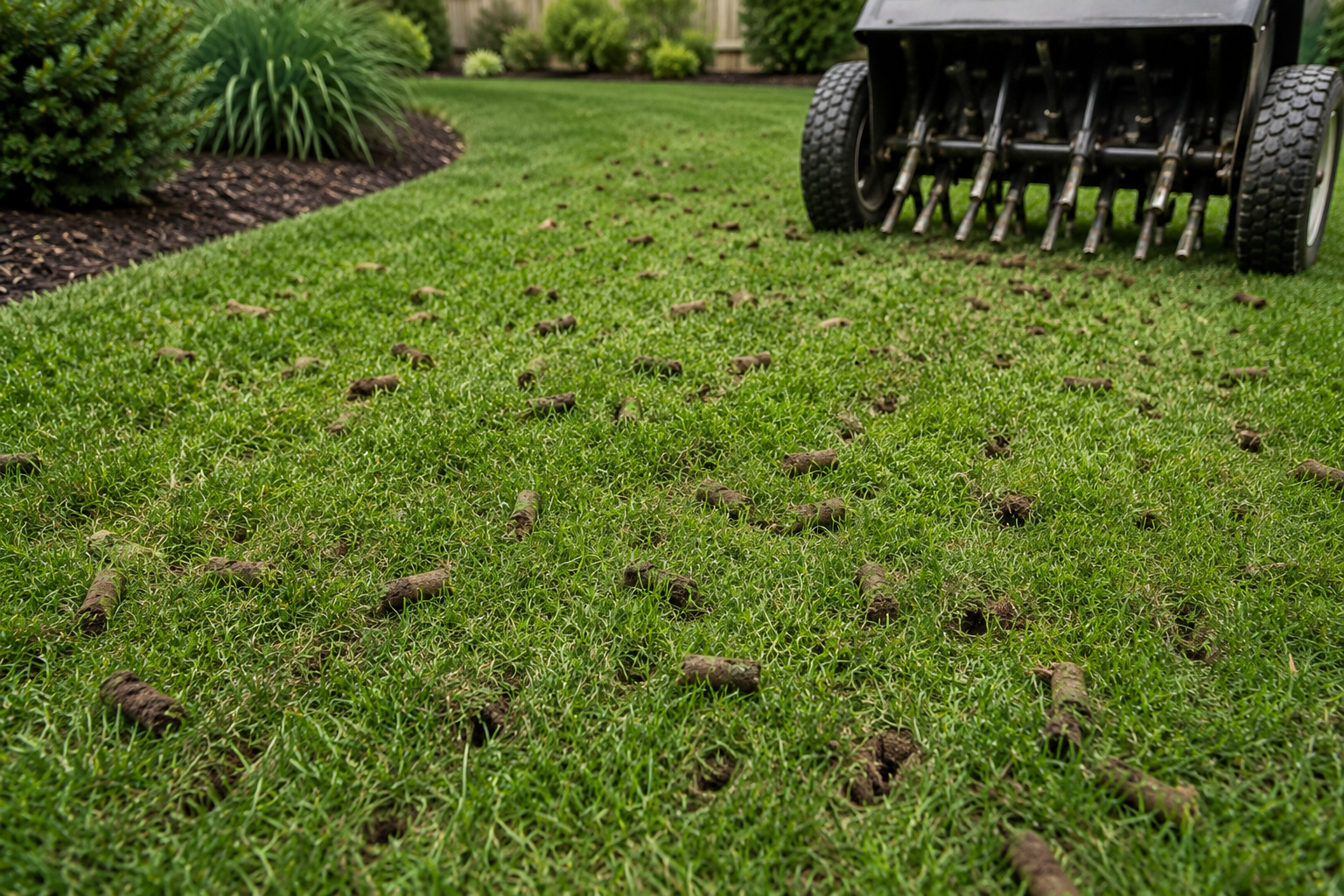
Start by addressing compaction, which prevents seed from making the soil contact necessary for germination. Mechanical aeration removes small cores of soil, creating channels for water, air, and nutrients. This process also gives seed natural pockets to settle into, improving germination rates significantly.
For smaller areas or spots where mechanical equipment can't reach, liquid aeration products work at a microscopic level to loosen soil structure. Either method creates better conditions than seeding into unprepared, compacted ground.
After aerating, remove debris, dead grass, and thatch that would prevent seed-to-soil contact. Rake the area thoroughly but avoid disturbing soil so much that you create loose, fluffy conditions where seed can't establish properly. The goal is firm soil with slight roughness that holds seed in place.
Choose Quality Seed for Alberta Conditions
Grass seed quality varies enormously. Cheap seed mixes often contain high percentages of annual ryegrass or other quick-sprouting varieties that look good initially but don't develop the kind of permanent, resilient turf you need. Premium seed costs more upfront but establishes better and lasts longer.
For Alberta lawns, look for seed blends containing Kentucky bluegrass and perennial ryegrass suited to cool-season climates. These varieties handle temperature swings, establish deep root systems, and create the dense turf that naturally resists weeds.
Apply Seed at the Right Rate
More seed doesn't equal better results. Over-application leads to overcrowding where young plants compete against each other for resources, resulting in weak grass that struggles long-term. Under-application leaves gaps where weeds establish.
Recommended seeding rates for spring overseeding:
- Thin areas needing reinforcement: 2-3 pounds per 1,000 square feet
- Moderately damaged sections: 4-5 pounds per 1,000 square feet
- Bare spots requiring complete renovation: 6-8 pounds per 1,000 square feet
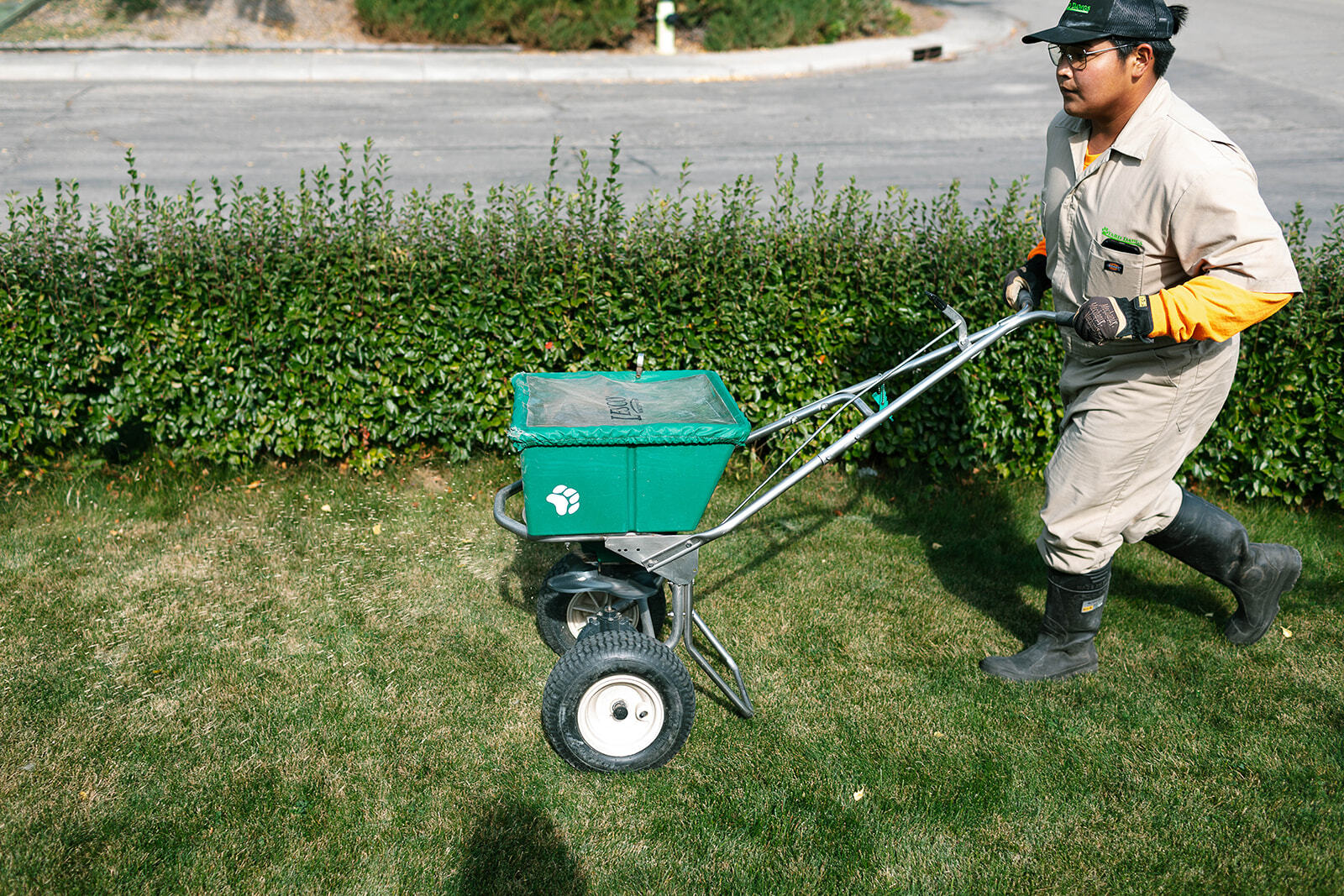
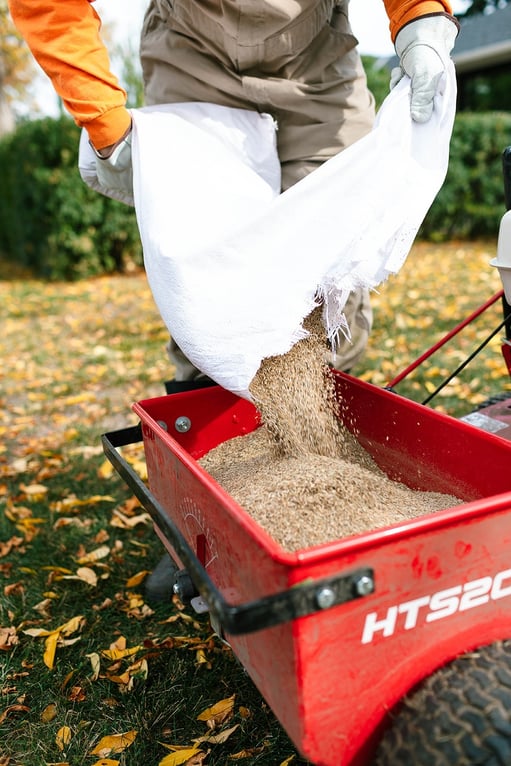
Use a broadcast or drop spreader set to the manufacturer's recommended setting for even distribution. For small areas, hand-spreading works fine, just move methodically to avoid clumping seed in some spots while leaving others sparse.
After spreading seed, rake lightly to work seed into the top quarter-inch of soil without burying it too deep. Seed needs some light exposure for proper germination. For areas treated with slit-seeding equipment, this step isn't necessary since the machine places seed at optimal depth automatically.
Integrating Reseeding With Comprehensive Lawn Care
Spring reseeding works best as part of a broader strategy rather than a standalone fix. Thin lawns usually indicate underlying problems, compacted soil, nutrient deficiencies, pest damage, or improper maintenance practices. Addressing these issues prevents the need for repeated reseeding.
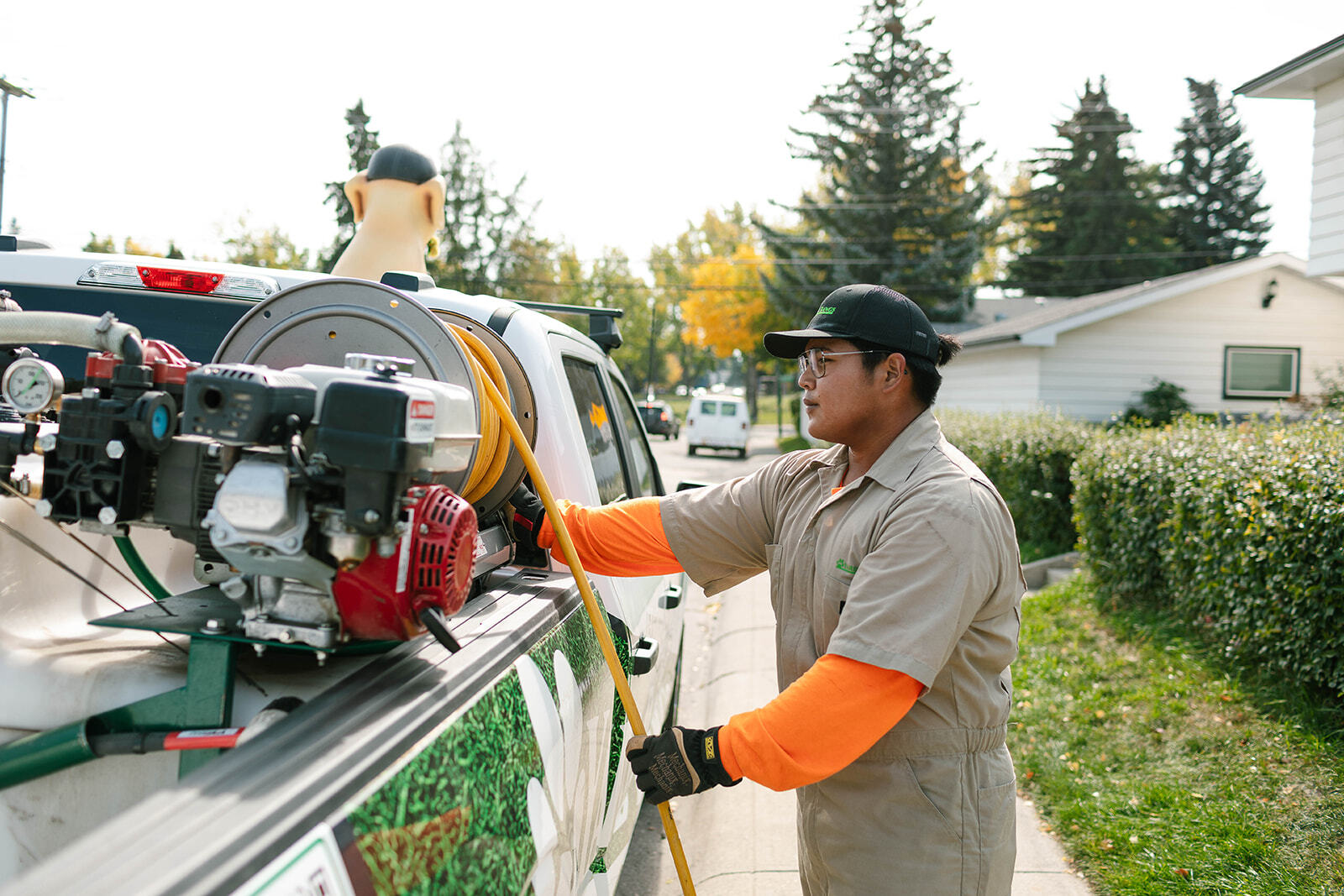
Yard Dawgs approaches spring lawn recovery through integrated lawn care that combines multiple services. Professional-grade fertilizer strengthens existing grass while supporting new seedling establishment. Weed control treatments eliminate competition without harming new grass once it reaches appropriate maturity. Chinch bug monitoring protects against pest damage that could devastate young turf.
For properties with significant thin areas, slit-seeding provides the most reliable results. This specialized equipment cuts shallow grooves in soil, deposits seed at optimal depth, and closes grooves in one pass. The method protects seed from birds and wind while ensuring excellent soil contact. Germination rates with slit-seeding consistently outperform broadcast seeding, especially in challenging spring conditions.
Professional Support for Best Results
Spring reseeding requires significant time investment and attention to detail during the critical establishment period. For homeowners who want results without the daily management demands, professional services handle the entire process from soil preparation through establishment monitoring.
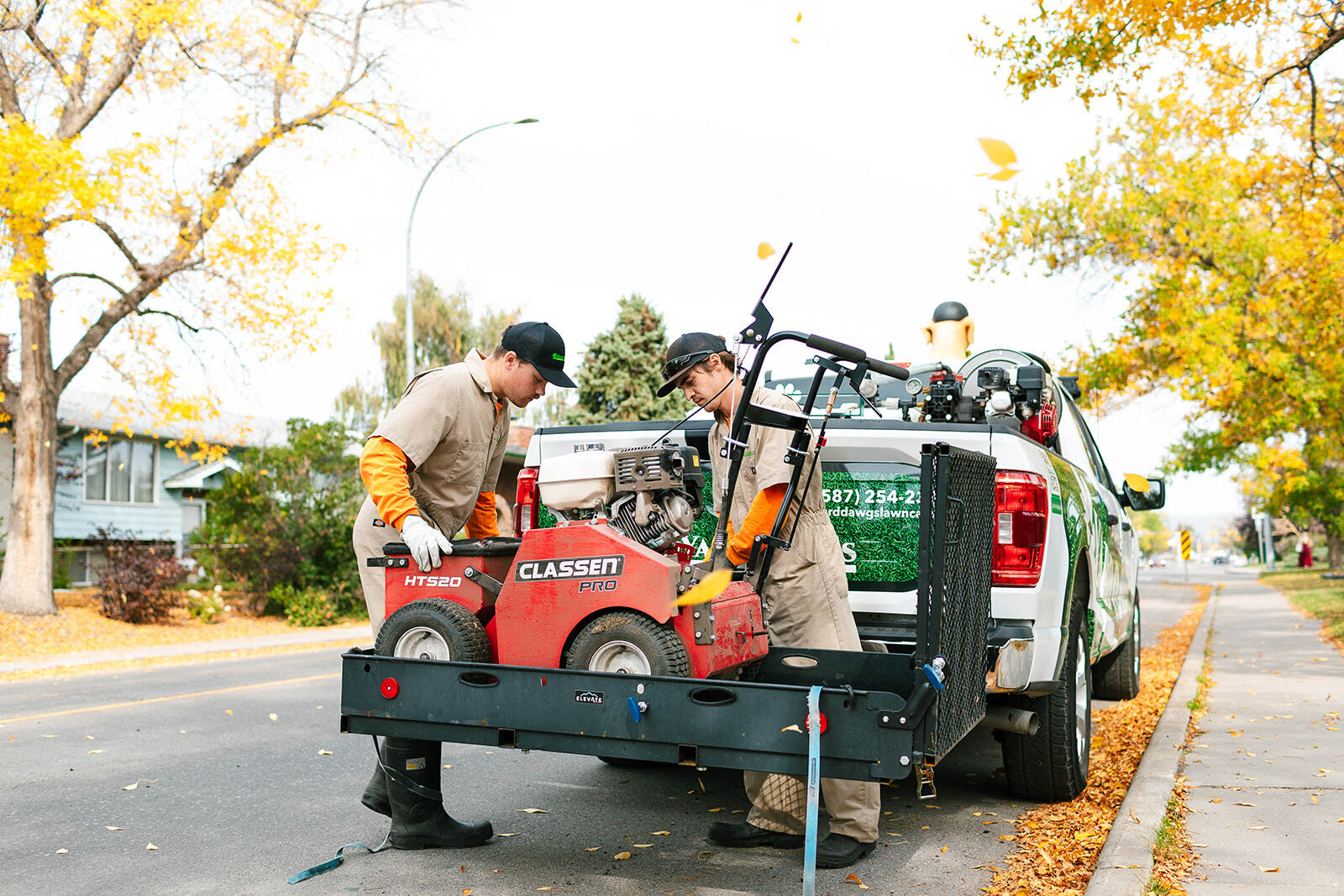
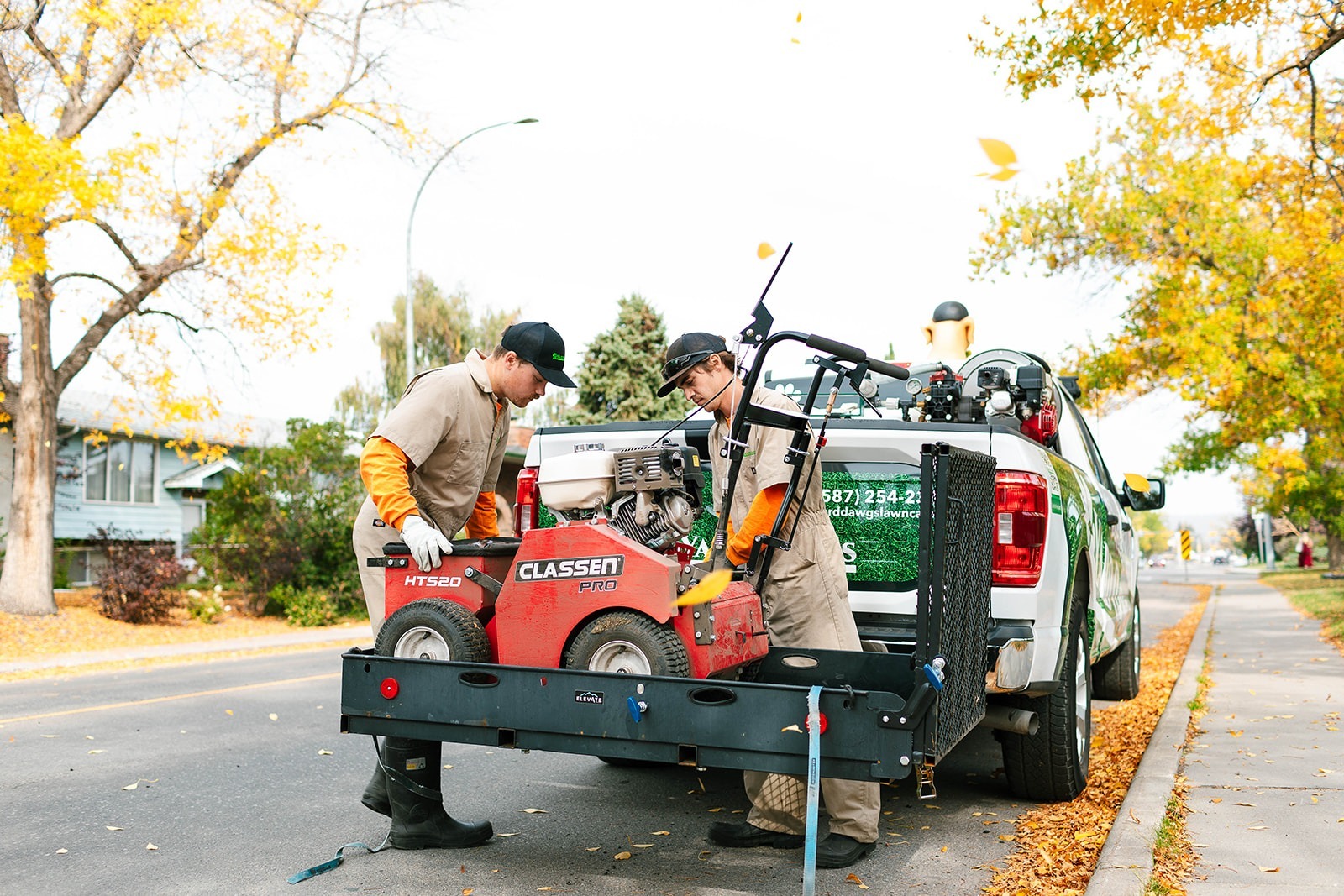
Yard Dawgs offers slit-seeding services timed to optimal spring windows in Calgary, Edmonton, Red Deer, and Saskatoon. The process includes mechanical aeration to prepare soil, precision seed placement at correct depth, starter fertilization, and follow-up monitoring to ensure successful establishment.
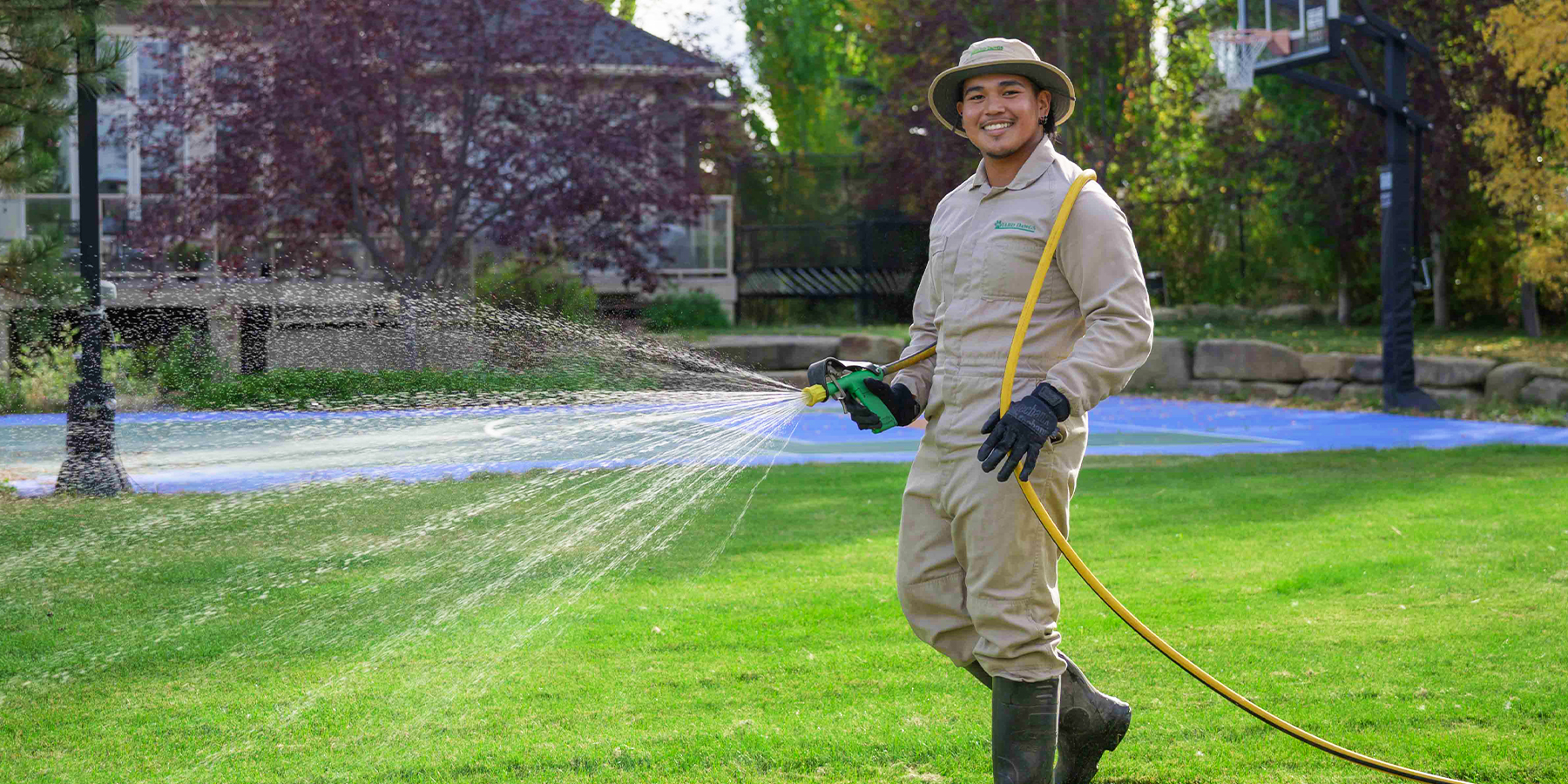
The dedicated team approach means the same technicians who seed your lawn return for scheduled treatments throughout the season. They track progress, adjust watering recommendations based on weather, and address any issues that emerge during the establishment phase.
Combined with season-long fertilization and weed control programs, professional seeding creates the foundation for lasting lawn health rather than temporary improvement that requires repeated intervention.
Making Spring Reseeding Work in Alberta
Spring reseeding can restore thin lawns and fill bare patches when done correctly. Success requires understanding how to reseed lawn in spring using methods suited to Alberta's climate challenges. Proper timing based on soil temperature, thorough preparation, quality seed selection, and consistent moisture management during establishment all contribute to results that last beyond the initial green-up.
Whether you handle reseeding yourself or work with professionals, the goal remains the same, creating thick, healthy turf that maintains density through summer heat and looks great throughout the growing season. With the right approach, spring represents a legitimate opportunity to strengthen your lawn before the demands of Alberta's intense summer conditions arrive.