







A few years ago, most homeowners in Calgary, Edmonton, Red Deer, Saskatoon, and Medicine Hat considered clover an unwanted invader. Today, the clover lawn is making a comeback, and not just among eco-friendly gardeners. According to recent turf studies, micro clover lawns can reduce fertilizer use by up to 80%, hold moisture far better than traditional turfgrass, and remain green even in drought-like conditions. That’s a powerful shift, especially in regions like Alberta where seasonal heat can push lawns to their limits.
But before you decide to seed clover into your yard, or commit to transforming your property entirely, it’s worth exploring the real clover lawn pros and cons. Clover can be a great fit for some homeowners and a surprisingly poor option for others. Understanding what you gain (and what you might give up) is the key to making the right choice for your landscape and lifestyle.

Limited spots available!
Transform your lawn today

Limited spots available!
Transform your lawn today
What Exactly Is a Clover Lawn?
A clover lawn is a yard made up partially or entirely of clover plants rather than standard turfgrass. While Dutch white clover once appeared in almost every grass seed mix, today homeowners often choose specific varieties like micro clover, which stays shorter and blends more seamlessly with grass.
Clover lawns can be:
- Mixed lawns: turfgrass with 3–10% micro clover
- Majority clover: clover as the dominant groundcover
- Full clover lawns: an alternative lawn that replaces grass altogether
People choose them for lower maintenance, better drought resistance, and environmental impact, but they aren’t ideal for every yard.
Different types of clover create different results. White clover is the traditional option known for dense coverage and pollinator-friendly flowers, while micro clover offers smaller leaves, fewer blooms, and a more uniform appearance that blends naturally with grass. Some homeowners also experiment with strawberry clover or crimson clover for added drought tolerance or seasonal color.
Historically, clover wasn’t considered a weed at all. In fact, older grass seed mixes often intentionally included white clover because of its ability to naturally improve soil health and strengthen lawns without heavy fertilizer use.
The Pros of a Clover Lawn
Clover lawns bring genuine advantages, some aesthetic, some ecological, and some that make everyday lawn care easier.
1. Clover Creates Its Own Fertility
One of the biggest advantages of a clover lawn is its natural ability to pull nitrogen from the air and feed it back into the soil. This means your yard becomes self-fertilizing without the need for synthetic inputs.
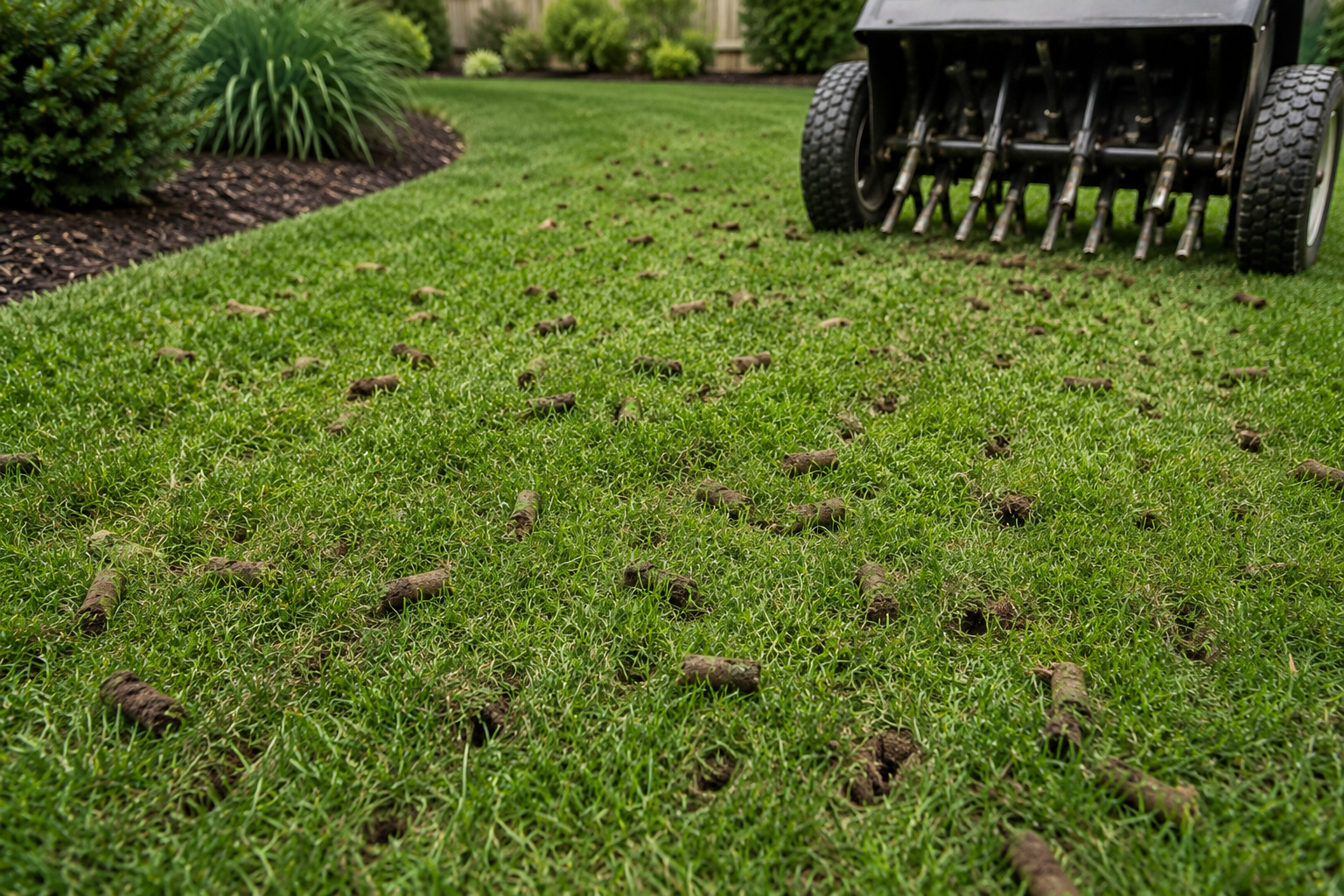
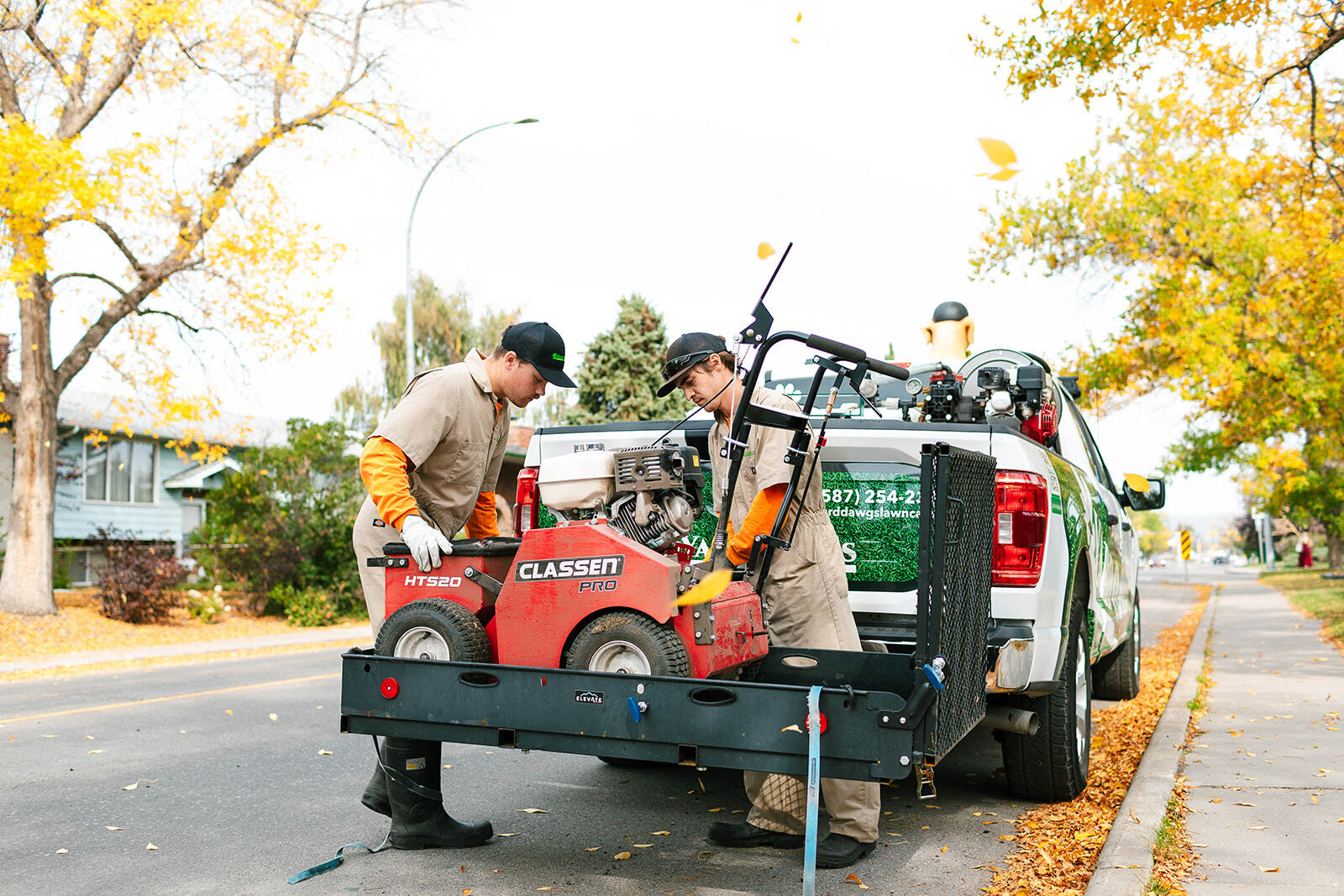
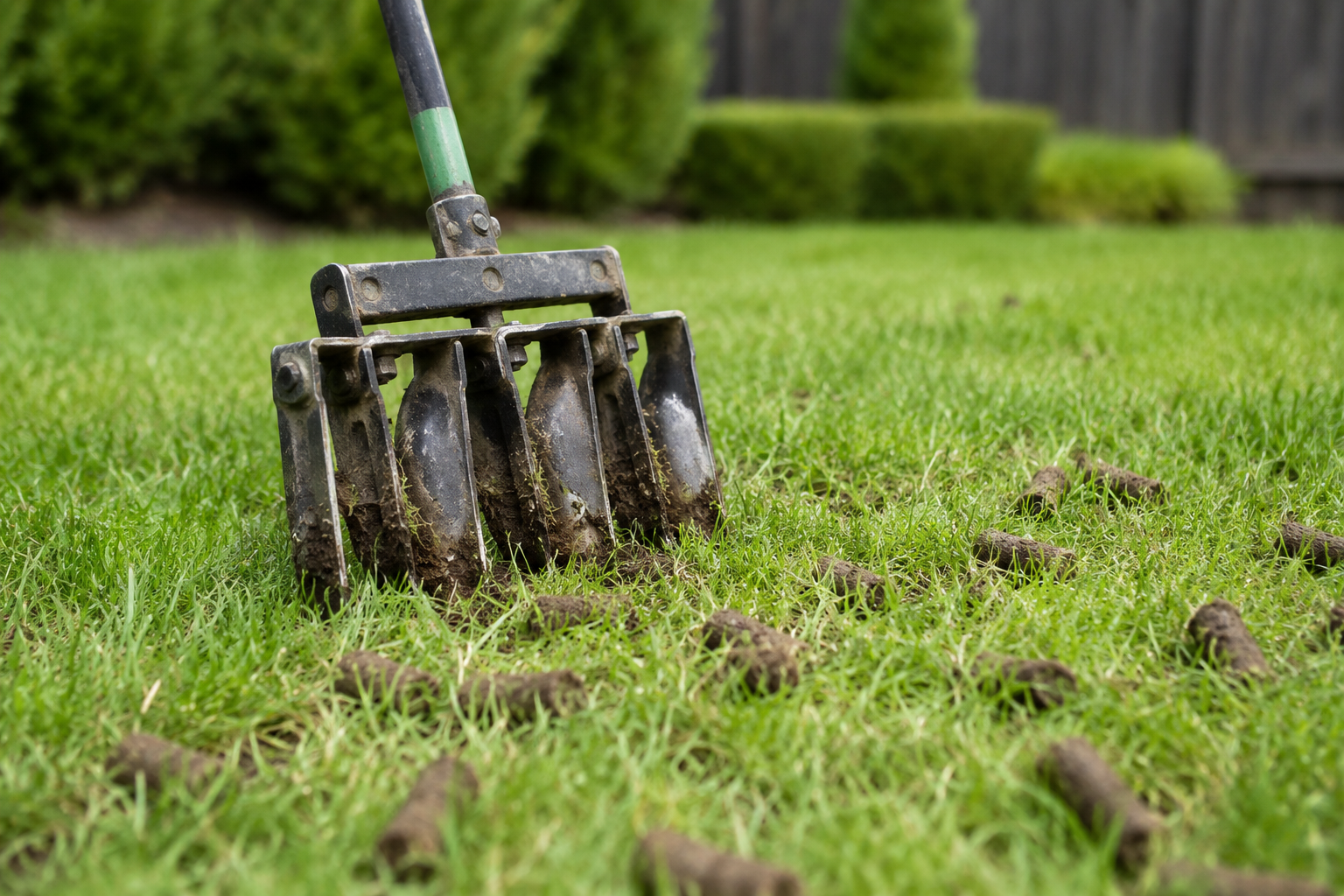
Even if you want to maintain patches of grass alongside clover, your turf will benefit from the healthier soil underneath. Clover’s nitrogen-fixing ability is why many homeowners choose to pair it with services like fertilizer, mechanical aeration, or liquid aeration, all of which help strengthen soil structure and improve nutrient retention.
Because clover naturally enriches the soil, homeowners can often reduce fertilizer applications significantly compared to traditional grass lawns. This not only lowers lawn care costs over time but also reduces the environmental impact associated with synthetic fertilizers.
2. Better Drought Performance
Clover holds moisture longer than most grasses. During stretches of heat or water restrictions, clover usually stays green while grass turns patchy and pale. This resilience makes a micro clover lawn especially appealing in areas where summers can be harsh. If you’re trying to reduce watering without sacrificing appearance, clover can be a major win.
Clover’s deeper root system helps it access moisture more efficiently than many turfgrass varieties. As a result, clover lawns often remain greener during drought conditions with far less irrigation, making them especially attractive in regions with watering restrictions or dry summers.
3. Natural Weed Resistance
Clover grows densely, spreads quickly, and forms a tight root system. Once established, it competes aggressively with weeds and limits their ability to take hold.
Many homeowners who want fewer chemical treatments appreciate that clover helps suppress weed growth on its own. For those who prefer additional protection, professional weed control services can be used alongside clover without harming it.
4. Low Mowing Needs
Clover grows lower and slower than most turfgrass. That means:
- fewer mowing sessions
- a tidier appearance with less effort
- less stress on the lawn during hot weather
A micro clover lawn in particular stays compact and rarely requires weekly trimming.
Reduced mowing also means lower fuel use, quieter lawn maintenance, and less wear on mowing equipment throughout the season.
5. Supports Pollinators and Local Biodiversity
Bees love clover, and for good reason. Clover flowers provide consistent nectar through the growing season, which helps pollinators thrive. This can be a big benefit if you garden, grow vegetables, or simply want to support local ecosystems.
Clover lawns can help create healthier backyard ecosystems by supporting bees, butterflies, and other beneficial insects that contribute to pollination and biodiversity. For homeowners focused on sustainable landscaping, this is often one of clover’s biggest advantages.
The Cons of a Clover Lawn
While clover lawns offer plenty of advantages, they’re not ideal for every yard. Understanding the downsides is crucial before committing.
1. Clover Can Attract Bees
For many homeowners this is a positive, but if anyone in your household has allergies or avoids bee exposure, clover flowers may be a concern. You can reduce bee activity with more frequent mowing, but that does take away one of clover’s natural benefits.
Families with young children or pets may want to consider whether increased bee activity around flowering clover could become an issue in heavily used areas of the yard.
2. Higher Foot Traffic May Damage It
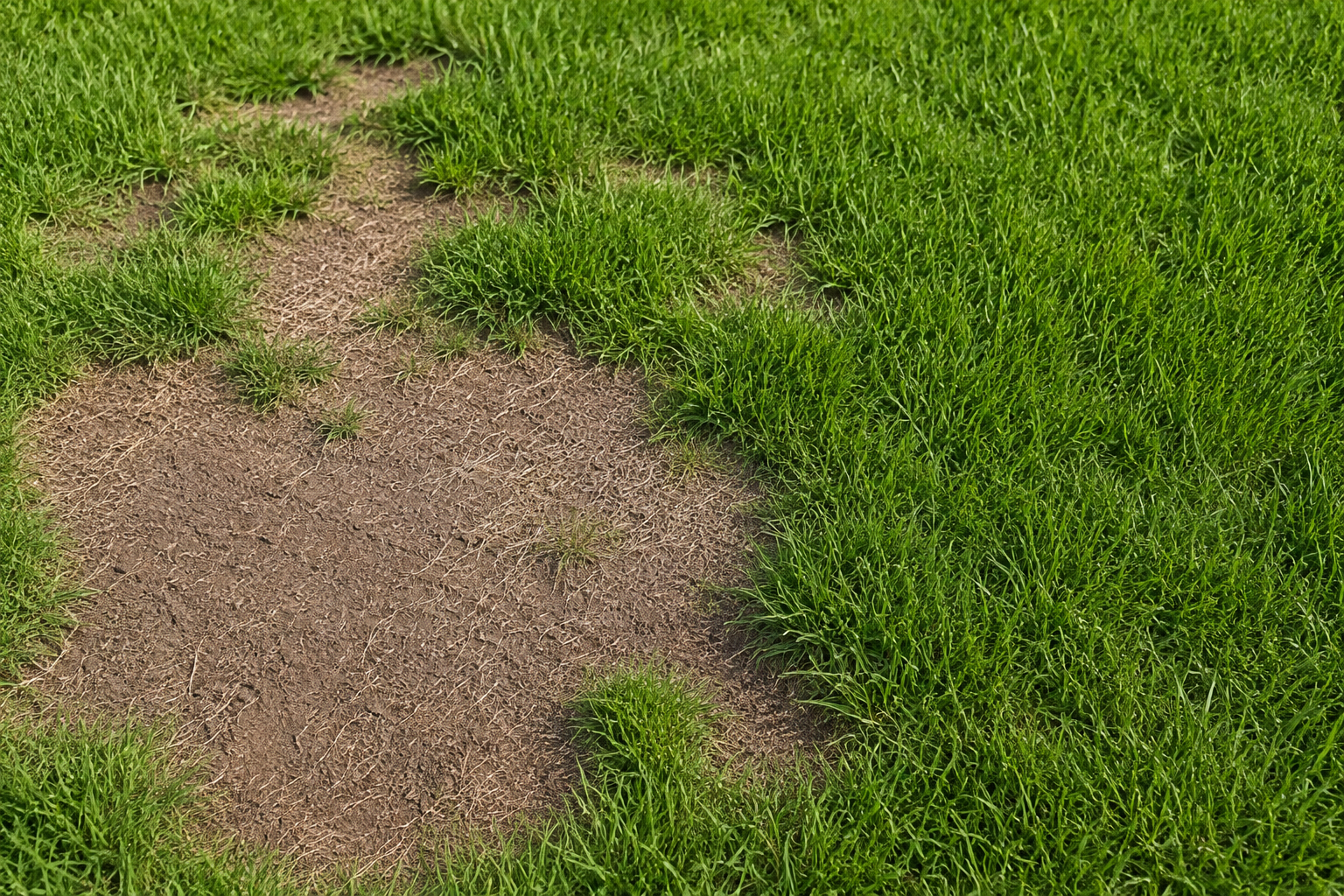
Clover is durable to a point, but it isn’t built to withstand the same activity level as thick turfgrass. Areas with heavy play, large dogs, or constant foot traffic may see thinning or bruising.
If your yard experiences significant wear, a clover-grass blend may serve you better than a full clover lawn.
3. It Can Spread More Than Intended
Clover doesn’t always respect boundaries. It may creep into garden beds, cross edging, or spread into areas you want to keep as turfgrass. Regular edging and periodic treatments such as hardscape weed control can help manage this, but it requires awareness and maintenance.
4. Uneven Texture and Appearance
Clover grows in clusters rather than blades, which creates a different look underfoot. Some homeowners love the soft, cushiony feel; others find it uneven compared to traditional lawns.
Traditional turfgrass typically creates a smoother, more uniform appearance, while clover lawns often look more natural and slightly less manicured. Whether that’s a benefit or drawback largely comes down to personal preference.
A micro clover lawn helps minimize this effect, but the texture difference remains noticeable.
5. Establishment Takes Time and the Right Soil Conditions
Clover grows easily once established, but it needs:
- soil with a pH close to neutral
- consistent moisture during the first two weeks
- warm temperatures after the final frost
If your soil is compacted, poor in nutrients, or highly alkaline, you may need mechanical aeration, liquid aeration, or nutrient amendments before clover can successfully take root.
Most clover varieties grow best in soil with a pH between 6 and 7. Performing a soil test before planting can help identify whether amendments like lime or peat moss are needed to create ideal growing conditions.
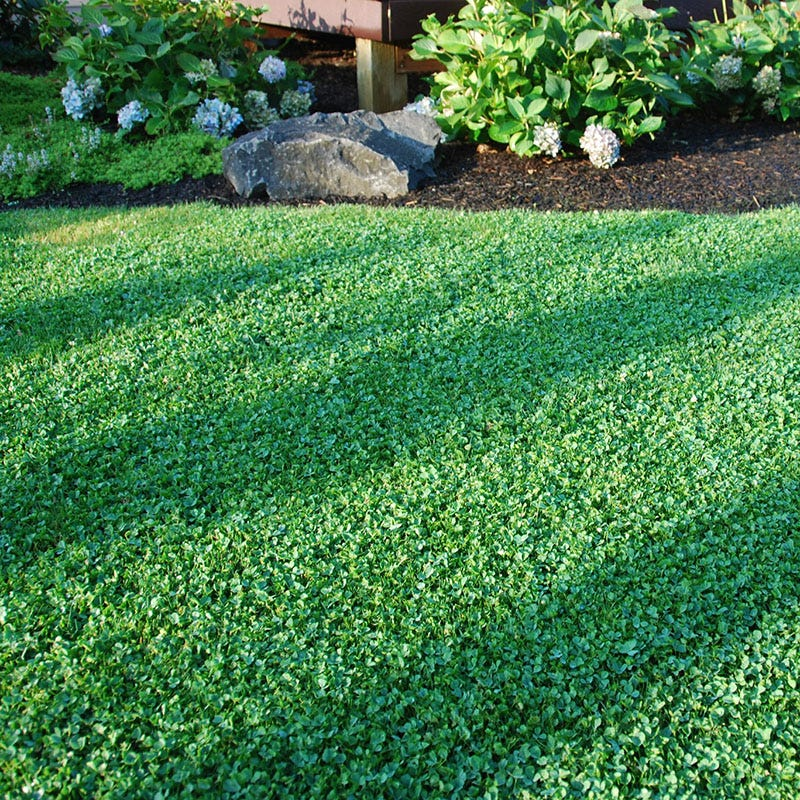
Micro Clover Lawn vs. Regular Clover Lawn
Homeowners often lean toward micro clover because it offers:
- smaller leaves
- fewer flowers
- lower growth
- a smoother blend with turfgrass
- better resilience to foot traffic
If you want the benefits of clover without dramatically changing the look of your lawn, micro clover is usually the best option.
Standard white clover tends to flower more aggressively and create a more obvious clover appearance across the lawn, while micro clover delivers a subtler look that many homeowners find easier to integrate into traditional landscaping.
How to Plant a Clover Lawn
Planting clover successfully starts with proper lawn preparation. While clover is relatively low maintenance once established, early preparation plays a major role in how thick and healthy the lawn becomes. Poor soil preparation is one of the biggest reasons clover lawns fail to establish evenly.
For best results, plant clover in late spring after the final frost when soil temperatures remain consistently above 40°F. Clover seed germinates best in cool, lightly moist soil with stable daytime temperatures. Planting too early can expose young seedlings to frost damage, while planting during intense summer heat can dry out shallow roots before establishment occurs.
Step-by-Step Clover Lawn Planting Process
Test and prepare the soil
Clover performs best in soil with a pH between 6 and 7. Soil testing helps determine whether amendments like lime or peat moss are needed before seeding. If the soil is heavily compacted, aeration should be done first to improve oxygen flow, drainage, and root penetration.
Remove excess debris and thinning turf
Dead grass, thick thatch layers, and weeds can prevent proper seed-to-soil contact. Light dethatching or raking helps expose the soil surface and improves germination rates.
Spread seed evenly across the lawn
Clover seed is extremely small, so mixing it with sand or compost can help distribute it more evenly. Uneven seeding often leads to patchy establishment later on.
Lightly rake the seed into the soil
Clover seeds should remain close to the surface but still maintain contact with moist soil. Burying them too deeply can reduce germination significantly.
Keep the lawn consistently moist during germination
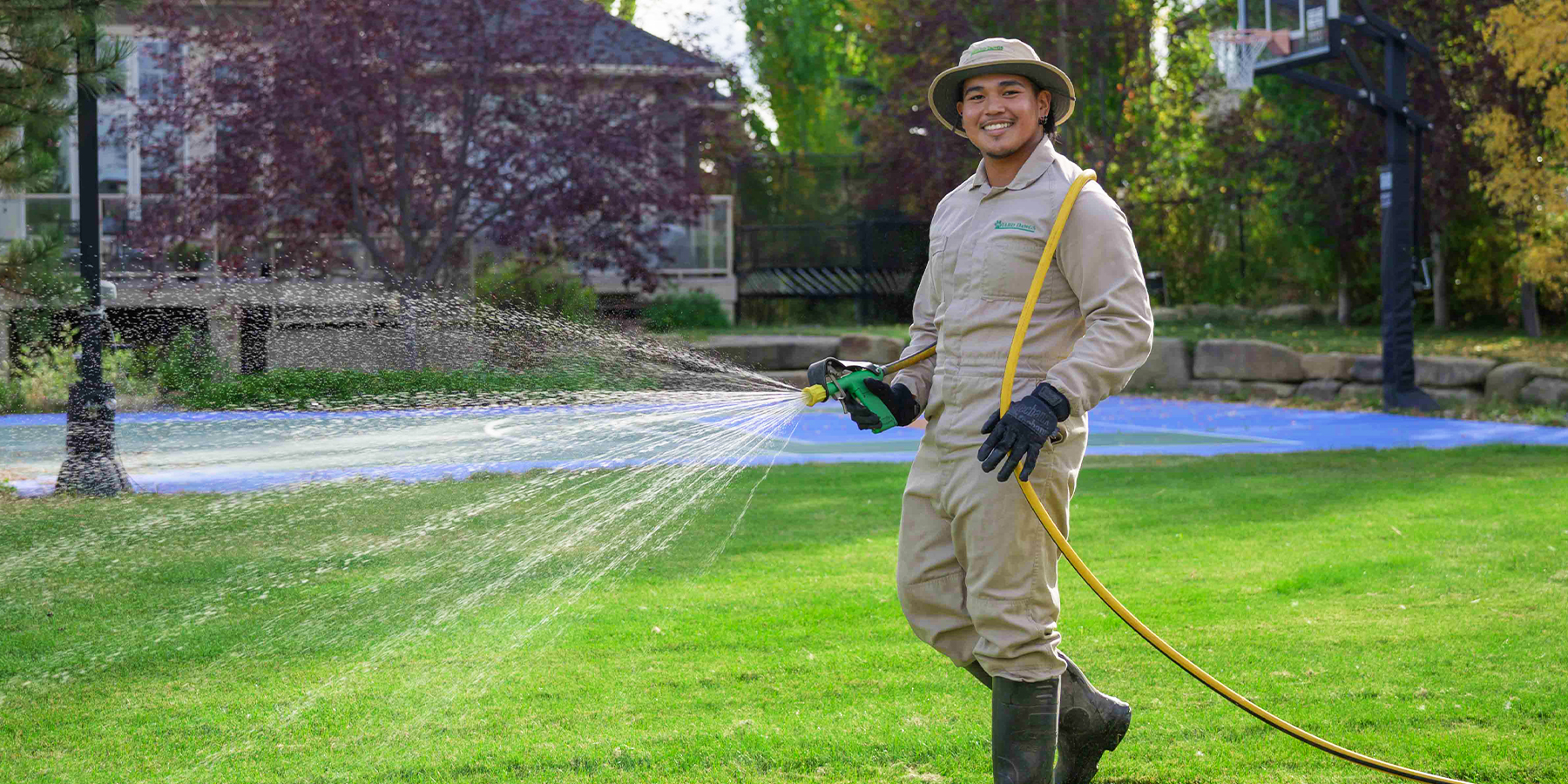
Light watering once or twice daily is usually necessary during the first 7–14 days. Allowing the soil to dry out too early can kill developing seedlings before roots establish properly.
Reduce watering once sprouts mature
After clover develops its first true leaves, watering frequency can be reduced to encourage deeper root growth and stronger drought resistance.
Many homeowners choose to overseed clover into existing turfgrass rather than replacing the lawn entirely. This creates a blended lawn with improved drought resistance and lower fertilizer requirements while still maintaining a more traditional appearance.
For mixed lawns, experts often recommend keeping clover content between 3% and 10%. This allows homeowners to benefit from nitrogen fixation and drought tolerance without dramatically changing the lawn’s appearance or texture.
Caring for a Clover Lawn
Although clover lawns require less maintenance than traditional grass, they still benefit from basic seasonal care. Proper maintenance helps prevent thinning, uneven spread, and weed intrusion over time.
Mow occasionally to maintain an even appearance
Most clover lawns only require mowing every few weeks rather than every week. However, more frequent mowing can reduce flowering if homeowners want fewer bees in active areas.
Water deeply during prolonged drought conditions
While clover is drought tolerant, extended periods of extreme heat can still stress shallow roots. Deep watering encourages stronger root systems and helps maintain even growth.
Monitor spreading near garden beds or pathways
Clover naturally spreads outward through creeping stems and reseeding. Occasional edging may be needed to maintain clean lawn boundaries.
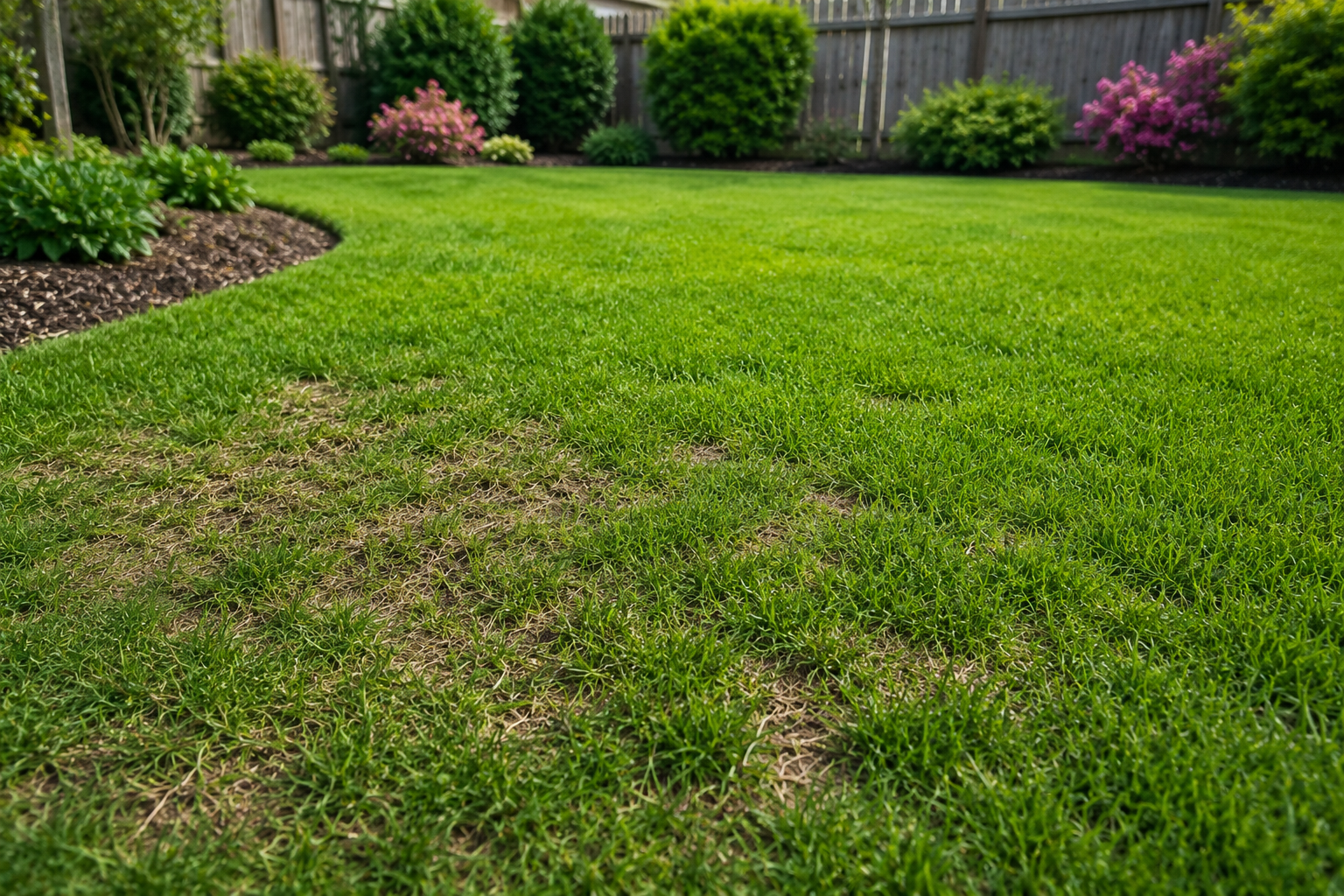
Overseed thin areas if patches develop over time
High-traffic sections may thin out faster than low-use areas. Overseeding in spring or early fall helps maintain dense, healthy coverage.
Aerate compacted soil to improve root growth and drainage
Even drought-tolerant clover struggles in heavily compacted soil where oxygen and water movement become restricted.
Seasonal Clover Lawn Care
Clover lawns also benefit from slight seasonal adjustments throughout the year:
|
Season |
Recommended Care |
|
Spring |
Overseed thin patches, aerate compacted areas, monitor germination |
|
Summer |
Deep water during prolonged drought, mow lightly if needed |
|
Fall |
Repair damaged sections and improve soil before winter |
|
Winter |
Minimize excessive traffic on frozen or saturated lawns |
Unlike traditional lawns, clover rarely needs heavy fertilizer applications. In many cases, overfertilizing can actually encourage surrounding grass to outcompete the clover.
Is a Clover Lawn Right for Your Yard?
To decide whether a clover lawn is a good fit, consider three core factors:
1. Your Yard’s Foot Traffic
If your lawn is primarily decorative or lightly used, clover works well.
If you have kids, pets, or frequent activity, grass may be more practical, or a mixed lawn that balances durability and low maintenance.
2. Your Aesthetic Preferences
Do you want a traditional, uniform appearance? Or a natural, soft, eco-friendly groundcover?
Clover brings a different texture, though micro clover offers a more blended look that many homeowners appreciate.
3. Your Long-Term Maintenance Goals
Clover can reduce watering, mowing, and fertilizer use. But it may require:
- occasional overseeding
- seasonal monitoring of spreading
- supplemental support if soil conditions aren’t ideal
For homeowners who want a lower-maintenance landscape without sacrificing appearance, clover is often an excellent compromise.
It’s also important to consider your local climate and how you use your outdoor space. In areas with extreme heat, drought conditions, or water restrictions, clover often performs better than traditional grass. However, high-traffic family yards may still benefit from maintaining at least some durable turfgrass.
Clover and Professional Lawn Care: A Smart Combination
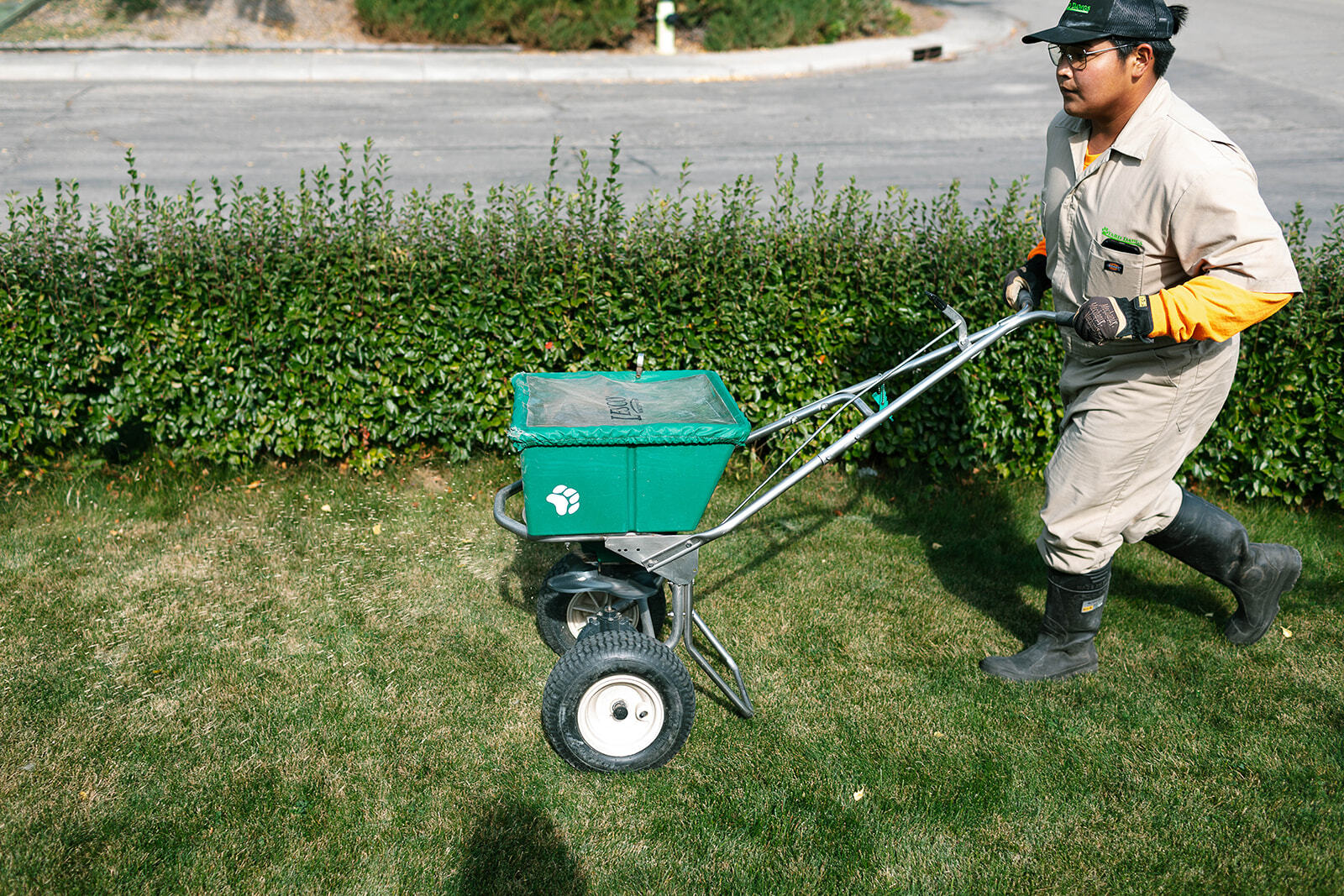
Even if you're considering a full or partial clover lawn, professional lawn care can help you achieve stronger results. Services like fertilizer, mechanical aeration, liquid aeration, sea kelp, super juice, and treatments for chinch bugs can all support soil health and improve clover establishment.
Clover doesn’t replace lawn care, it works with it to create a healthier, more resilient yard.
Professional soil testing can also help homeowners determine whether their lawn conditions are suitable for clover before planting begins. Addressing compaction, drainage issues, or nutrient imbalances early can dramatically improve long-term establishment success.
Clover Lawn Pros and Cons to Consider
Choosing between a traditional lawn, a micro clover lawn, or a full clover yard comes down to your priorities. Clover brings powerful benefits, lower maintenance, improved soil, drought tolerance, and natural weed suppression, but it also has limitations tied to foot traffic, appearance, and spreading.
For many homeowners, clover offers an attractive, eco-friendly alternative that pairs beautifully with ongoing professional lawn care. If you're weighing the clover lawn pros and cons, take time to assess how you use your yard and what kind of maintenance you’re comfortable with.