






A thick, vibrant lawn is more than just a pretty backdrop for summer barbecues; it’s the hallmark of a well-maintained property. In Calgary, Edmonton, Red Deer, and Saskatoon, homeowners are discovering that achieving lush, weed-free turf isn’t just about regular mowing or fertilizing. Two essential practices, topdressing a lawn and overseeding, are transforming ordinary lawns into dense, healthy, and resilient outdoor spaces. If you’ve ever wondered how to turn thin, patchy grass into a carpet of green, these techniques are your secret weapons.

Limited spots available!
Transform your lawn today

Limited spots available!
Transform your lawn today
Why Prairie Lawns Need Special Attention
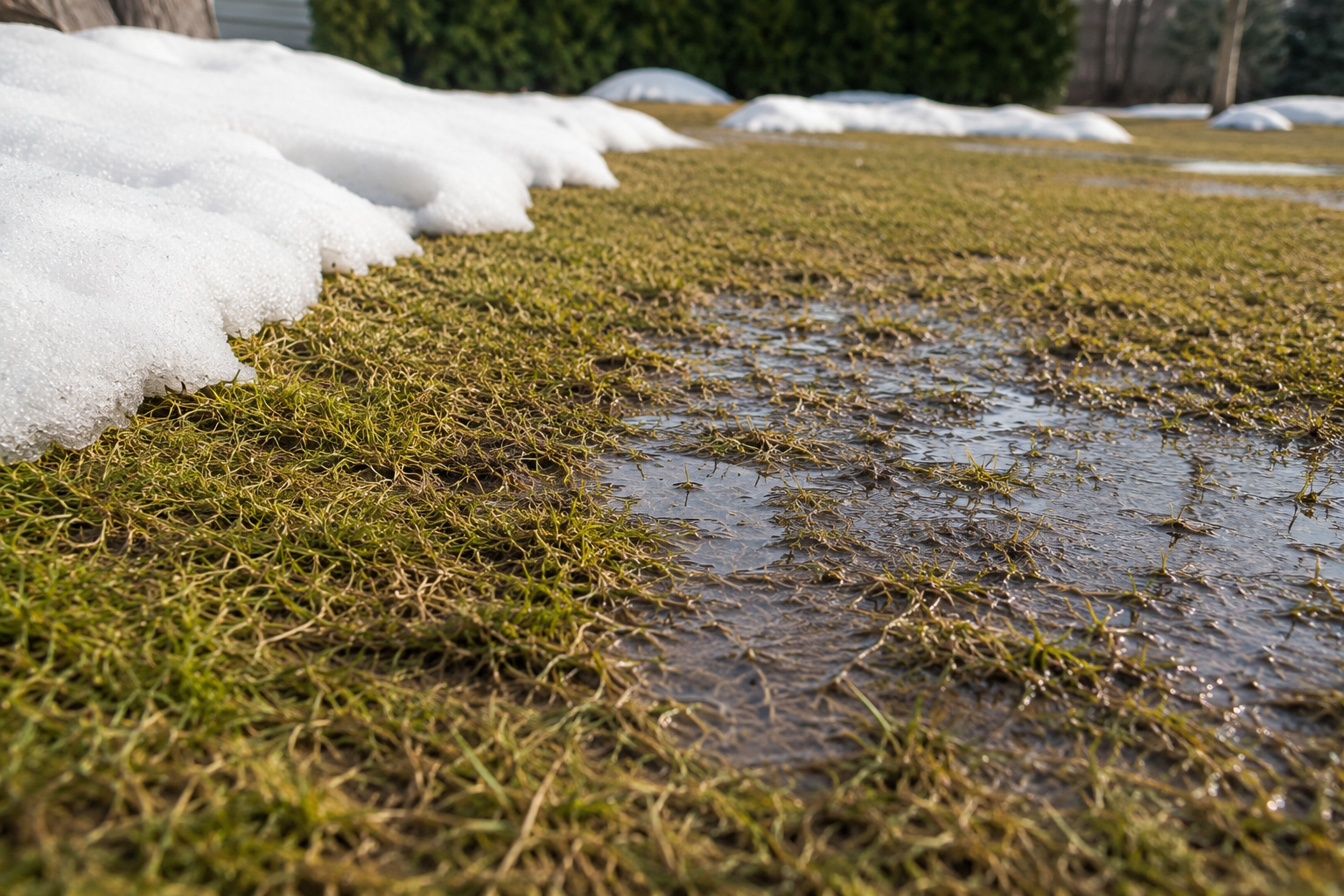
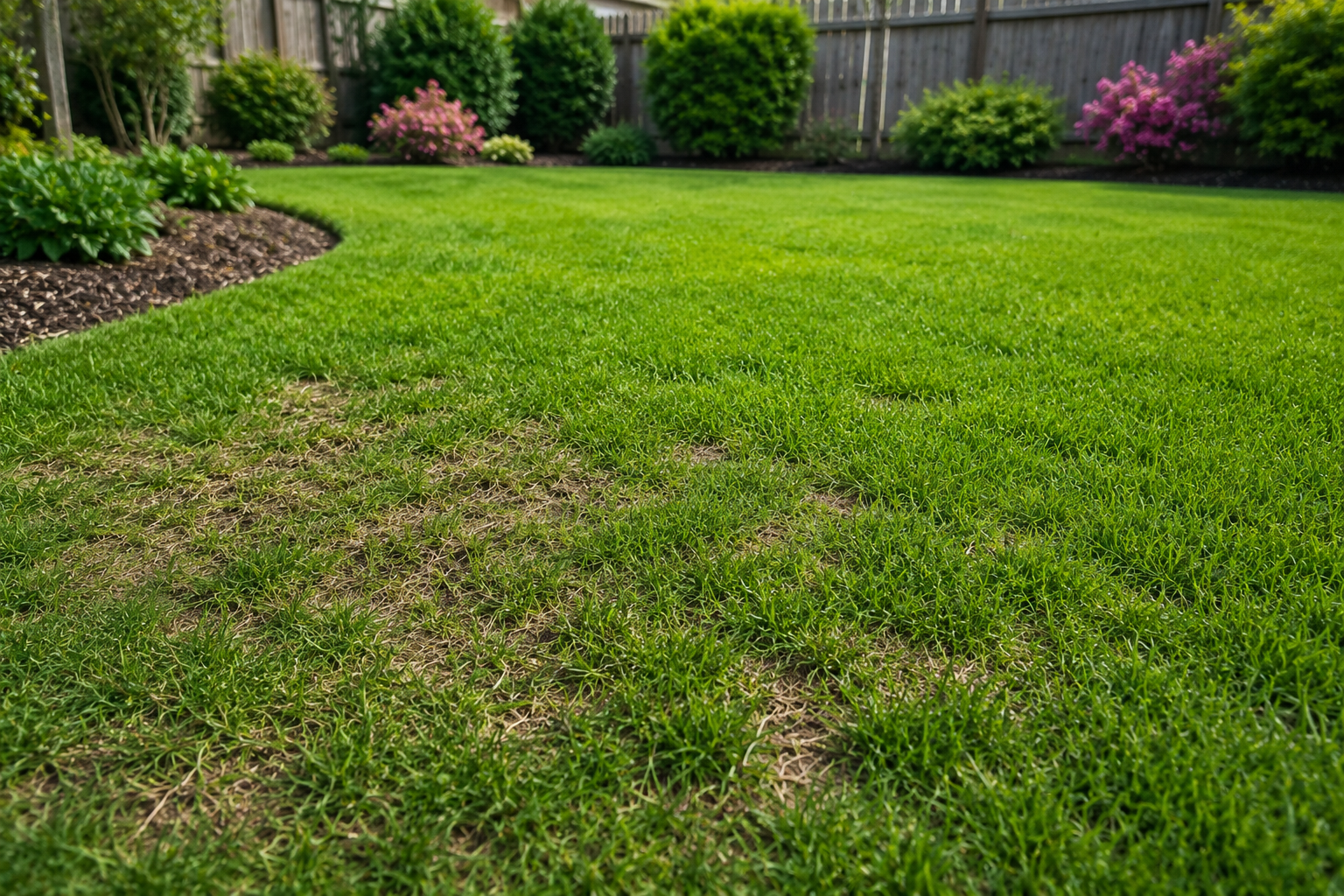
Prairie climates present unique challenges for lawns. Cold winters, heavy clay soil, and periods of drought can stress grass, causing thin patches and weak root systems. Even with regular fertilization and weed control, lawns often struggle to stay thick and healthy.
Topdressing and overseeding address these issues at the root level, literally. By improving soil health and introducing fresh grass seed, these methods allow lawns to thrive, resist pests, and stay green longer into the season.
What Is Topdressing a Lawn?
Topdressing is the process of spreading a thin layer of nutrient-rich material over your existing grass. Think of it as giving your lawn a gentle, nourishing blanket that smooths uneven spots, improves soil structure, and encourages new growth. Unlike more invasive techniques, topdressing enhances what is already there rather than starting over from scratch.
The advantages of topdressing a lawn go beyond simple aesthetics. By improving soil aeration and drainage, topdressing allows roots to grow deeper and stronger. It also helps reduce thatch buildup, creating an environment where grass can flourish naturally. A properly topdressed lawn provides an ideal surface for overseeding, setting the stage for thicker, more vibrant turf that is naturally more resistant to weeds.
The choice of material is key. Compost adds valuable nutrients and stimulates beneficial microbial activity, loam balances sand, silt, and clay to improve texture, and sand-soil mixes are especially useful in heavy clay areas to improve drainage. When applied evenly and at the correct depth, topdressing transforms weak or patchy areas into fertile grounds ready to support new growth.
Preparing Your Lawn for Topdressing and Overseeding
Preparation is crucial for success. Without it, even the best grass seed and topdressing mix may fail to establish. A professional lawn care approach ensures every step is done correctly:
- Mow and Rake: Start by mowing your lawn slightly shorter than usual, around 2 inches, to expose soil and remove excess thatch. Rake thoroughly to remove debris.
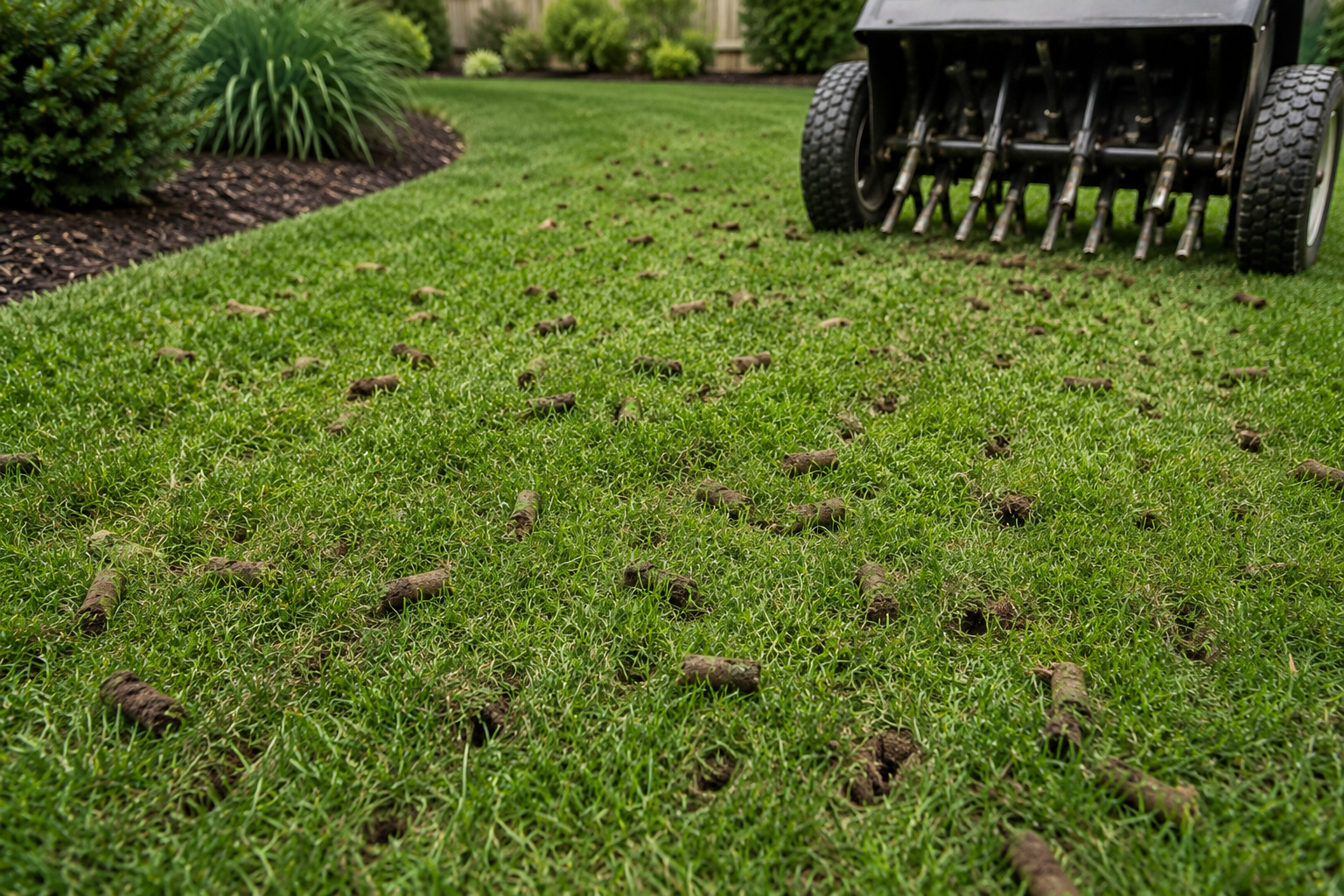
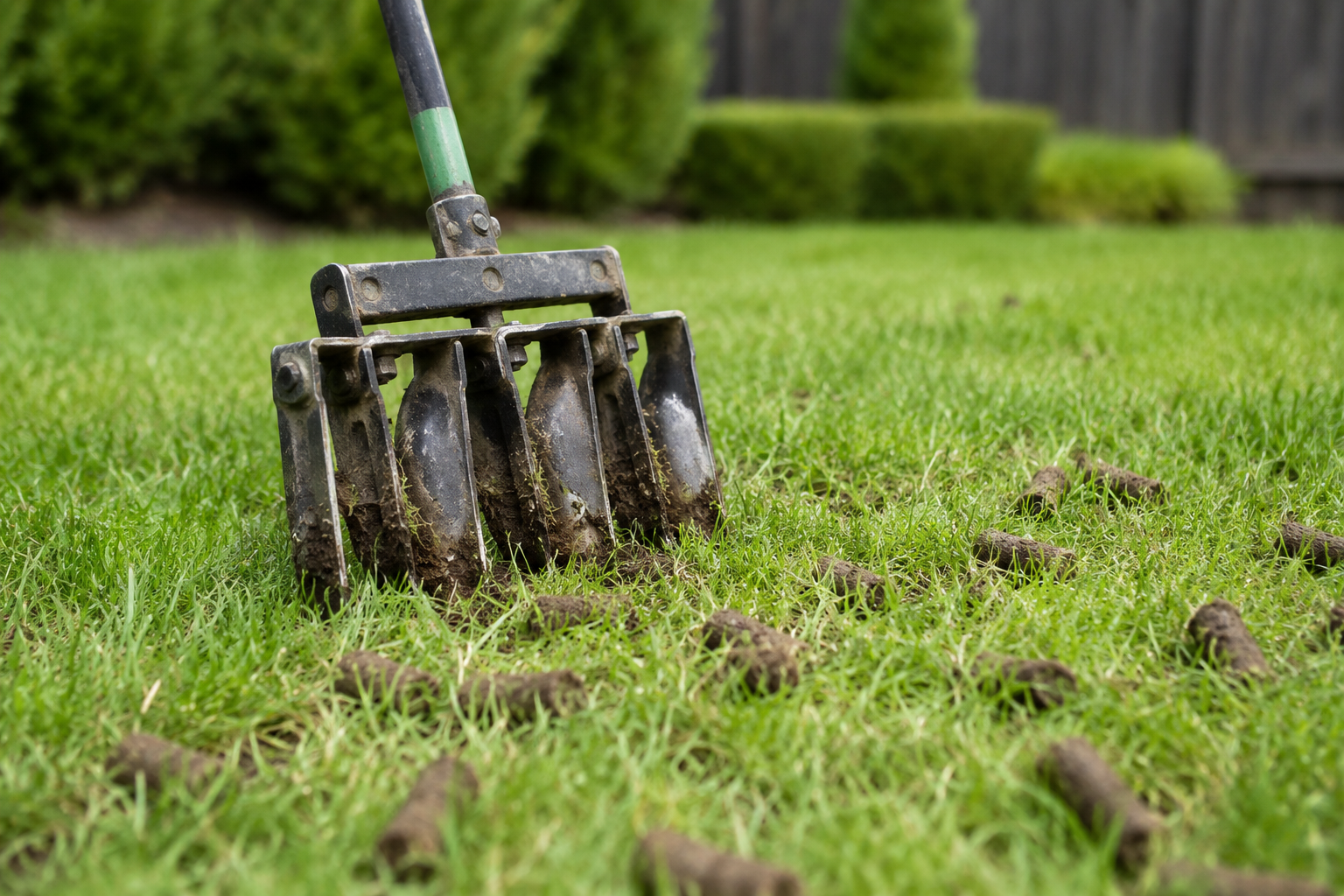
- Aerate: Use mechanical or liquid aeration to relieve soil compaction. This allows water, nutrients, and seeds to penetrate deeply.
- Optional Soil Adjustment: Test soil pH if necessary and amend accordingly. Prairie soils can vary in alkalinity, and proper adjustments help seedlings thrive.
These steps prepare the lawn for the ideal soil-to-seed contact, essential for strong germination.
Applying Topdressing
After preparation, it’s time to spread your topdressing material. A few key points ensure optimal results:
- Spread the material evenly across the lawn at a thin depth of roughly ¼ inch.
- Work the material gently into the grass using the back of a rake.
- Focus on low spots and areas with compacted soil to create a uniform surface.
This thin, even layer acts as a protective blanket for the seeds, helps retain moisture, and improves soil structure over time.
Overseeding Step-by-Step
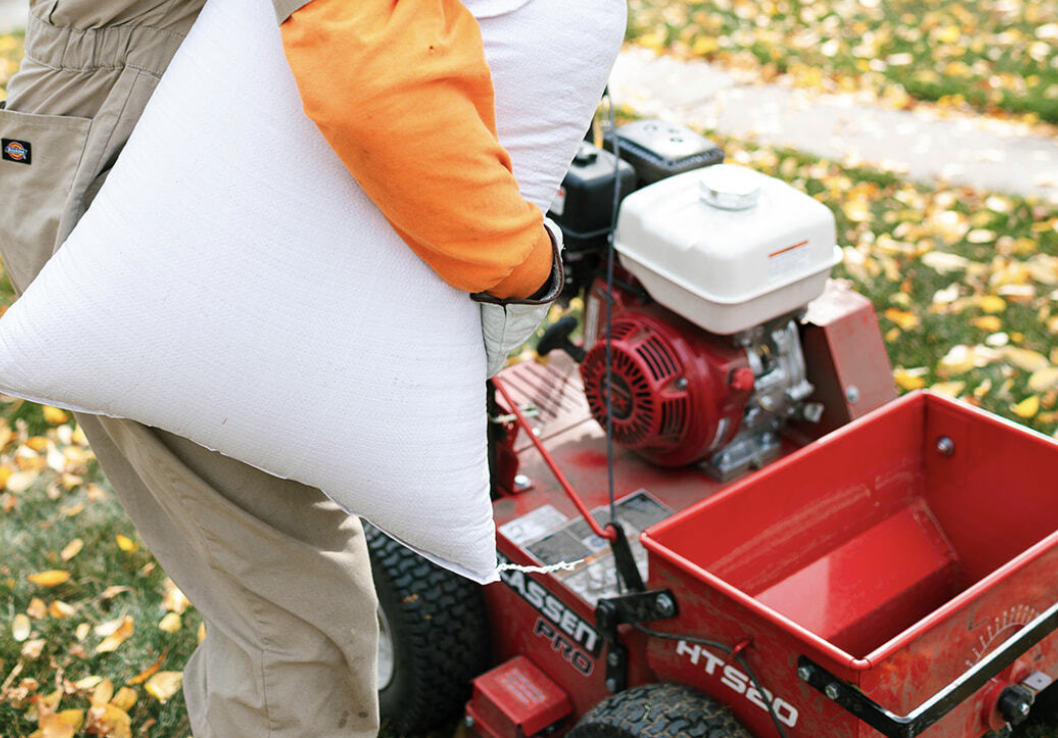
Once the topdressing is applied, overseeding can begin. For the best results:
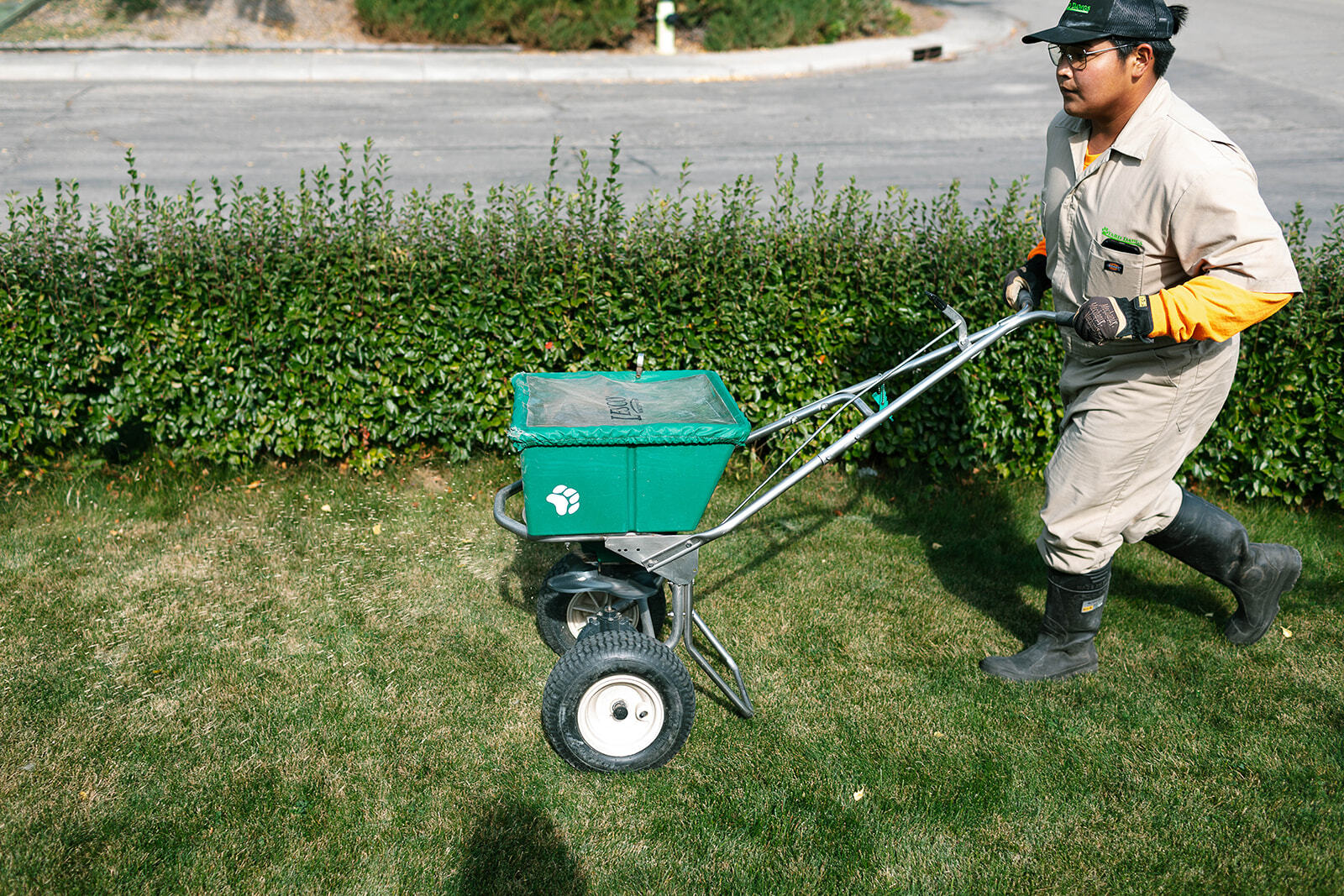
- Distribute Seed Evenly: Use a broadcast or drop spreader for uniform coverage. Hand-seed sparse areas to ensure no spots are left behind.
- Rake Lightly: Gently work seeds into the topdressing layer to improve soil contact without burying them.
- Fertilize: Apply a starter fertilizer if your seed mix does not include nutrients. This gives young seedlings a head start.
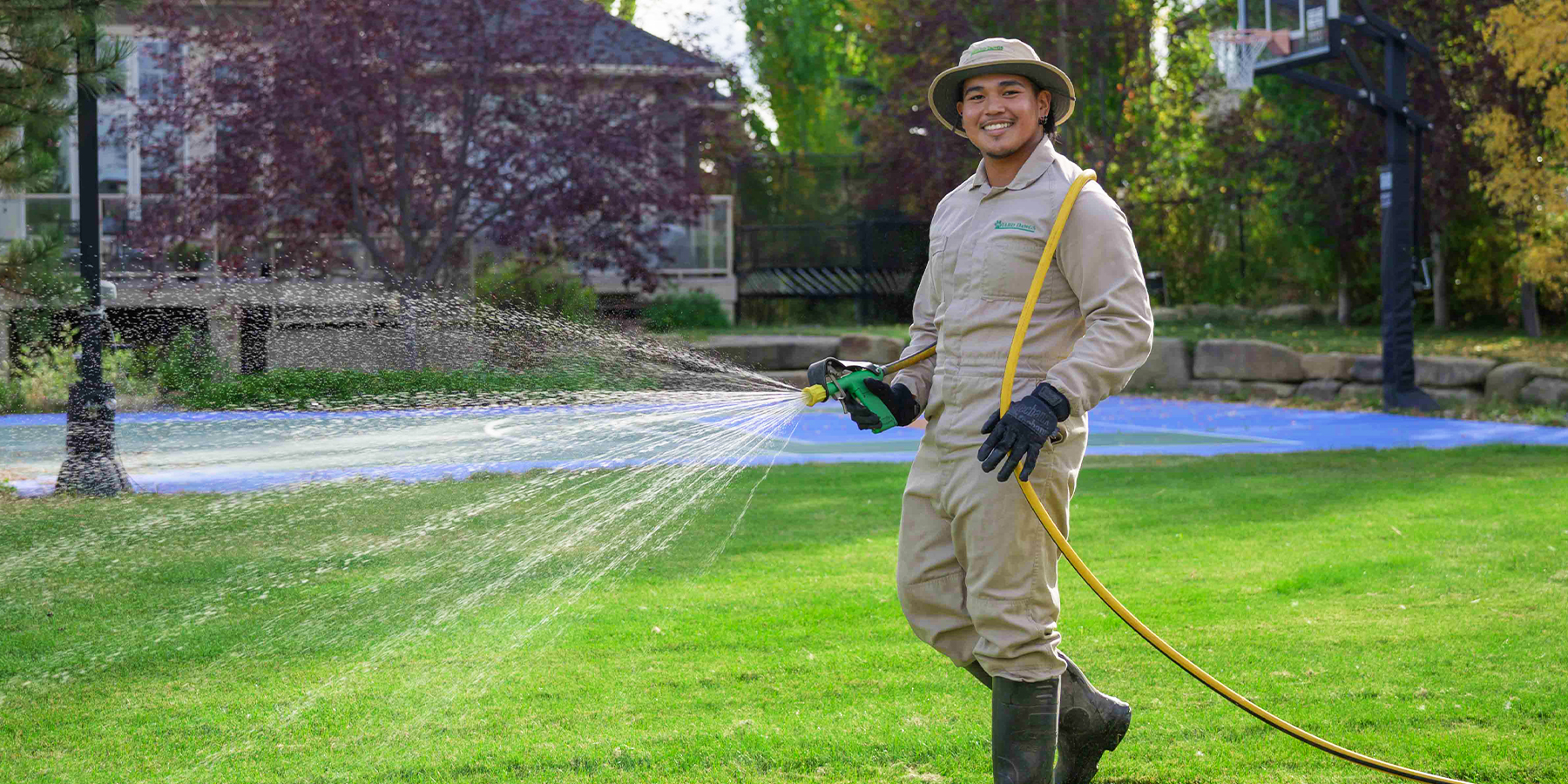
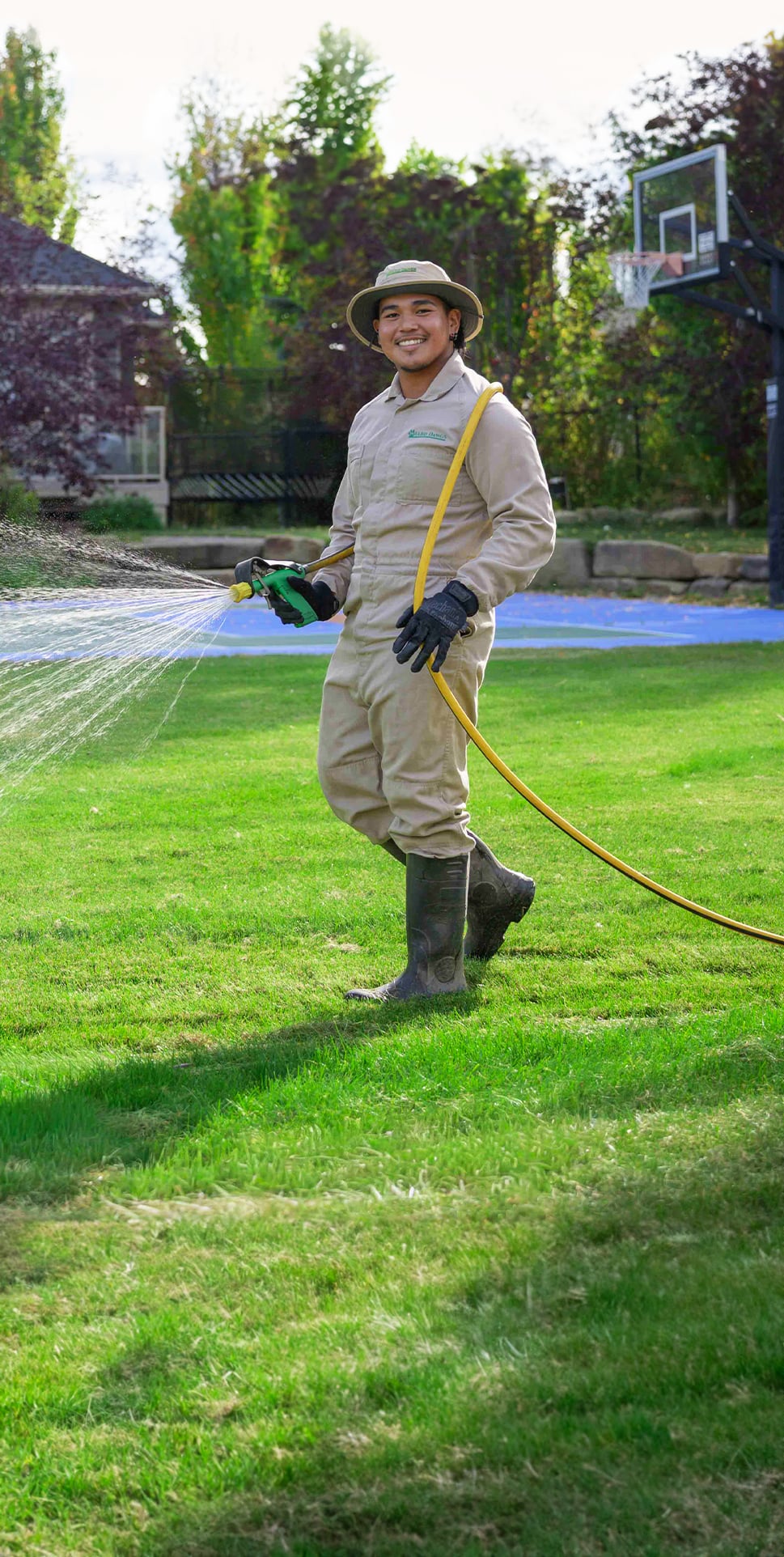
- Water Properly: Keep soil consistently moist but not waterlogged. Frequent light watering is recommended initially, transitioning to deeper, less frequent watering as roots develop.
Overseeding in late summer to early fall is ideal for prairie lawns. Warm soil temperatures combined with cooler nights create perfect germination conditions and allow roots to establish before winter.
Maintaining Your Newly Overseeded Lawn
After topdressing and overseeding, proper maintenance is essential:
- Mowing: Wait until the new grass reaches 3 inches before cutting, removing no more than a third of the blade at a time.
- Watering Schedule: Gradually reduce frequency while increasing the depth of watering to encourage deep root growth.
- Fertilizing: After 6–8 weeks, apply a balanced, slow-release fertilizer to support ongoing growth.
Consistent care ensures your prairie lawn becomes thicker, greener, and more resilient, effectively crowding out weeds naturally.
How Overseeding Complements Topdressing
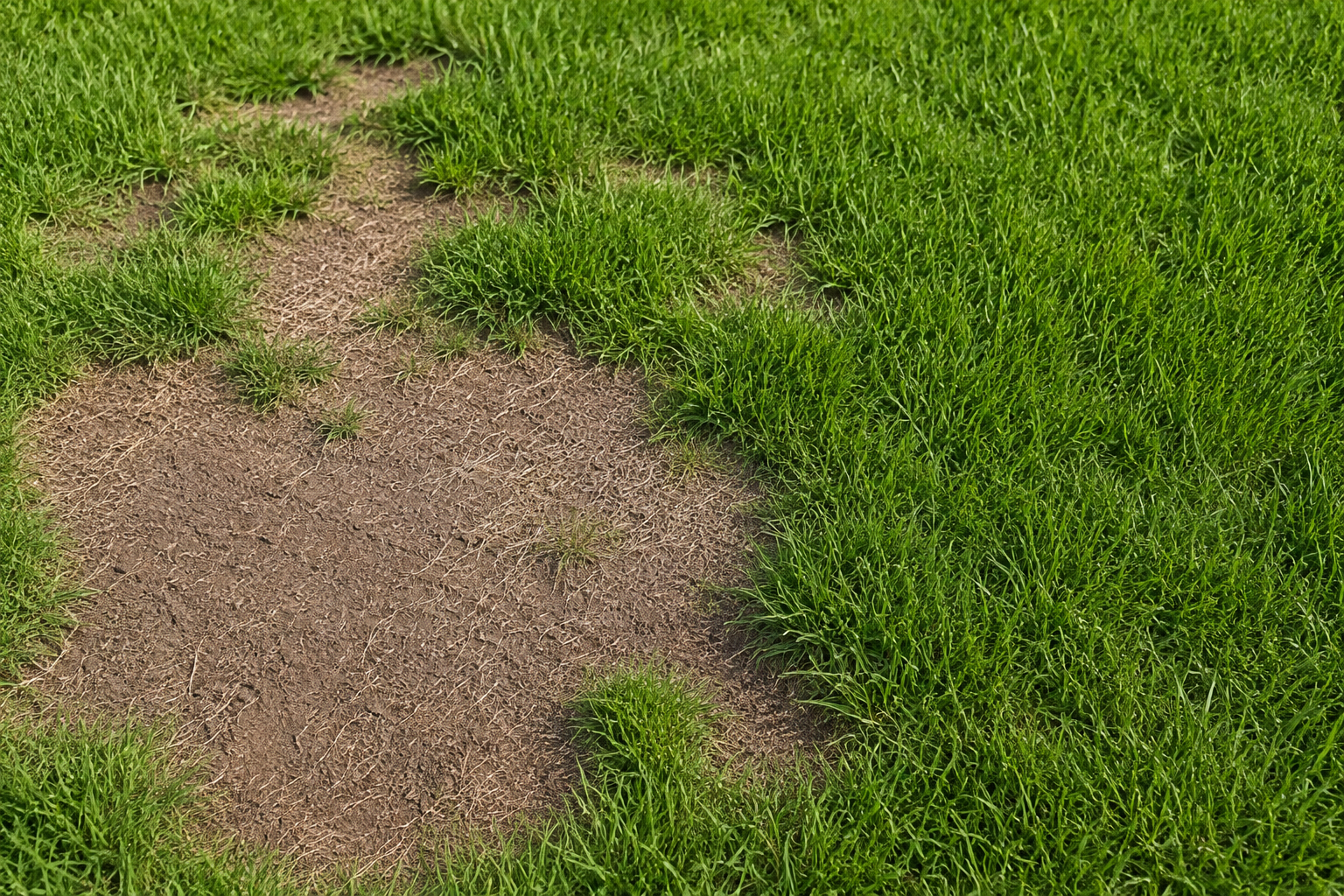
While topdressing prepares the soil, overseeding breathes new life into your lawn by introducing fresh grass seed. This process involves spreading seed over the existing turf to thicken the lawn, repair bare patches, and enhance overall color and texture. Unlike reseeding, which involves removing the existing grass, overseeding strengthens the lawn you already have, making it more resilient to disease, drought, and pest pressure.
Overseeding serves several important purposes. It fills in sparse areas, strengthens root systems, introduces grass varieties suited to the prairie climate, and naturally crowds out weeds. For Alberta lawns, the ideal seed blends typically include Kentucky Bluegrass, fine and tall fescues, and perennial ryegrass. These grasses are chosen for their ability to withstand cold winters, moderate summer heat, and high-traffic conditions while maintaining rich, green color.
Common Mistakes to Avoid
Even with the right techniques, mistakes can reduce the effectiveness of topdressing and overseeding:
- Skipping aeration: Compacted soil prevents seeds from rooting properly.
- Uneven topdressing: Thick layers can smother grass and delay growth.
- Poor seed selection: Using grass types not suited for your climate can result in patchy growth.
- Inconsistent watering: Too much or too little water affects germination.
Professional lawn care companies provide guidance and support to prevent these issues, ensuring your lawn reaches its full potential.
Why Professional Lawn Care Matters
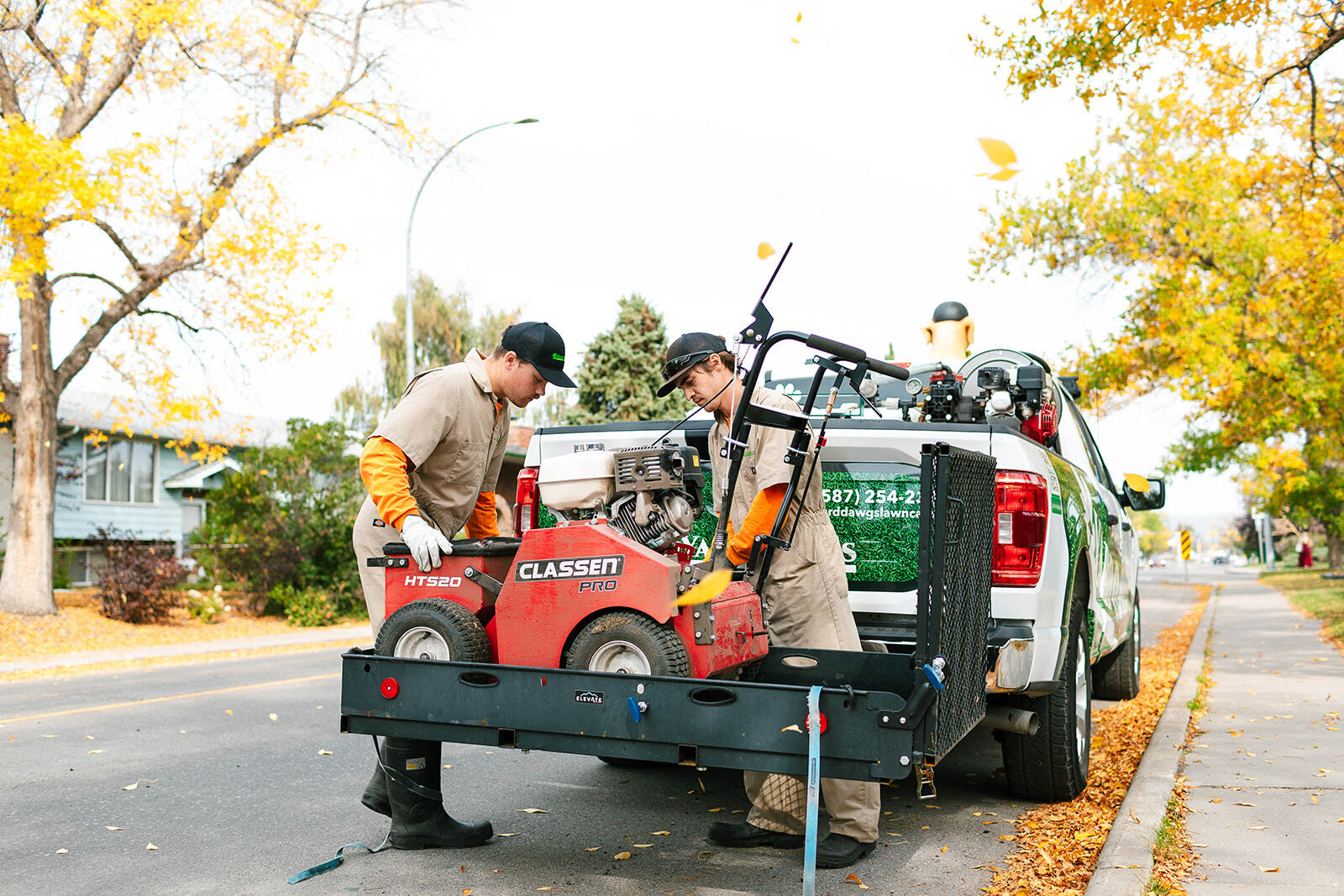
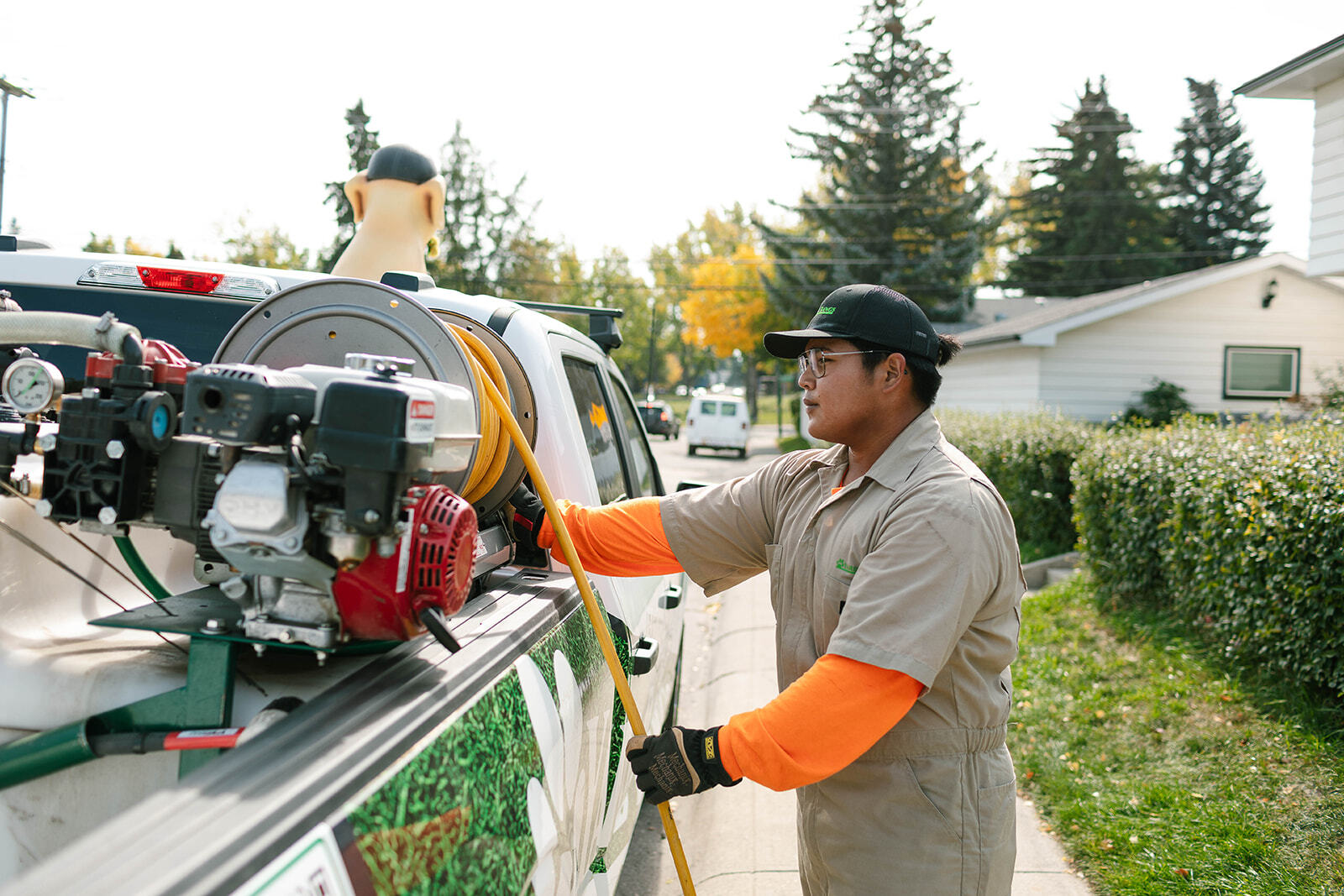
Topdressing and overseeding may seem straightforward, but achieving optimal results requires precision, timing, and ongoing maintenance. With Yard Dawgs’ lawn care services, your lawn receives personalized attention from a dedicated team. From fertilization to aeration, we ensure every step of the process, from soil prep to watering, maximizes growth, density, and overall lawn health.
With over 4,000 happy customers, a 100% weed-free guarantee, and a team that treats your lawn as if it were their own, Yard Dawgs helps prairie lawns thrive year after year.