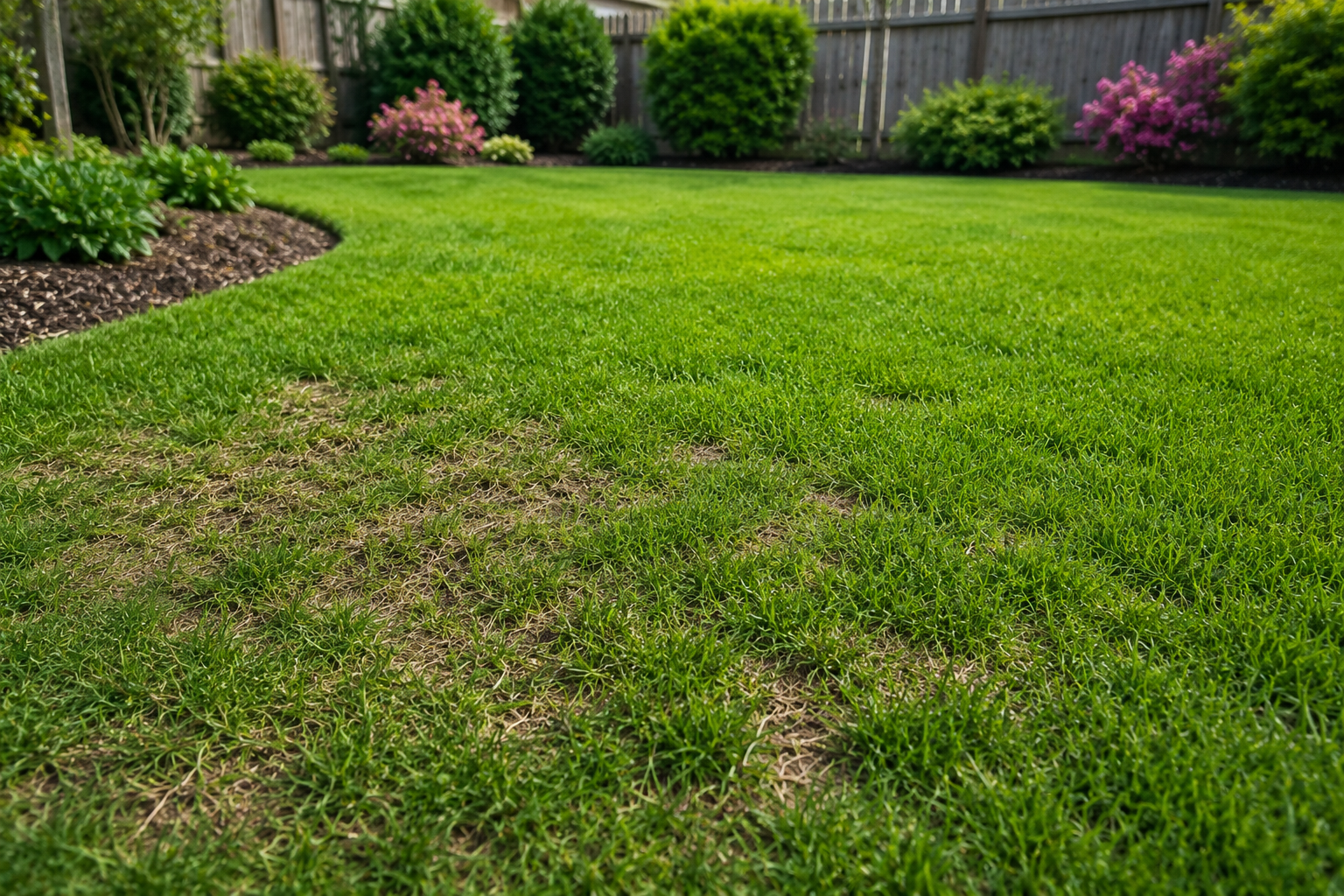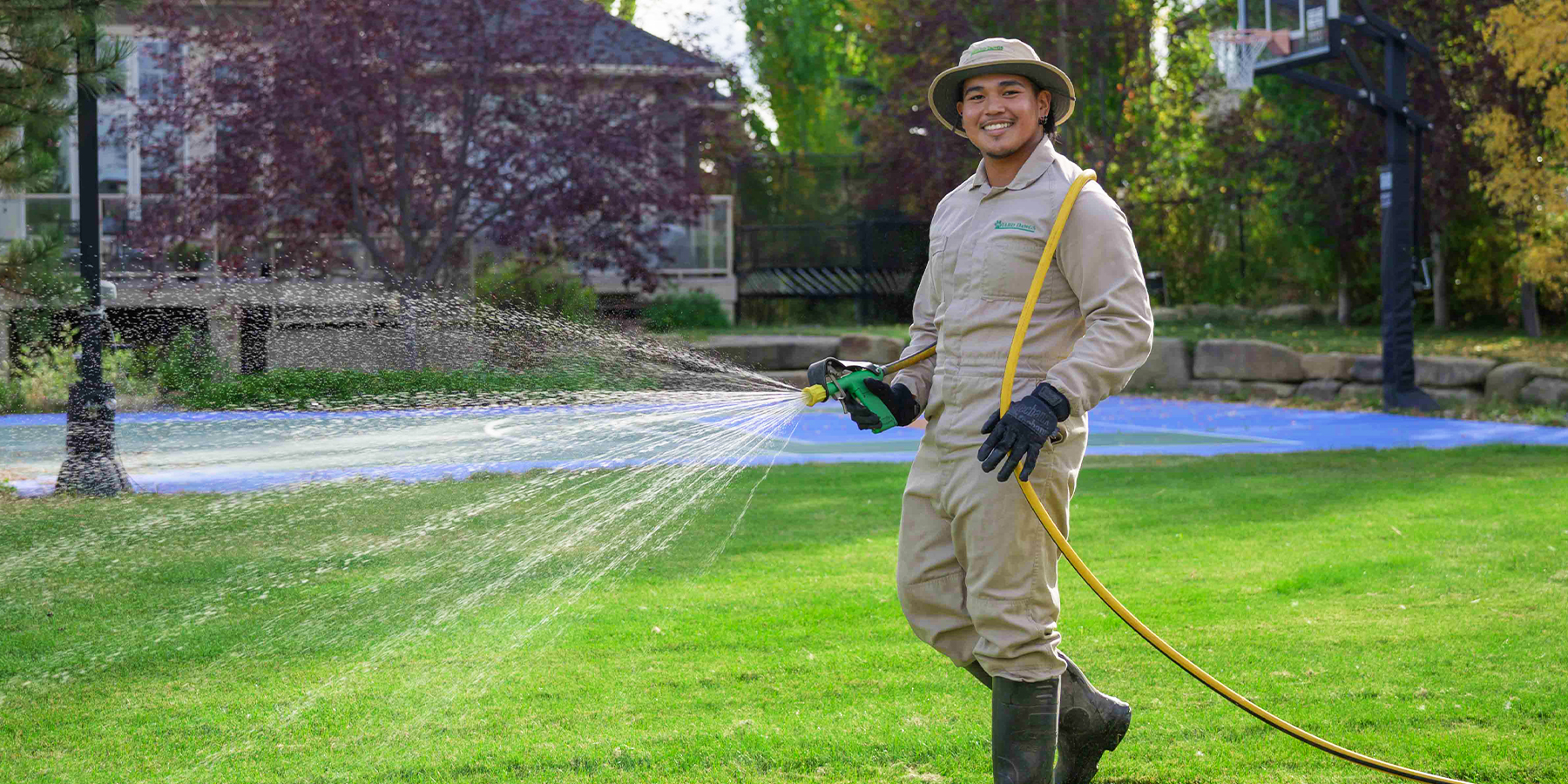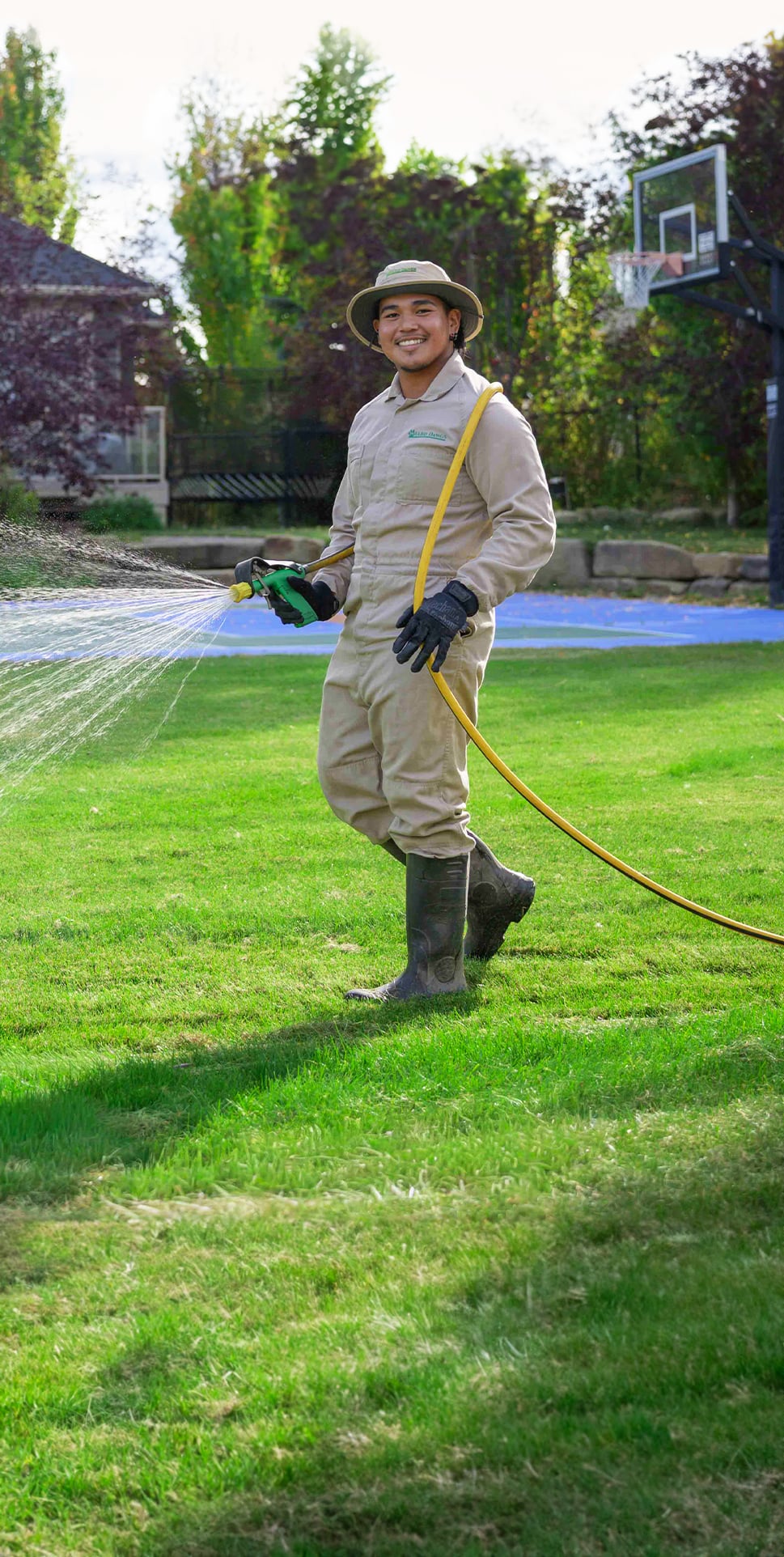








A vibrant, green lawn is the pride of any homeowner, but summer heat can challenge even the most dedicated lawn enthusiasts. In Calgary, Edmonton, Red Deer, and Saskatoon, summers can bring intense sun and dry conditions that stress grass, leading to brown patches, thinning turf, or invasive weeds.
Understanding how to properly care for your lawn during this season is essential, not just for immediate beauty but for long-term health. Keep the right watering schedule, strategic treatments, and attention to soil health and make your lawn thriving through the hottest months.

Limited spots available!
Transform your lawn today

Limited spots available!
Transform your lawn today
Why Summer Lawn Care Matters
Many homeowners underestimate the impact of summer stress on their grass. Heat, combined with infrequent watering or high foot traffic, can weaken roots and create opportunities for weeds to take over. The good news is that a proactive lawn care plan can prevent these issues. Focus on proper hydration, nutrient management, and soil aeration and ensure your lawn stays lush, healthy, and resistant to pests.
Lawn care experts recommend preparing now for the fall season as well. Implementing summer practices not only preserves your grass during hot months but also lays the groundwork for effective fall lawn care. These steps directly influence how well your lawn recovers and thrives in cooler temperatures, making it easier to follow your fall lawn care tips.
How Long Should You Water Your Lawn in Summer?
Watering is often the most misunderstood aspect of summer lawn maintenance. Overwatering can be as harmful as under-watering, leading to shallow roots and increased weed problems.
Most established lawns need approximately 1 to 1.5 inches of water per week, including rainfall. For many irrigation systems, this translates to watering for about 25–30 minutes per zone, two to three times per week, but actual run times vary depending on sprinkler output, soil conditions, and weather.
Here’s a detailed guide:
- Optimal Timing: Water your lawn in the early morning, ideally between 5:30 a.m. and 9 a.m. This reduces evaporation and allows grass blades to dry before evening, minimizing the risk of fungal diseases.
- Duration and Depth: Your lawn generally needs about 1 to 1.5 inches of water per week, including rainfall. Deep, infrequent watering encourages roots to grow downward, making grass more resilient to heat stress.
- Monitoring: A simple method is to use a rain gauge or place a small container like a tuna can on your lawn while watering to measure how much water your sprinkler delivers.
Proper hydration protects grass from summer stress and supports stronger growth during fall. Lawns that are watered correctly are less prone to weeds and pests, including chinch bugs.
Deep watering is especially important during prolonged hot weather. Frequent light watering keeps moisture near the surface, encouraging shallow root systems that dry out quickly when temperatures rise. Lawns watered deeply develop stronger root systems that can access moisture stored deeper in the soil profile.
Homeowners in Calgary should also consider local soil conditions. Many Calgary-area properties contain clay-heavy soils, which absorb water more slowly than sandy soils. Applying too much water at once can lead to runoff before moisture reaches the root zone. In these situations, shorter watering cycles separated by rest periods often provide better results than one long irrigation session.
How Much Water Does a Lawn Need Per Week?
Most cool-season grasses commonly found throughout Alberta and Saskatchewan, including Kentucky bluegrass, fescues, and ryegrass blends, perform best with 1–1.5 inches of water per week. This total includes both irrigation and natural rainfall.
During periods of moderate summer weather, many lawns can meet a portion of their water needs through rainfall. However, during extended dry spells or heat waves, supplemental irrigation becomes essential to prevent stress and dormancy.
Water requirements can increase temporarily when temperatures remain above seasonal averages for several consecutive days. During extreme heat, lawns may benefit from an additional watering session while still maintaining a deep-watering approach.
How to Measure Whether Your Lawn Is Getting Enough Water
To determine how much water your irrigation system applies:
- Place several identical shallow containers throughout the watering zone and run your sprinkler for a set amount of time.
- Measure the water depth in each container and calculate the average.
- Estimate how long your system must run to deliver the recommended weekly water requirement.
You can also perform a simple footprint test. Walk across the lawn and observe how quickly the grass recovers. If footprints remain visible for an extended period, the lawn may be lacking moisture. Healthy, adequately watered grass typically springs back quickly after being stepped on.
Recommended Summer Lawn Watering Schedule
|
Lawn Condition |
Watering Frequency |
Approximate Duration per Session |
|
Normal summer weather |
2 times per week |
25–30 minutes |
|
Extended heat wave |
3 times per week |
20–30 minutes |
|
Clay-heavy soil |
1–2 times per week using cycle-and-soak watering |
15–20 minutes per cycle |
|
Sandy soil |
3 times per week |
15–20 minutes |
|
Areas receiving significant rainfall |
Reduce irrigation accordingly |
Monitor weekly totals |
|
Newly overseeded areas |
Light, more frequent watering |
As needed to maintain moisture |
Rainfall should always be factored into your watering schedule. If your lawn receives a significant rainfall event, reduce or skip scheduled irrigation to avoid oversaturating the soil.
Proper hydration protects grass from summer stress and supports stronger growth during fall. Lawns that are watered correctly are less prone to weeds and pests, including chinch bugs.
Signs Your Lawn Is Getting Too Much or Too Little Water
Both overwatering and underwatering can produce similar symptoms, including discoloration and reduced growth. Understanding the differences allows homeowners to make appropriate adjustments before permanent damage occurs.
Common Signs of Overwatering
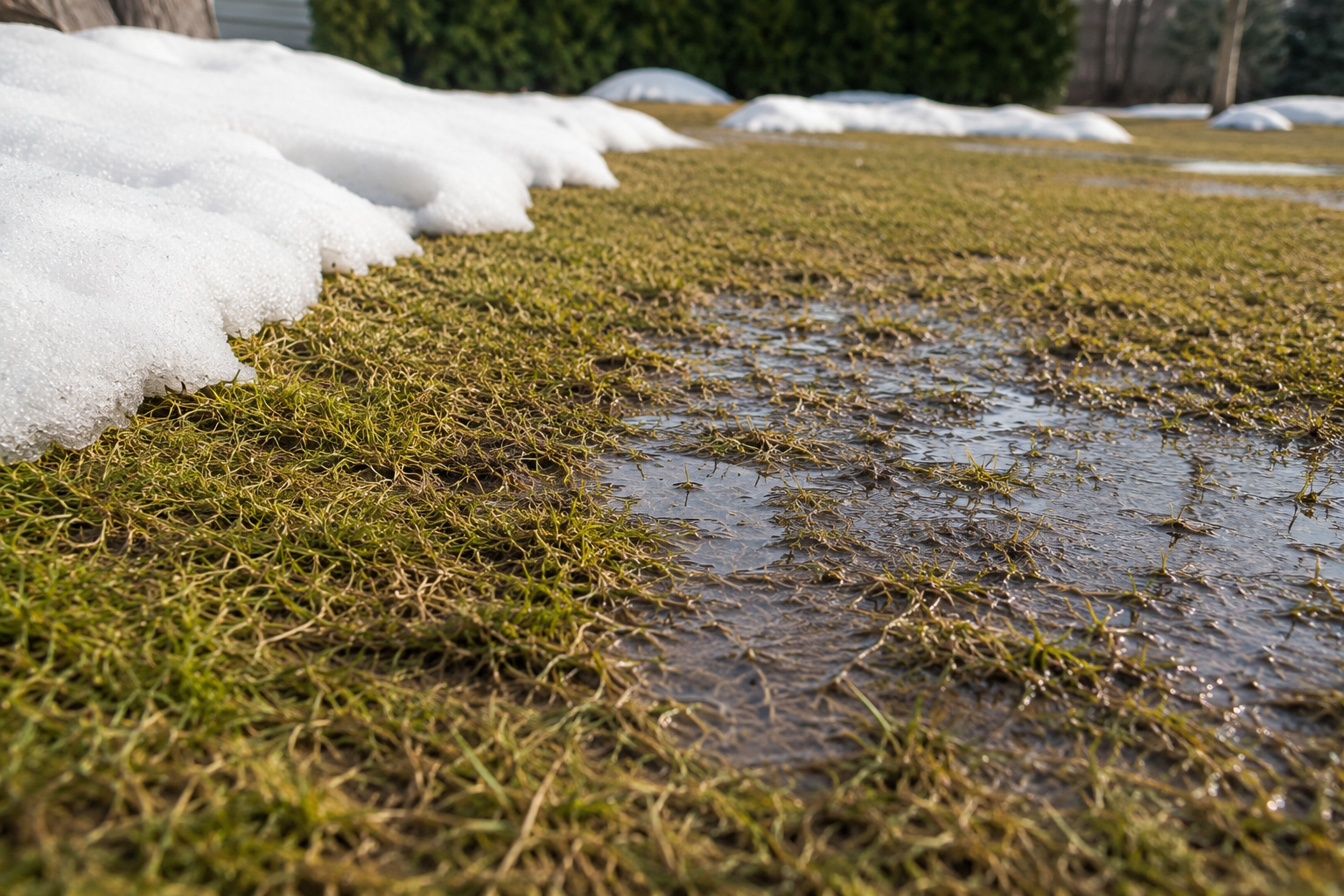
Overwatered lawns often appear consistently wet or spongy underfoot. Excess moisture limits oxygen availability in the root zone, weakening grass and creating ideal conditions for fungal diseases.
Signs of overwatering include:
- Standing water or puddles after irrigation
- Mushy or constantly damp soil
- Increased fungal growth or mushroom activity
- Yellowing grass despite frequent watering
- Excessive thatch buildup
- Increased weed pressure from moisture-loving species
Common Signs of Underwatering
When lawns do not receive enough water, grass begins conserving resources by slowing growth and entering a stressed state. Prolonged drought conditions may eventually trigger dormancy.
Signs of underwatering include:
- Bluish-gray or dull grass colour
- Dry, cracked soil
- Grass blades folding or curling
- Persistent footprints after walking across the lawn
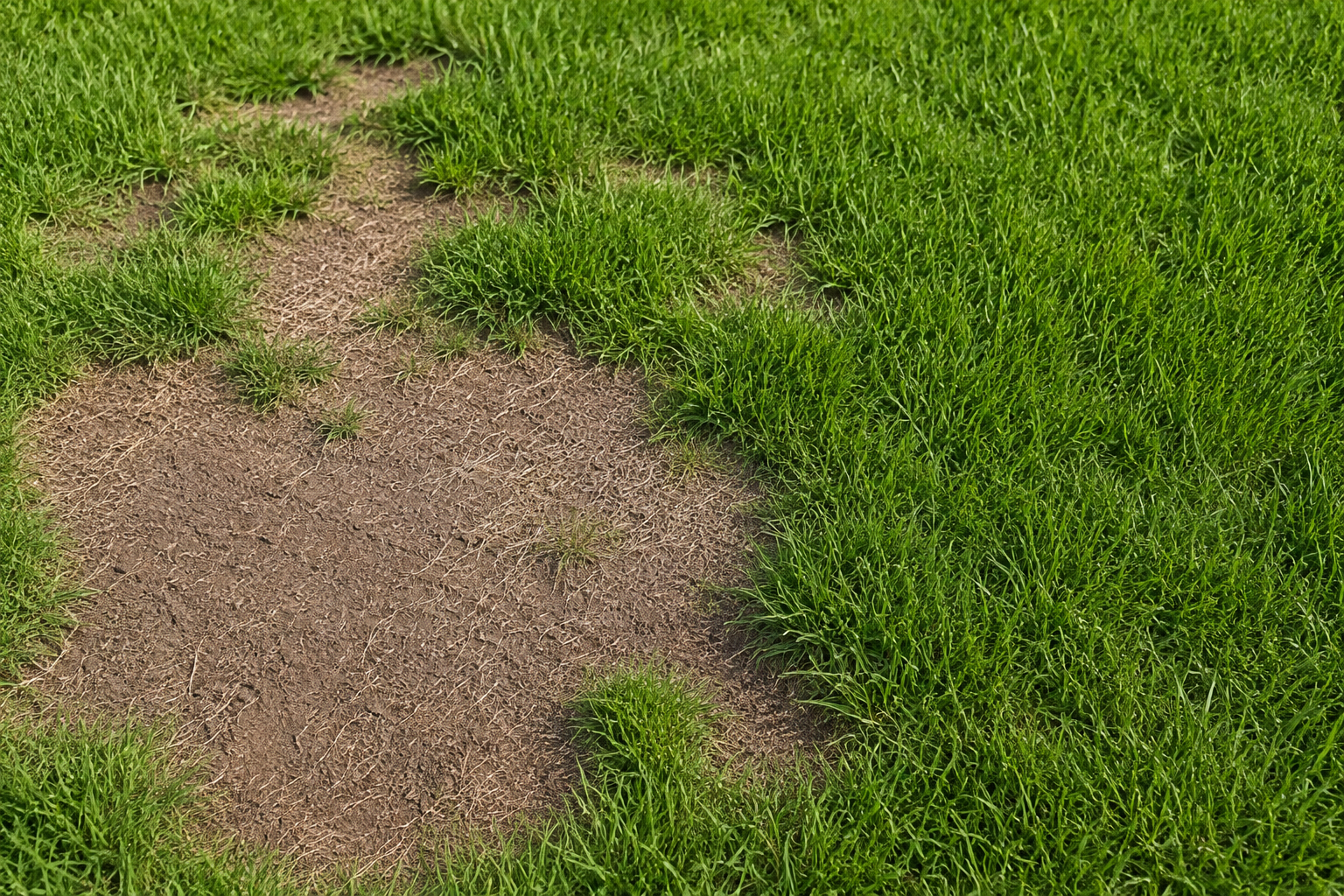
- Brown patches developing in sunny areas
- Slowed growth requiring less frequent mowing
Early identification is important because prolonged moisture stress can weaken turf and create opportunities for weeds and pests to establish themselves.
Strategies to Reduce Lawn Stress
Watering is only one part of summer lawn care. Other measures can prevent stress and promote lush growth.
1. Fertilization and Nutrient Management
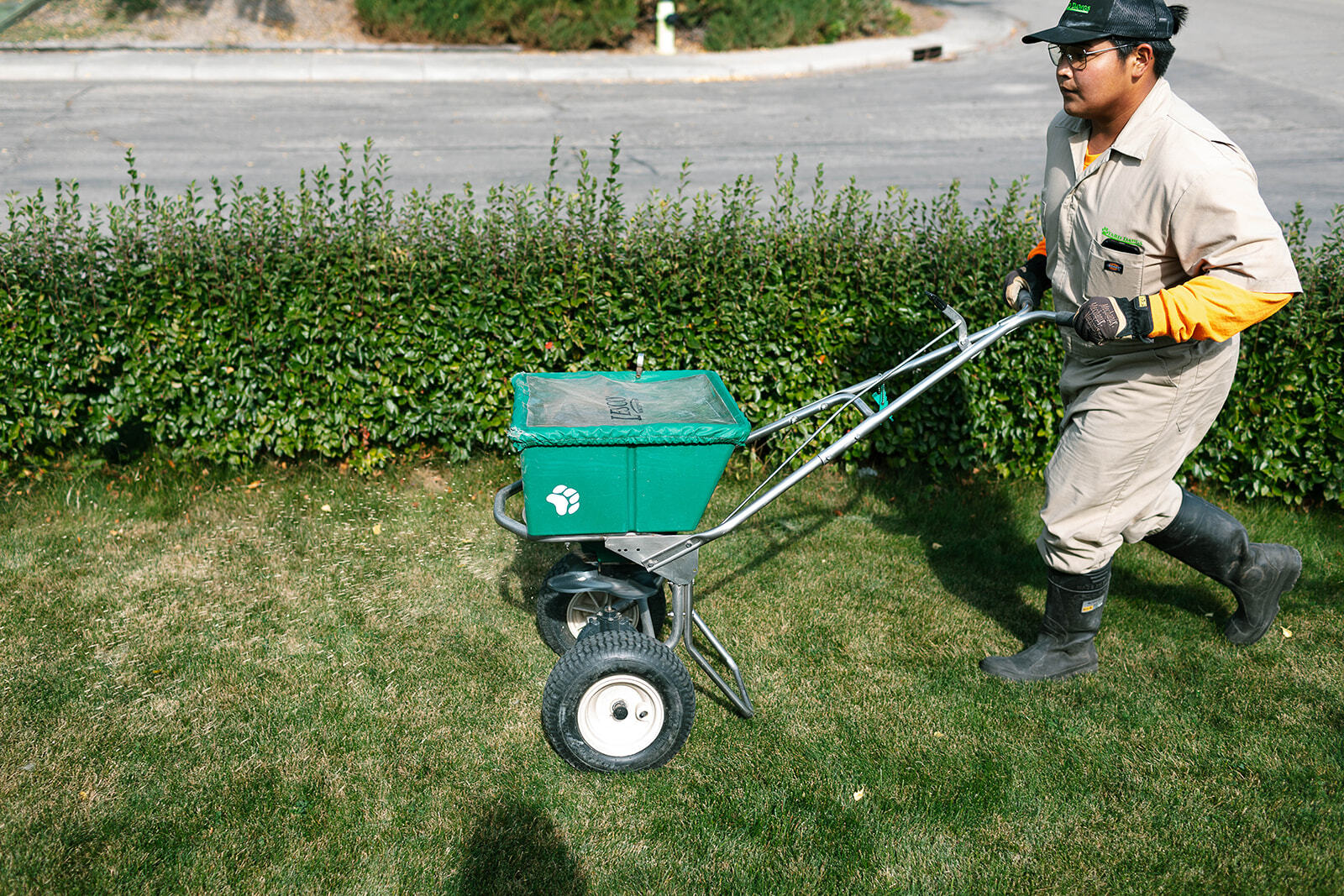
Feeding your lawn in summer helps maintain strong growth without overwhelming it. Using slow-release fertilizers ensures nutrients are delivered gradually, reducing the risk of scorching the grass. Additional treatments such as Super Juice or Sea Kelp can enhance soil health and resilience, improving the lawn’s ability to withstand heat.
2. Aeration and Soil Health
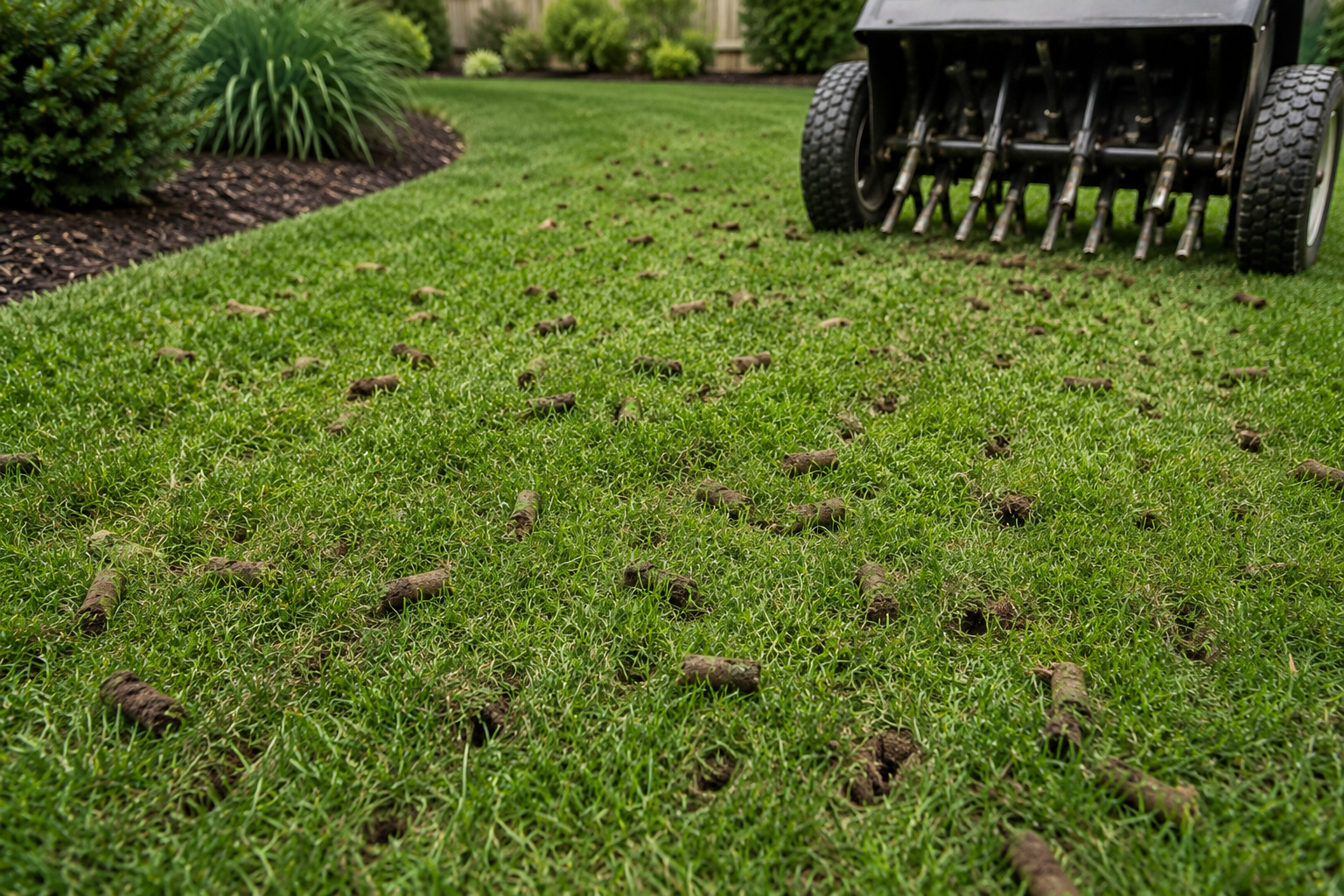
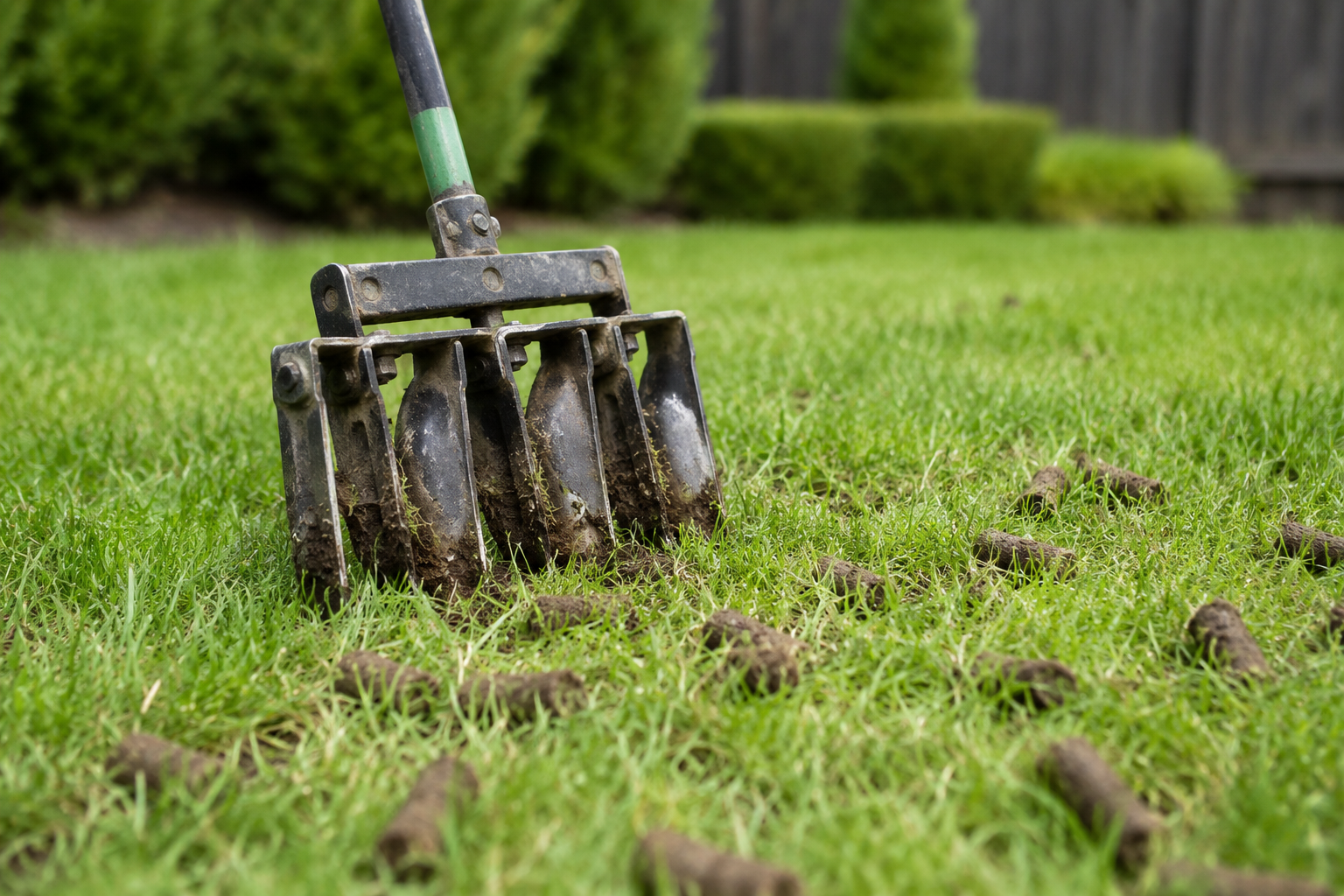
Compacted soil is a major contributor to stressed lawns. Mechanical aeration or liquid aeration allows water, nutrients, and oxygen to reach the roots more effectively. Regular aeration can also improve the efficiency of fertilizer and weed treatments, setting the stage for a successful fall lawn care season.
3. Weed Prevention
Summer heat often triggers weed growth. Lawns weakened by stress become prime targets for dandelions, crabgrass, and other invaders. At Yard Dawgs, we provide consistent weed control with a weed-free guarantee. If weeds appear between treatments, our team performs a free re-spray, ensuring your lawn remains healthy and visually appealing.
4. Overseeding and Aeration Plus
For thinning or patchy lawns, aeration plus improves soil conditions so new grass can grow stronger and more evenly. By relieving soil compaction and allowing better movement of air, water, and nutrients, this treatment helps repair damaged areas while supporting healthier, denser turf that recovers faster during both summer and fall.
Is Your Lawn Dormant or Dying?
Many homeowners assume brown grass is dead, but during hot, dry periods, cool-season grasses often enter dormancy as a survival mechanism. Dormant grass typically turns tan or brown uniformly while retaining healthy crowns and root systems below the surface.
Dead grass, on the other hand, pulls out easily and does not show signs of recovery when temperatures moderate or moisture returns. Before investing in lawn replacement, evaluate whether the turf is dormant and capable of recovering with improved watering and seasonal care.
Maintaining Lawn Health Under Summer Stress
Even with proper watering and treatment, summer heat can cause stress. Here’s how to maintain your lawn throughout the season:
- Mowing Practices. Keep your grass slightly taller, around 3–4 inches, to provide shade to the soil, retain moisture, and limit weed growth. Always use a sharp mower blade to avoid tearing grass.
- Traffic Management. Rotate high-traffic activities and use pathways to prevent soil compaction.
- Observation. Monitor for signs of stress, such as yellowing or wilting. Early detection allows you to adjust watering, fertilization, or aeration schedules before problems worsen.
How to Identify Heat Stress Before Permanent Damage Occurs
Heat stress often develops gradually. Early warning signs include a dull blue-green appearance, leaf rolling, thinning turf, and footprints that remain visible after walking across the lawn.
Addressing these symptoms promptly through deep watering, reduced traffic, and proper mowing practices can help prevent more severe damage. In many cases, lawns recover quickly when corrective action is taken before prolonged stress weakens the root system.
It is also important to distinguish heat stress from insect activity, disease, or nutrient deficiencies. If symptoms persist despite proper watering, a professional lawn assessment can help identify the underlying cause.
Preparing for Fall Lawn Care
Summer lawn care generally involves preparing your lawn for fall. Healthy summer practices make fall lawn care tips like aeration, fertilization, and overseeding more effective. By reducing stress and maintaining strong roots during summer, your lawn will respond better to treatments designed to thicken grass, prevent weeds, and promote recovery before the first frost.
Frequently Asked Questions About Summer Lawn Watering
How long should I water my lawn in summer?
Most lawns require enough irrigation to receive approximately 1–1.5 inches of water per week, including rainfall. For many sprinkler systems, that means watering 25–30 minutes per zone, two or three times weekly, although exact run times vary by sprinkler output and soil type.
Is it better to water every day or deeply a few times per week?
Deep watering a few times per week is generally more effective than daily shallow watering. Deep watering encourages stronger root development and improves drought tolerance, while daily watering often promotes shallow root systems.
How do I know if I'm overwatering my lawn?
Common indicators include consistently wet soil, standing water, fungal growth, yellowing grass, and a spongy feel underfoot. If these symptoms appear, reducing watering frequency may help restore healthier growing conditions.
Why is my grass turning brown even though I water it?
Brown grass is not always caused by a lack of water. Heat stress, soil compaction, fungal diseases, insect activity, improper mowing practices, and dormancy can all contribute to discoloration. Evaluating the root zone and overall lawn conditions helps determine the true cause.
Can grass recover from summer heat stress?
In many cases, yes. Lawns experiencing mild to moderate heat stress often recover once temperatures moderate and proper watering practices are restored. Recovery is more likely when stress is identified early and corrective measures are taken before root
Why Choose Yard Dawgs for Summer Lawn Care
Yard Dawgs is committed to providing consistent, high-quality lawn care across Calgary, Edmonton, Red Deer, and Saskatoon. With over 4,000 happy customers, we guarantee your lawn will look its best, or we’ll make it right. Our services include:
- Fertilizer treatments
- Comprehensive weed control
- Mechanical and liquid aeration
- Slit-seeding for dense turf
- Specialized treatments like Super Juice and Sea Kelp
- Chinch bug management
- Hardscape weed control
When you work with us, a dedicated lawn care team knows your property and provides personalized attention. Our continuous service model ensures your lawn receives consistent care throughout the season, and our success team is always available to address questions or adjust your plan.
By following these strategies, your lawn will not only survive the summer heat but also thrive, giving you a green, lush yard that’s ready for fall. Implementing these tips ensures your grass remains healthy, stress-free, and beautifully maintained all year long.