






A lush, healthy lawn requires proper care, but even with regular maintenance, certain issues can arise. One of the common challenges lawn owners face is thatch buildup. Recognizing when your lawn needs dethatching is crucial to maintaining its health and vibrancy.
So, in this article, we’ll explore the key signs that indicate you have a lawn that needs dethatching and provide insight on how to do it. So, let’s dive into it.

Limited spots available!
Transform your lawn today

Limited spots available!
Transform your lawn today
What is Thatch?
Thatch is a layer of organic material that accumulates between the grass blades and the soil surface in a lawn. It is composed of living and dead plant matter, such as stems, roots, and shoots.
A thin layer of thatch can be beneficial as it acts as insulation to protect grass roots from extreme temperatures. However, when the thatch layer becomes too thick, it can create problems such as:
- Preventing water, nutrients, and oxygen from reaching the soil.
- Harboring pests and diseases.
- Creating an uneven surface that hampers grass health.
Signs Your Lawn Needs Dethatching
As far as we are clear on what thatch is, let’s move on to understanding signs that your lawn needs dethatching.
Thick Layer of Thatch
One of the most common signs indicating that your lawn needs some dethatching is a thick layer of thatch accumulated on it. So, if you notice a spongy layer of organic material between the grass blades and soil that exceeds half an inch, it is the right time. If you do not dethatch the lawn, then it can inhibit water, nutrients, and oxygen from reaching the roots.
Water Runoff or Poddling
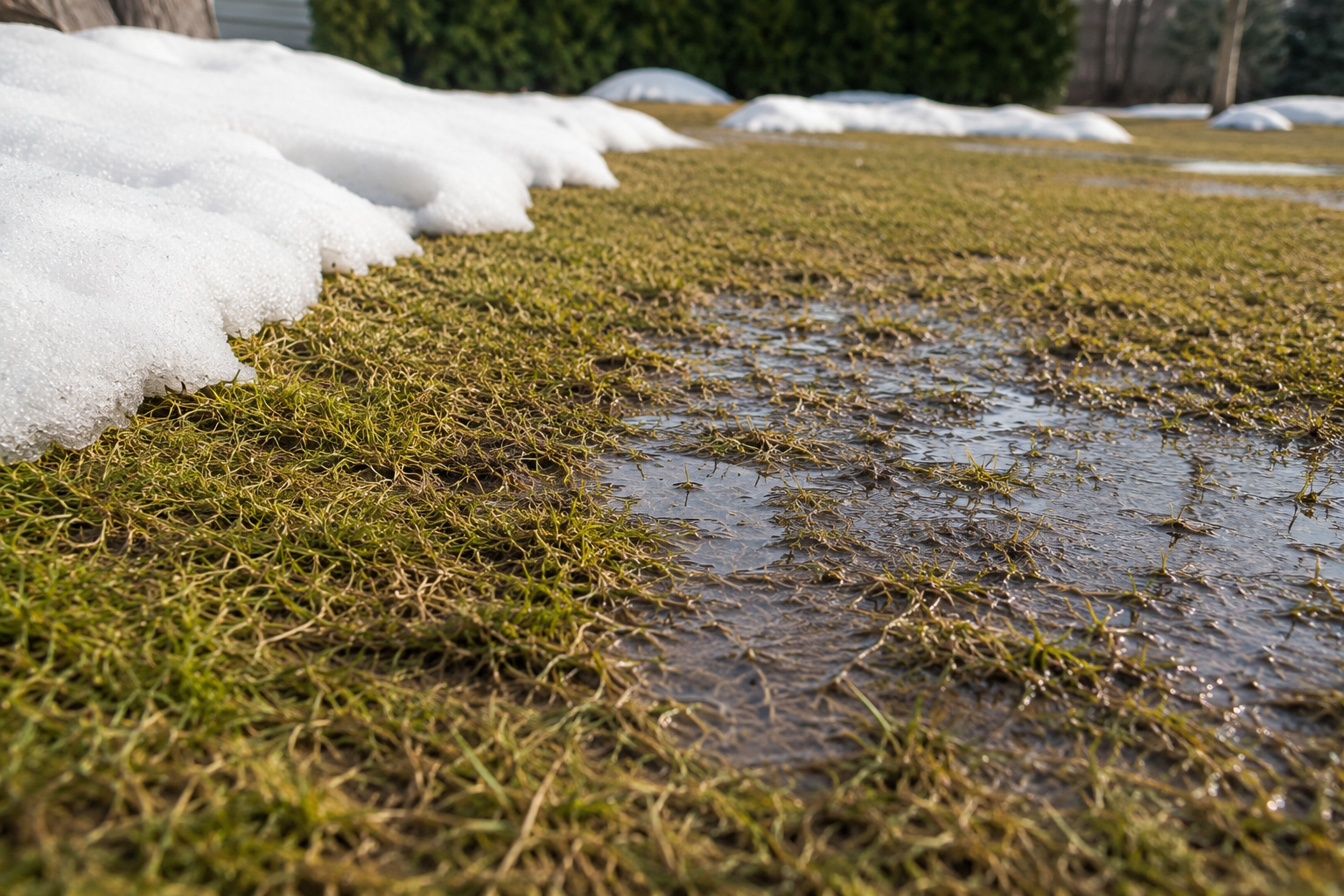
Another common sign indicating that your lawn needs dethatching is water runoff. Excessive thatch can cause water to pool on the surface instead of soaking into the soil. This is quite noticeable after watering the lawn or regular rainfall.
Weak Grass Growth
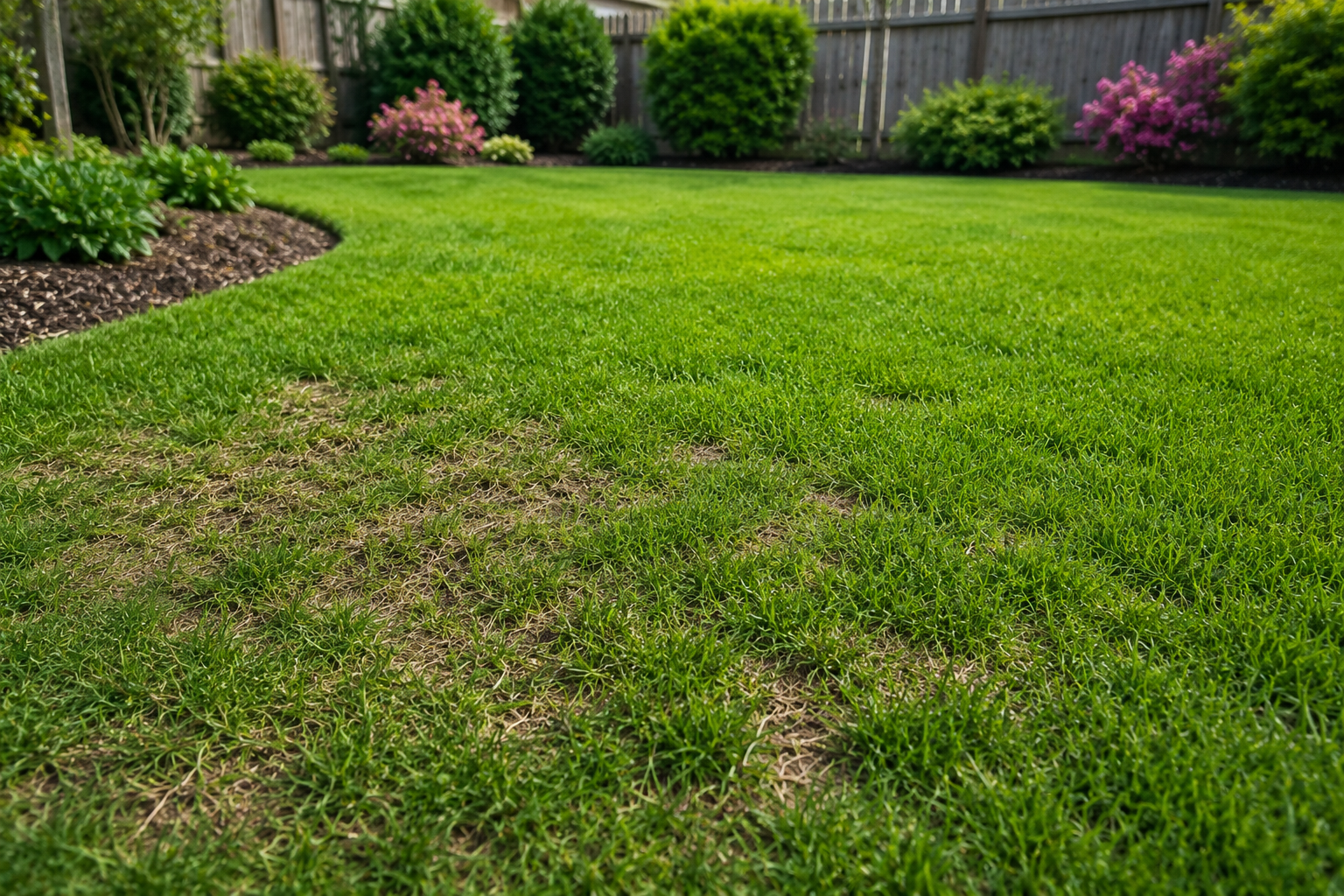
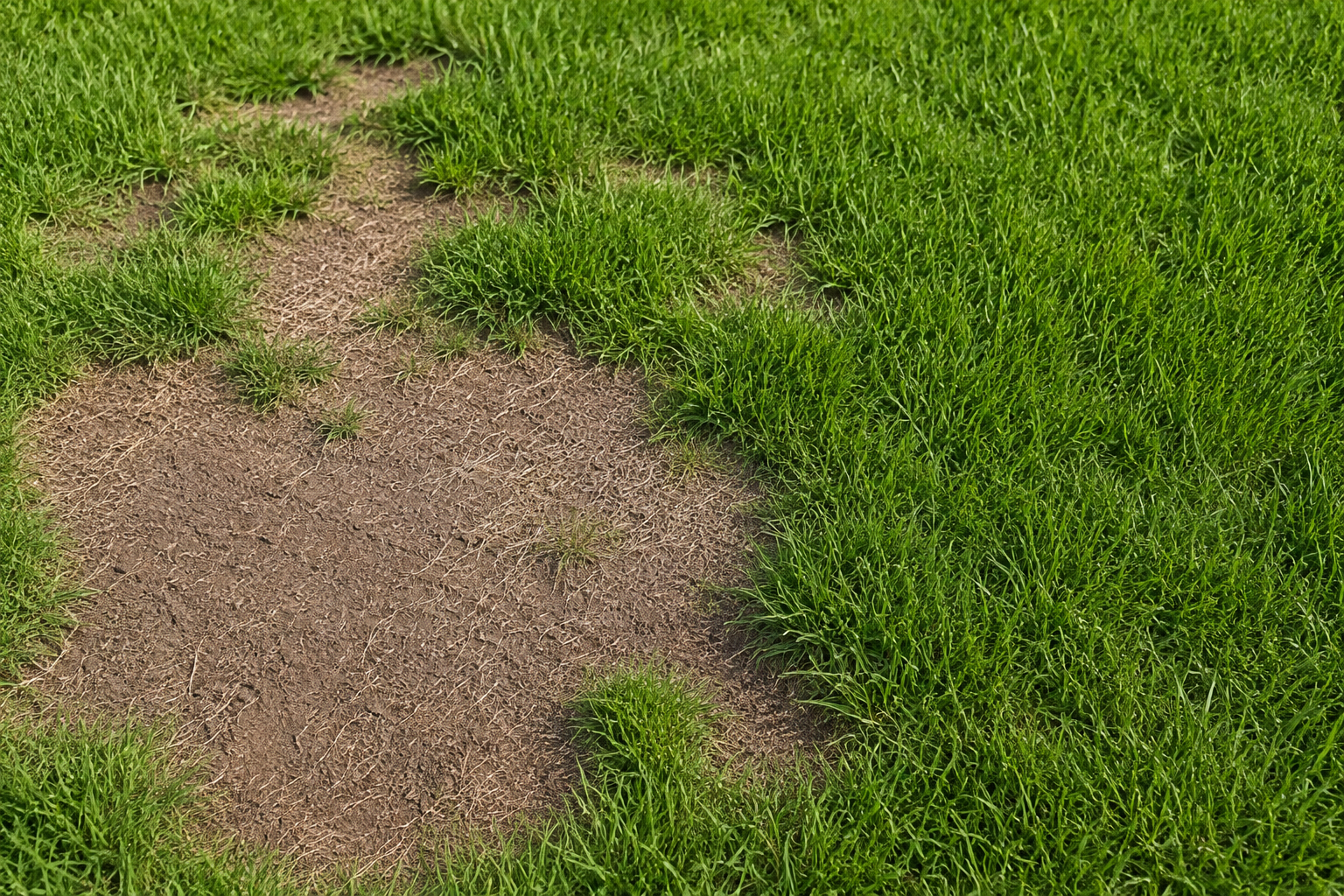
If you notice weak or patchy grass growth, then it is a sign that your lawn needs dethatching. Thatch buildup suffocates the grassroots, which leads to thinner grass, bare spots, and areas that struggle to grow despite regular maintenance. In many cases, patchy areas combined with a spongy surface indicate a lawn that needs dethatching because the grass roots are unable to access moisture and nutrients properly.
Increases Pest or Disease Issues
A thick thatch layer creates a breeding ground for pests and fungal diseases that damage your lawn, so if you notice pests or signs of lawn disease, that thatch can be the issue, indicating that it is time to deal with it.
Common Causes of Thatch
It is essential to also be aware of the common causes of thatch to effectively deal with it later on.
Dead Leaves
One of the most common causes of thatch is dead leaves. Accumulation of these contributes to thatch buildup, and if they are not removed on time, they decompose slowly and add to the organic material layer.
Excessive Water
Overwatering your lawn can lead to shallow root growth and also create conditions where organic materials break down inefficiently, which in turn encourages thatch formation.
Dry Soil
Poor soil moisture can slow the decomposition of organic matter, causing thatch to build up over time as it remains on the surface.
Pesticides
Frequent use of pesticides can disrupt the soil’s ecosystem, killing beneficial microorganisms that help break down organic material and prevent thatch.
Type of Grass
Certain grass types, such as Kentucky bluegrass or creeping fescue, are prone to thatch buildup due to their dense growth patterns and slow decomposition rates.
Excess Nitrogen
Overusing nitrogen-rich fertilizers stimulates rapid grass growth. This leads to the accumulation of organic material that doesn’t break down quickly enough, forming the unwanted thatch.
The Best Time of Year for Dethatching Your Lawn
The ideal moment is when the lawn that needs dethatching is actively growing and capable of recovering quickly after the thatch layer is removed.
For cool-season grasses commonly found in many Canadian regions, such as Kentucky bluegrass and fescue, the best time to dethatch is early spring or early fall. During these periods, temperatures are moderate and the grass has strong growth potential, allowing it to repair itself efficiently.
Warm-season grasses respond better to dethatching in late spring or early summer, once they have entered their main growth phase. Performing the process too early can weaken the grass, while doing it during extreme heat or drought can slow recovery and increase stress on the lawn.
Before scheduling dethatching, it’s also helpful to confirm that the thatch layer is thicker than about half an inch. If the buildup is minor, routine lawn care practices like aeration and proper mowing may be enough to maintain healthy turf.
The Benefits of Dethatching Your Lawn Regularly
Regular dethatching can significantly improve the overall condition of your lawn by restoring the connection between grass roots and the soil beneath them. When the thatch layer becomes too dense, it blocks water, air, and nutrients from reaching the root system. Removing this barrier allows these essential resources to penetrate the soil more effectively. Key benefits of regular dethatching include:
- Improved nutrient and water absorption. Removing excess thatch allows water, oxygen, and nutrients to reach the soil and root system more efficiently.
- Stronger root development. With better access to moisture and oxygen, grass roots grow deeper and become more resilient to drought and heavy foot traffic.
- Reduced pest and disease risks. Thick organic buildup can trap moisture and create favorable conditions for fungal diseases and insects, while dethatching improves airflow around the grass base.
- A thicker and more uniform lawn. Healthier grass spreads more evenly and fills bare spots faster, creating denser and greener turf throughout the growing season.
How to Dethatch a Lawn
Well, it is finally time to dive into the practical section of this guide and understand how to detach a lawn.
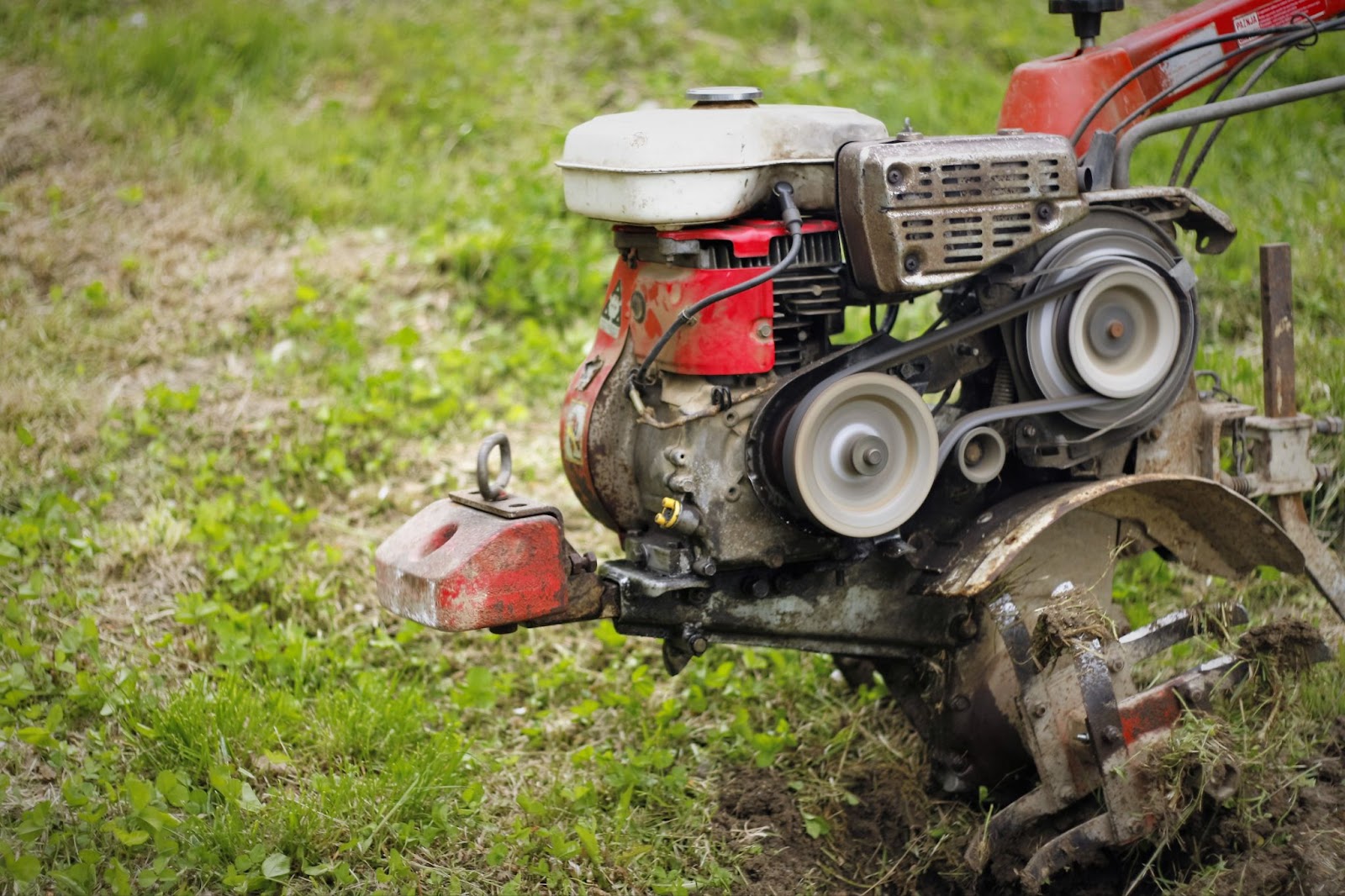
Aerate the Soil
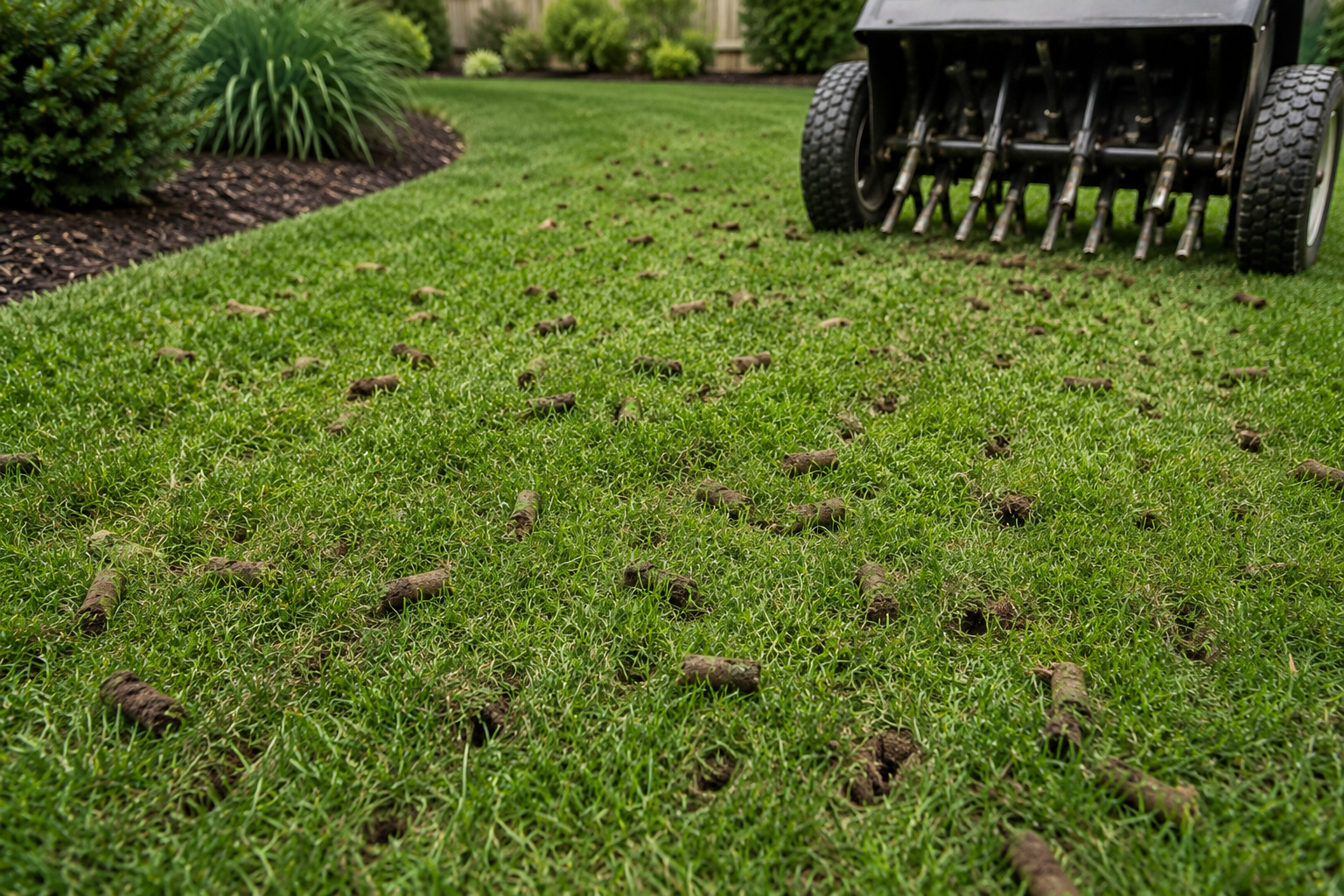
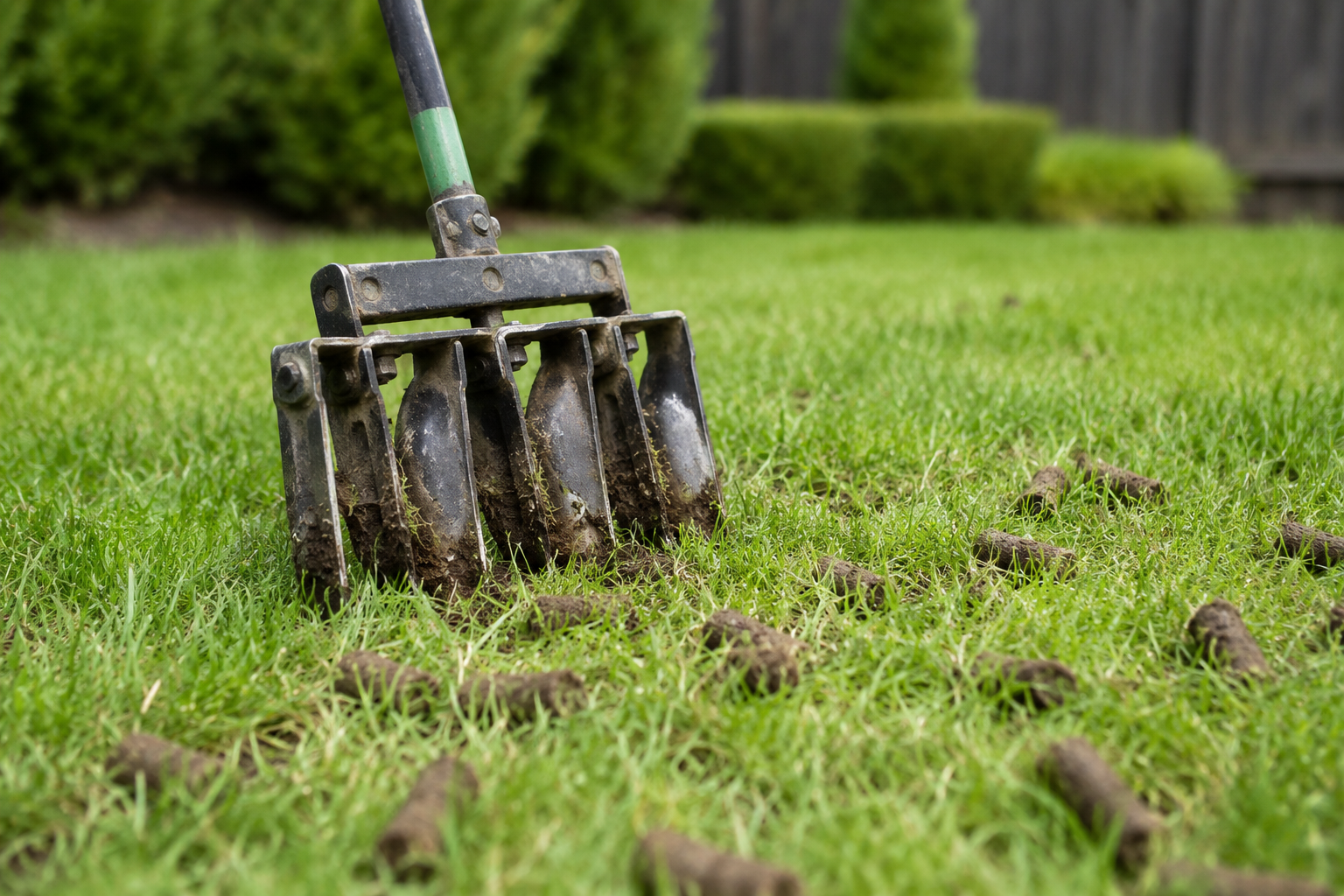
Aerating the soil is crucial for breaking up compacted layers and improving the flow of water, air, and nutrients to the roots.
- Use a core aerator to remove small plugs of soil and break through compacted layers.
- Focus on areas where water tends to pool or grass growth seems weak.
- Follow up with watering to help nutrients penetrate deep into the soil.
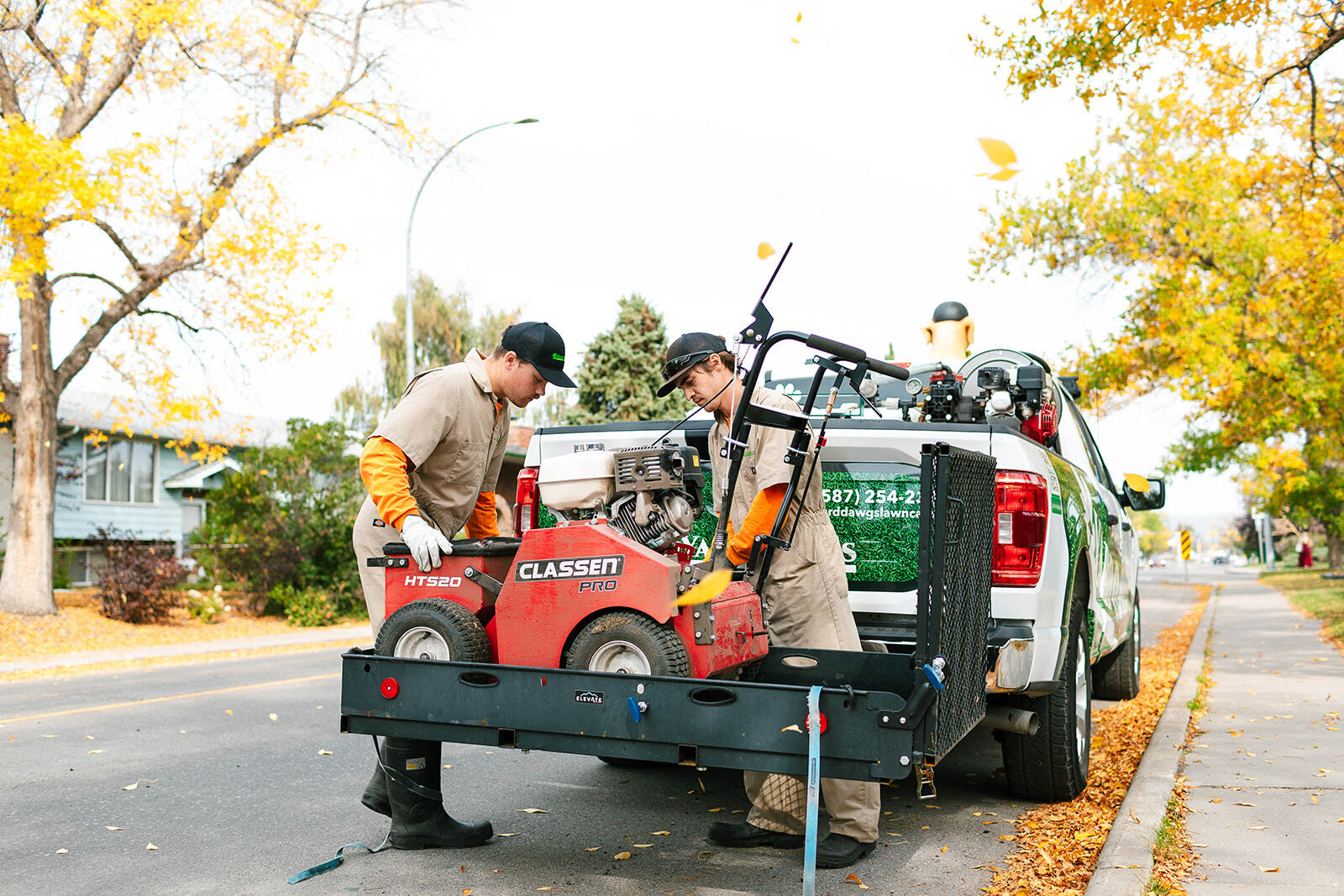
For hassle-free aeration services, consider reaching out to Yard Dawgs Lawn Care, where professionals ensure thorough and effective lawn aeration.
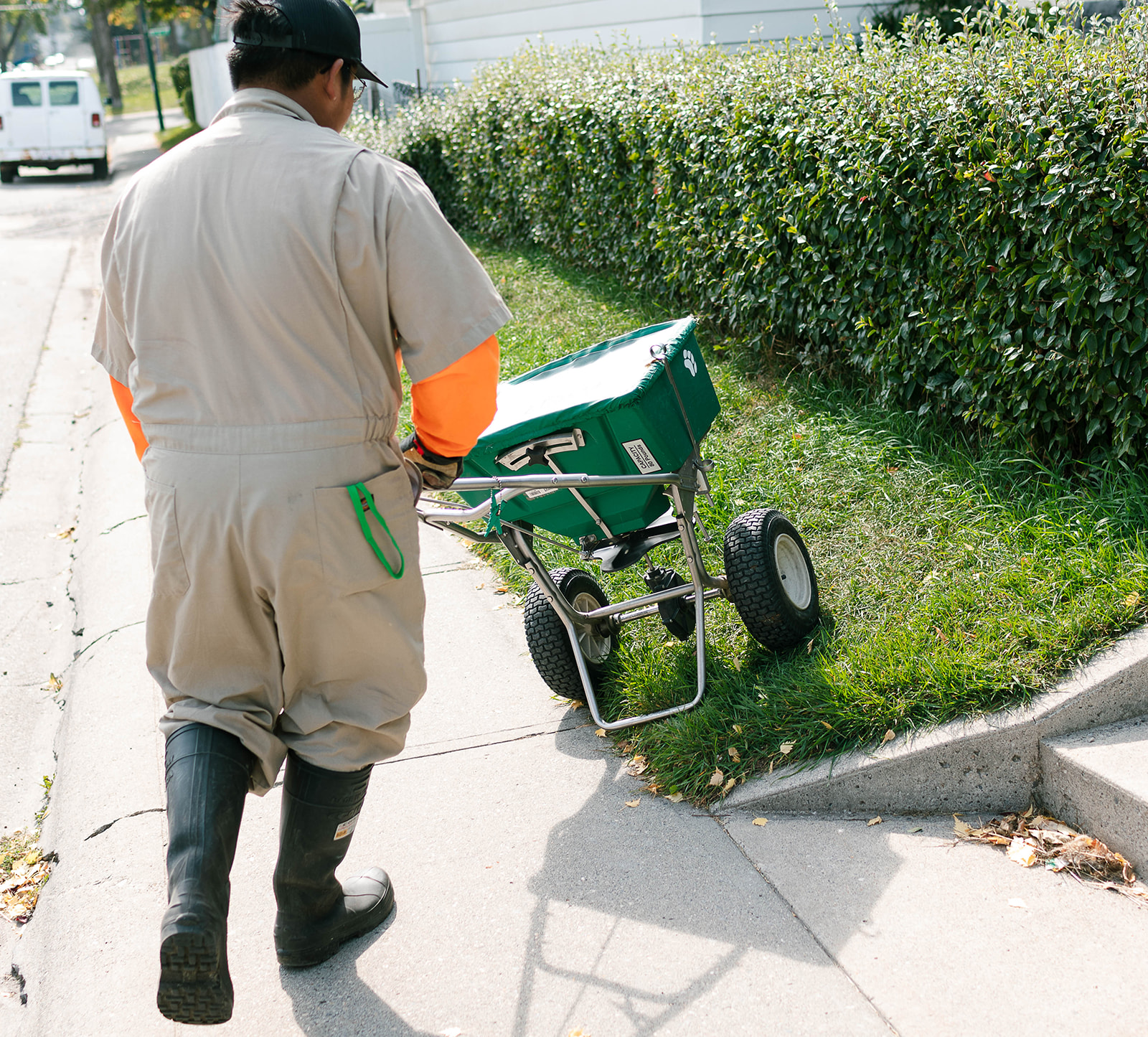
Fertilize the Lawn
After dethatching, your lawn needs nutrients to recover and thrive. Fertilizing is an essential step that helps replenish the soil and encourages strong grass growth.
- Choose a balanced fertilizer appropriate for your grass type to nourish it after dethatching.
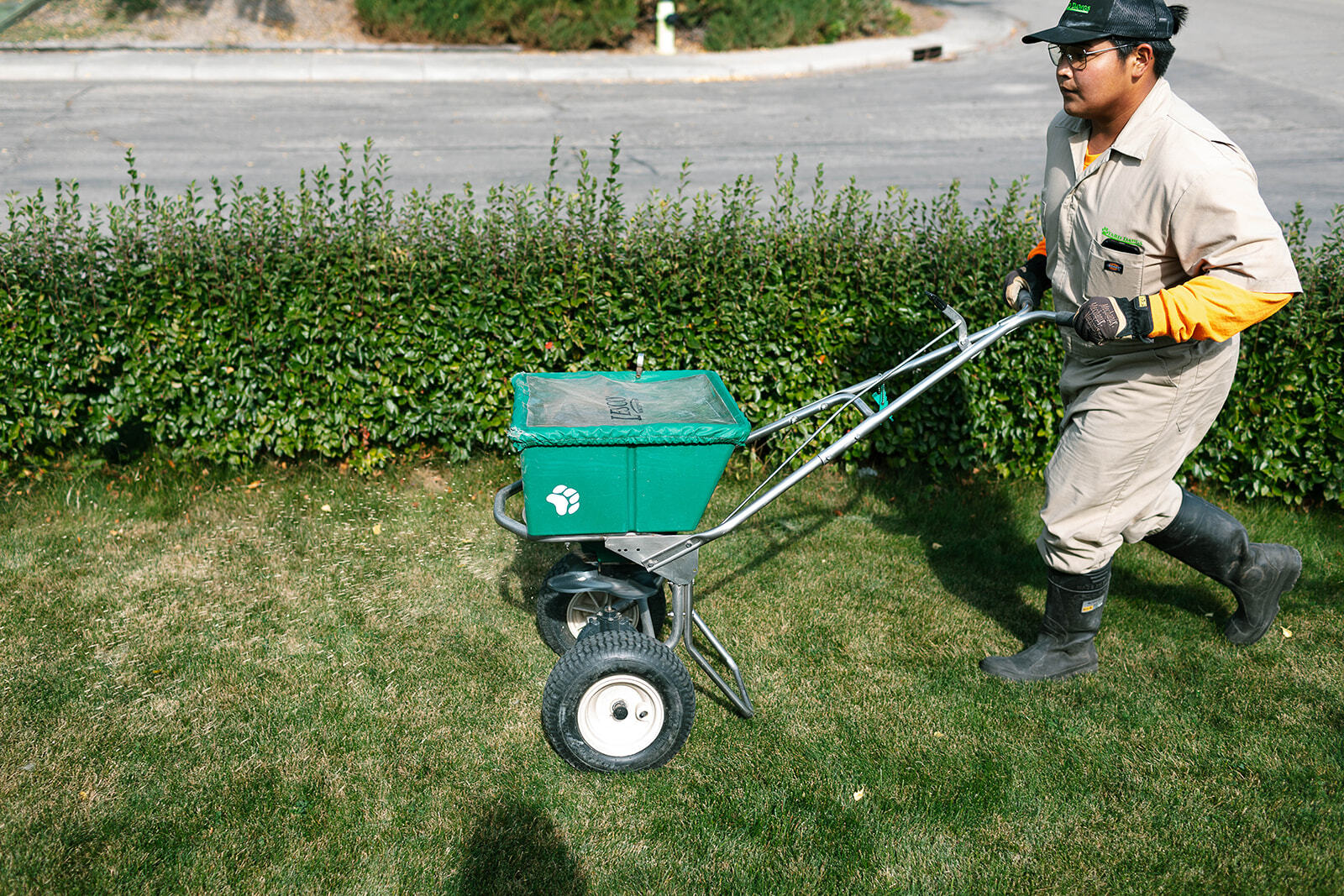
- Apply the fertilizer evenly across the lawn to promote healthy growth and aid recovery.
- Avoid over-fertilizing, as this can contribute to future thatch buildup.
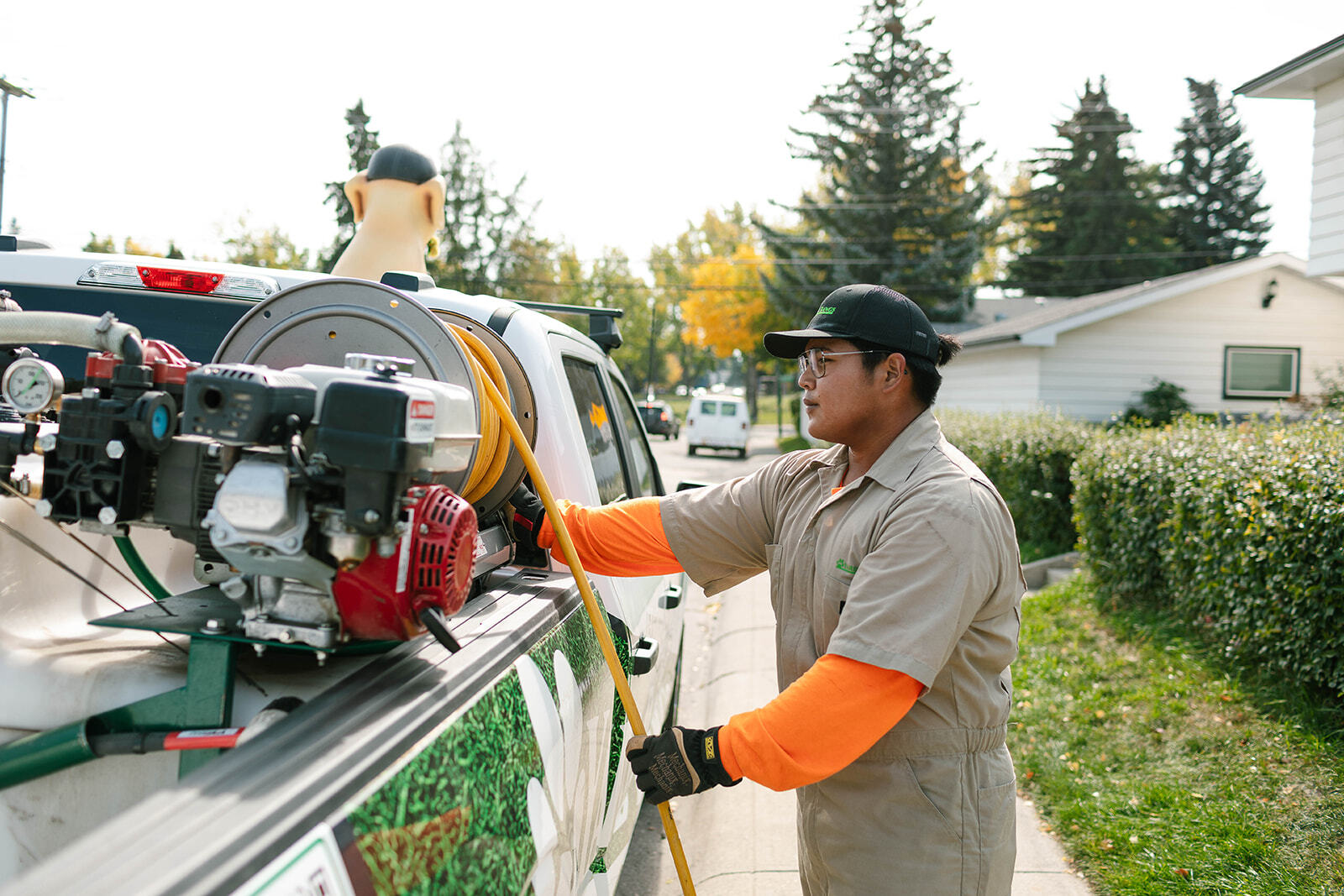
If you’re unsure about the best fertilizer or application techniques, the experts at Yard Dawgs Lawn Care can help you with effective soil fertilization.
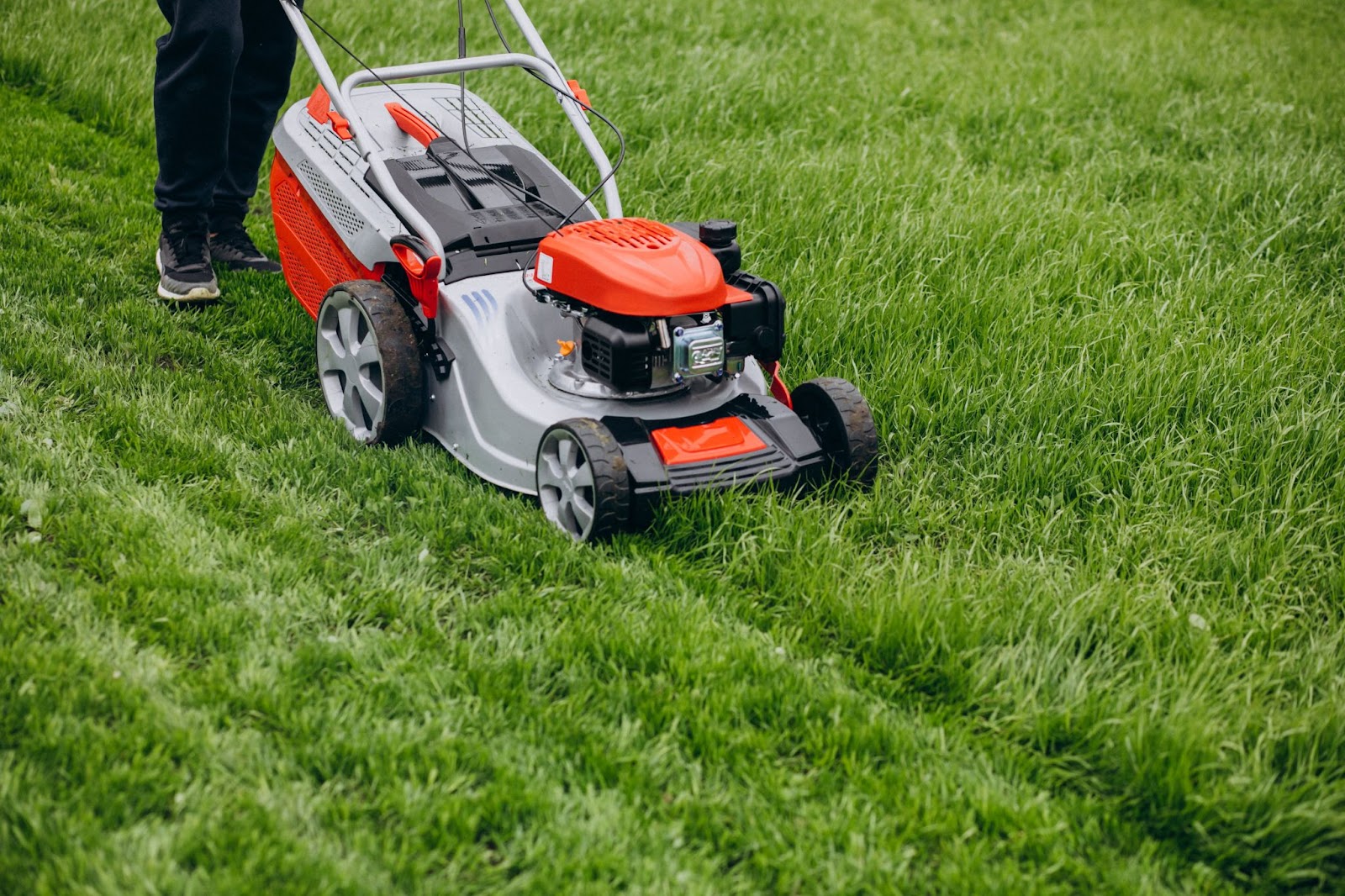
Regularly Mow the Lawn
Maintaining a consistent mowing routine prevents thatch from accumulating over time. Proper mowing also keeps your lawn neat and healthy, reducing stress on the grass.
- Set your mower to the correct height to avoid cutting grass too short or too long.
- Use a mulching mower to finely chop grass clippings, as they decompose faster.
- Maintain a consistent mowing schedule to prevent thatch from forming over time.
If you’re looking for professional mowing services or seasonal care, Yard Dawgs Lawn Care offers tailored solutions to keep your lawn looking its best.
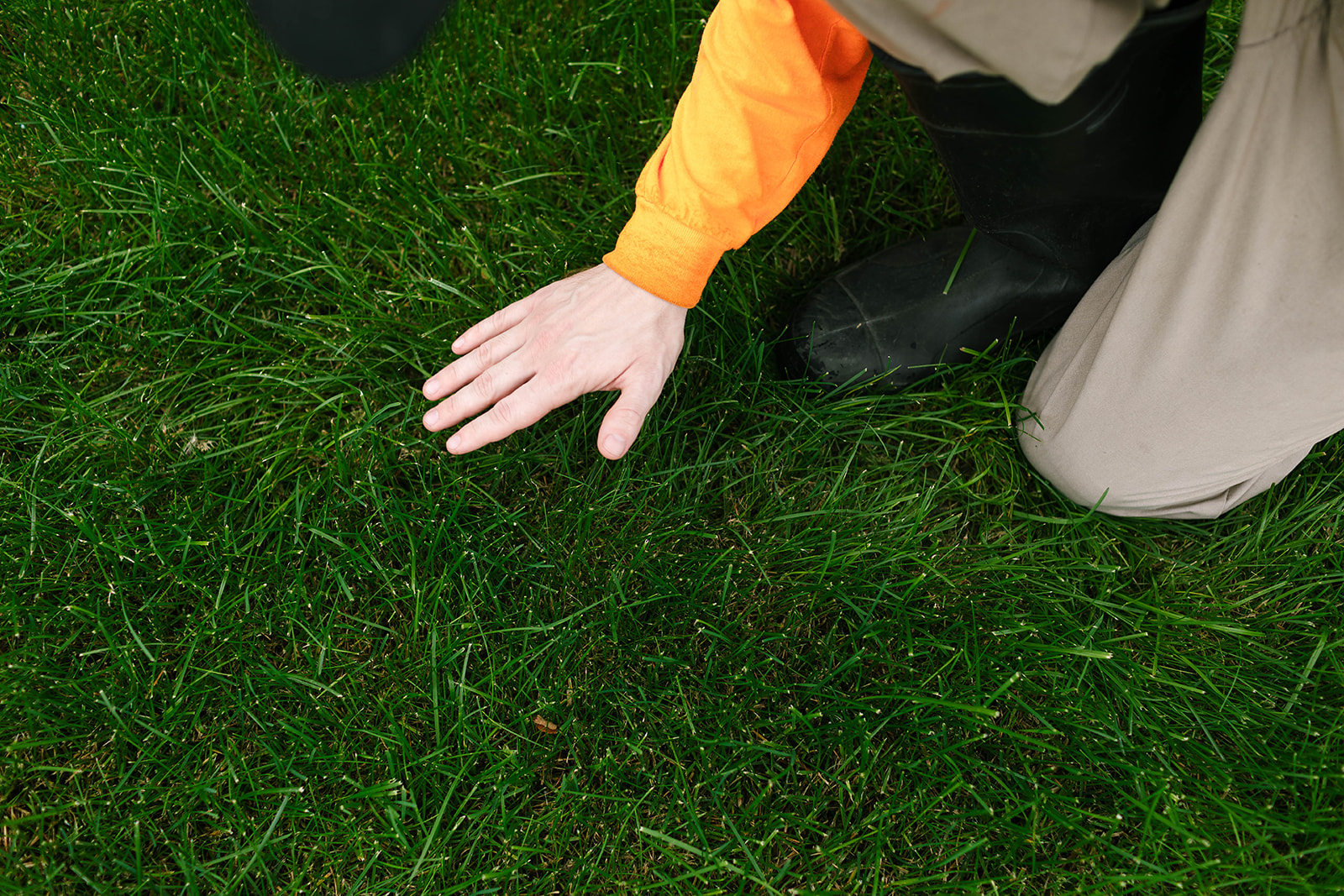
When to Dethatch Lawn in Canada
The best time to dethatch a lawn in Canada depends on your grass type and climate. For cool-season grasses, such as Kentucky bluegrass or fescue, early spring or early fall is ideal when the lawn is actively growing but not under heat stress. For warm-season grasses in southern regions, late spring to early summer works best. Avoid dethatching during droughts or extreme heat, as it can stress the grass and slow recovery.
Keeping Your Lawn Healthy
Thatch buildup can affect the overall health of your lawn, making it difficult for water, nutrients, and air to reach the roots. By understanding the signs of thatch accumulation and taking proactive steps like aeration, proper fertilization, and regular mowing, you can maintain a lush and healthy lawn. Consistent lawn care practices will ensure your grass stays strong, resilient, and vibrant throughout the seasons.
FAQ: Dethatching Your Lawn
Should you dethatch a lawn in the fall?
Yes, early fall is often one of the best times to dethatch, especially for cool-season grasses. The grass is still actively growing, allowing it to recover before winter sets in.
Is dethatching your lawn worth it?
Absolutely. Dethatching helps improve soil health, encourages stronger root growth, and enhances the overall appearance of your lawn. It’s one of the most effective ways to revive a struggling lawn that needs dethatching.
Can dethatching damage my lawn?
If done too early or too aggressively, dethatching can temporarily stress or damage grass. However, when done at the right time and with proper care, it promotes long-term health.
What are common dethatching mistakes?
Common mistakes include dethatching during dormancy, using the wrong tools, or failing to follow up with watering and fertilizing. These can slow recovery and reduce results.
Will grass grow back after dethatching?
Yes, grass will grow back after dethatching. In fact, the process helps new shoots emerge by improving soil access to oxygen, water, and nutrients, leading to thicker, healthier turf.
When to dethatch lawn?
A lawn should be dethatched when the thatch layer becomes thicker than about half an inch and begins to restrict water and nutrient flow to the soil. The ideal time depends on the grass type. Cool-season grasses benefit most from dethatching in early spring or early fall, while warm-season grasses respond best in late spring.