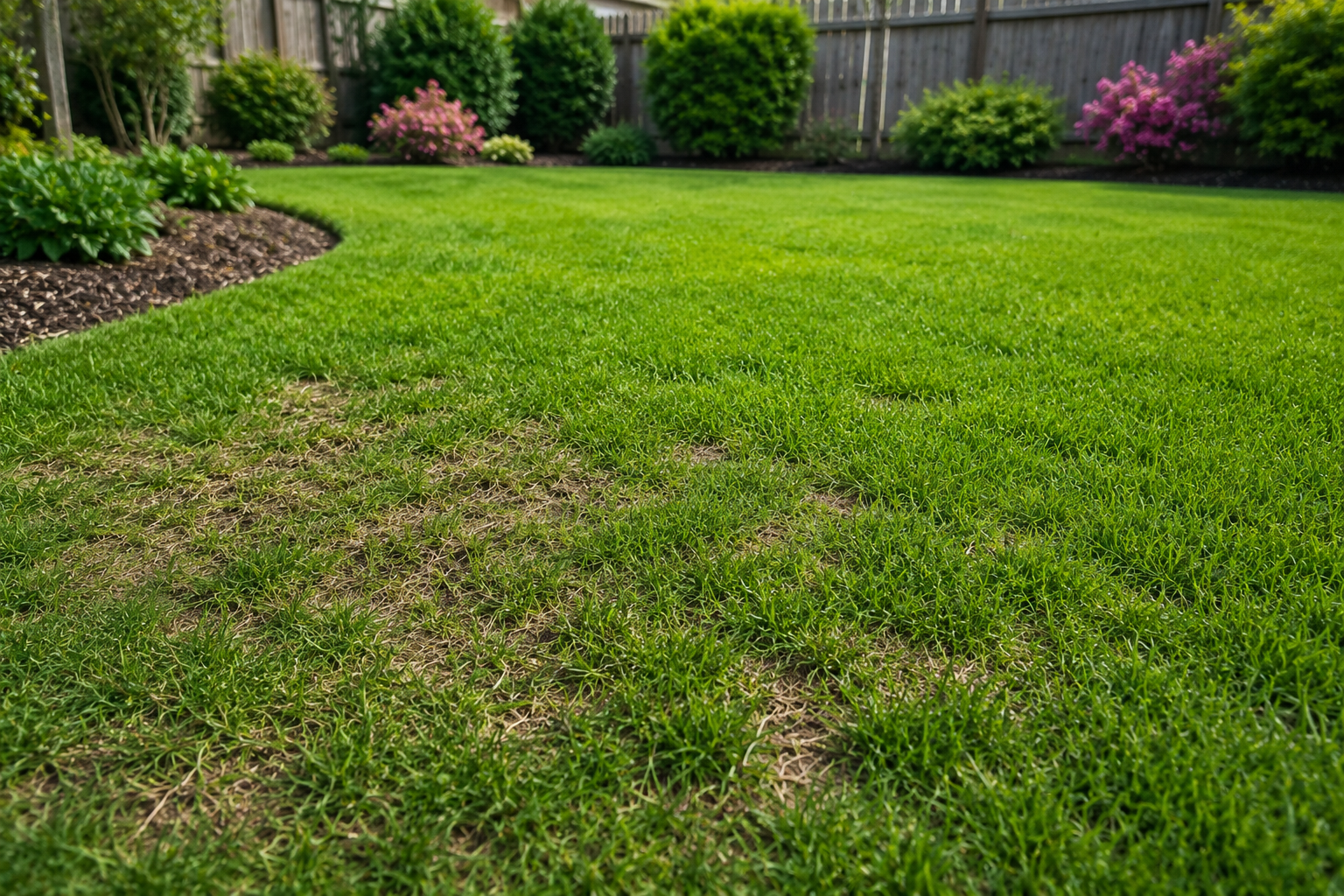







A cared-looking lawn is the result of healthy soil, proper nutrients, and a seeding method that sets the grass up for long-term success. One key question arises here: hydroseeding vs. seeding, which is better for your lawn?
While both methods aim to establish thick, healthy turf, they work in very different ways. Understanding how each one functions and what your property needs can help you make the best investment for lasting curb appeal.

Limited spots available!
Transform your lawn today

Limited spots available!
Transform your lawn today
What Is Hydroseeding?
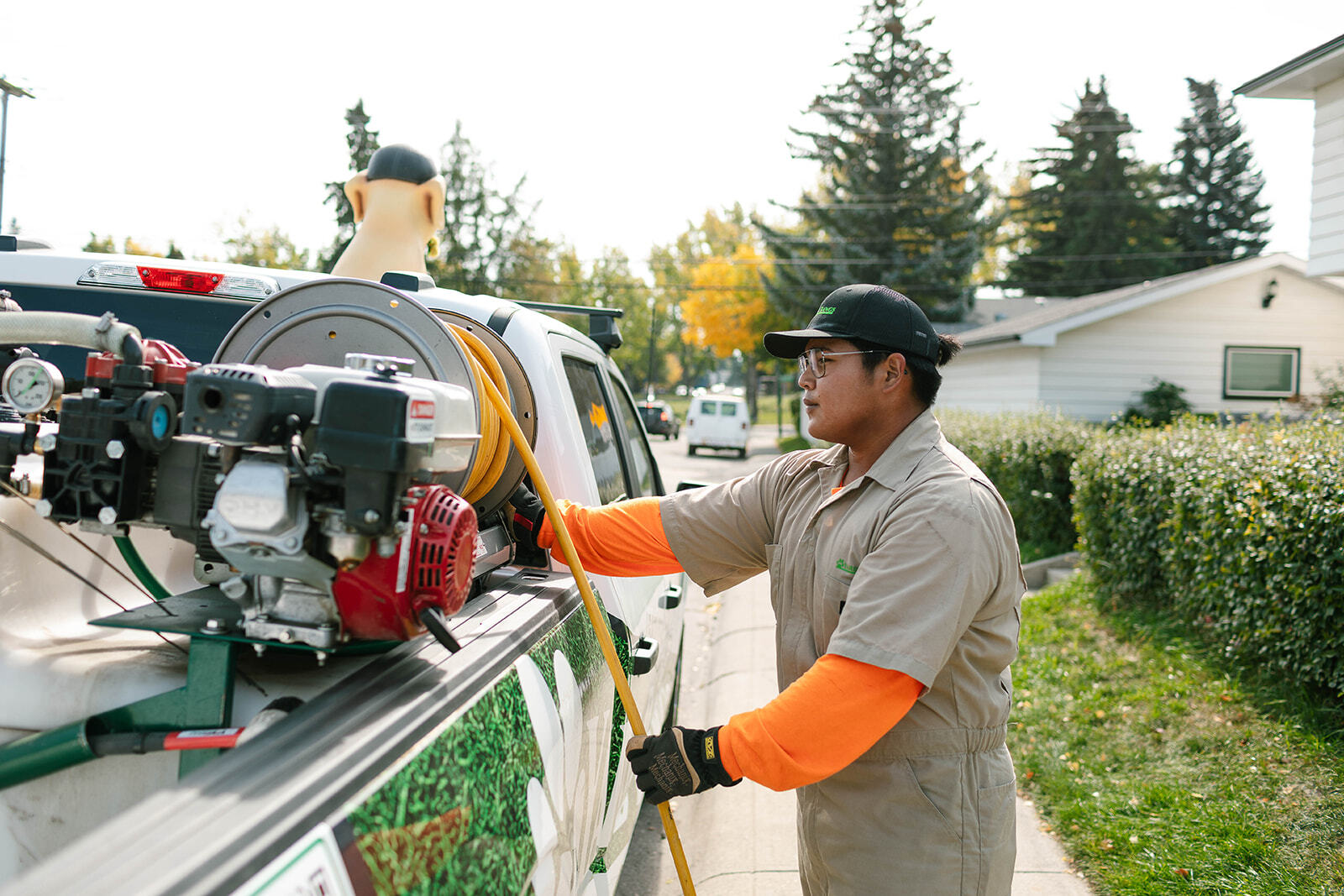
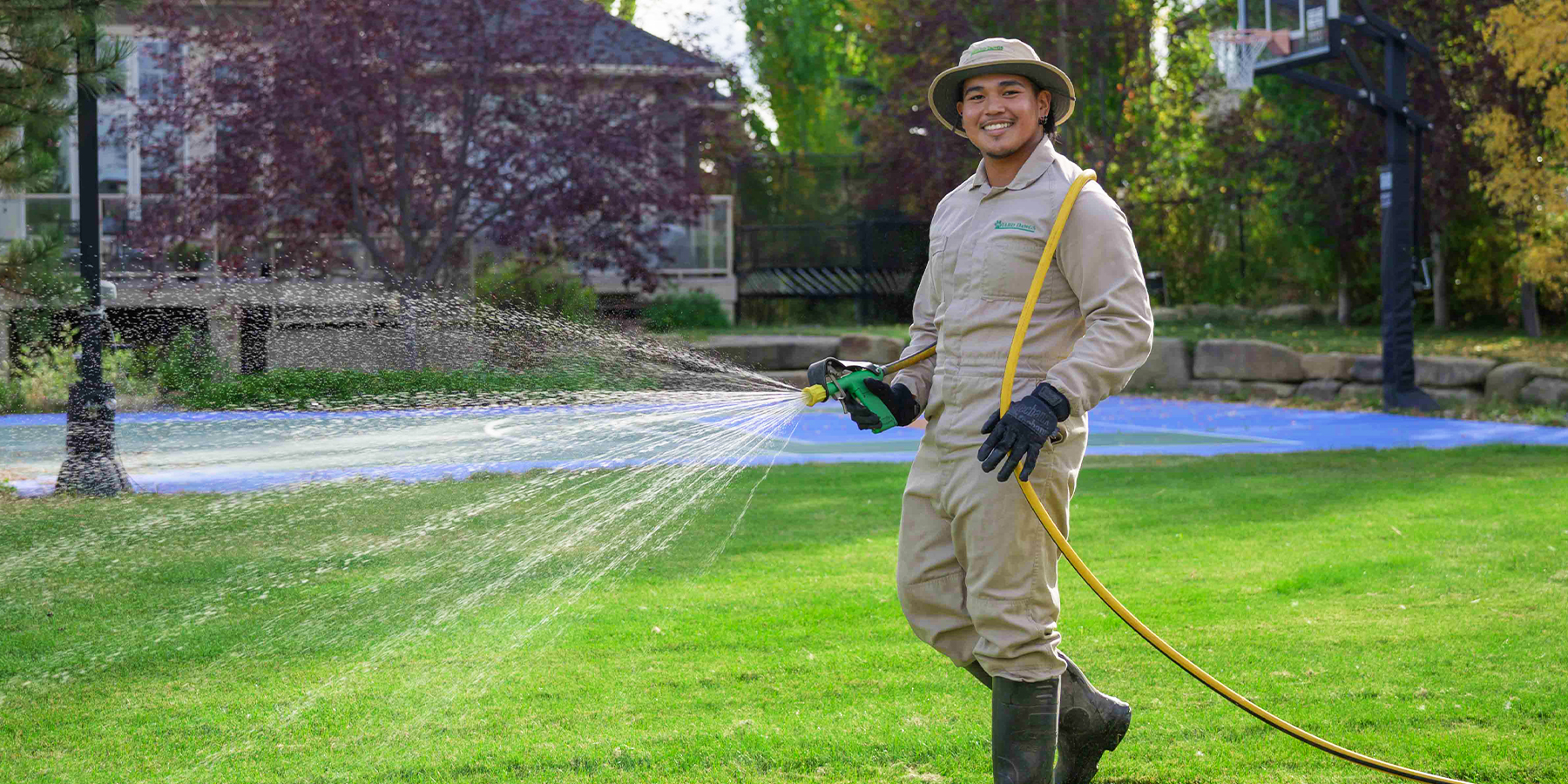
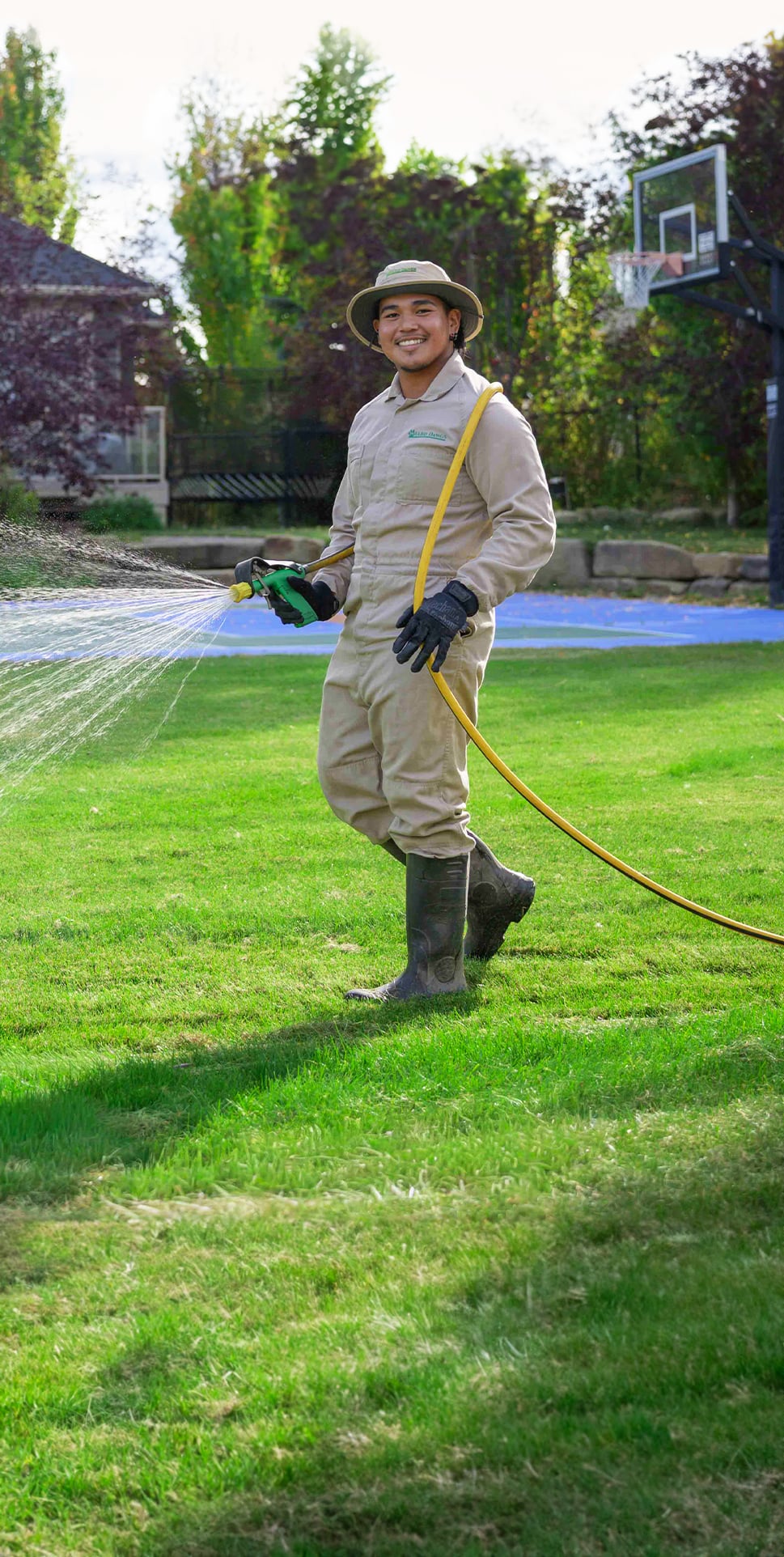
Hydroseeding is a modern, efficient approach to establishing grass. Instead of spreading dry seed, a slurry of grass seed, mulch, fertilizer, and tackifiers (binding agents) is mixed together with water and sprayed evenly across prepared soil. The result? A uniform layer that keeps seeds in constant contact with moisture and nutrients, the perfect environment for quick, consistent germination.
Hydroseeding has become popular in Western Canada because it can handle our unpredictable climate. The mulch layer helps retain moisture during dry spells while protecting delicate seedlings from wind, erosion, and birds. Within a few weeks, grass begins to grow thick and even, ready to be mowed sooner than you might expect.
For homeowners looking for a strong start without the high cost of sod, hydroseeding strikes a balance between affordability, speed, and long-term performance.
Advantages and Disadvantages of Hydroseeding
Hydroseeding has real strengths, but it isn't the automatic right choice for every property. Weighing both sides helps set realistic expectations before you commit.
Advantages:
- Faster germination: the slurry keeps seeds constantly moist, so grass typically sprouts within 5–10 days compared to 10–21 days for hand seeding.
- Lower cost than sod: hydroseeding delivers a full, even lawn at a fraction of sod's price, with less labor involved in installation.
- Erosion protection: the mulch and tackifier layer holds seed in place on slopes and loose soil, reducing washout during rain.
- Even coverage: the spray-on application reaches large or irregular areas more uniformly than hand spreading.
Disadvantages:
- Watering requirements: newly hydroseeded lawns need frequent, consistent moisture for the first 2–3 weeks, which isn't practical for every schedule.
- Weather limitations: heavy rain right after application can wash away the slurry before it sets, and extreme heat can dry it out faster than it can be watered back.
- Equipment and application cost: hydroseeding requires specialized equipment, making DIY less accessible than simply spreading seed by hand.
- Not ideal for very small or oddly shaped areas: patch repairs or tiny sections often don't justify the setup cost or equipment needed for hydroseeding.
In short, hydroseeding tends to outperform traditional seeding on larger properties and erosion-prone slopes, while small repair jobs or tightly budgeted projects may still be better served by hand seeding.
What Is Traditional Seeding?
Traditional seeding, or hand seeding, is the classic method of spreading grass seed directly over prepared soil. It’s affordable and flexible, allowing homeowners to choose the perfect seed blend for their property and local climate. When done correctly, seeding can produce a durable, healthy lawn over time.
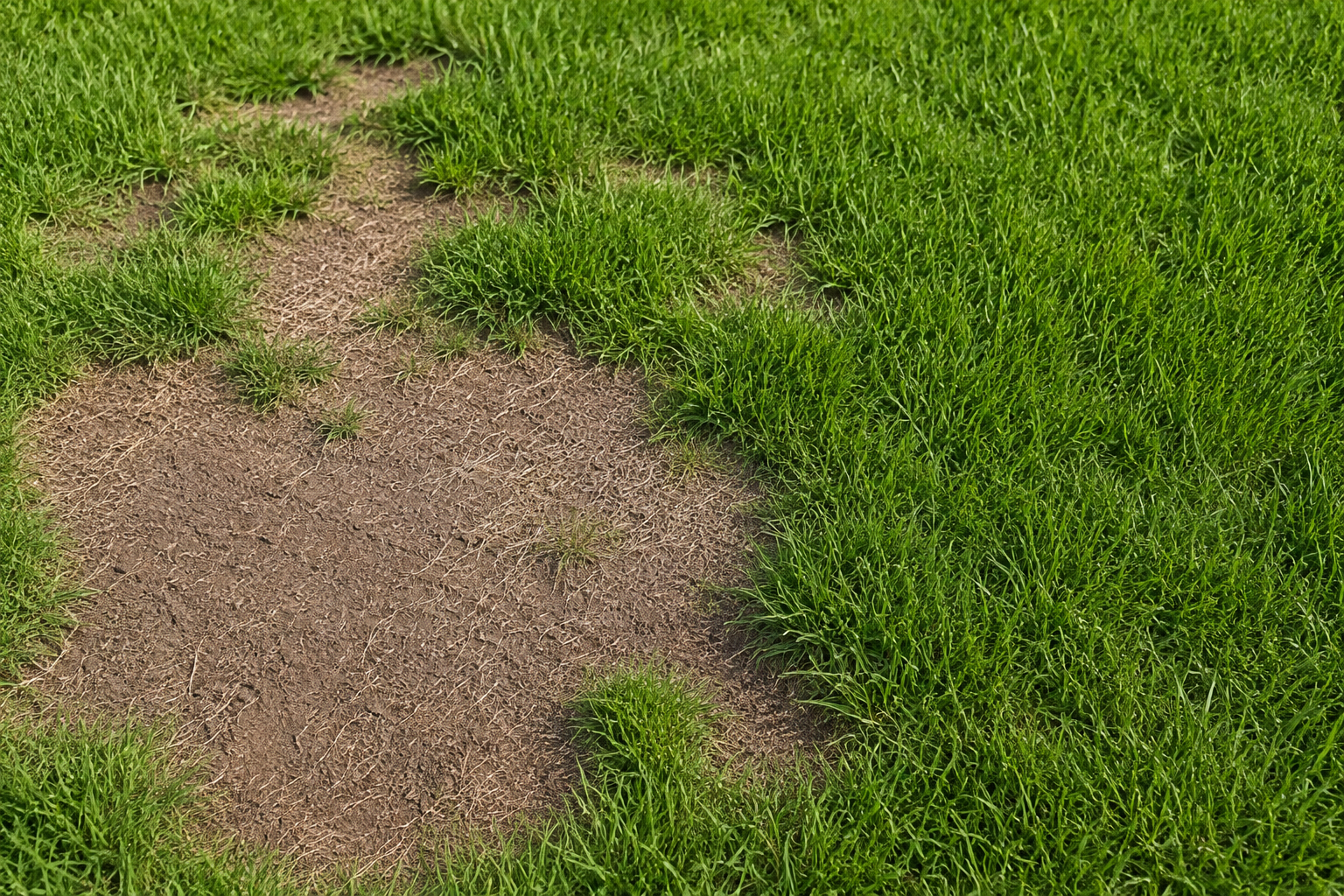
However, traditional seeding requires patience and precision. Seeds need consistent watering, protection from wind and runoff, and careful soil preparation. Without proper coverage, the seed can wash away or germinate unevenly, leading to patchy growth. That’s why even with regular watering, many homeowners find themselves reseeding certain spots multiple times before the lawn fully establishes.
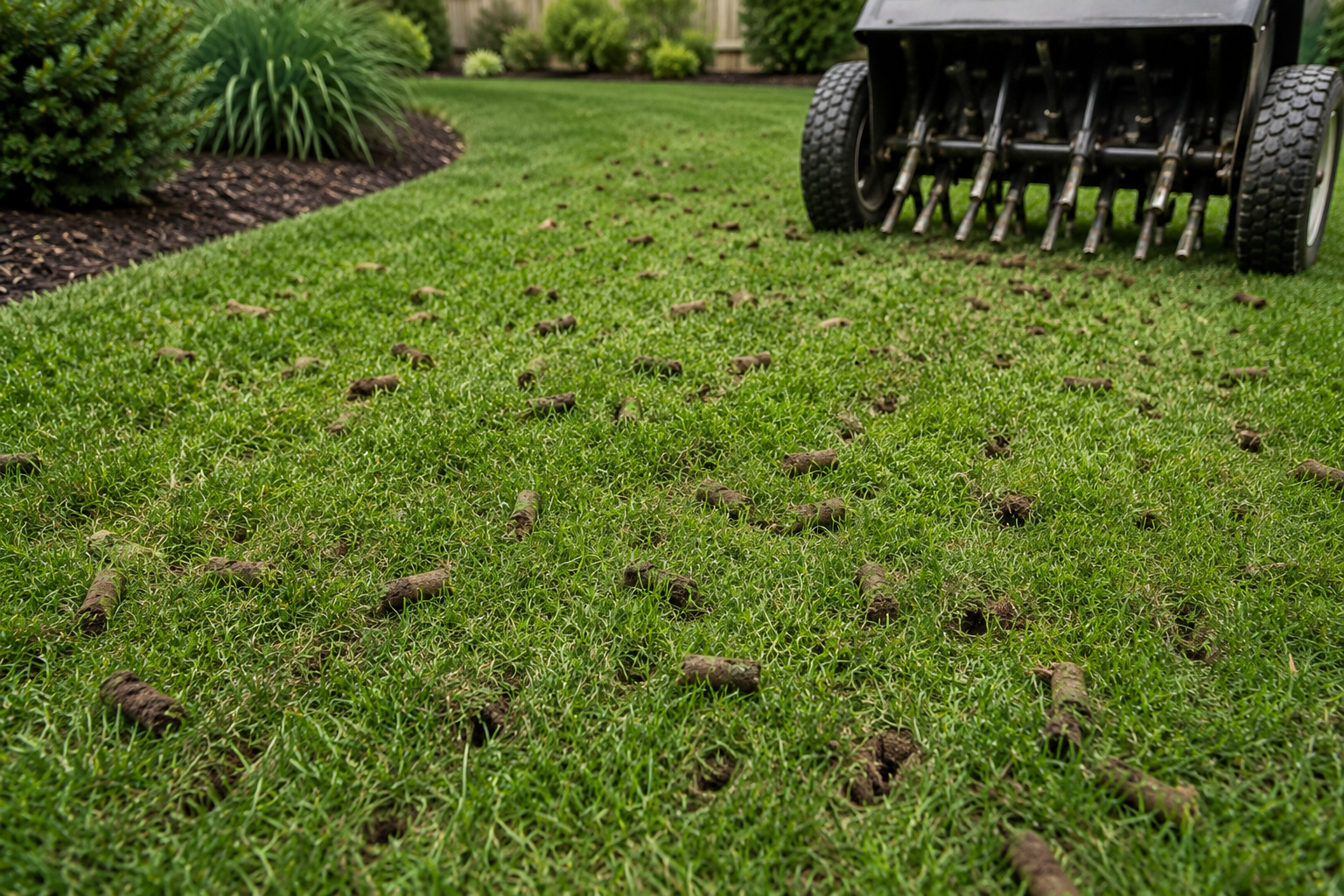
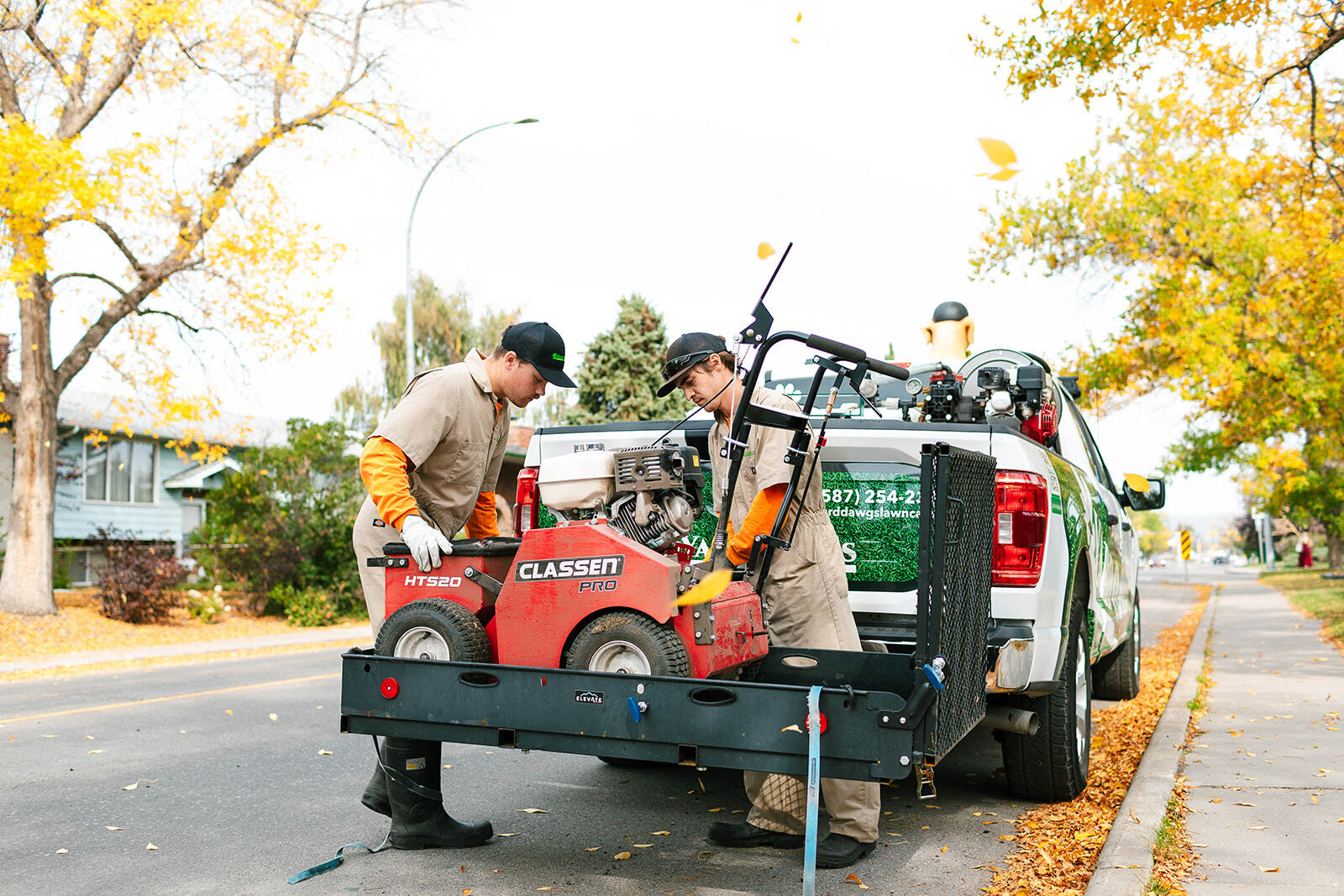
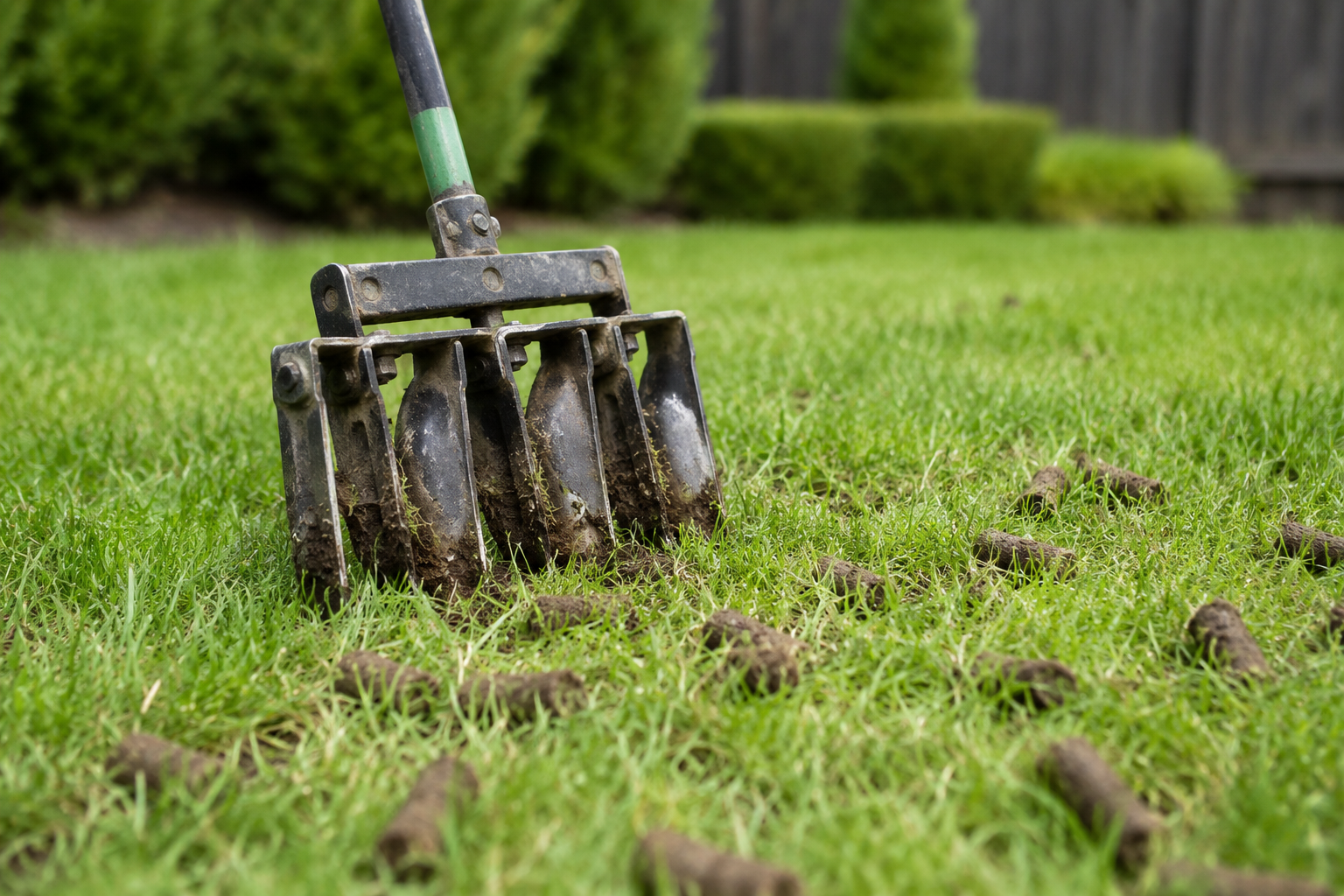
At Yard Dawgs, we often recommend following up traditional seeding with aeration plus or liquid aeration, both of which help the new grass take root more effectively by improving soil contact and nutrient flow.
Hydroseeding vs. Seeding: Key Differences
While both methods can deliver great results, they differ in how quickly they work, how much they cost, and how durable the grass becomes in the long run.
Here’s how they compare in key areas:
|
Factor |
Hydroseeding |
Traditional Seeding |
|
Cost |
Moderate – more affordable than sod but more than hand seeding |
Budget-friendly upfront |
|
Germination Time |
5–10 days with fast, even coverage |
10–21 days, often uneven |
|
Erosion Resistance |
High – mulch layer protects seeds |
Low – seeds can wash or blow away |
|
Moisture Retention |
Excellent – slurry keeps soil damp |
Limited – frequent watering needed |
|
Maintenance Level |
Moderate – consistent watering for 2–3 weeks |
High – daily watering and reseeding common |
|
Best For |
Large or sloped areas, professional installations |
Small lawns or DIY projects |
Both can work beautifully, it all depends on your goals, budget, and how much time you’re willing to dedicate to aftercare.
Hydroseeding vs. Traditional Seeding Costs
Cost is rarely just "hydroseeding costs more" or "seeding is cheaper", the final price for either method depends on several factors working together:
- Lawn size: larger areas benefit from hydroseeding's efficient coverage, which can lower the cost per square foot compared to hand seeding at scale.
- Seed type: premium grass blends cost more regardless of method, and the seed itself is often the same whether it's sprayed or spread by hand.
- Soil preparation: both methods need proper grading, tilling, and debris removal beforehand; poor prep adds cost either way.
- Labor: hydroseeding requires specialized equipment and trained operators, which typically raises upfront labor cost compared to hand seeding.
- Accessibility: hard-to-reach areas, slopes, or properties with limited equipment access can increase costs for either method, though hydroseeding equipment may need more room to maneuver.
- Long-term maintenance costs: hand seeding's higher failure rate often means repeat reseeding, extra water use, and more time invested, costs that can offset its lower upfront price over time.
When all these factors are added up, hydroseeding often costs more initially but less in follow-up work, while traditional seeding costs less upfront but can require more time, water, and reseeding to reach the same result.
When to Choose Hydroseeding
Hydroseeding offers many advantages, particularly in regions like Calgary, Edmonton, and Saskatoon, where the weather can change quickly. This method works especially well for:
- New construction or large areas where even seed coverage is essential.
- Lawns with slopes or uneven ground that are prone to erosion.
- Homeowners who want a fast, full lawn without the premium price of sod.
Because the slurry contains everything the seeds need, nutrients, moisture, and adhesion, hydroseeding grass tends to grow thicker and healthier from the start. The mulch layer also shades the seeds, keeping soil temperatures balanced even under the hot prairie sun.
At Yard Dawgs, we combine hydroseeding with premium fertilizer blends to give lawns a strong, nutrient-rich foundation. The result is faster establishment and long-lasting color throughout the growing season.
When Traditional Seeding Makes Sense
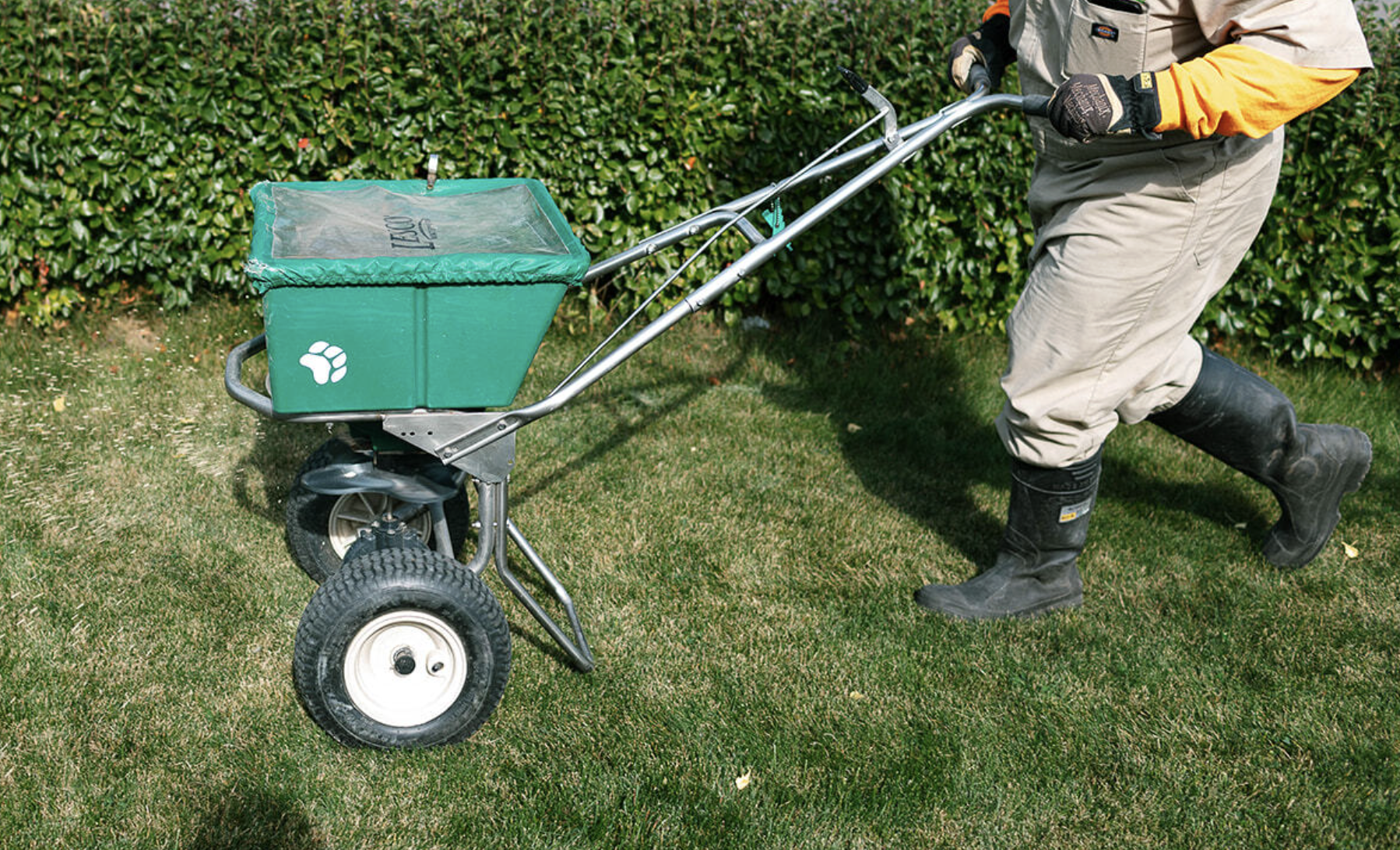
While hydroseeding is impressive, traditional seeding still holds value, especially for smaller spaces or specific repair projects. If you’re filling bare patches, overseeding a thin lawn, or simply prefer a hands-on approach, seeding your lawn can still deliver great results with proper technique.
The key is soil preparation and consistent aftercare. A properly seeded lawn should include:
- Mechanical aeration before seeding to relieve soil compaction.
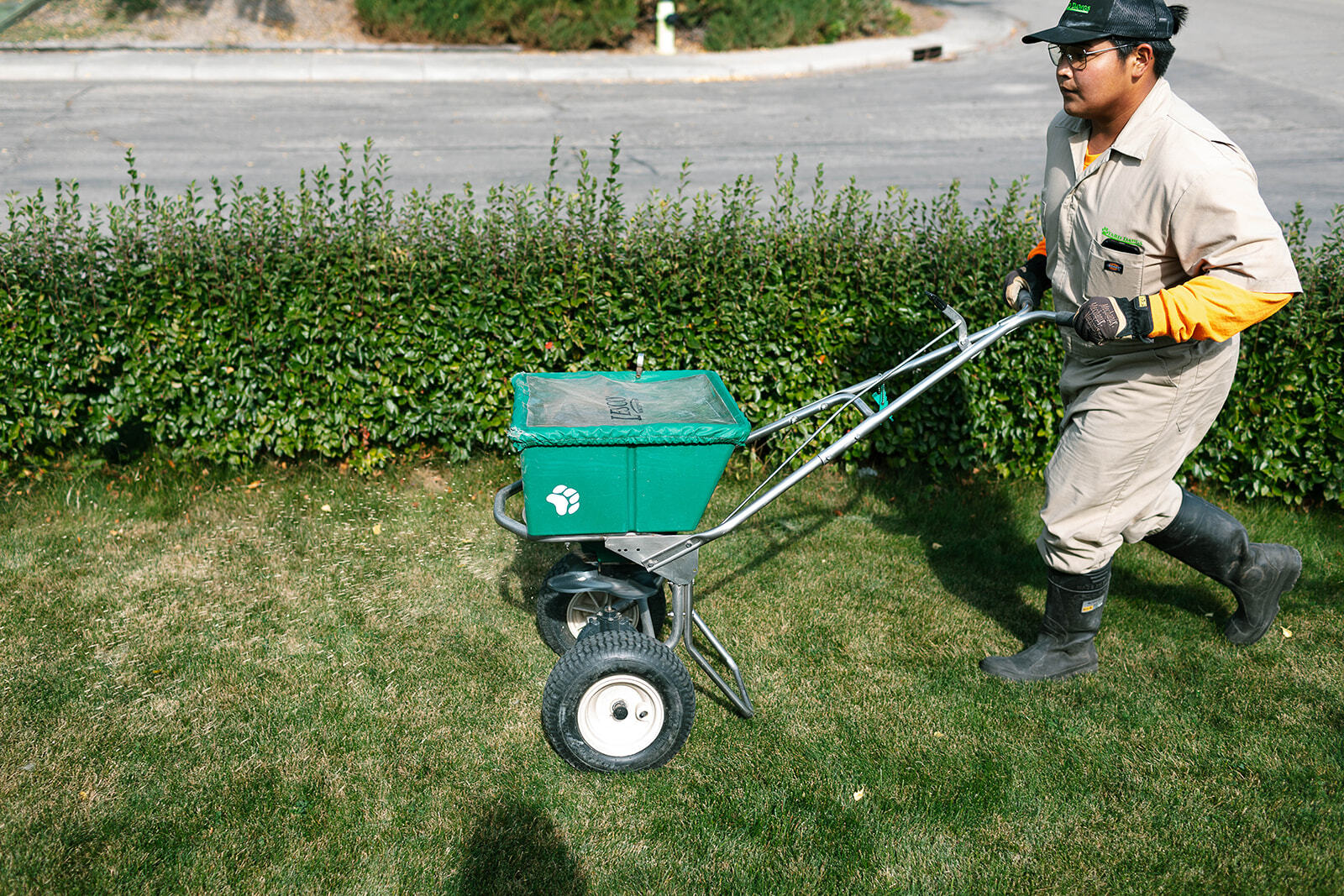
- Fertilizer or Super Juice applications to stimulate germination.
- Sea kelp treatments for stronger root development and drought resistance.
Once the seed is down, keeping the soil evenly moist is essential. Water lightly every day until the new grass is about three inches tall, then transition to deeper, less frequent watering to strengthen root growth.
With the right professional guidance, seeding remains a cost-effective way to build or refresh a lawn that fits your exact soil conditions.
How to Care for Your Lawn After Hydroseeding or Seeding
Aftercare is where most of the success (or failure) of either method actually happens. The steps below apply broadly, with a few differences noted between hydroseeded and traditionally seeded lawns.
- Watering schedule: keep the soil consistently damp, watering lightly 2–4 times a day for the first 2–3 weeks. Hydroseeded lawns hold moisture slightly longer thanks to the mulch layer, but neither method should be allowed to dry out during establishment.
- Mowing: wait until grass reaches about 3 inches before the first mow, and only remove the top third of the blade. Mowing too early can uproot young, shallow grass.
- Fertilization timing: apply a starter fertilizer at planting, then follow up around 4–6 weeks later once the lawn is established, rather than fertilizing heavily right away.
- Limiting foot traffic: keep people, pets, and equipment off the area for at least 3–4 weeks, or until the grass is well-rooted and has been mowed a few times.
- Weed prevention: avoid broadleaf herbicides until the lawn has been mowed several times, since young grass roots can be sensitive to chemical weed control; hand-pull any early weeds instead.
- When it's ready for regular use: most lawns can handle light regular use after 4–6 weeks, once the grass is dense, rooted, and has survived a few mowing cycles.
Can You Hydroseed Your Lawn Yourself?
DIY hydroseeding is technically possible, but it comes with real practical hurdles worth understanding before renting equipment.
What DIY hydroseeding involves:
- Renting a hydroseeding machine from an equipment rental company, along with the seed, mulch, fertilizer, and tackifier slurry mix.
- Preparing the soil beforehand, tilling, grading, and removing debris, since the machine won't fix poor ground conditions.
- Mixing and applying the slurry evenly across the yard, then following a strict watering schedule for the following weeks.
Common challenges:
- Rental machines vary in quality and are often heavier and harder to maneuver than expected, especially on uneven ground.
- Getting the slurry mixture and application rate right takes some trial and error, uneven application leads to patchy results.
- Without professional-grade equipment, coverage on large or sloped areas is harder to get consistent.
When professionals make more sense: for larger properties, sloped yards, or anyone who wants a predictable, even result without the learning curve, hiring a professional crew with commercial equipment typically produces a more reliable lawn than a rented DIY setup.
Boosting Results with Professional Lawn Care
Regardless of which method you choose, hydroseeding or traditional seeding, success depends on what happens afterward. At Yard Dawgs Lawn Care, we focus on sustaining your lawn’s health long after the first sprouts appear.
Our personalized lawn care programs include ongoing weed control, nutrient management, and aeration treatments that ensure new grass grows strong, resilient, and weed-free. And because we assign the same team to your property each visit, your lawn receives consistent, dedicated attention all season long.
If weeds appear between visits, our weed-free guarantee ensures a free re-spray, no hassle, no extra cost. It’s our commitment to making sure your lawn stays green, healthy, and flawless from one season to the next.
The Bottom Line: Hydroseeding vs. Seeding
So, which method is right for you, hydroseeding or traditional seeding?
- If you want quick, even growth with professional results and lower maintenance, hydroseeding is the clear winner.
- If you’re on a tighter budget or enjoy a more hands-on approach to lawn care, traditional seeding is still a solid choice, especially when paired with expert fertilization and aeration.
Either way, your lawn deserves more than a one-time treatment. It needs ongoing care, seasonal nutrients, and a team that understands local conditions.
Frequently Asked Questions About Hydroseeding
Does hydroseeding work?
Yes. The slurry keeps seeds consistently moist and protected, which typically results in faster, more even germination than dry seed spread by hand.
Is hydroseeding better than seeding?
It depends on the project. Hydroseeding generally performs better on large or sloped areas thanks to faster germination and erosion protection, while traditional seeding can be a practical, lower-cost choice for small patches or repairs.
What are the disadvantages of hydroseeding?
It requires frequent watering for the first few weeks, can be disrupted by heavy rain or extreme heat right after application, and typically isn't cost-effective for very small or oddly shaped areas.
How much does hydroseeding cost compared to sod?
Hydroseeding is generally more affordable than sod, since it avoids the material and labor costs of pre-grown turf, though exact pricing depends on lawn size, accessibility, and soil preparation needed.
How long does hydroseeding take to grow?
Most hydroseeded lawns germinate within 5–10 days, with grass typically ready for its first mow around 3–4 weeks after application.
Can you walk on a hydroseeded lawn?
Foot traffic should be avoided for the first 3–4 weeks while the grass establishes roots. Light regular use is usually fine after that point, once the lawn has been mowed a few times.
Is hydroseeding worth it for homeowners?
For larger properties, sloped yards, or anyone wanting even coverage without the cost of sod, hydroseeding is often worth the investment. Smaller repair jobs may not need the added cost.
Ready to Grow a Lawn You Love?
If you’re establishing new turf or rejuvenating an existing lawn, choosing between hydroseeding vs. seeding is just the beginning. The right care makes all the difference, and that’s exactly what we deliver.
Our experts at Yard Dawgs will evaluate your soil, recommend the best approach, and build a treatment plan to ensure lasting results. From liquid aeration and weed control to custom fertilizer applications, every service we offer is designed to help your lawn thrive.
Let’s make your grass the greenest on the block, guaranteed. Contact Yard Dawgs today to learn how we can help you choose, seed, and care for your lawn the right way.