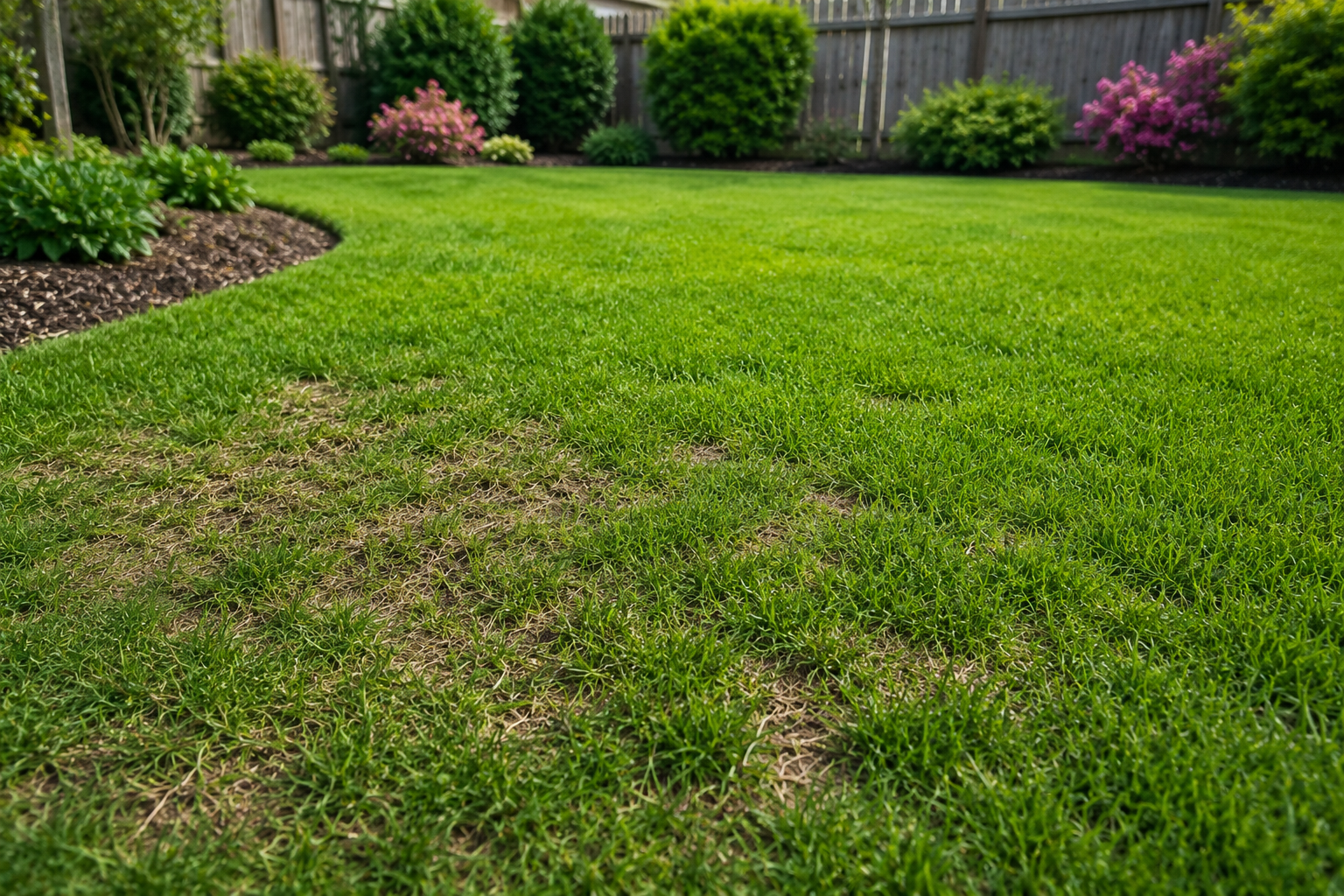







A healthy, vibrant lawn in Alberta and Saskatchewan isn’t just about watering and mowing, it’s about understanding your grass and soil. One often-overlooked step is dethatching. Thatch is the layer of dead grass, roots, and organic matter that accumulates between the soil and living grass blades. While a thin layer protects soil moisture and temperature, thick thatch can suffocate your lawn, block water and nutrients, and create a breeding ground for pests like chinch bugs.
Knowing the best time to dethatch lawn ensures your grass recovers quickly, grows strong roots, and stays lush through seasonal challenges. In these regions, dethatching works best when paired with a full suite of services like fertilizer, super juice, and sea kelp, which help your lawn bounce back and thrive.

Limited spots available!
Transform your lawn today

Limited spots available!
Transform your lawn today
Understanding Thatch and Its Impact on Lawn Health
Many homeowners underestimate the impact thatch can have on their lawn’s overall health. While a thin layer of thatch, about half an inch or less, can be beneficial by protecting soil from temperature extremes and retaining moisture, anything thicker can become a problem. In Alberta and Saskatchewan, where soil types and seasonal conditions create unique challenges, excess thatch can be particularly damaging. It acts like a barrier, preventing water, fertilizer, and air from reaching the roots, which are essential for strong, resilient grass.
What Causes Thatch Buildup?
Many homeowners assume thatch is simply a buildup of grass clippings, but that’s only part of the story. Thatch develops when organic material accumulates faster than it can break down naturally. Several lawn conditions can accelerate this process, including:
- Overwatering, which encourages excessive top growth
- Shallow watering that promotes weak, surface-level roots
- Compacted soil that limits microbial activity responsible for decomposition
- Poor drainage that keeps organic matter from breaking down efficiently
- Excessive fertilizer use, particularly high-nitrogen applications that stimulate rapid growth
- Heavy-producing turf varieties such as Kentucky Bluegrass
When multiple factors are present, thatch can accumulate surprisingly quickly, creating a barrier between the soil and the root zone.
How Much Thatch Is Too Much?
A small amount of thatch is beneficial and helps protect the soil from temperature extremes while reducing moisture loss. However, once the layer exceeds approximately ½ inch (1.25 cm), it can begin restricting the movement of water, oxygen, and nutrients.
Homeowners can check thatch depth by cutting a small wedge from the lawn and measuring the brown layer between the soil and the green grass. If the layer approaches or exceeds 1 inch, dethatching is often recommended to restore healthy growing conditions.
Thatch also creates a favorable environment for pests. For example, chinch bugs often thrive in dense thatch, feeding on grass and weakening your lawn from below the surface. By removing this barrier through dethatching, your lawn becomes less hospitable to pests and better able to absorb the nutrients it needs. A well-maintained lawn with minimal thatch also responds more effectively to other treatments like mechanical aeration, and applications of super juice or sea kelp.
Why Dethatching is Essential for Alberta Lawns
Alberta soils, particularly those rich in clay, compact quickly. Compacted soil combined with thick thatch prevents water, air, and nutrients from reaching the roots, leading to weak, patchy growth. Dethatching lifts this barrier, improving soil health and preparing the lawn for essential treatments.
How Alberta's Clay Soils Contribute to Thatch Problems
Many Alberta properties contain clay-heavy soil, which naturally compacts more easily than sandy soils. When soil compacts, oxygen movement slows and beneficial microorganisms become less effective at breaking down organic material. As a result, thatch accumulates faster and remains in place longer.
Clay soils can also contribute to drainage challenges. Water often remains closer to the surface rather than moving freely through the soil profile, encouraging shallow root systems and creating conditions that promote further thatch buildup.
By removing excessive thatch, you allow your lawn to:
- Strengthen roots for better drought and heat tolerance
- Absorb nutrients and water more efficiently
- Reduce pest and disease problems
- Improve the effectiveness of mechanical aeration and other lawn care treatments
Dethatching complements aeration rather than replacing it. While aeration loosens soil and encourages root growth, dethatching removes the organic barrier that can impede recovery.
When to Dethatch Lawn in Alberta & Saskatchewan
Timing is critical. Dethatching during periods of active grass growth gives your lawn the best chance to recover. For the cool-season grasses common in these provinces, spring and early fall are optimal.
The condition of the soil is just as important as the calendar date. Soil should be moist enough for equipment to work effectively but not saturated. Dethatching wet soil can damage healthy turf and increase stress on recovering grass.
Homeowners should also avoid dethatching during periods of summer heat. Grass is already under environmental stress during hot, dry conditions, and aggressive dethatching can slow recovery or create additional thinning.
Spring Dethatching
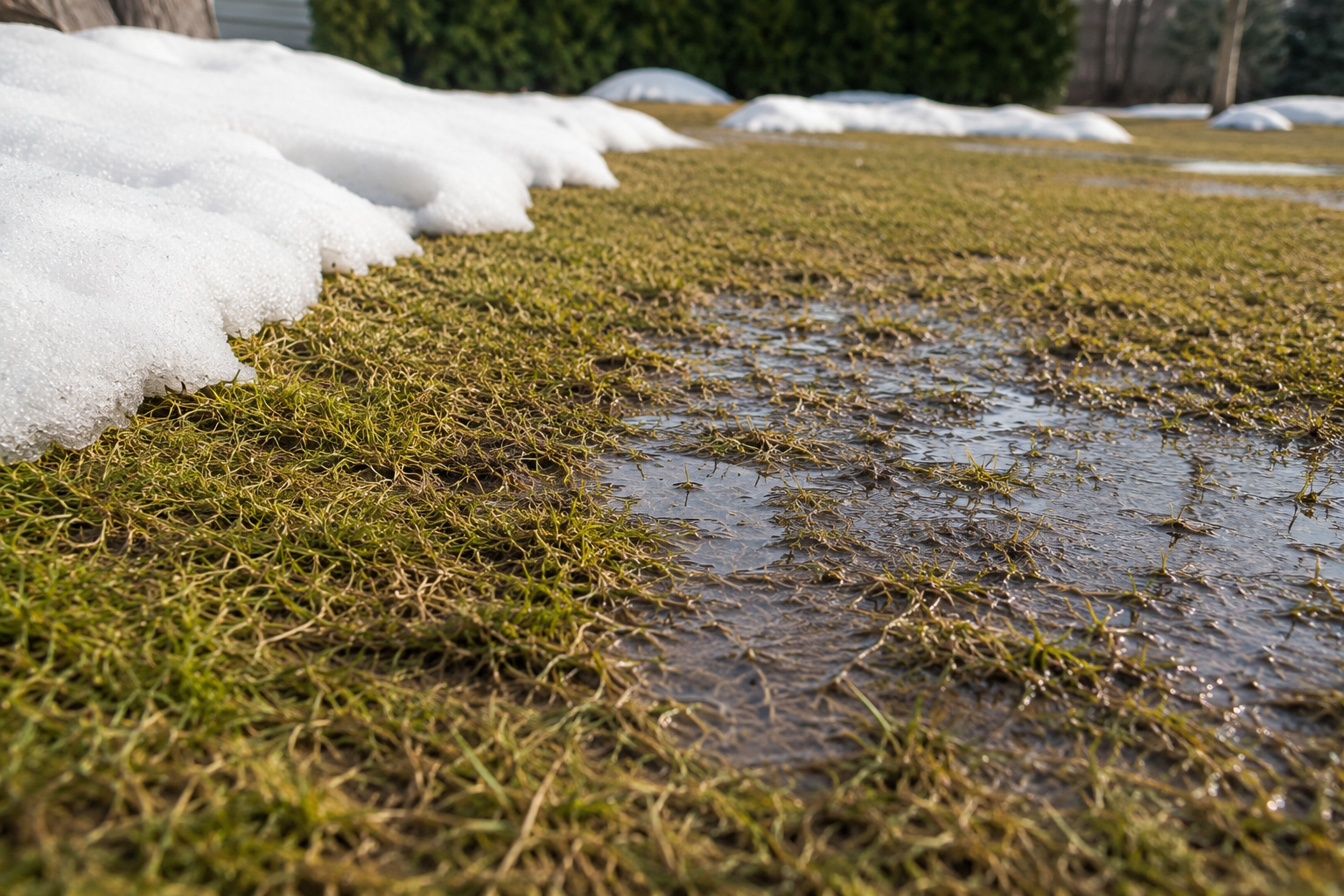
Spring dethatching is ideal once the soil has thawed and the grass begins to actively grow. This allows your lawn to recover during its most vigorous growth phase. Spring dethatching also prepares the lawn for fertilization and nutrient-rich treatments like liquid aeration or super juice, ensuring roots grow deeper and stronger.
Important considerations:
- Wait until the soil is moist but not waterlogged to prevent root damage
- Avoid dethatching before the last frost
- Address any pest or disease issues beforehand to reduce stress on the lawn
Spring dethatching provides the longest recovery period before winter. It allows grass to rebuild density, strengthen roots, and take full advantage of seasonal fertilizer applications.
Autumn Dethatching
Early fall dethatching strengthens roots ahead of winter dormancy and encourages dense growth for spring. Lawns that are dethatched in early autumn can better absorb fertilizer and other lawn treatments, ensuring they emerge healthy and vibrant when growth resumes.
Key factors for autumn dethatching include:
- Conducting the process well before the first frost
- Ensuring moderate soil moisture for easier removal of thatch
- Combining dethatching with overseeding to fill thin areas
Fall dethatching is often preferred when lawns have experienced summer stress. Cooler temperatures and consistent moisture help grass recover while preparing the root system for winter dormancy.
Signs Your Lawn Needs Dethatching
Not all lawns require dethatching every year. Observing your lawn carefully will help determine the right timing.
Grass Feels Spongy Underfoot
One of the easiest ways to identify excessive thatch is by simply walking across your lawn. If the turf feels unusually soft, springy, or bouncy underfoot, there may be a thick layer of organic material trapped between the soil and living grass. This spongy feeling often indicates that water, air, and nutrients are struggling to reach the root zone effectively.
Water Runs Off Instead of Soaking In
Thick thatch can become hydrophobic, meaning it repels water instead of allowing it to penetrate the soil. If irrigation or rainfall tends to pool on the surface or run off onto sidewalks and driveways, excessive thatch may be preventing moisture from reaching the roots where it is needed most.
Thin or Weak Grass Growth
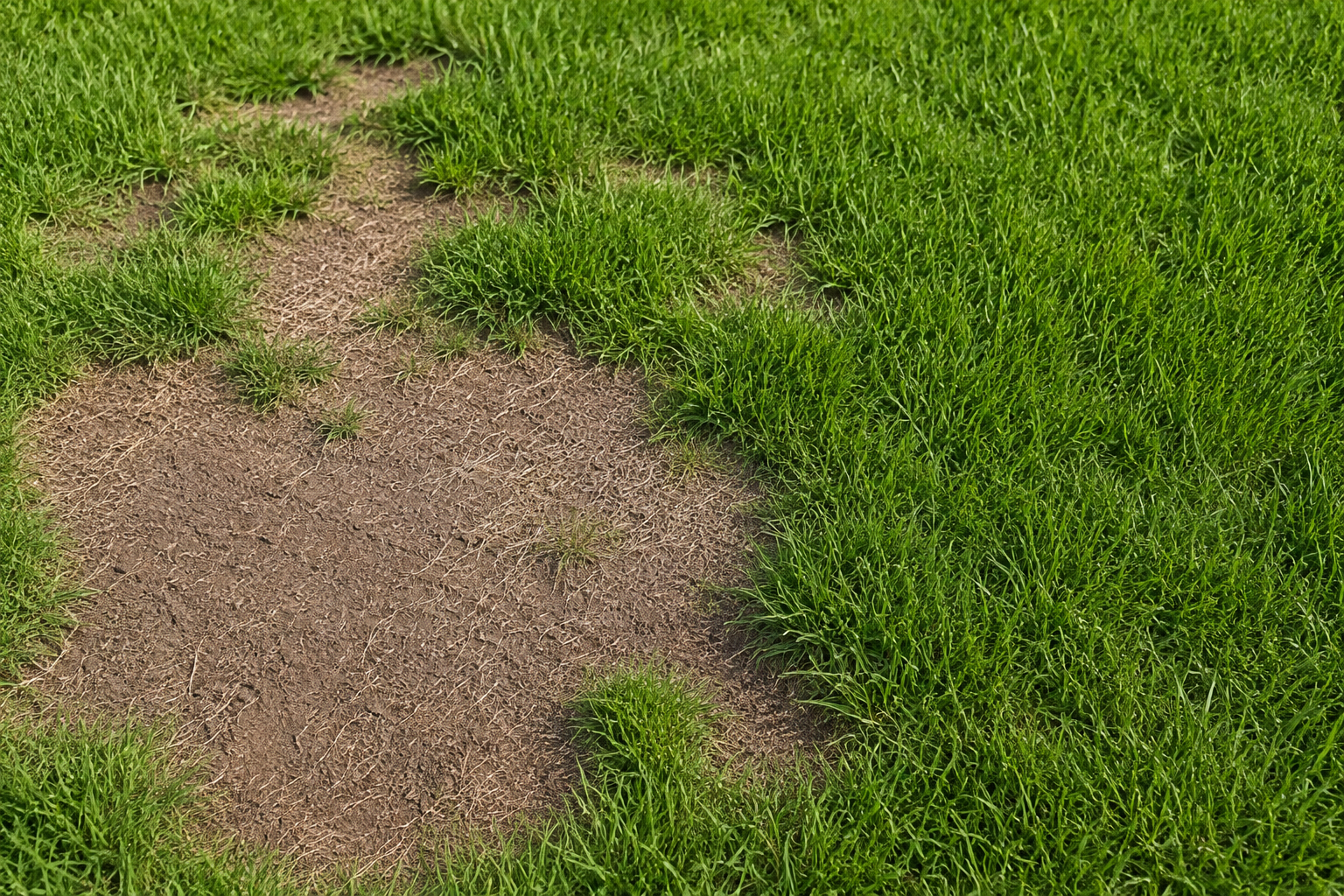
Grass growing above a thick thatch layer often develops shallow root systems and becomes more vulnerable to drought, heat, and nutrient deficiencies. As a result, lawns may appear thin, patchy, or less vibrant despite regular watering and fertilization.
Increased Weed or Pest Activity
Excessive thatch creates a favorable environment for pests such as chinch bugs while also weakening healthy turf. When grass becomes stressed, weeds have an easier time establishing themselves. If your lawn experiences recurring weed infestations or pest damage despite ongoing maintenance, underlying thatch buildup may be contributing to the problem.
Yard Dawgs specialists can evaluate your lawn and recommend the best approach, integrating dethatching with services such as mechanical aeration, and fertilizer to restore health and vigor.
Dethatching vs. Aeration: What's the Difference?
Many homeowners use the terms dethatching and aeration interchangeably, but they address two different lawn problems. Understanding the difference helps ensure the right treatment is applied at the right time.
What Dethatching Does
Dethatching removes excess organic material that accumulates between the soil surface and living grass. Using specialized equipment or dethatching rakes, the process lifts and removes thick layers of dead roots, stems, and debris that prevent water, air, and nutrients from reaching the soil.
Dethatching is most beneficial when excessive thatch is the primary issue affecting lawn performance.
What Aeration Does
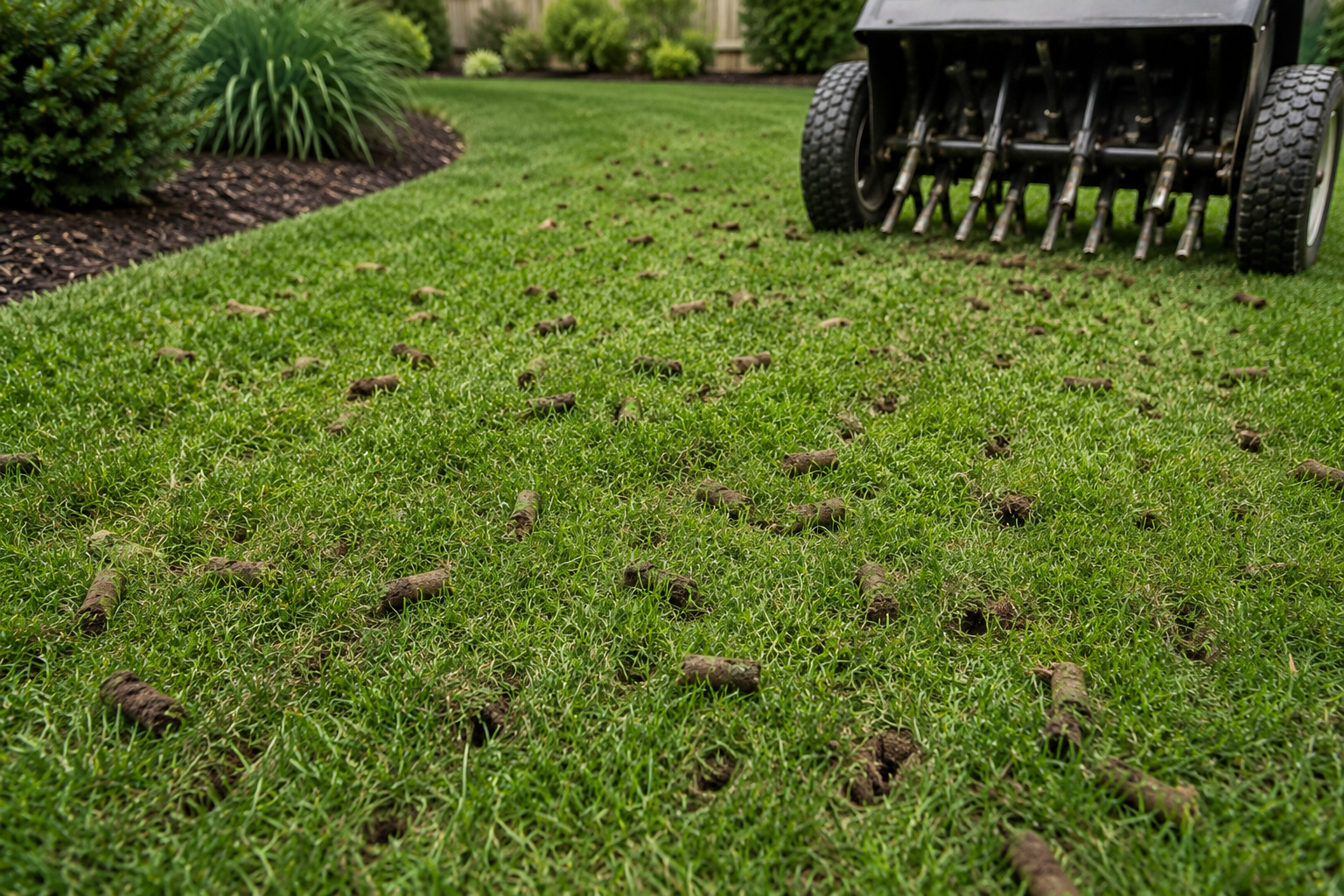
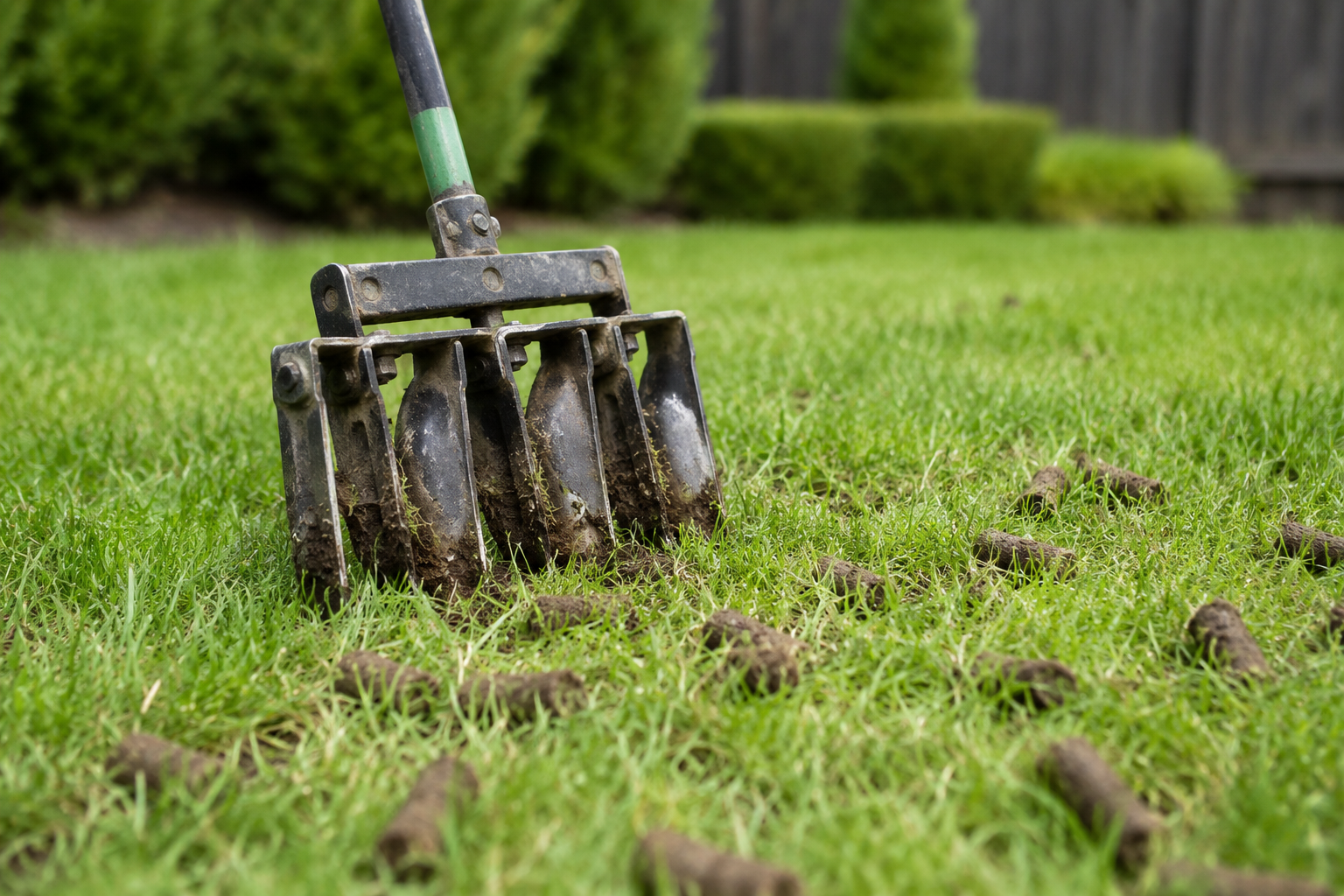
Aeration focuses on relieving soil compaction rather than removing surface material. Mechanical aerators remove small plugs of soil, creating channels that allow oxygen, moisture, and nutrients to move more freely through the root zone.
Aeration encourages deeper root development, improves drainage, and helps lawns better withstand drought and heat stress.
When Aeration May Be the Better Option
If your lawn has hard, compacted soil but little visible thatch, aeration is often the more effective treatment. Signs of compaction include:
- Standing water after rainfall
- Difficulty pushing a screwdriver into the soil
- Thin growth in high-traffic areas
- Poor response to fertilization
In these situations, relieving compaction often produces greater benefits than dethatching alone.
When Both Services Work Best Together
Many Alberta and Saskatchewan lawns benefit from a combination of dethatching and aeration. Dethatching removes the surface barrier, while aeration improves conditions beneath the soil. Together, they create an ideal environment for root growth, overseeding, fertilization, and recovery treatments such as super juice or sea kelp applications.
How to Dethatch Lawn Effectively
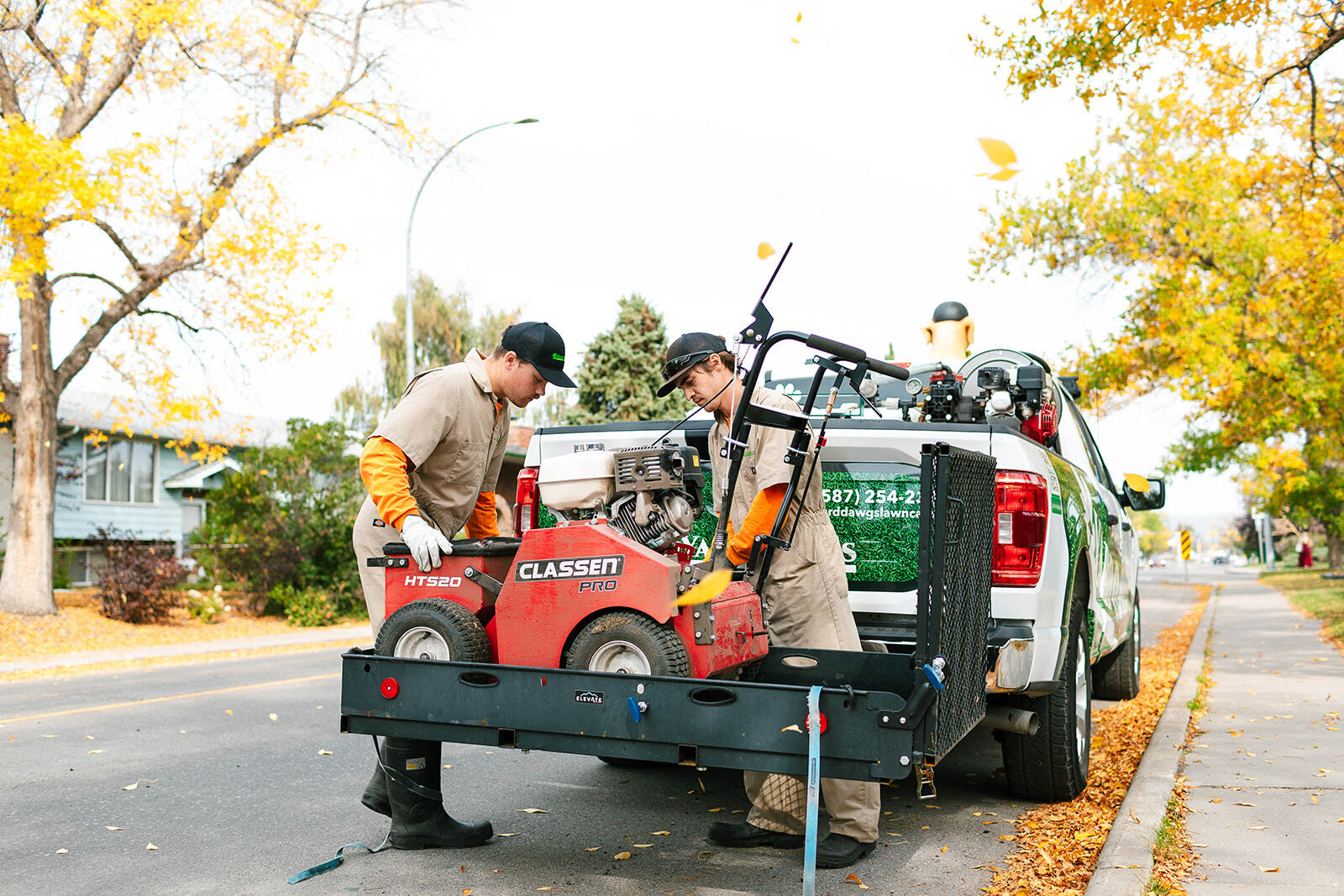
Dethatching can be approached manually or with professional equipment. Small areas or light thatch buildup can be handled with a dethatching rake, which gently lifts debris while protecting roots. Larger lawns or dense thatch layers benefit from mechanical dethatchers or vertical mowers that remove material efficiently.
Manual Dethatching vs. Power Raking
For smaller lawns with minor thatch accumulation, a manual dethatching rake may be sufficient. While more labor-intensive, it allows homeowners to target specific areas and remove excess material without disturbing the entire lawn.
For larger properties or severe thatch buildup, power raking is typically the more practical option. Power rakes use mechanical tines to remove thick layers of organic material quickly and consistently across the entire lawn.
Regardless of the method used, choosing the right equipment for the amount of thatch present is important. Aggressive power raking on a lawn with minimal thatch can damage healthy turf unnecessarily.
Before dethatching, homeowners should:
- Measure the thickness of the thatch layer
- Mow the lawn slightly shorter than normal
- Remove excessive debris from the surface
- Ensure the soil is moist but not saturated
- Mark sprinkler heads or other obstacles that could be damaged by equipment
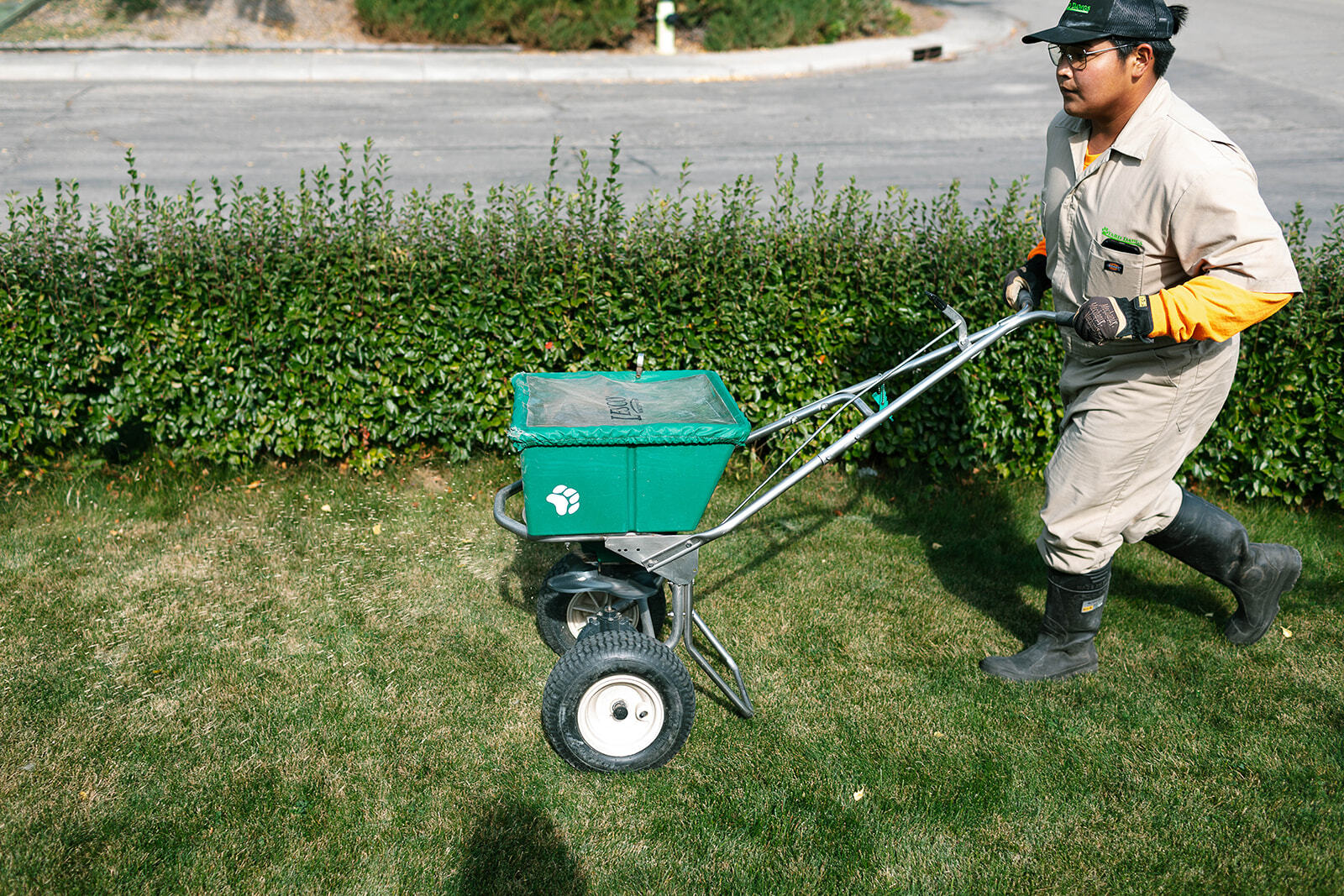
Post-dethatching care is equally important. Lawns should be watered to encourage recovery, treated with fertilizer or super juice, and overseeded if bare patches remain. Coordinating dethatching with other treatments ensures your lawn stays strong, dense, and weed-free throughout the season.
Common Misconceptions About Dethatching
Many homeowners have misconceptions about dethatching that can affect their lawn care strategy. Here are some of the most common ones:
- Only unhealthy lawns need dethatching: Even lawns that look lush can have a thick thatch layer that weakens long-term resilience.
- Dethatching is only for spring: While spring is ideal for recovery, early fall is also effective, especially for cool-season grasses like Kentucky Bluegrass or Perennial Ryegrass.
- Dethatching and aeration are the same: Aeration loosens compacted soil to improve root growth, while dethatching removes the organic barrier that can suffocate grass.
- One-time dethatching is enough: Combining dethatching with other services like aeration, fertilization ensures maximum lawn density, strength, and vibrancy.
- Dethatching should be done every year: The need depends on thatch depth, grass type, soil conditions, and maintenance practices.
- All thatch is bad: A thin layer of thatch is beneficial because it helps regulate soil temperature and moisture levels.
- Dethatching fixes soil compaction: Dethatching does not relieve compaction beneath the ground. Aeration remains the most effective solution for compacted soil conditions.
Combining Dethatching with Other Lawn Care Services
The best results come from integrating dethatching with ongoing lawn care. Aeration, liquid aeration can be timed with dethatching to enhance soil structure, fill thin areas, and promote root growth. Treatments like sea kelp and fertilizer further support recovery, ensuring your lawn remains lush, vibrant, and resilient.
Overseeding immediately after dethatching is often particularly effective because newly exposed soil provides better seed-to-soil contact. This can improve germination rates and help fill thin areas more quickly.
By maintaining a consistent care plan, your yard not only recovers quickly from dethatching but also becomes better equipped to resist stress, weeds, and pests year-round.
Frequently Asked Questions About Dethatching
What is the best month to dethatch a lawn in Alberta?
The ideal timing varies slightly by region and weather conditions, but most Alberta lawns benefit from dethatching in late spring after active growth begins or in early fall before the first frost.
How often should a lawn be dethatched?
Most lawns only need dethatching when the layer exceeds approximately ½ inch. Depending on growing conditions and maintenance practices, this may be every few years rather than annually.
Is dethatching the same as aeration?
No. Dethatching removes excess organic material above the soil, while aeration relieves soil compaction below the surface. The two services address different problems but often complement one another.
Should I overseed after dethatching?
Yes. Dethatching exposes more soil surface, creating excellent conditions for seed germination. Overseeding can help thicken turf and fill sparse areas during recovery.
Can dethatching damage a healthy lawn?
If performed too aggressively or at the wrong time of year, dethatching can stress healthy grass. This is why proper timing, equipment selection, and post-treatment care are important.
Set Your Lawn Up for Success: Timing and Care Make All the Difference
The best time to dethatch the lawn in Alberta and Saskatchewan is during spring or early fall when the grass is actively growing and soil conditions are optimal. Proper timing, combined with expert post-care including watering, fertilization, and overseeding, ensures your lawn recovers quickly and grows strong roots.
Just as importantly, homeowners should evaluate whether thatch is actually the problem before scheduling service. Understanding the difference between thatch buildup and soil compaction helps ensure the right treatment is applied, leading to stronger long-term results and healthier turf.
We at Yard Dawgs provide tailored lawn care services across Calgary, Edmonton, Red Deer, and Saskatoon. With a dedicated team managing each property, you get personalized attention, guaranteed results, and a weed-free, healthy lawn that thrives season after season.