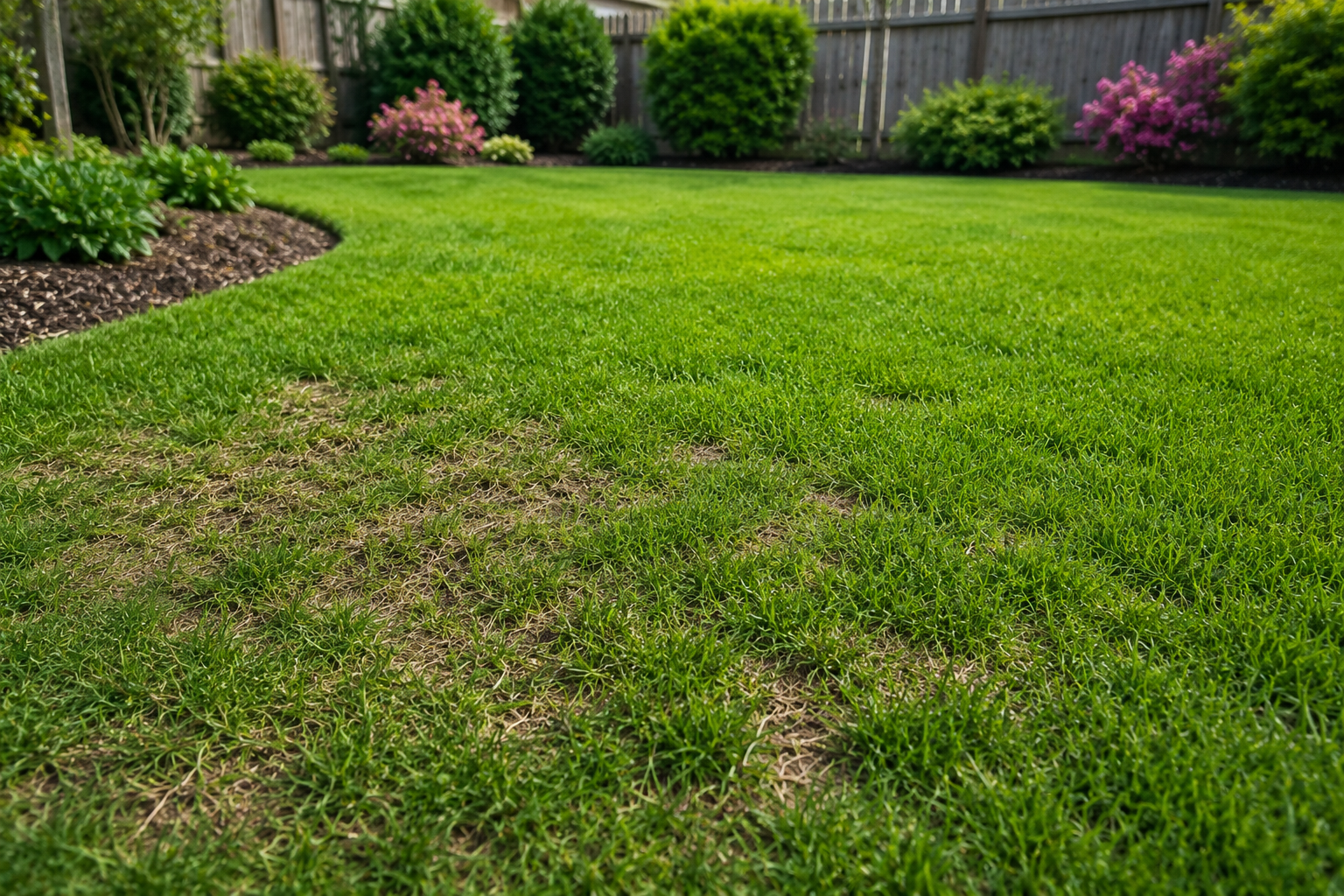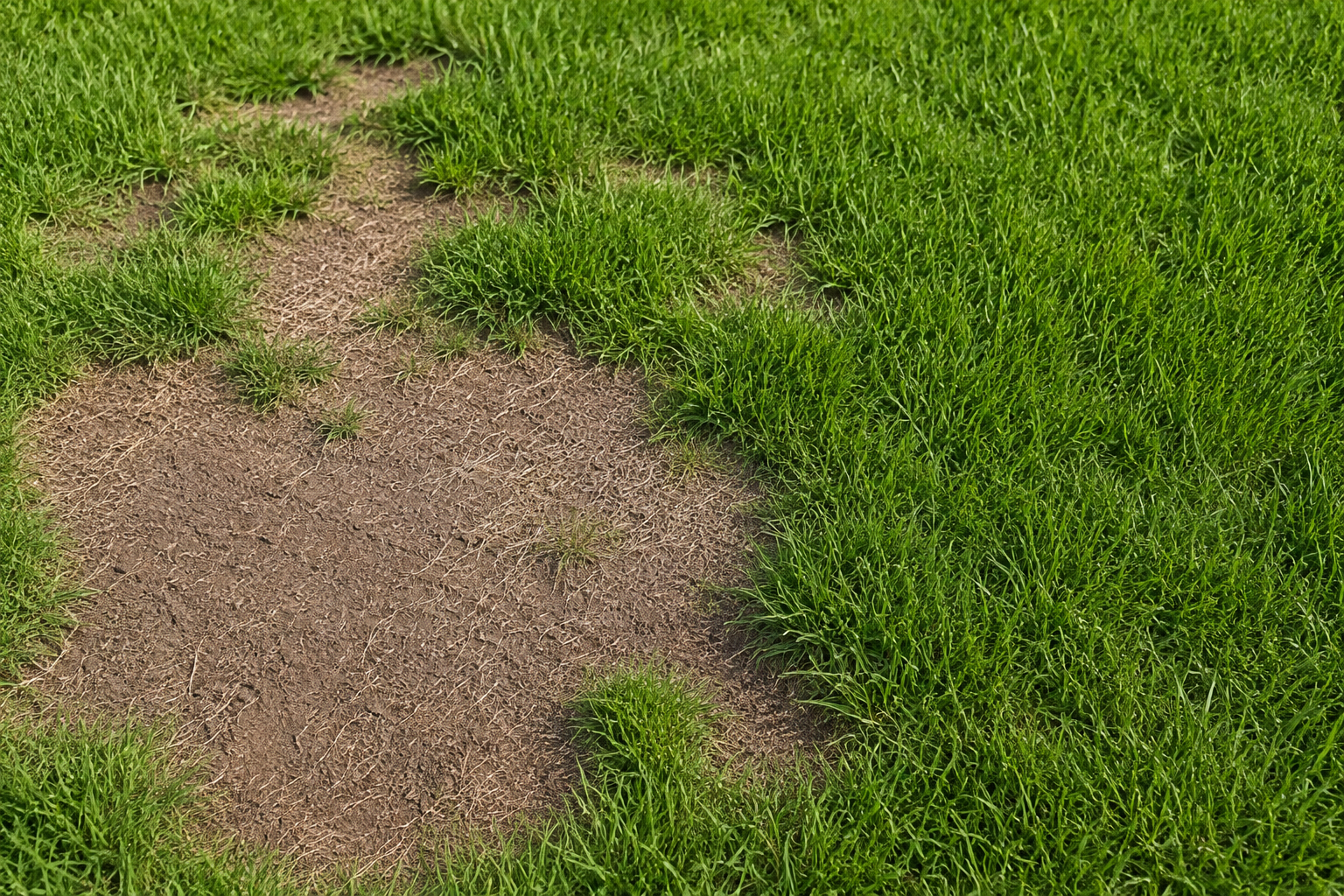







Did you know mushrooms can sprout on your lawn within just 24 hours after rain? These sudden guests often appear overnight, dotting your grass with caps of white, gray, or brown. Many lawn mushrooms are harmless to grass, but they can be toxic to pets and children, and often signal deeper issues like poor drainage, heavy thatch, or decaying organic matter in your soil.
If you’ve been asking yourself, “Why are mushrooms growing in my lawn?” or how to get rid of mushrooms in lawn areas without harming your grass, you're in the right place. Let’s walk through what causes them, what to do about them, and how Yard Dawgs can help keep your Alberta lawn lush and mushroom-free.

Limited spots available!
Transform your lawn today

Limited spots available!
Transform your lawn today
Why Are Mushrooms Growing in My Lawn?
Mushrooms are the fruiting bodies of underground fungi. They release spores to reproduce when conditions are just right: damp, shady, and rich in organic matter. While that might sound harmless or even healthy, it usually points to imbalances in your yard.
Common reasons mushrooms show up:
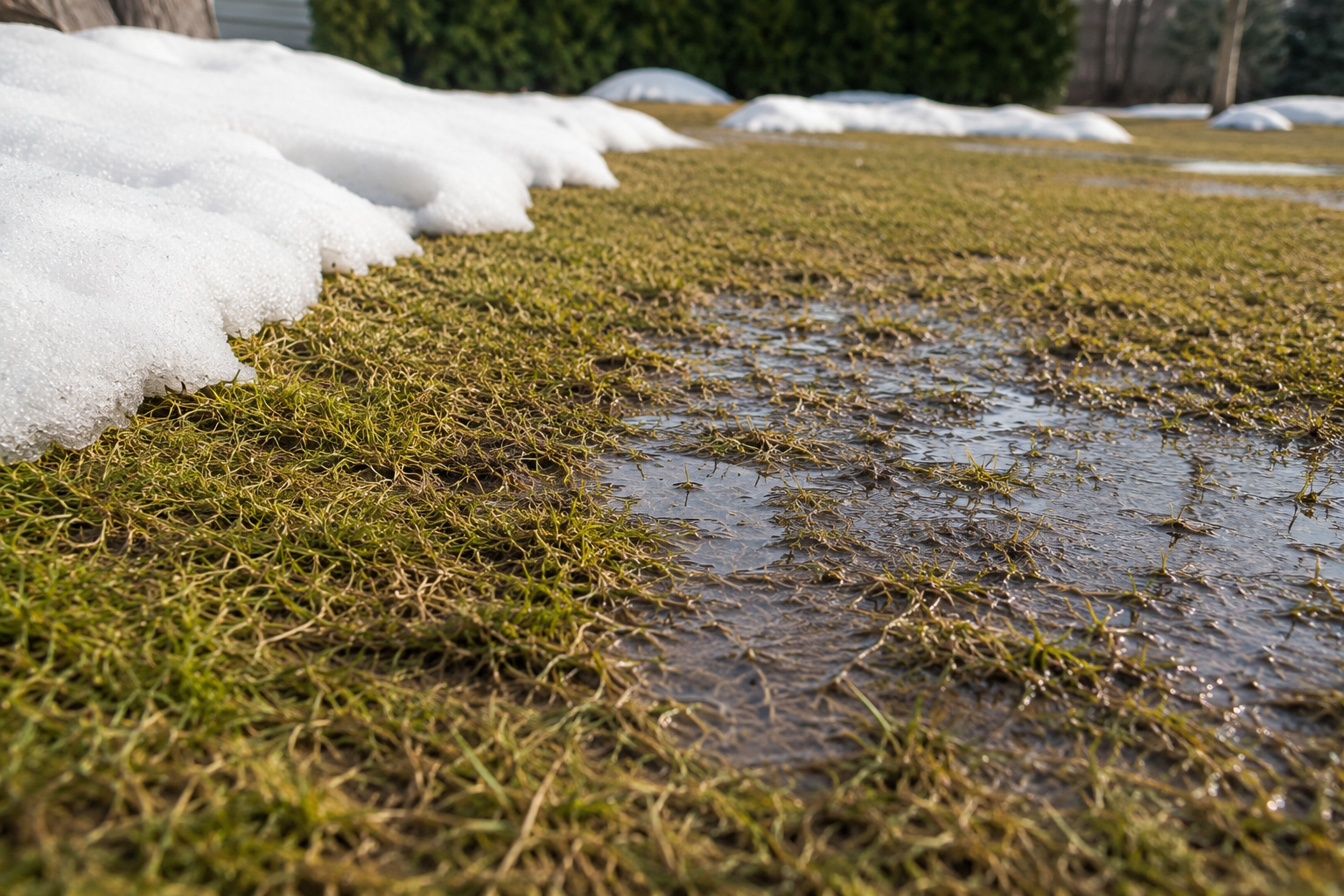
- Overwatering or recent heavy rain
- Poor lawn drainage or compacted soil
- Build-up of thatch (dead grass and roots)
- Hidden organic debris, like buried wood or old tree roots
- Shaded areas with limited sunlight
Mushrooms don’t actually damage your lawn directly, but they’re a sign that the environment could use some fine-tuning.
What Causes Mushrooms to Grow in Your Lawn?
To manage the problem, it’s helpful to understand what fuels it. These are the top conditions that encourage fungal growth:
- Moisture – Consistently wet grass creates the perfect environment.
- Shady Areas – Less sunlight = more mushrooms.
- Organic Debris – Decomposing roots, mulch, or clippings feed fungi.
- Compacted Soil – Reduces airflow and keeps moisture trapped.
- Heavy Thatch – Traps water and organic matter near the surface.
Lawn Mushrooms in Alberta: Why They’re So Common
Lawn mushrooms in Alberta are especially common in spring and fall, when fluctuating temperatures and rainfall combine to create damp, shaded, and nutrient-rich soil. Calgary, Edmonton, Red Deer, and Saskatoon lawns often face these exact conditions. This makes mushrooms a recurring challenge for local homeowners.
How to Get Rid of Mushrooms in Lawn Safely
You don’t need to destroy your grass to get rid of mushrooms. Here's a safe, effective process:
1. Pick mushrooms by hand
- Wear gloves
- Remove mushrooms before they release spores
- Dispose of them in a sealed garbage bag (not compost!)
2. Rake and clean your lawn
- Remove grass clippings, pet waste, leaves, and other debris
- Clear away any wood chips or rotting mulch
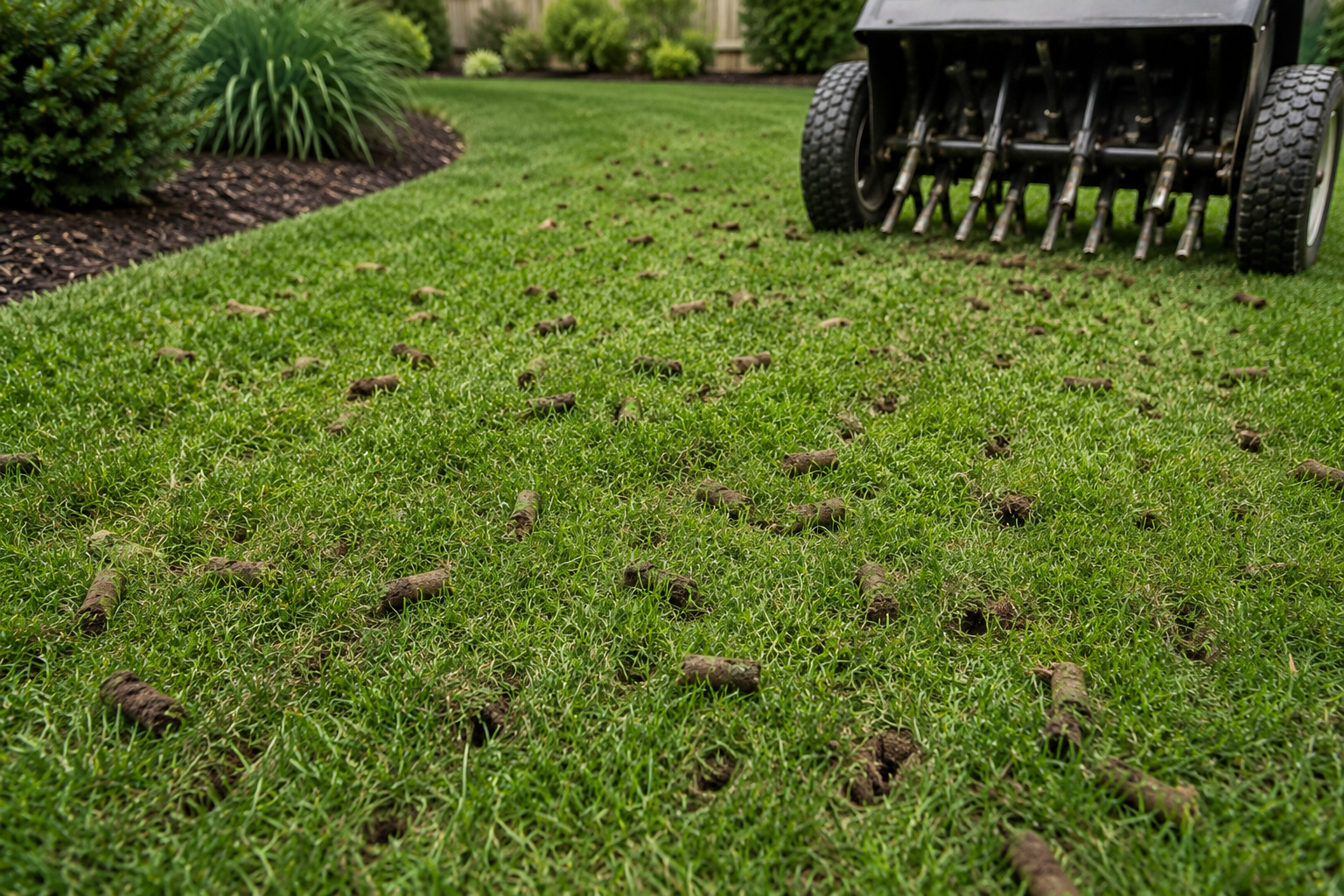
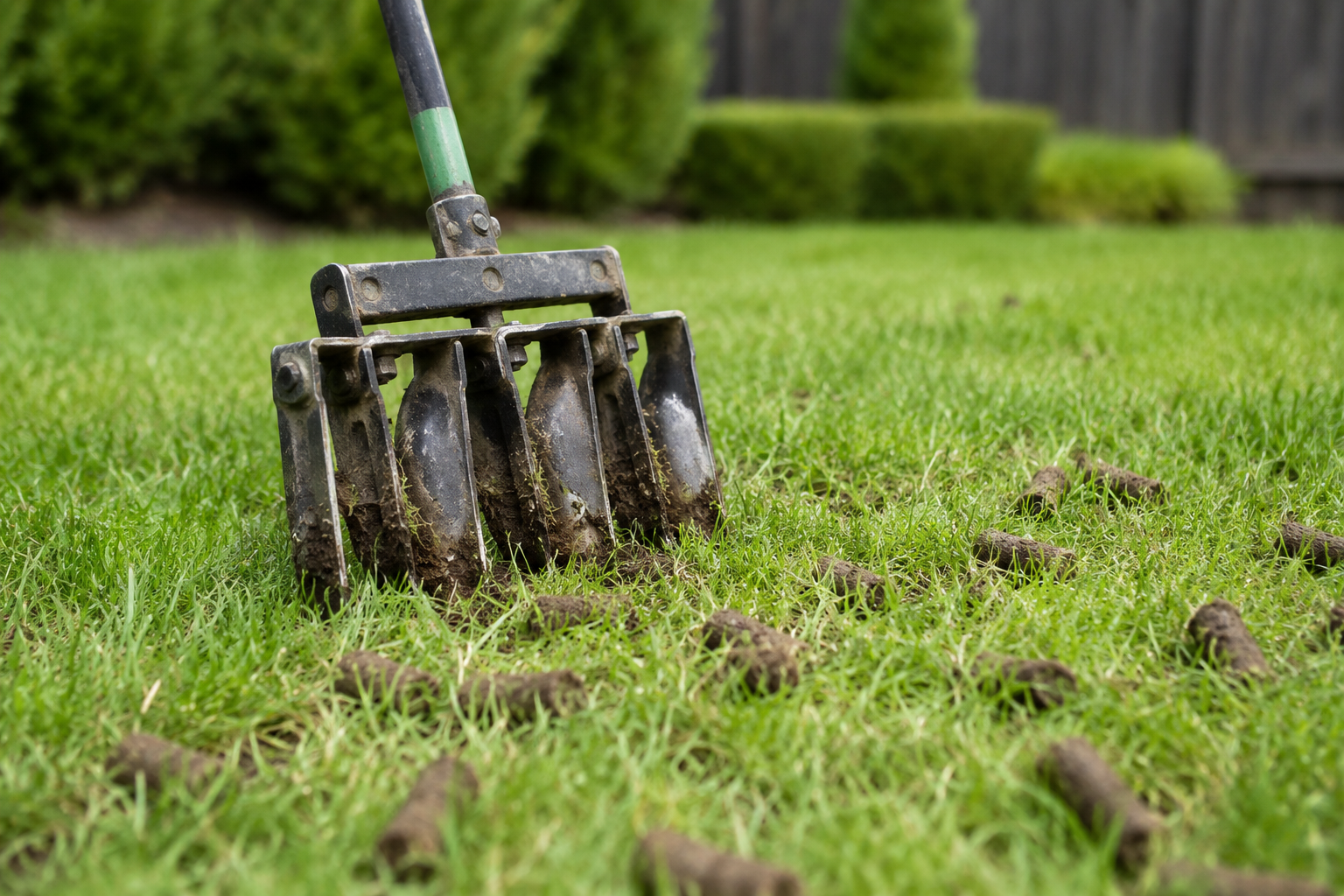
3. Dethatch and aerate
- Thatch holds in moisture: mechanical aeration and liquid aeration both help
- Aeration improves drainage and airflow, making conditions less ideal for fungi
4. Adjust watering habits
- Water early in the morning to let grass dry before nightfall
- Stick to 1 inch per week unless advised otherwise
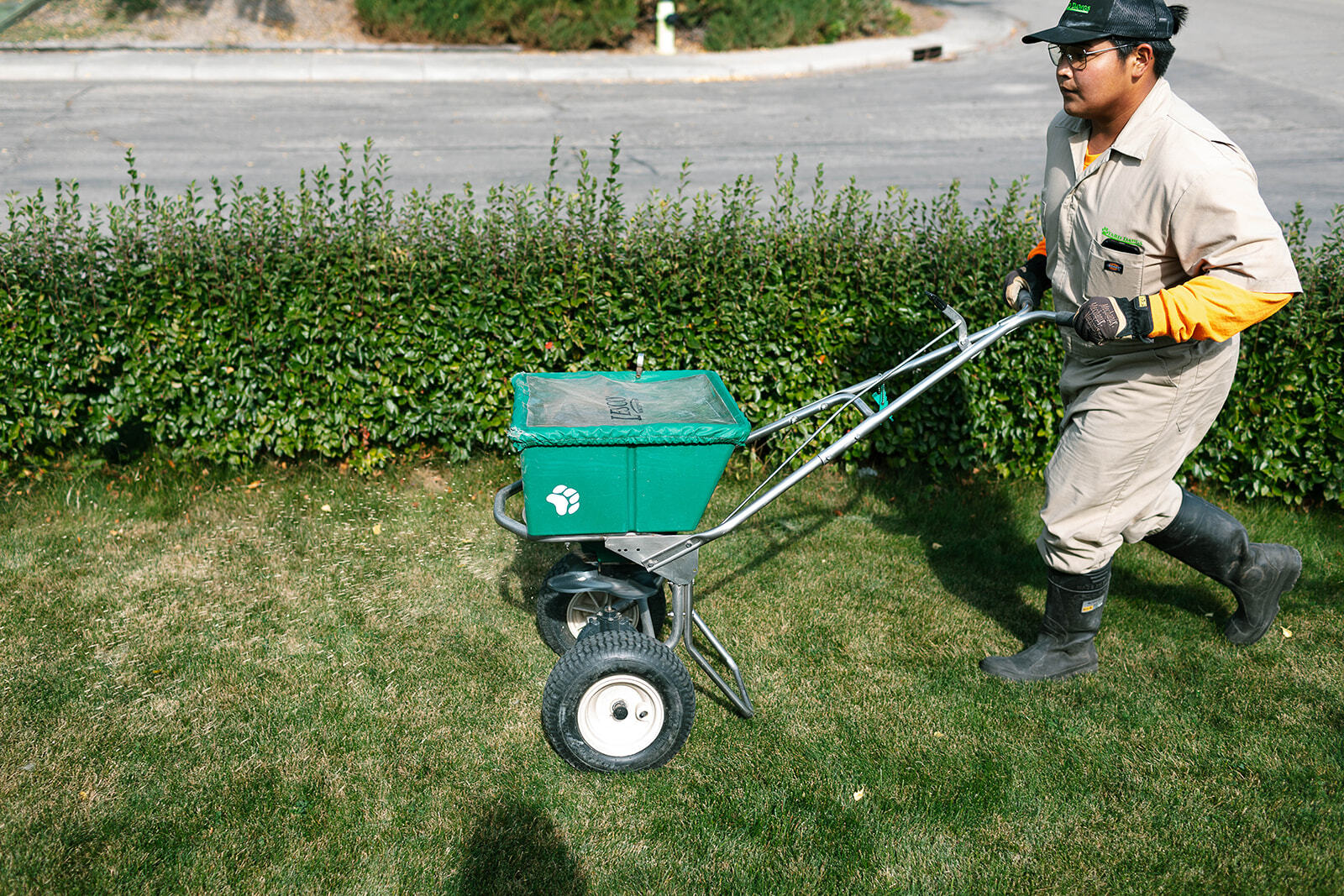
5. Fertilize with care
- Apply a high-nitrogen fertilizer to speed decomposition of organic matter and strengthen grass
- Yard Dawgs offers customized fertilization plans based on your lawn’s needs
How to Prevent Mushrooms from Coming Back
Prevention is key to keeping mushrooms off your lawn in the long run. Here’s how to make your lawn less inviting to fungi:
- Improve soil health. Use Super Juice and sea kelp to enrich your lawn naturally.
- Keep the lawn clean. Regularly rake up leaves and debris, especially in shaded areas.
- Fix drainage issues. If water pools on your lawn, aeration or minor grading might be necessary.
- Trim overhanging branches. Let sunlight in to dry damp areas and inhibit fungi.
- Watch for signs of pests. Insects like chinch bugs can weaken your lawn, making it easier for mushrooms to thrive.
Should You Kill Mushrooms in Lawn with DIY Methods?
You might come across DIY tricks like vinegar, dish soap, or baking soda online, but be cautious. These can easily harm your grass or soil if not applied properly.
Instead of spot treatments that only handle the surface issue, focus on long-term solutions like aeration, thatch removal, and proper fertilization.
Yard Dawgs can help with all of the above, giving your lawn what it needs to stay healthy year-round. Our Weed Free Guarantee ensures you're never stuck with unwanted growth—and if you're unsatisfied, we’ll make it right. Simple as that.
Mushrooms Are a Sign, Not a Sentence
Mushrooms don’t mean your lawn is unhealthy, but they do tell you something’s off balance. By improving drainage, controlling thatch, and managing soil health with the right treatments, you can stop mushrooms before they spread. With the right team on your side like the pros at Yard Dawgs, you’ll have a green, clean, mushroom-free lawn in no time.