






A lush, vibrant lawn doesn’t happen by accident. It needs the right nutrients to thrive. While traditional fertilizers play a role, there’s a natural solution that can take your lawn’s health to the next level.
Sea kelp fertilizer is packed with essential minerals, growth hormones, and organic compounds that promote stronger roots, greener grass, and improved resilience against stress. This article will unpack how this ocean-derived powerhouse can transform your lawn into a healthier and lusher one. So, let’s dive into it.

Limited spots available!
Transform your lawn today

Limited spots available!
Transform your lawn today
What Is Sea Kelp Fertilizer?
Sea kelp fertilizer is a natural plant and soil amendment derived from kelp, a large brown seaweed that grows in nutrient-rich ocean waters. One of the most commonly harvested species is Ascophyllum nodosum, which is found in the cold North Atlantic and valued for its high concentration of trace minerals, amino acids, and naturally occurring plant growth compounds.
After harvesting, kelp is processed into several forms, including liquid extracts, powders, meals, and granular fertilizers. While traditional fertilizers focus primarily on supplying nitrogen, phosphorus, and potassium (NPK), kelp fertilizer is prized for its ability to improve plant health through micronutrients, growth hormones, and enhanced nutrient uptake.
Importance of Fertilizers
Fertilizers play a crucial role in maintaining a healthy and thriving lawn. They replenish essential nutrients that may be lacking in the soil, ensuring consistent growth and resilience against environmental stress.
- Supports nutrient balance by providing key elements like nitrogen, phosphorus, and potassium that grass needs to grow strong and healthy.
- Strengthens root development, helping grass establish a deep and sturdy foundation that improves water and nutrient absorption.
- Encourages long-term lawn vitality by enhancing soil quality, promoting microbial activity, and preventing nutrient depletion over time.
Macronutrients like nitrogen, phosphorus, and potassium are essential, but lawns also require micronutrients such as iron, zinc, manganese, magnesium, and boron. These trace elements support chlorophyll production, root development, photosynthesis, and overall turf health. Sea kelp fertilizer helps supply many of these often-overlooked nutrients naturally.

Types of Fertilizers
Before moving further into the guide, let’s overview the main types of fertilizers and provide a few examples of each.
Organic Fertilizers
Organic fertilizers come from natural sources such as plants, animals, and minerals. They improve soil structure, enhance microbial activity, and release nutrients slowly for long-term lawn health.
- Kelp Seaweed Fertilizer: Provides essential minerals, natural growth hormones, and amino acids to boost root strength and drought resistance.
- Compost Fertilizer: Made from decomposed organic matter, it enriches soil, retains moisture, and promotes beneficial microbes.
- Manure-Based Fertilizer: A nutrient-rich option derived from animal waste that improves soil fertility and organic content.
Synthetic Fertilizers
Synthetic fertilizers are chemically manufactured to provide immediate nutrients in precise ratios. While they deliver quick results, overuse can lead to soil degradation and environmental concerns.
- Granular Fertilizer: These are slow-release pellets that supply nutrients over time, reducing the need for frequent applications.
- Liquid Fertilizer: A fast-acting solution that quickly absorbs into the soil and provides immediate nutrient boosts.
- Controlled-release fertilizer. Designed to release nutrients gradually over weeks or months, reducing the risk of over-fertilization.
How Sea Kelp Fertilizer Works
One of the reasons sea kelp fertilizer is so effective is that it contains naturally occurring plant growth hormones. These compounds help regulate growth processes that influence root development, nutrient uptake, and stress recovery.
Cytokinins
Cytokinins stimulate cell division and encourage stronger shoot and root growth. They can also help slow plant aging and support more vigorous turf development.
Auxins
Auxins promote root expansion and help grass establish a stronger root system capable of accessing water and nutrients more efficiently.
Gibberellins
Gibberellins help stimulate growth and support healthy plant development, especially during periods of active growth and recovery.
Together, these naturally occurring compounds help lawns recover from environmental stress, establish deeper roots, and maintain healthier growth throughout the season.
Sea Kelp Fertilizer: Benefits
Sea kelp fertilizer offers unique advantages beyond traditional fertilizers, helping your lawn grow healthier and more resilient. Let’s explore how it enhances your lawn’s overall well-being.
Promotes Healthy Growth
Sea kelp contains natural growth hormones like cytokinins and auxins, which stimulate cell division and root expansion. This leads to thicker, greener grass that recovers quickly from stress and continues to grow evenly.
Sea kelp also improves nutrient efficiency, helping grass absorb and utilize nutrients already present in the soil more effectively. This often results in stronger growth without relying solely on high doses of traditional fertilizers.
Improves Soil Health
Packed with trace minerals, amino acids, and organic compounds, sea kelp enriches the soil, improving its structure and microbial activity. It enhances moisture retention and aeration, creating an ideal environment for deep-rooted, healthy grass.
Sea kelp supports beneficial microbial populations that contribute to nutrient cycling and organic matter decomposition. A healthier soil ecosystem often translates into stronger turf and improved long-term lawn performance.
Enhances Stress Resistance
The bioactive compounds in sea kelp fertilizer strengthen plant cell walls, making grass more resilient to drought, extreme temperatures, and heavy foot traffic. It also boosts the lawn’s natural defense against pests and fungal infections.
Many lawn care professionals use sea kelp applications before or during periods of environmental stress because kelp-treated grass often demonstrates improved tolerance to heat, drought, frost, and recovery from damage.
Boosts Lawn Aesthetics
By improving nutrient absorption and root efficiency, sea kelp fertilizer enhances lawn color and texture. It promotes a lush, vibrant green appearance while maintaining consistent and uniform growth.
Provides Essential Trace Minerals
Unlike many conventional fertilizers that focus heavily on NPK values, sea kelp fertilizer contains more than 60 trace minerals and micronutrients. These include magnesium, iron, zinc, manganese, and calcium, all of which contribute to stronger plant health and improved turf performance.
Supports Seed Establishment and Root Development
Sea kelp is often used during overseeding and lawn establishment projects because it can encourage root growth and improve early seedling vigor. Stronger roots help new grass establish faster and become more resilient over time.
Key Nutrients Found in Sea Kelp Fertilizer
One of the most unique aspects of sea kelp fertilizer is its broad nutrient profile. While its NPK value is generally low compared to synthetic fertilizers, its value lies in the wide range of trace minerals it provides.
|
Nutrient |
Benefit for Lawns |
|
Potassium |
Improves stress tolerance and drought resistance |
|
Magnesium |
Supports chlorophyll production |
|
Iron |
Promotes deep green colour |
|
Zinc |
Supports healthy growth regulation |
|
Manganese |
Assists photosynthesis |
|
Calcium |
Strengthens plant tissues |
|
Boron |
Supports nutrient movement within plants |
Because these nutrients are naturally derived, they help support balanced growth without encouraging excessive top growth that can occur with high-nitrogen fertilizers.
Environmental Benefits of Using Sea Kelp Fertilizer
Beyond lawn performance, sea kelp fertilizer offers measurable environmental advantages that support sustainable lawn care practices. Because it is derived from renewable marine resources and applied in low concentrations, it reduces reliance on synthetic inputs that can strain ecosystems.
Unlike conventional fertilizers, sea kelp fertilizer does not contribute to nutrient runoff when applied correctly. Its organic composition supports soil microorganisms rather than disrupting them, helping maintain long-term soil balance.
Sea kelp-based products also encourage efficient nutrient uptake by grass roots, which minimizes excess nutrients remaining in the soil and reduces the risk of groundwater contamination. This makes it a responsible option for homeowners seeking effective fertilization with a lower environmental footprint.
Responsibly harvested kelp is considered a renewable resource. Sustainable harvesting practices allow kelp forests to regenerate naturally, making kelp fertilizer a more environmentally conscious choice than many synthetic alternatives.
Liquid Kelp vs. Kelp Meal
Sea kelp fertilizers are available in several forms, each offering unique advantages.
|
Type |
Best Use |
|
Liquid Kelp |
Fast nutrient uptake and foliar feeding |
|
Kelp Meal |
Long-term soil improvement |
|
Kelp Powder |
Irrigation systems and custom mixes |
|
Granular Kelp |
Slow-release feeding programs |
Liquid kelp is often preferred when quick results are desired because nutrients and growth compounds are readily available. Kelp meal and granular products work more slowly but provide lasting benefits for soil health and microbial activity.
Best Lawn Fertilization Practices with Sea Kelp
Choosing the Right Sea Kelp Fertilizer
Not all sea kelp fertilizers are the same, so selecting the right one ensures maximum benefits for your lawn. Look for high-quality, organic options that provide essential nutrients and growth hormones.
- Check for cold-processed kelp, as it retains more bioactive compounds that support plant health.
- Choose a liquid or granular form based on your application preference and lawn care routine.
- Ensure the fertilizer is free from synthetic additives to maintain a natural and eco-friendly lawn.
Cold-processed kelp products are often considered superior because the manufacturing process preserves delicate compounds such as enzymes, amino acids, and plant growth hormones that may be degraded by excessive heat.
Applying Sea Kelp Fertilizer Correctly
Proper application helps your lawn absorb the full benefits of sea kelp, promoting strong roots and vibrant growth. Timing and technique matter for the best results.
- Apply in the early morning or late afternoon to prevent evaporation and allow nutrients to absorb effectively.
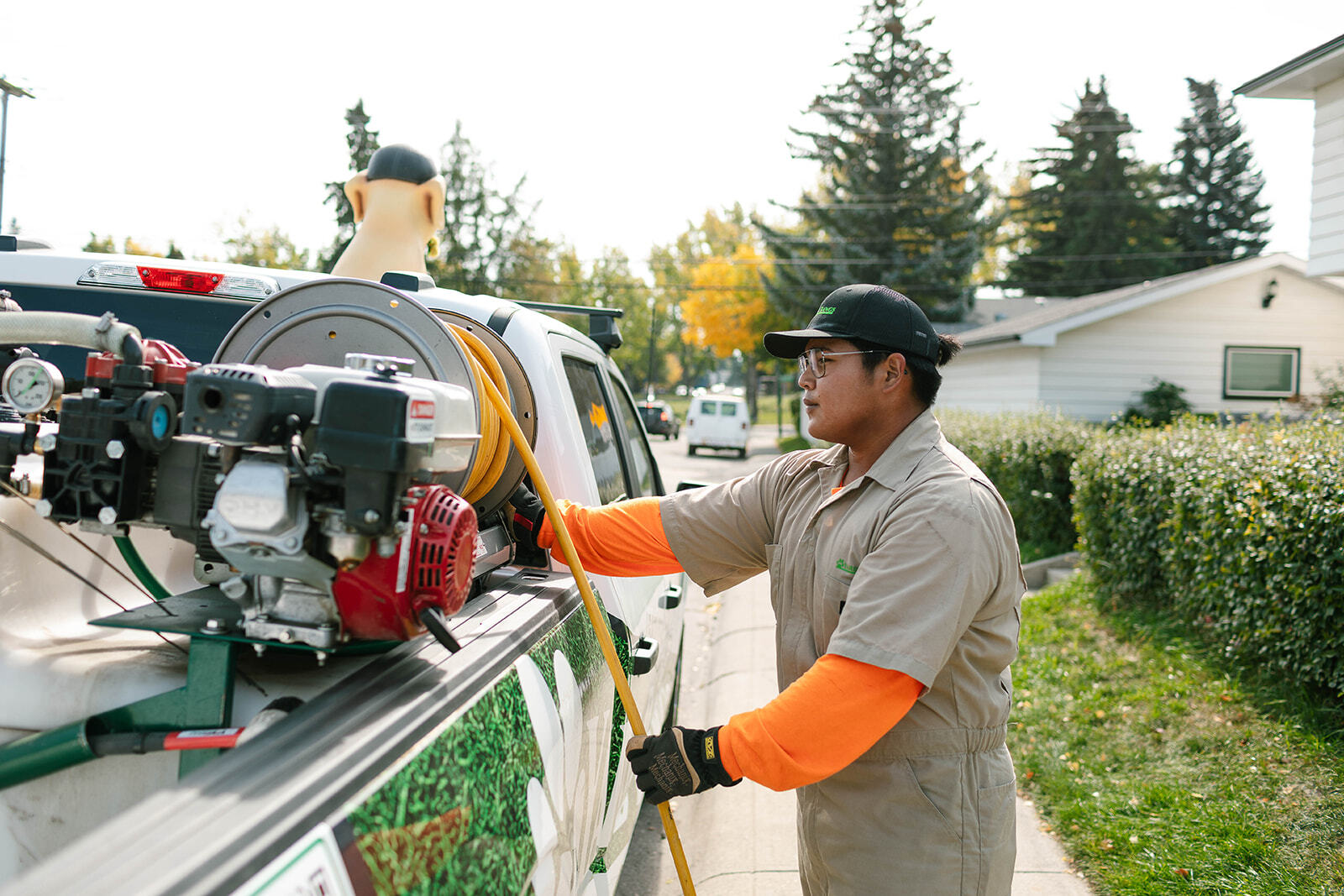
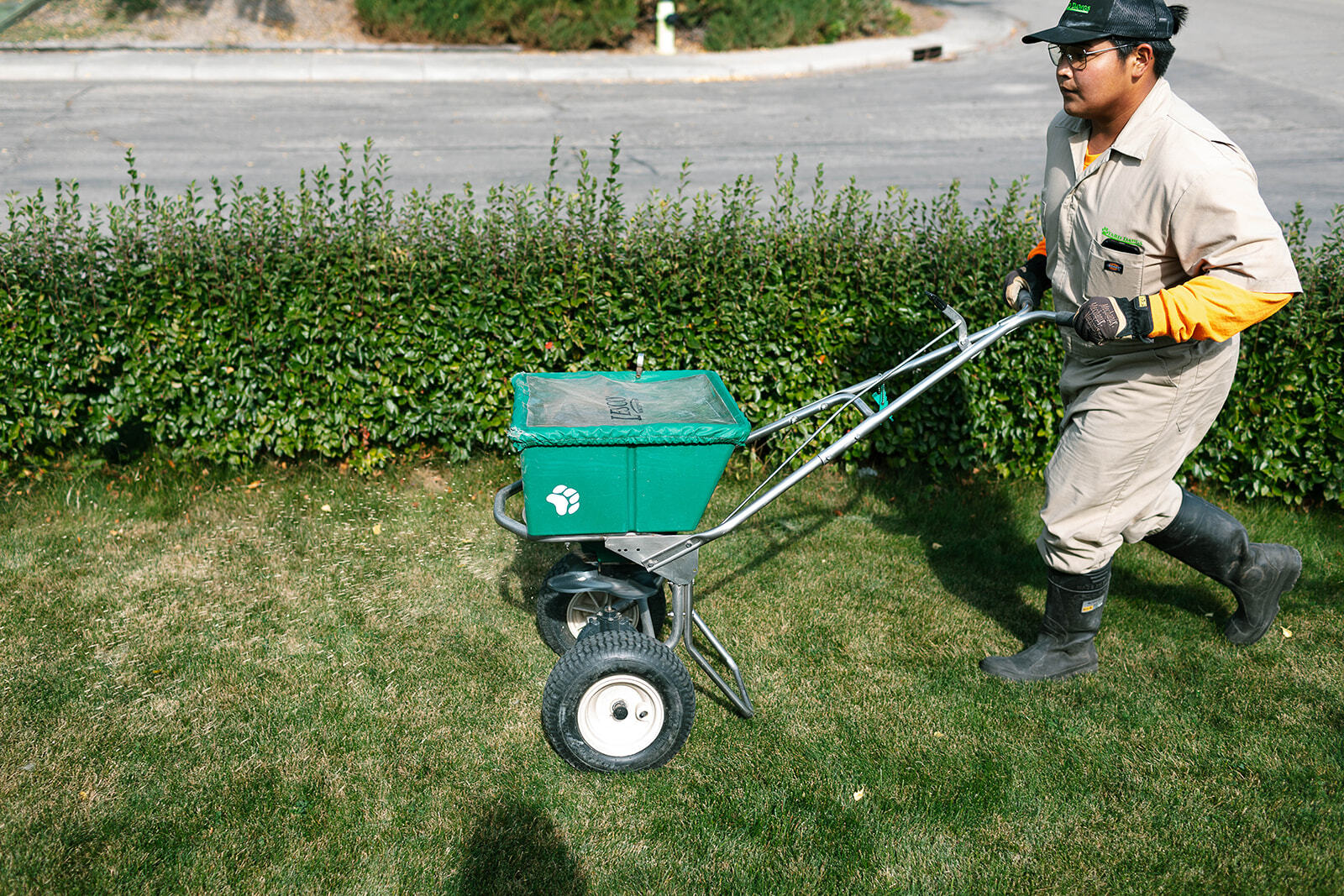
- Use a sprayer or spreader for even coverage, ensuring all areas of your lawn receive the benefits.
- Follow recommended application rates to avoid overuse, as sea kelp works best in moderate amounts.
Foliar Spray Application
One of the most effective ways to use liquid kelp is as a foliar spray. Grass blades can absorb nutrients directly through their surfaces, allowing for faster uptake than some soil applications. Foliar spraying is especially useful when lawns are recovering from stress or nutrient deficiencies.
Soil Drench Application
Liquid kelp can also be applied directly to the soil as a drench. This approach supports root-zone activity and beneficial microbial populations while improving nutrient availability throughout the root system.
Maximizing Sea Kelp Benefits for Lawn Health
Sea kelp fertilizer supports long-term soil and plant health when integrated into a balanced lawn care routine. Combining it with other best practices enhances its effects.
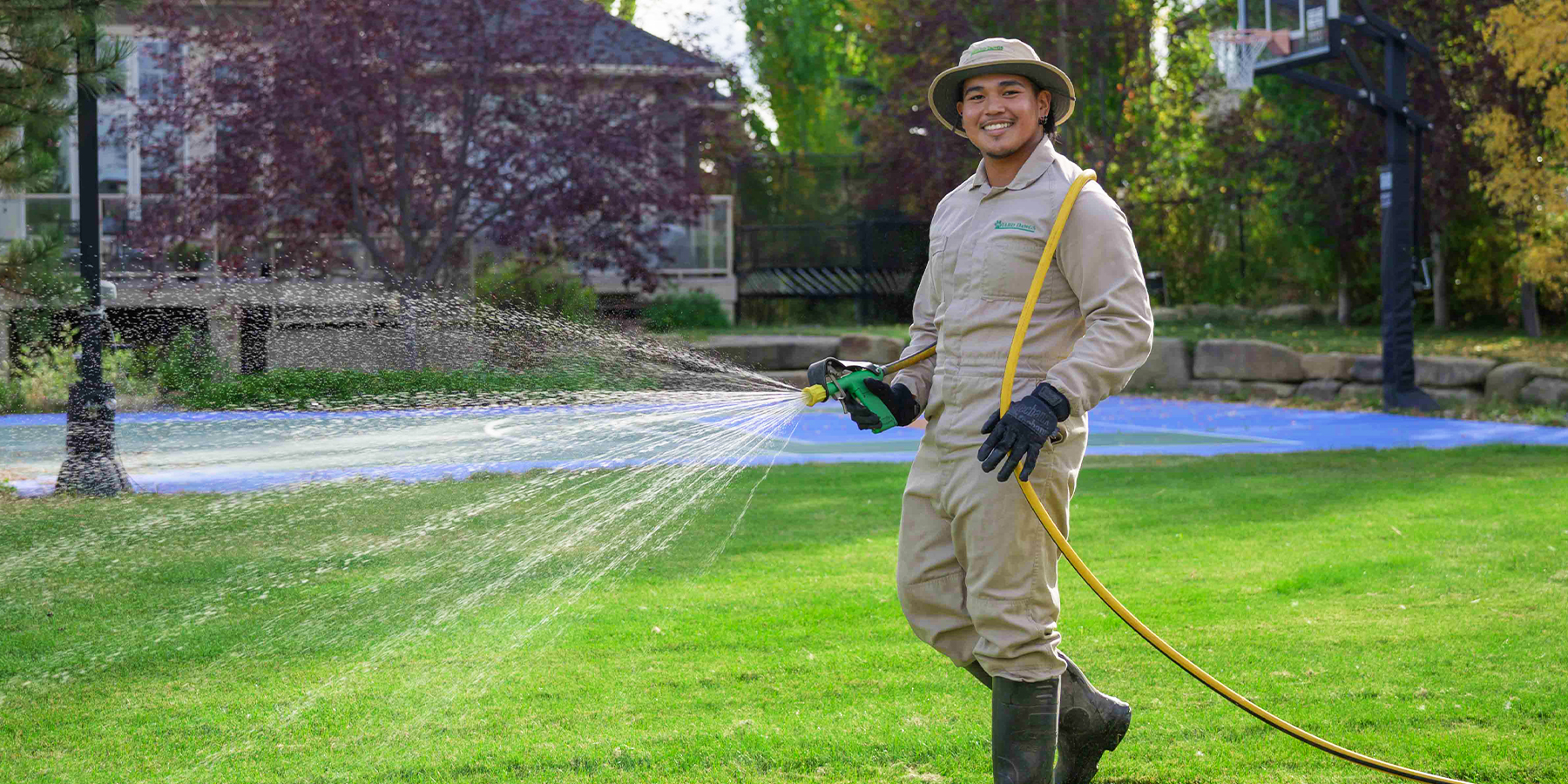
- Water your lawn after application to help nutrients penetrate the soil and reach the roots.
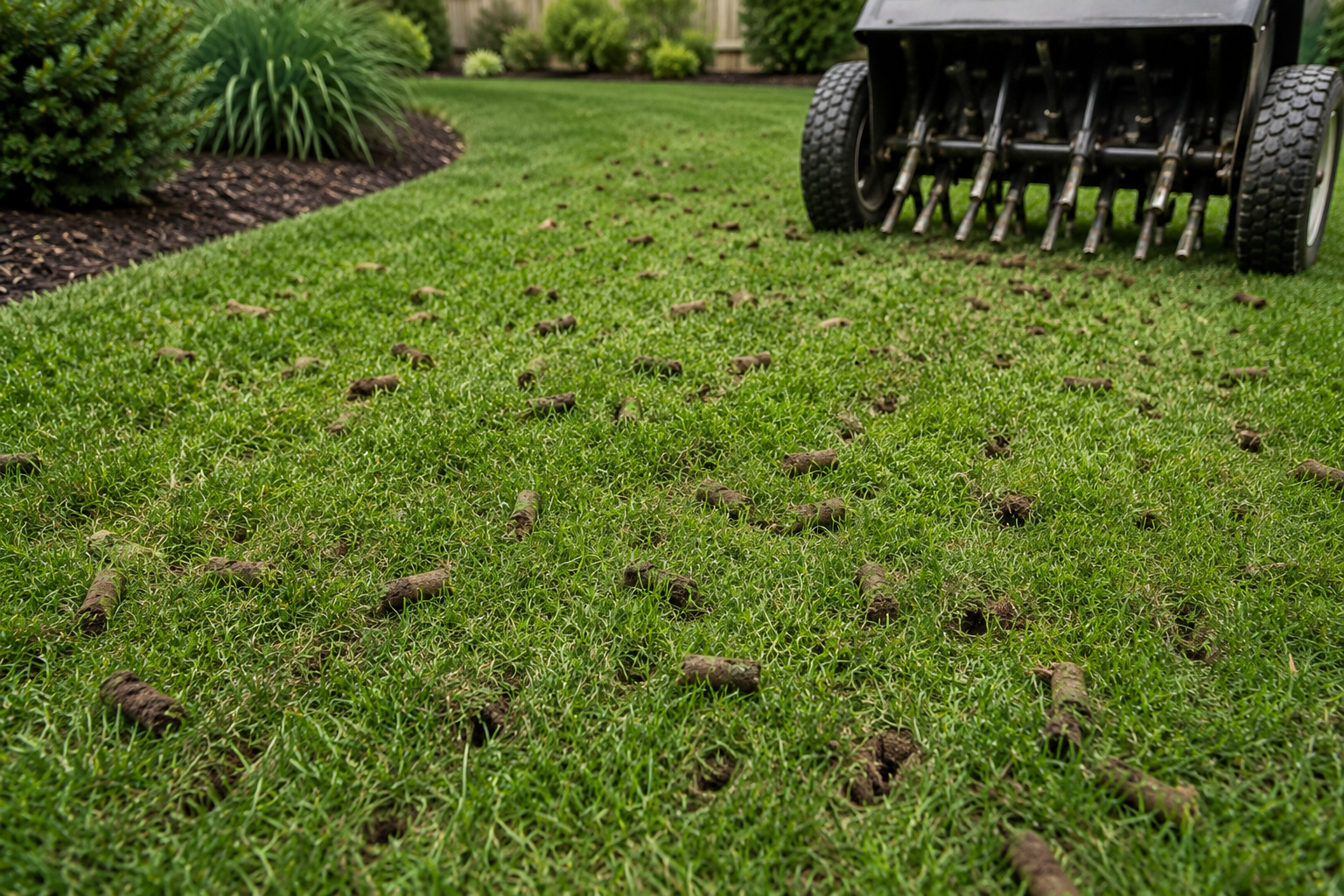
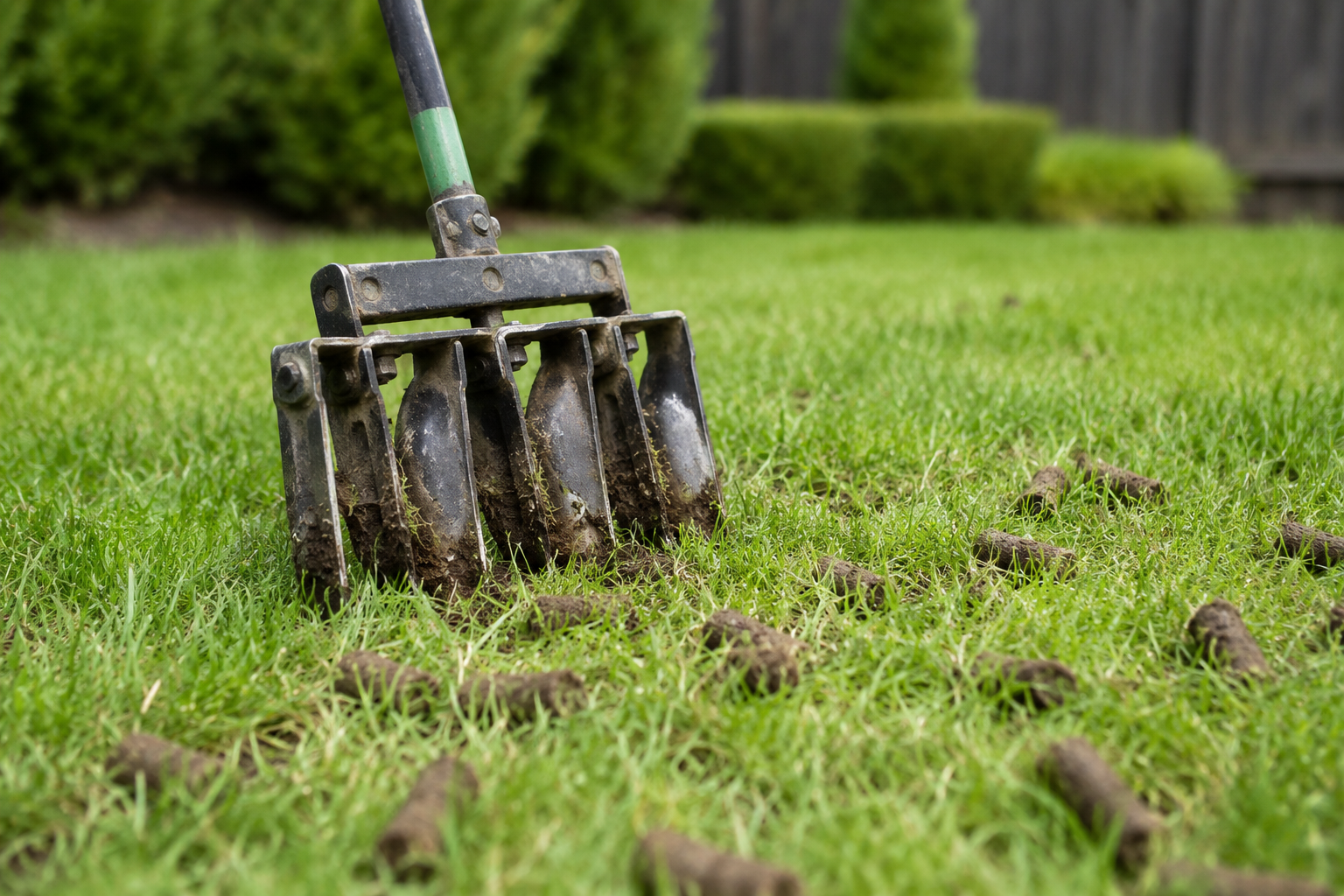
- Pair it with aeration to improve soil absorption and boost microbial activity.
- Use it alongside compost or organic mulch to further enhance soil structure and moisture retention.
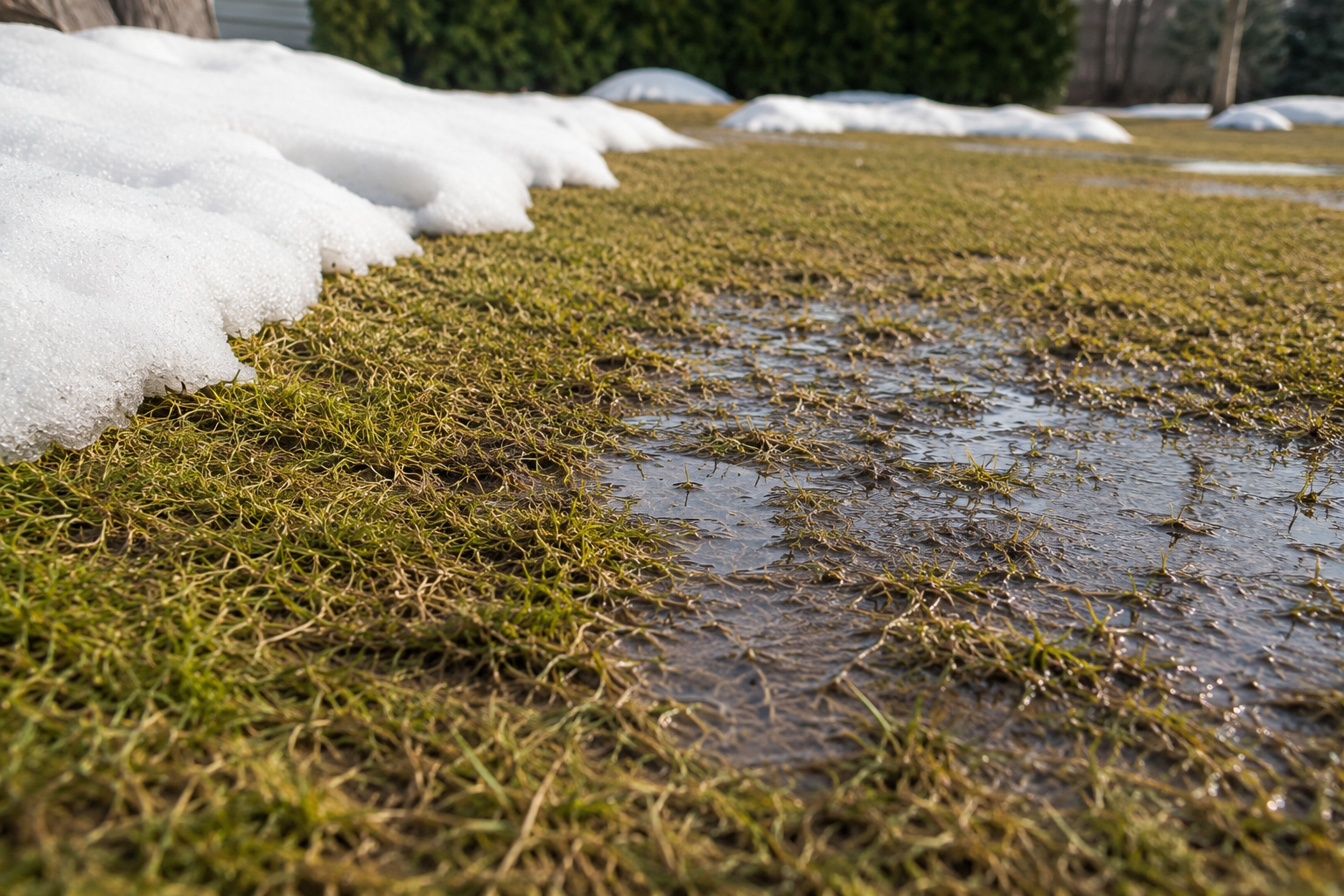
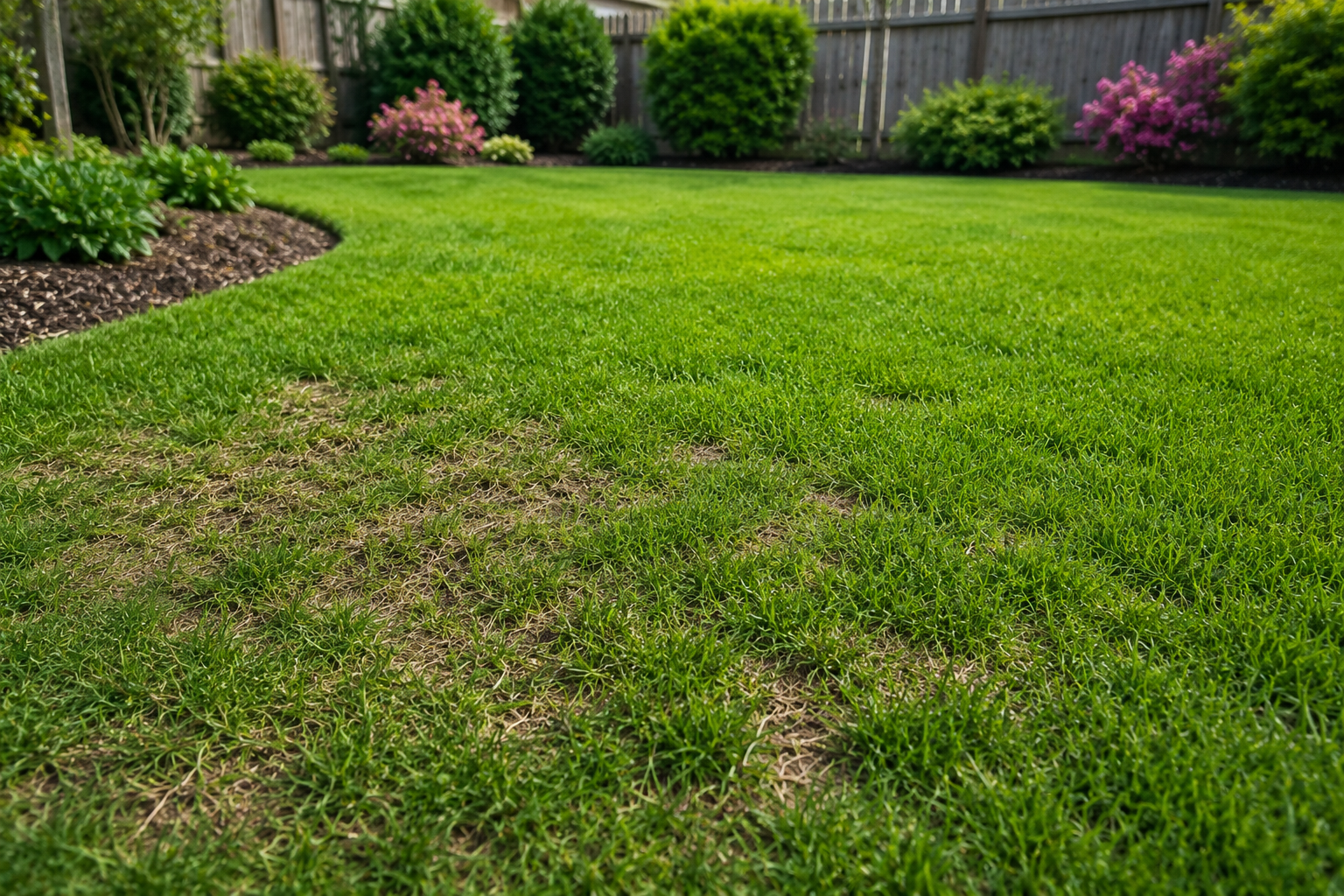
Sea kelp fertilizer can be particularly beneficial after core aeration, during overseeding projects, after drought stress, and during seasonal lawn recovery periods. These are times when grass is actively rebuilding roots and can benefit from additional biological support.
Frequently Asked Questions About Sea Kelp Fertilizer
How often should sea kelp fertilizer be applied?
Application frequency varies by product, but many homeowners apply sea kelp every four to six weeks during the growing season.
Can sea kelp replace traditional fertilizer?
Sea kelp is an excellent supplement but is generally most effective when used alongside a balanced fertility program that addresses major nutrient requirements.
Does sea kelp fertilizer burn grass?
When used according to label directions, sea kelp fertilizer has a very low risk of causing fertilizer burn compared to many synthetic products.
Can sea kelp help lawns during drought?
Yes. Sea kelp contains compounds that help improve stress tolerance and support root development, making lawns more resilient during dry periods.
Can sea kelp be used when overseeding?
Absolutely. Many lawn care professionals use sea kelp products during overseeding because they support root establishment and seedling vigor.
Hiring Professionals for Optimal Lawn Care
Professional services can ensure the best results for homeowners looking for expert application and tailored lawn care. Companies like Yard Dawgs Lawn Care specialize in sea kelp fertilization to promote healthier lawns.
- Professional services use high-quality, field-tested sea kelp products for maximum effectiveness.
- Experts apply the fertilizer at optimal times and in the right amounts to prevent waste and maximize benefits.
- Comprehensive lawn care plans include fertilization, aeration, and other essential services for long-term lawn health.

Unlock the Power of Sea Kelp for a Healthier Lawn
Sea kelp fertilizer is a game-changer for lawn care, providing natural nutrients, strengthening roots, and improving soil health. By incorporating it into your lawn care routine, you can enjoy greener, more resilient grass that thrives in various conditions.
For professional sea kelp fertilization services, Yard Dawgs Lawn Care offers expert solutions tailored to your lawn’s needs. Our team ensures optimal application, maximizing the benefits of sea kelp for long-term lawn vitality.