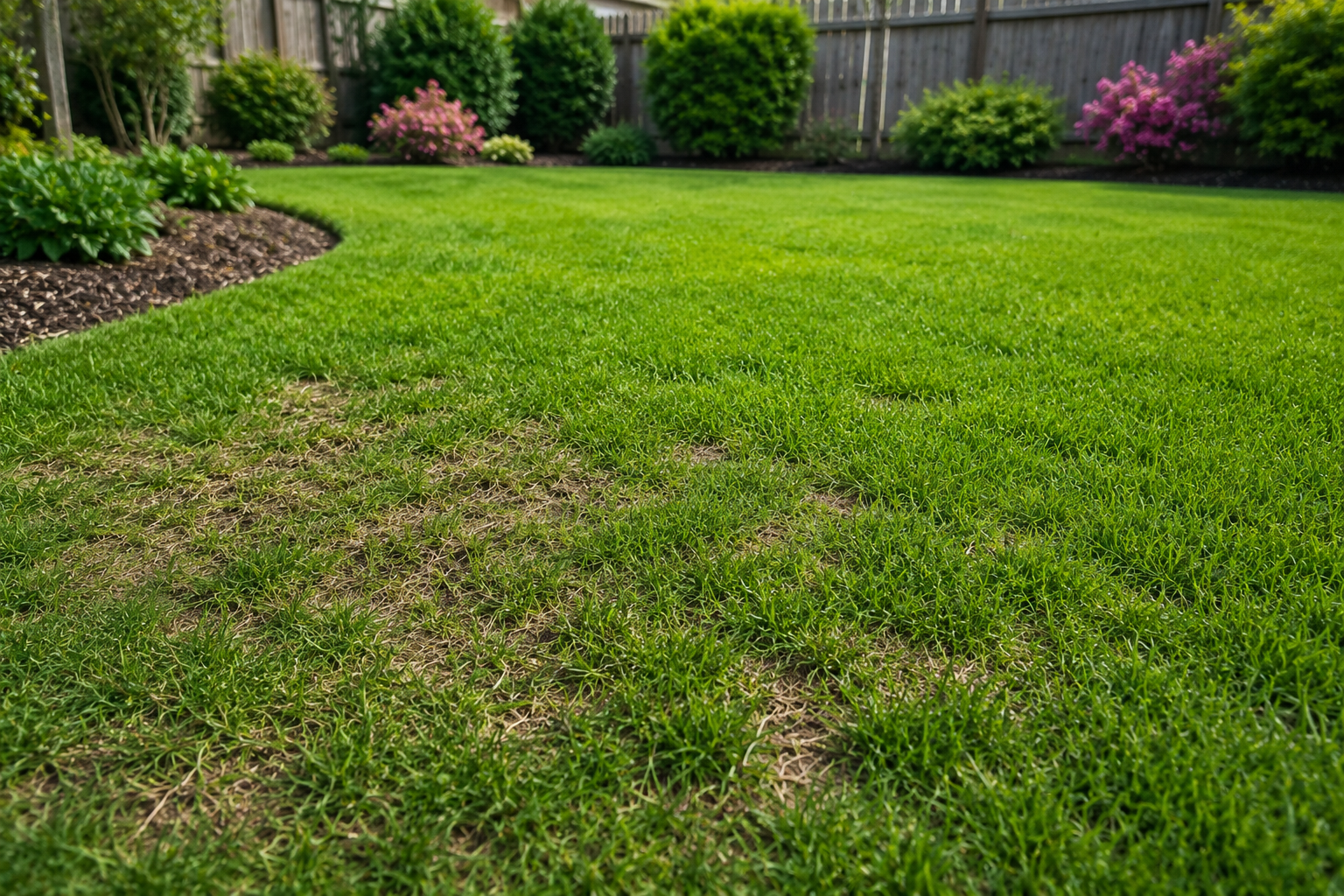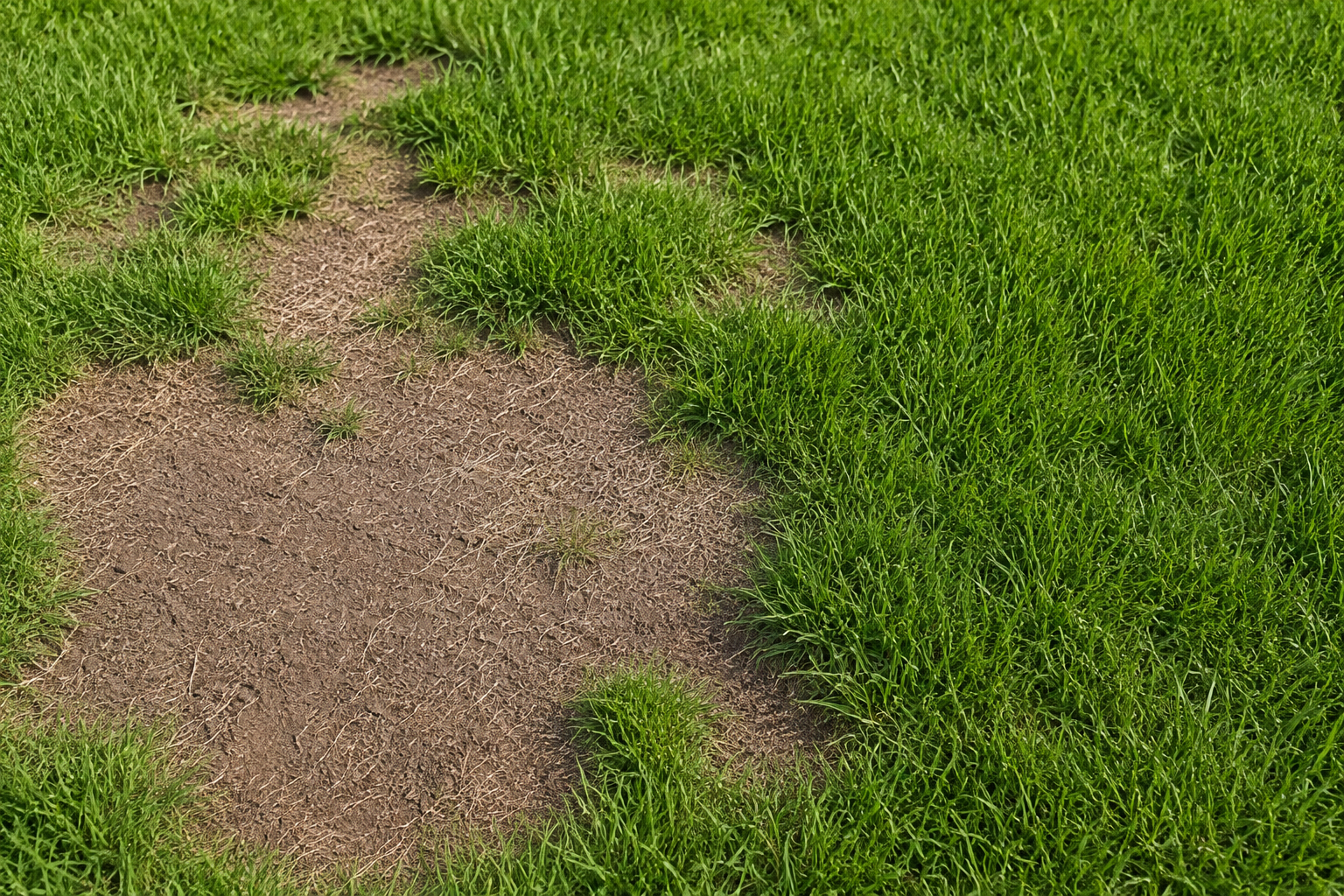







A lush, healthy lawn doesn’t just happen, it’s the result of consistency, knowledge, and using the right tools for the job. Whether you're a seasoned green thumb or a first-time homeowner, having essential lawn care equipment at your fingertips can make all the difference. In fact, according to lawn care experts, most turf issues can be traced back to improper maintenance, which often starts with not having the proper gear.
For those who love the hands-on approach, understanding what tools are truly necessary will set your lawn up for success. Here’s a practical guide to the equipment every DIY homeowner should have in their shed.

Limited spots available!
Transform your lawn today

Limited spots available!
Transform your lawn today
How to Choose the Right Lawn Care Tools for Your Yard
Before buying any equipment, it helps to think through a few practical factors that determine which lawn care tool actually fits your property.
Key factors to weigh:
|
Factor |
What to consider |
|
Lawn size |
Small yards rarely need riding mowers; large properties (½ acre+) outgrow push mowers and handheld spreaders fast |
|
Terrain |
Slopes and uneven ground favor self-propelled mowers and lightweight trimmers |
|
Grass type |
Cool-season grass needs frequent mowing in peak growth; warm-season grass has different height/aeration needs |
|
Budget |
Electric = cheapest upfront; gas = more power, higher cost; battery = middle ground, plus battery replacement cost |
|
Storage space |
Gas equipment needs dry, ventilated storage; electric/battery tools fit on a wall rack or small shed corner |
|
Power source |
Gas = most power, most maintenance; battery = quiet, low-maintenance, limited runtime; corded = cheapest, limited by cord |
Weighing these six factors against your yard's actual size and your own maintenance tolerance will point you toward the best tools for lawn care for your specific situation, rather than whatever's on sale.
1. Lawn Mower: The Cornerstone of Any Lawn Toolkit
No surprise here, a reliable lawn mower is your primary tool. Keeping grass at an ideal height helps prevent weed growth and supports even fertilizer absorption.
Common mower types:
- Reel mowers: Quiet and eco-friendly. Ideal for smaller lawns.
- Electric mowers: Easy to start and maintain; available in corded or battery-powered models.
- Gas-powered rotary mowers: Offer more cutting power, great for larger or tougher lawns.
- Self-propelled mowers: Reduce physical effort, especially helpful on sloped yards.
|
Yard size |
Best mower type |
Why |
|
Under ¼ acre |
Push mower (reel, electric, or gas) |
Affordable, easy to maneuver, sufficient power |
|
¼ to ½ acre |
Self-propelled mower |
Reduces fatigue over longer mowing sessions |
|
Over ½ acre, or hilly |
Riding mower |
Cuts mowing time dramatically despite higher upfront cost |
Comparing power sources:
- Gas: best for large or overgrown lawns; highest torque and unlimited runtime; requires oil changes and fuel storage
- Corded electric: best for small, flat lawns near an outlet; limited by cord length
- Battery: best for quarter- to half-acre lawns; quiet, low-maintenance, runtime has improved a lot in recent years
Mowing height and frequency:
- Cool-season grasses: keep between 2.5–3.5 inches
- Warm-season grasses: keep between 1.5–2.5 inches
- General rule: never remove more than one-third of the blade in a single mow
- Peak season: mow weekly
- Slower growth periods: every 10–14 days
Regular mowing not only maintains visual appeal but also contributes to a denser, more weed-resistant lawn.
2. String Trimmer: Detail Where the Mower Can’t Reach
Trimmers (also known as weed whackers) are key to tidying up edges and corners. They’re especially useful for fence lines, tree bases, and flower beds where a mower can’t safely cut.
Trimmer power options:
- Gas-powered: Strong and effective for larger yards.
- Battery-powered: Cordless and quieter.
- Corded electric: Lightweight but limited by cord reach.
String trimmer vs. lawn edger:
|
String Trimmer |
Lawn Edger |
|
|
Cutting method |
Flexible nylon line |
Rigid blade |
|
Best for |
Irregular areas, tree rings, fence lines, obstacles |
Straight, defined edges along driveways, sidewalks, beds |
|
Result |
Tidy but can leave an uneven line at pavement edges |
Clean, crisp vertical line |
Do you need both? Homeowners with simple yards and little hardscaping can often get by with just a trimmer, especially one with an edging attachment. But if your property has a lot of paved borders, walkways, or garden beds, owning both tools gives noticeably better results, the trimmer handles detail work around obstacles, while the edger creates the sharp lines that give a lawn its finished look.
Using a trimmer once every week or two helps keep your lawn looking professionally maintained, even if you’re the one doing the work.
3. Broadcast Spreader: For Even Nutrient Distribution
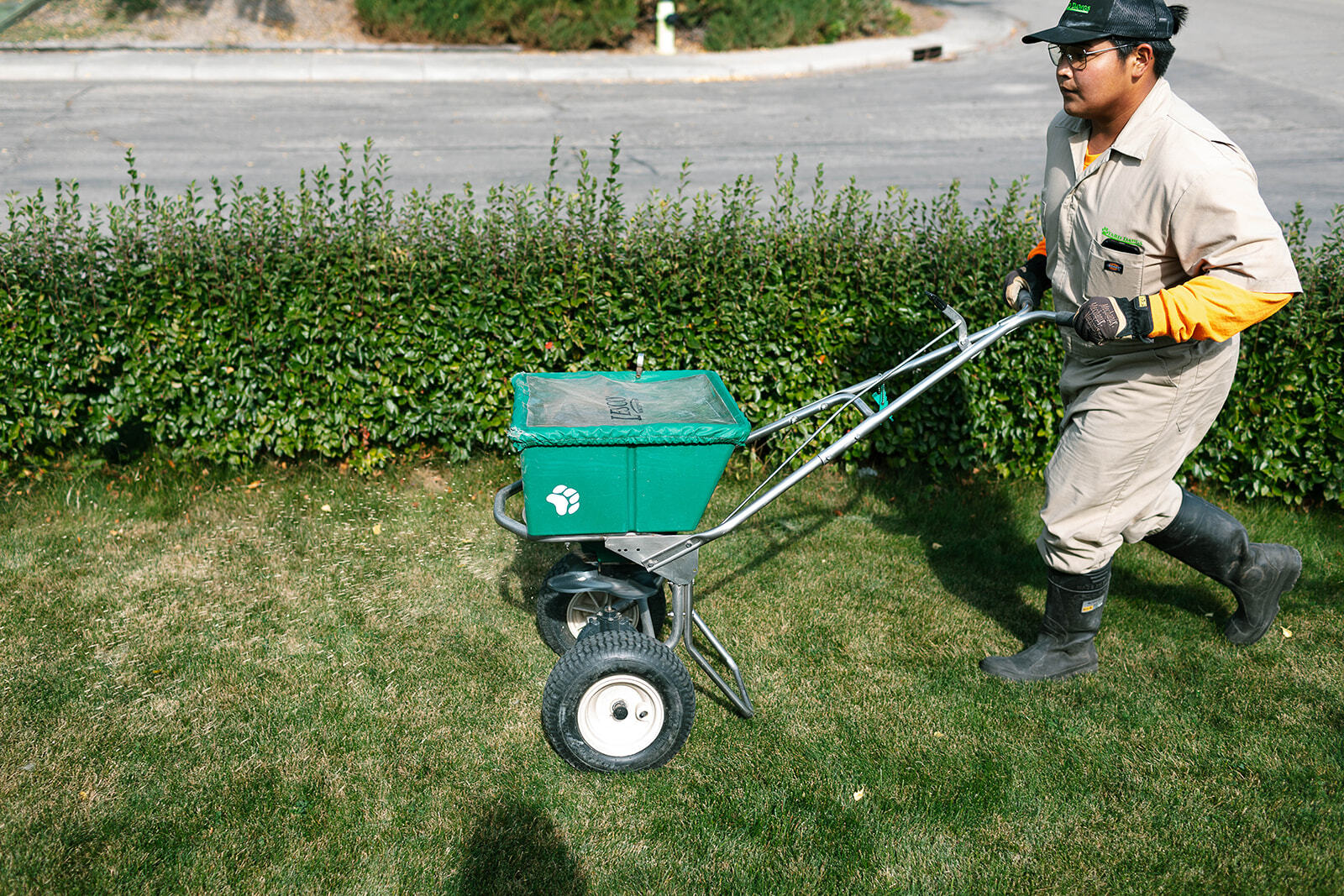
Whether you're applying grass seed, weed control products, or lawn fertilizer, a spreader is essential for even distribution.
Types of spreaders:
- Drop spreaders: Precise, great for small or narrow areas.
- Rotary/broadcast spreaders: Cover more ground quickly.
- Handheld spreaders: Best for touch-up areas or smaller lawns.
Spreader use is especially relevant when you're applying products like super juice, sea kelp, or scheduling your lawn fertilization services. Even application leads to uniform grass color and density.
4. Lawn Aerator: Breathe Life into Compacted Soil
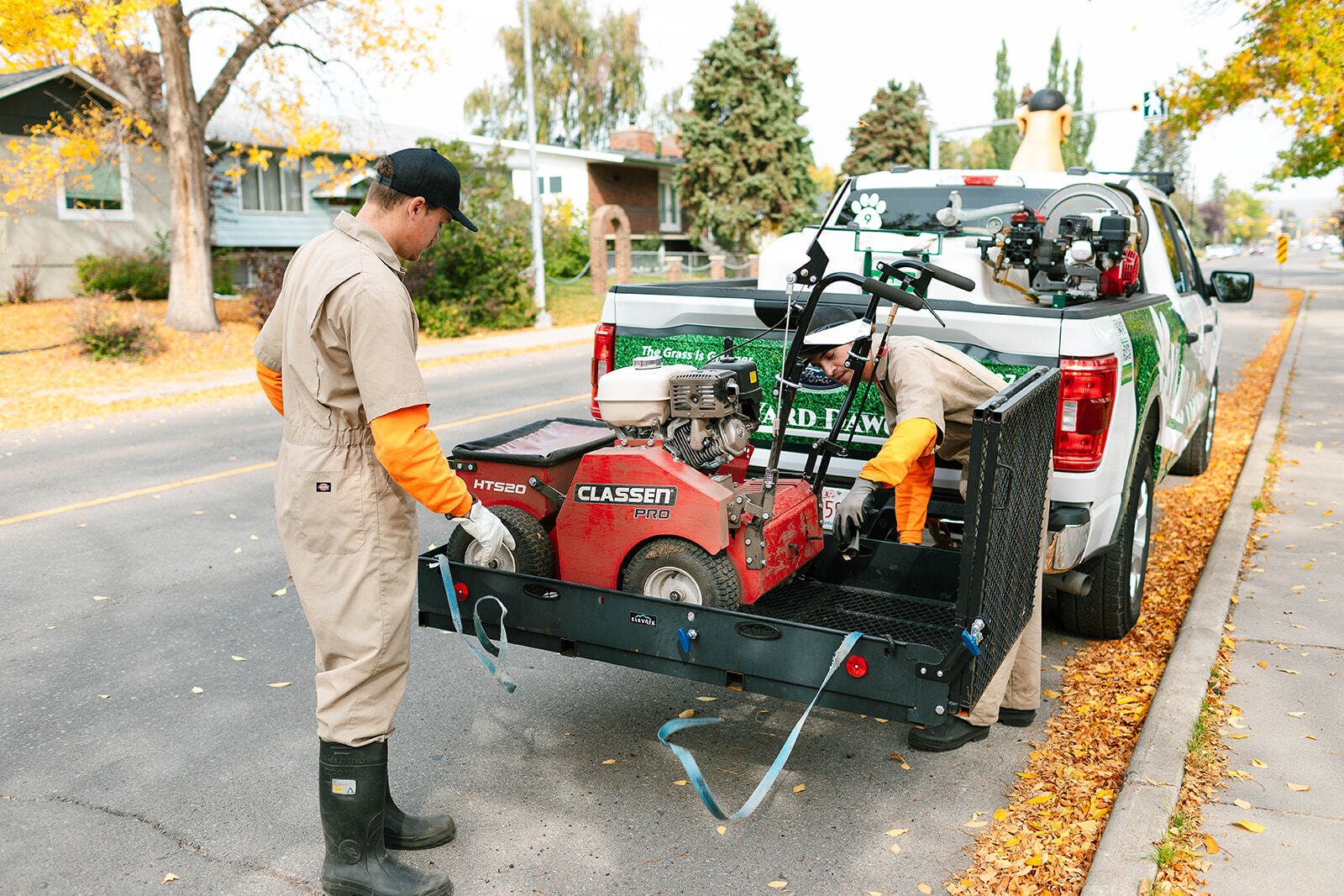
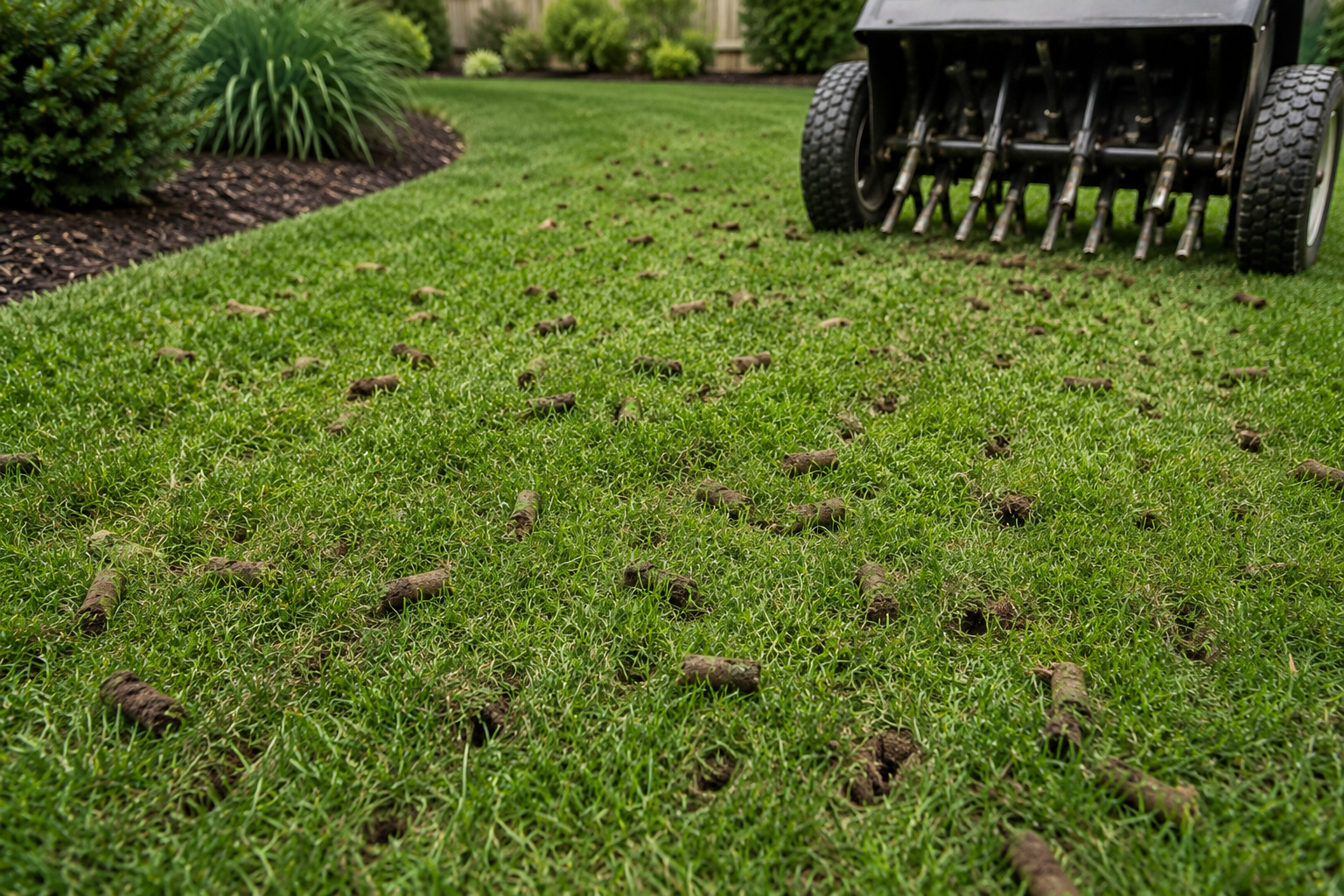
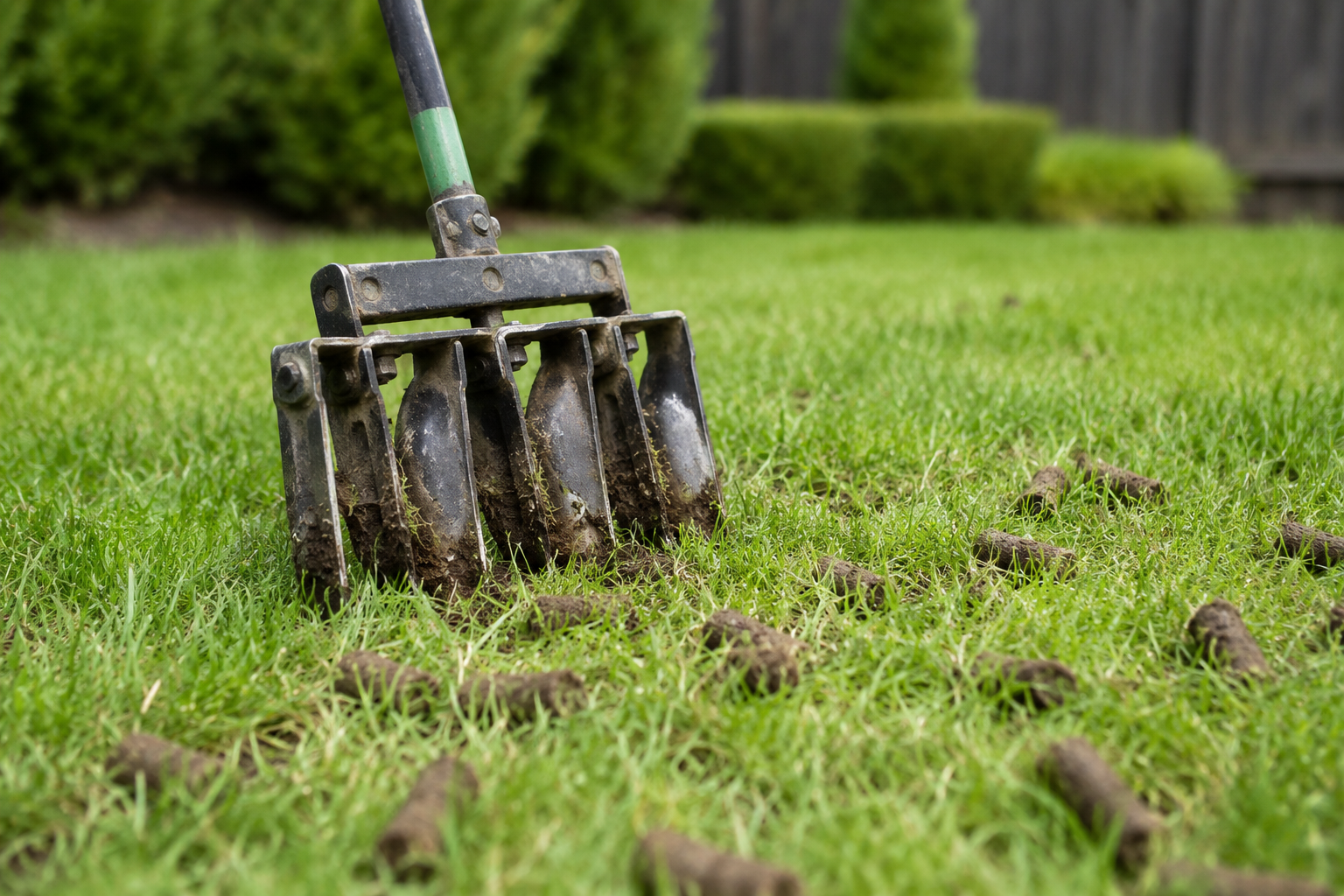
Lawn aeration creates small holes in the soil to improve airflow, water absorption, and nutrient penetration. If you’re working with clay-heavy or compacted soil, aeration is a must.
DIY aeration methods:
- Spike aerators: Push holes into the soil. Ideal for light compaction.
- Plug/core aerators: Remove soil plugs. More effective but labor-intensive.
If mechanical aeration feels daunting, liquid aeration is an excellent alternative and available through Yard Dawgs’ service packages.
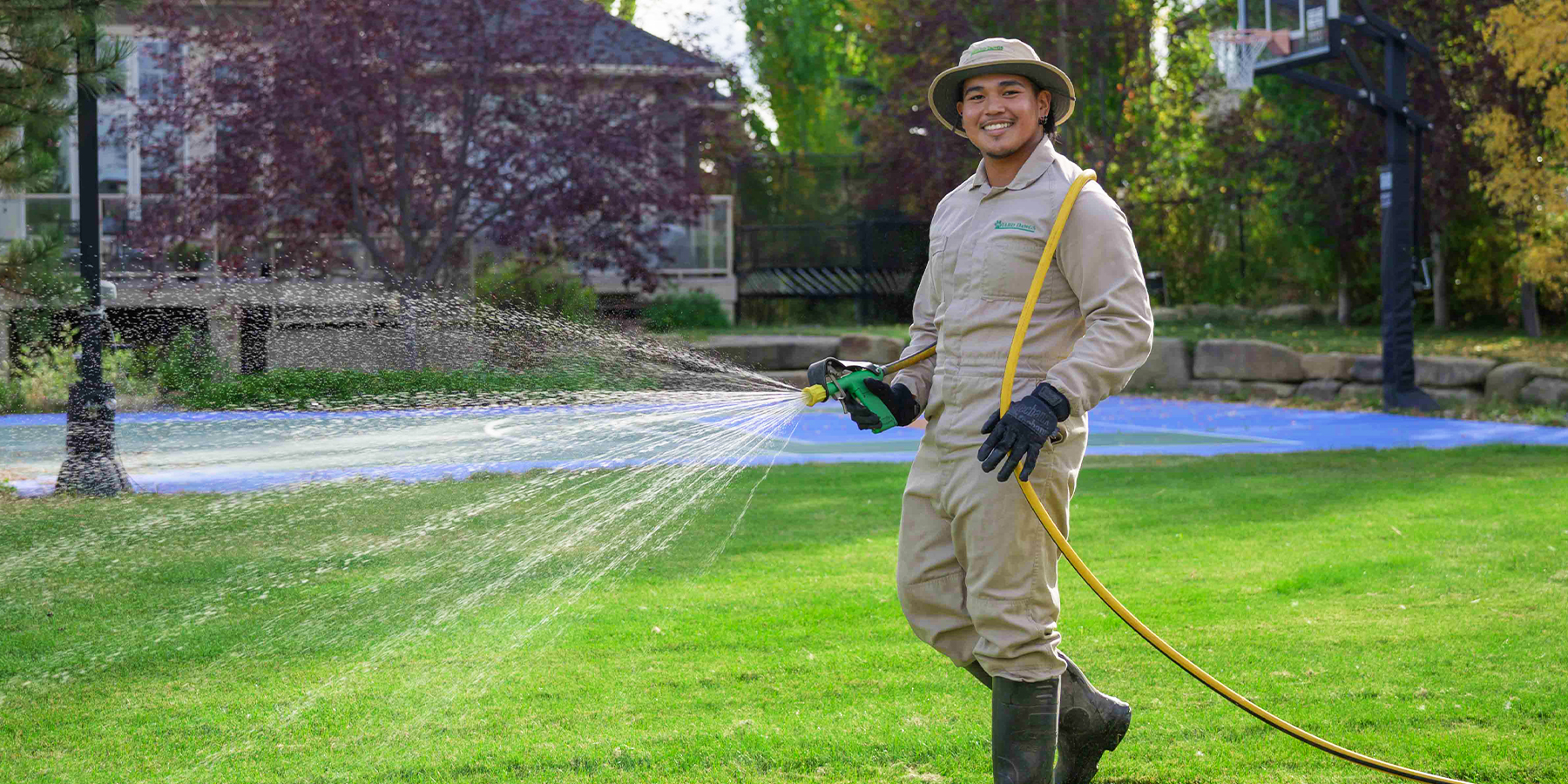
5. Hose and Sprinkler: Hydration Made Simple
Watering is one of the most important (and misunderstood) parts of lawn care. Under- or overwatering can stress your grass and invite pests or disease.
Basic watering gear:
- Garden hose with adjustable nozzle
- Oscillating or rotating sprinkler
- Soil moisture meter (optional but helpful)
For best results, water deeply 1–2 times per week, preferably in the early morning. Consider combining proper watering habits with biostimulants like sea kelp to enhance root development.
6. Hand Tools: Small Tools, Big Impact
Every homeowner should have a basic set of hand tools to keep their lawn and landscaping neat:
- Rake: For gathering leaves, grass clippings, or thatch.
- Weed puller: Perfect for removing stubborn weeds without chemicals.
- Shovel: For edging, planting, or soil repair.
- Lawn shears: To trim around flower beds or walkways.
Pairing these tools with hardscape weed control can help you maintain a crisp, tidy yard without relying solely on herbicides.
7. Protective Gear: Safety First, Always
Even with basic equipment, lawn care can expose you to chemicals, debris, and loud noises. Protecting yourself ensures you can enjoy the work and your results safely.
Don’t forget:
- Sturdy gloves: Especially important when handling fertilizer or pulling weeds.
- Safety glasses: Shield your eyes from debris during mowing or trimming.
- Ear protection: Crucial if you're using gas-powered tools.
- Closed-toe shoes: Avoid the temptation to mow in sandals, trust us on this one.
8. Optional but Effective Additions
Looking to go the extra mile? Consider investing in the following:
- Lawn roller: Helps flatten uneven areas after slit-seeding or topdressing.
- Soil testing kit: Understand your lawn’s unique nutrient needs.
- Compost spreader: Boost organic matter in the soil naturally.
If chinch bugs are a seasonal concern in your area, it’s best to let professionals handle pest control. At Yard Dawgs, we’re ready to step in when DIY efforts need an extra hand.
Additional Lawn Care Tools Worth Owning
Beyond the core equipment, a handful of specialized tools address specific lawn problems as they come up:
|
Tool |
When it's useful |
|
Lawn edger |
Homeowners with driveways, sidewalks, or garden beds wanting a polished, defined finish |
|
Leaf blower |
Fast cleanup after mowing/trimming or fall leaf drop; electric handhelds suit small yards, backpack/gas models suit larger properties |
|
Soil testing kit |
Before fertilizing, or when a lawn isn't responding to standard care and you need to know what's actually missing |
|
Lawn seeder/overseeder |
Fall or spring overseeding of thin or patchy areas, especially right after aeration |
|
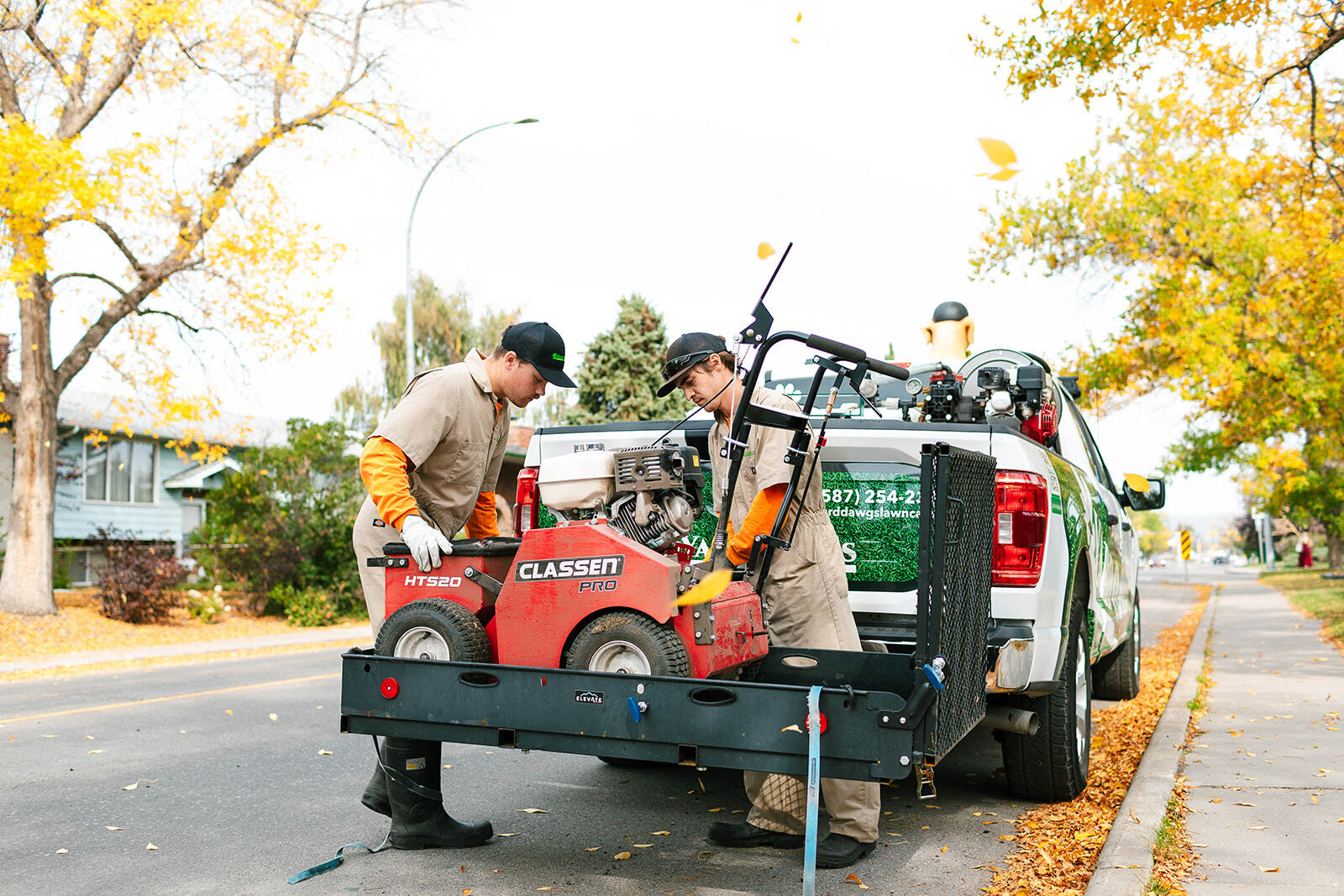
Dethatching rake |
Once a year, when thatch exceeds ½ inch and the surface feels spongy or matted |
|
Lawn leveling rake |
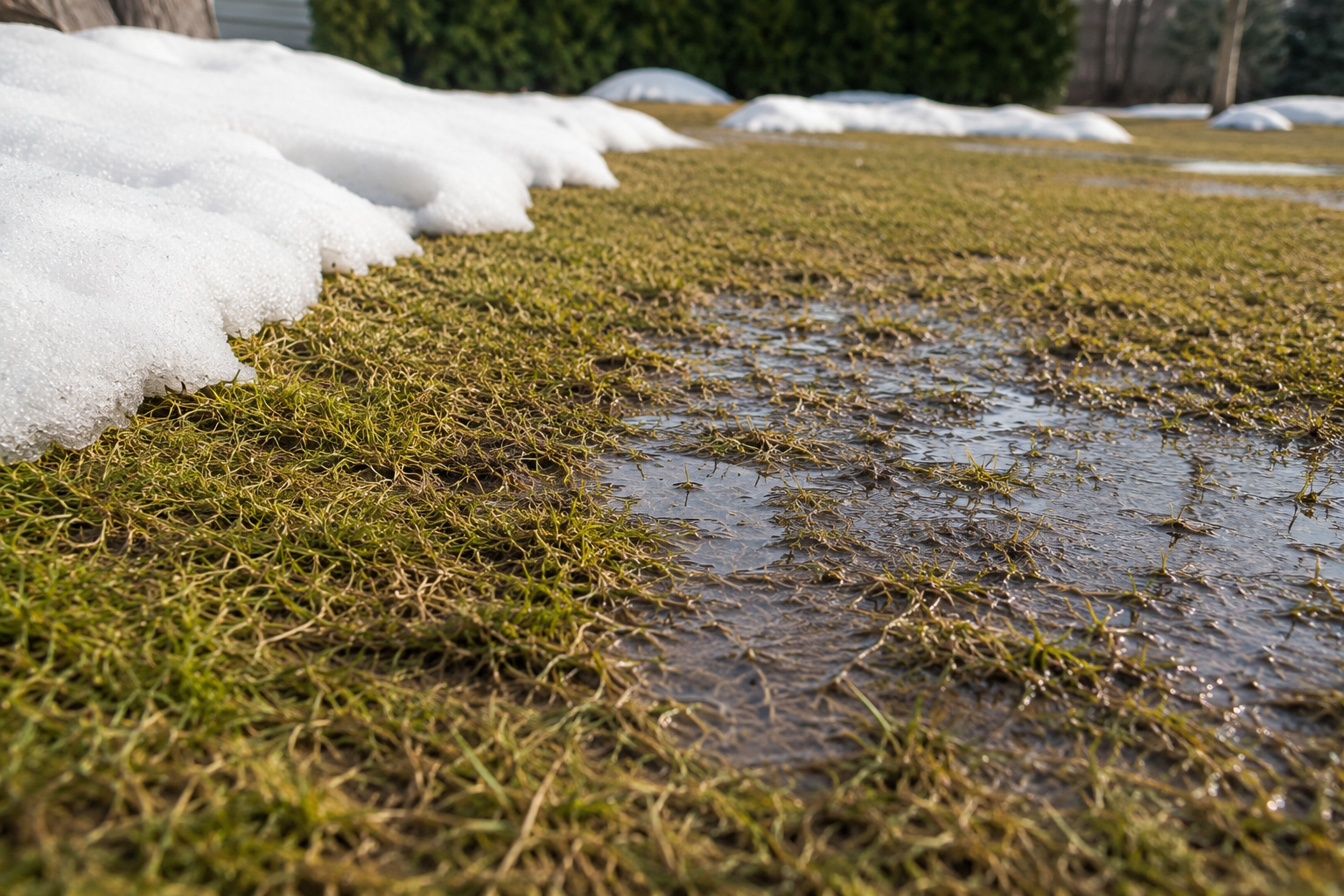
Smoothing low spots and dips, typically in spring or after freeze-thaw cycles |
|
Backpack sprayer |
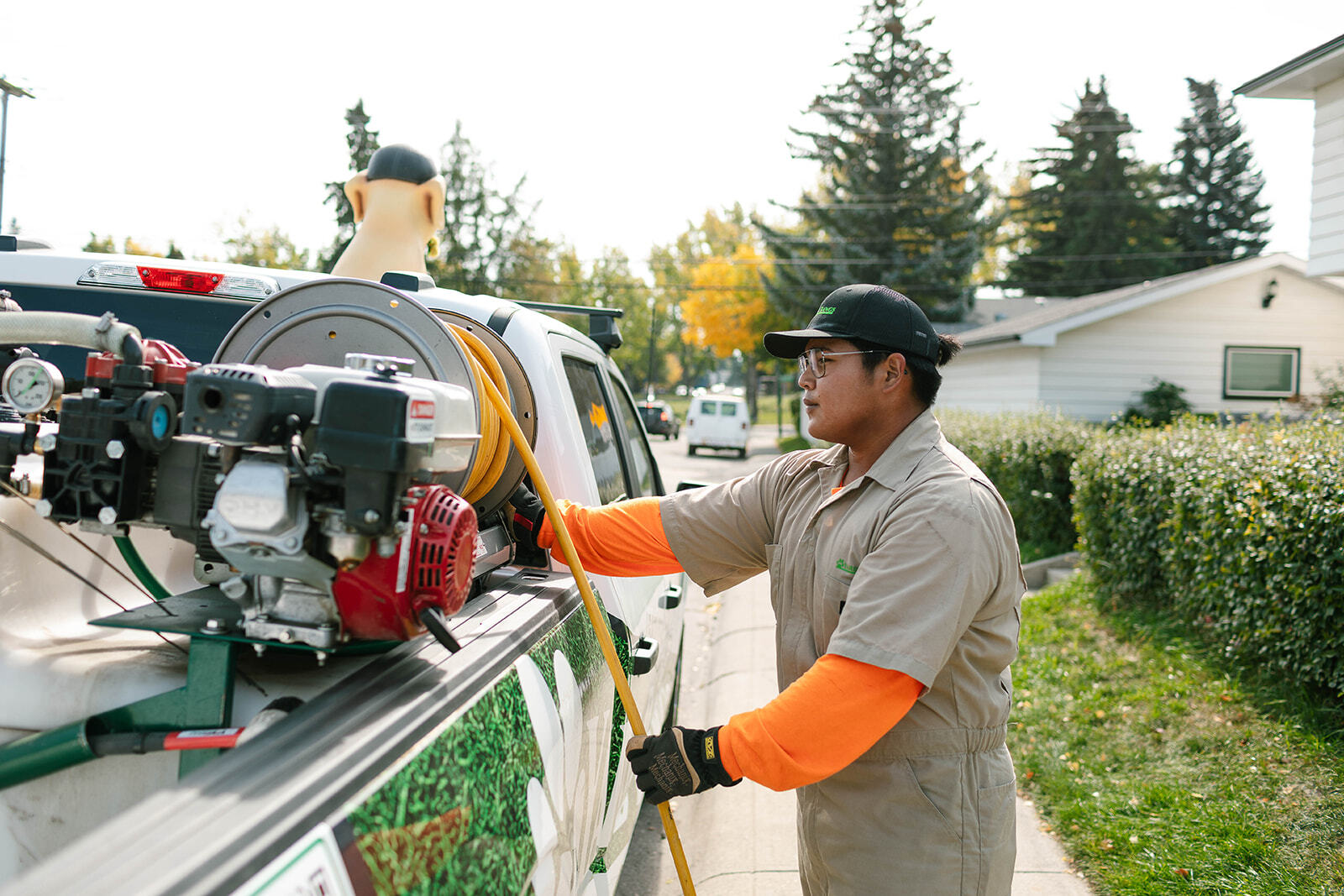
Targeted treatment of specific weed patches without the drift or waste of a hose-end sprayer |
|
Moisture meter |
Hot, dry stretches when it's hard to tell by eye if the lawn is over- or underwatered |
How to Maintain Lawn Care Equipment
Even the best lawn care tools lose performance and lifespan without regular upkeep. A few habits, done consistently, keep equipment running well season after season:
- Blade sharpening: sharpen once or twice per mowing season (more often if you hit twigs, rocks, or rough terrain). A dull blade tears grass instead of cutting it, leaving ragged, brown-tipped edges.
- Cleaning after use: brush or rinse off grass clippings, dirt, and moisture after each use to prevent rust and clogged air vents.
- Oil changes: for gas equipment, follow the manufacturer's schedule, typically once per season or every 25 hours of use.
- Battery care: store batteries at room temperature, avoid extreme heat/cold, and don't leave them fully depleted for long stretches.
- Replacing trimmer line: keep spare line on hand and replace it at the first sign of wear or excessive shortening.
- Lubrication: apply a light coat to wheels, cables, and pivot points at the start and end of each season to prevent rust.
- Winter storage: for gas equipment, run the tank dry or add a fuel stabilizer before storing; keep all tools in a dry, temperature-stable space.
- Seasonal check-ups: inspect blades, filters, belts, and batteries at the start and end of each season to catch small issues before they become expensive repairs.
Frequently Asked Questions About Lawn Care Tools
What are the basic lawn care tools every homeowner needs?
A lawn mower, string trimmer, rake, garden hose with a sprinkler, and basic hand tools like a shovel and weed puller cover the core tasks of mowing, edging, watering, and general upkeep.
What are the best lawn care tools for beginners?
An electric or battery-powered mower and trimmer, plus a rake, hose, and sprinkler, make a solid starter kit. They're lighter, quieter, and lower-maintenance than gas equipment.
What lawn mowing tools do I need?
Beyond the mower itself: a string trimmer for edges and tight spaces, and a rake for clearing clippings and debris.
How do I choose the right lawn mower?
Base it on lawn size, terrain, and power preference: push mowers for small, flat yards; self-propelled for mid-size or sloped properties; riding mowers for larger lots. Gas offers the most power; electric and battery offer quieter, lower-maintenance operation.
Do I need both a string trimmer and an edger?
Not always, but homeowners with paved walkways, driveways, or garden borders get a noticeably cleaner finish owning both.
How often should I aerate my lawn?
Most lawns benefit from aeration once a year, ideally early fall for cool-season grasses or late spring for warm-season grasses. Heavily compacted or high-traffic lawns may need it twice a year.
Which lawn care tools are worth buying first?
A reliable mower and string trimmer first, since they cover the majority of regular maintenance. Then a spreader and aerator (or aeration service) for fertilization and soil health, with specialized tools added as specific lawn issues come up.
When It’s Time to Tag in the Pros
There’s a special satisfaction that comes from caring for your lawn yourself, but not everyone has the time or tools to keep up with every seasonal challenge. That’s where we come in.
At Yard Dawgs, we offer comprehensive care including weed control, mechanical and liquid aeration, fertilizer applications, and more. This all is backed by our Weed Free Guarantee and support from a dedicated success team. Our Calgary lawn care plans are flexible, with no contracts and no pressure.